How Long Do Professional Pest Treatments Last?

If you’ve ever had pests come back not long after a treatment, you’re not alone — and you’re probably wondering how long does pest control last and how long pest control treatments actually last. The answer to how long does pest control treatment last isn’t one-size-fits-all. From spiders in the basement to wasps near the roofline, understanding how long does professional pest control last depends on several important factors.
In this guide, we’ll break down what really affects the effectiveness of pest control services and how long different treatments typically last. Whether you’re looking for long-term protection or simply want to avoid another surprise infestation, this article will help you understand what to expect — and how to get the most from every visit.
Here’s what we’ll cover:
- What Affects How Long Pest Control Treatments Last
- Typical Pest Control Timelines by Pest Type
- Why Treatments Might Wear Off Sooner Than Expected
- How to Make Your Pest Control Treatment Last Longer
- How Often Should You Schedule Pest Control in Idaho?
- Conclusion — Get the Most from Your Pest Treatment
First, let’s look at what actually determines how long a treatment will last in your home.
What Affects How Long Pest Control Treatments Last
One of the most common questions we hear from homeowners is: “How long will this treatment keep pests away?” It’s often due to a mix of environmental factors, the type of pest, and how the home is maintained afterward. Let’s break down the biggest variables that influence the lifespan of a treatment so you know what to expect and how to get the best results.
Pest Type Matters
Different pests behave in different ways — and that affects how often they need to be treated. For example, spiders tend to hide in undisturbed areas and may need more frequent follow-ups, especially during Idaho’s cooler months when they migrate indoors. Mice, on the other hand, can be more persistent once they find a food source and shelter. Wasps are seasonal, but a single nest can create repeat problems without proper prevention.
Key Tip: Knowing which pests you’re dealing with — and when they’re most active — plays a big role in how long your protection lasts.
Type of Treatment Used
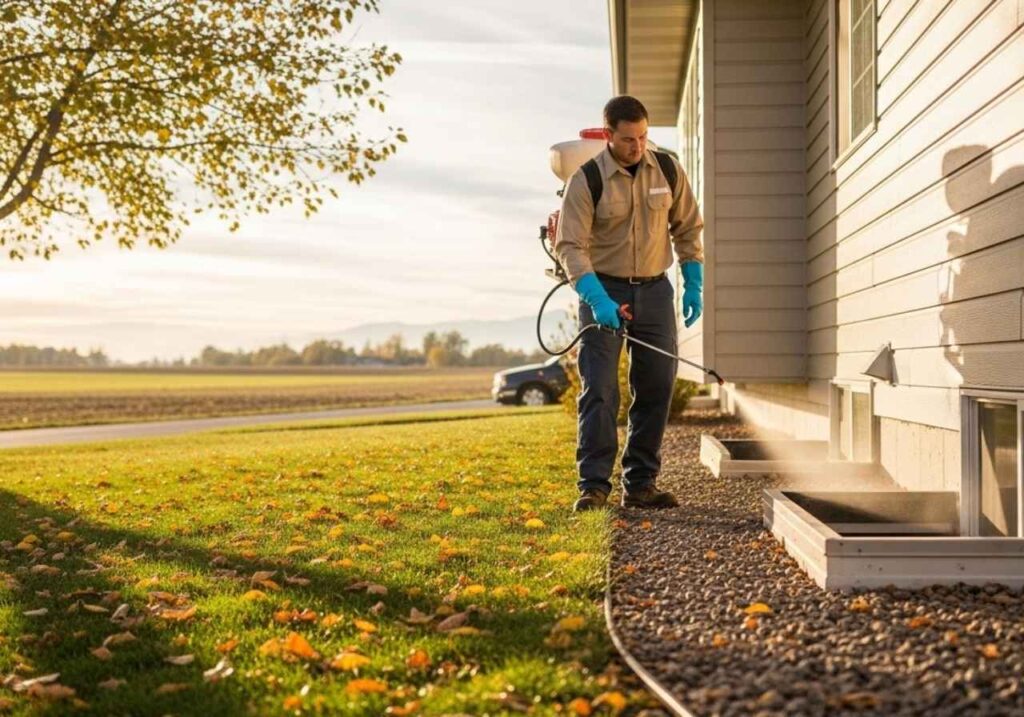
Whether your service includes a barrier spray, baiting system, or exclusion work (like sealing entry points) impacts the duration of results. Sprays may break down more quickly in rain or direct sunlight, while baiting systems can offer longer-term control, which directly impacts overall pest control duration, especially for ants or rodents.
We choose the right treatment for your specific situation, balancing safety, longevity, and pest behavior. That’s why every pest control plan is customized — not one-size-fits-all.
Severity of the Infestation
A light spider problem may need just one treatment and seasonal follow-up. But a full-blown mouse infestation? That usually requires multiple visits, monitoring, and longer-term prevention steps — especially if you’ve noticed signs of a mouse infestation in Idaho. The worse the problem, the more layered the approach needs to be — and that can influence how soon you might need additional service.
Your Home’s Size and Condition
Large homes or properties with crawl spaces, multiple outbuildings, or unfinished basements tend to require more coverage — and pests have more places to hide. Homes with gaps, cracks, moisture issues, or clutter indoors can also reduce the effectiveness of any treatment, since pests have more entry points and shelter.
If you’re in a rural area with surrounding fields, wooded areas, or irrigation ditches, it’s even more important to stay on top of your pest control schedule.
Idaho’s Environment and Seasonal Changes
Here in Southeast Idaho, the seasons play a huge role in pest activity. For example, spiders and mice are more likely to move indoors during the fall. Wasps become aggressive in late summer. And ants? They love to make a comeback in early spring. Rain, snow, and wind can also wear down exterior barriers faster than expected, especially in open areas.
That’s why pest control here isn’t just about treating once — it’s about staying ahead of each season. A well-timed Idaho home pest control schedule can extend the protection between visits and prevent problems before they start.
Bottom Line: How long your pest control treatment lasts depends on several real-world factors — including the pest type, your home’s condition, the environment, and the type of service provided. At DeWebb, we create professional pest control treatments that match your home’s unique needs and the local climate. The more tailored the plan, the better the results — especially when you’re wondering how long should pest control last in your home.
Typical Pest Control Timelines by Pest Type
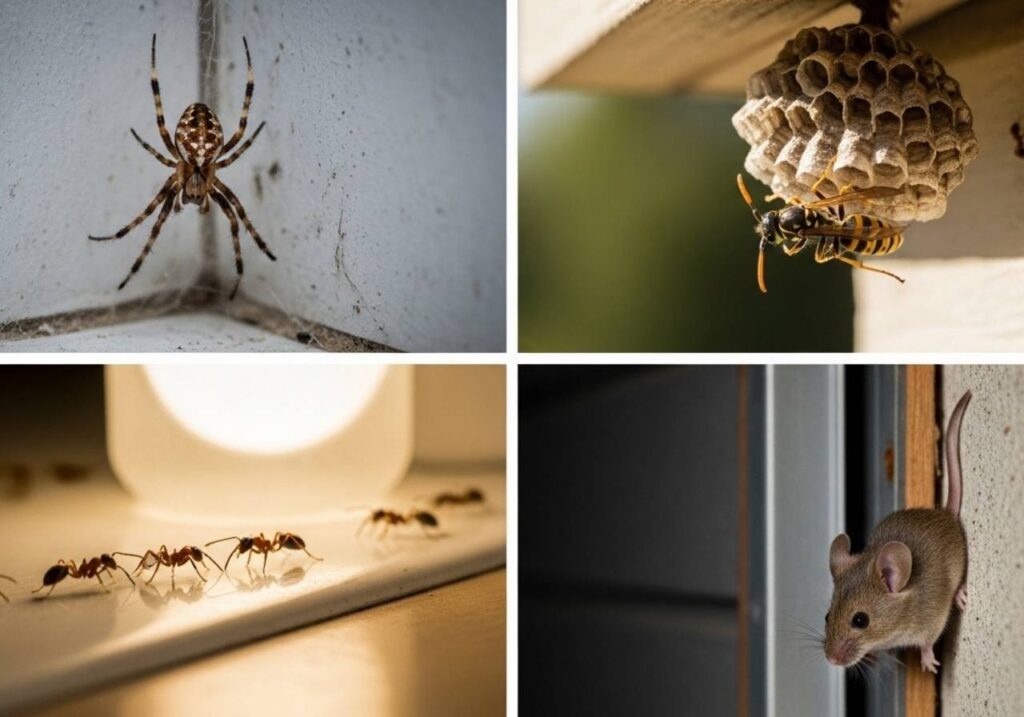
Every pest has its own habits — and that means the longevity of pest control treatments can vary depending on what you’re dealing with. Below, we break down the typical timelines for common pests found in Southeast Idaho homes. These are general ranges based on our professional experience, local climate, and quarterly pest control effectiveness in the region.
For best results, pest control is rarely a one-and-done solution. In fact, integrated pest management studies show that follow-up and scheduled treatments improve long-term population control over one-time interventions.
Spiders: How Often Should You Treat?
Spiders are one of the most common concerns for Idaho homeowners, especially in basements, garages, and corners of quiet rooms. In most cases, a quality treatment can provide noticeable relief for 60 to 90 days. However, because spiders tend to return as temperatures drop in the fall, quarterly spider treatments are often the most effective for long-term control, especially when planning your spider treatment frequency Idaho homeowners can rely on.
Recommended frequency: Every 3 months (or more often during fall and winter)
Ants: Is Monthly Pest Control Worth It?
Ants are persistent — and if they’ve found a way into your home once, they’ll keep coming back until their trail is completely disrupted. A typical ant treatment can last about 30 to 60 days, but if you’re dealing with an active infestation or repeat activity, monthly visits may be necessary early on. Once under control, many homeowners shift to a quarterly pest control plan to prevent future problems.
Recommended frequency: Monthly during active infestations, then quarterly for prevention
Wasps: How Long Do Wasp Treatments Stay Effective?
Wasp treatments are generally seasonal, since nests are rebuilt annually. A professional application in spring or early summer — combined with nest removal and entry-point sealing — typically remains effective for 60 to 90 days, or longer if no new nests are formed. It’s important to treat early before colonies grow aggressive in late summer — especially once you understand wasp colony lifespan and seasonal behavior in our region.
Recommended frequency: 1–2 times per season, especially in areas prone to nests (eaves, rooflines, sheds)
Mice: How Long Do Prevention Plans Work?
Mice are tricky — they don’t follow seasons as predictably as insects, and once they’re inside, they’ll stay. A single treatment may stop the immediate problem, but if you’re asking how long to get rid of mice Idaho infestations can take, it’s important to understand that mouse prevention requires ongoing monitoring and physical exclusion methods. DeWebb’s plans typically include baiting, sealing access points, and routine checks. Once controlled, homeowners often benefit from quarterly or biannual inspections to ensure mice don’t return.
Recommended frequency: Initial treatment + follow-ups over 30–90 days, then quarterly or seasonal checks
Quick Reference Chart
| Pest | Typical Duration of Treatment | Recommended Service Frequency |
| Spiders | 60–90 days | Every 3 months |
| Ants | 30–60 days | Monthly (initial), then quarterly |
| Wasps | 60–90 days (seasonal) | 1–2 times per season |
| Mice | 30–90 days (active control) | Quarterly or seasonal for prevention |
Key Takeaway: No two pests follow the same schedule — and neither should your pest control plan. By tailoring your treatment frequency to the pest and the season, you’ll stay ahead of infestations and avoid repeat issues. At DeWebb Pest Control, we build custom service schedules that match how long pest control treatments last based on real-world Idaho conditions — so your home stays protected all year.
Why Treatments Might Wear Off Sooner Than Expected
It’s frustrating — you paid for pest control, things seemed quiet for a few weeks, and then… the bugs are back. If you’re wondering, “Why do bugs come back after pest control?” — you’re not alone. The reality is, even the best treatments can wear off faster than expected if certain conditions interfere. Let’s look at a few common reasons why that happens and how you can minimize the chances of a return visit.
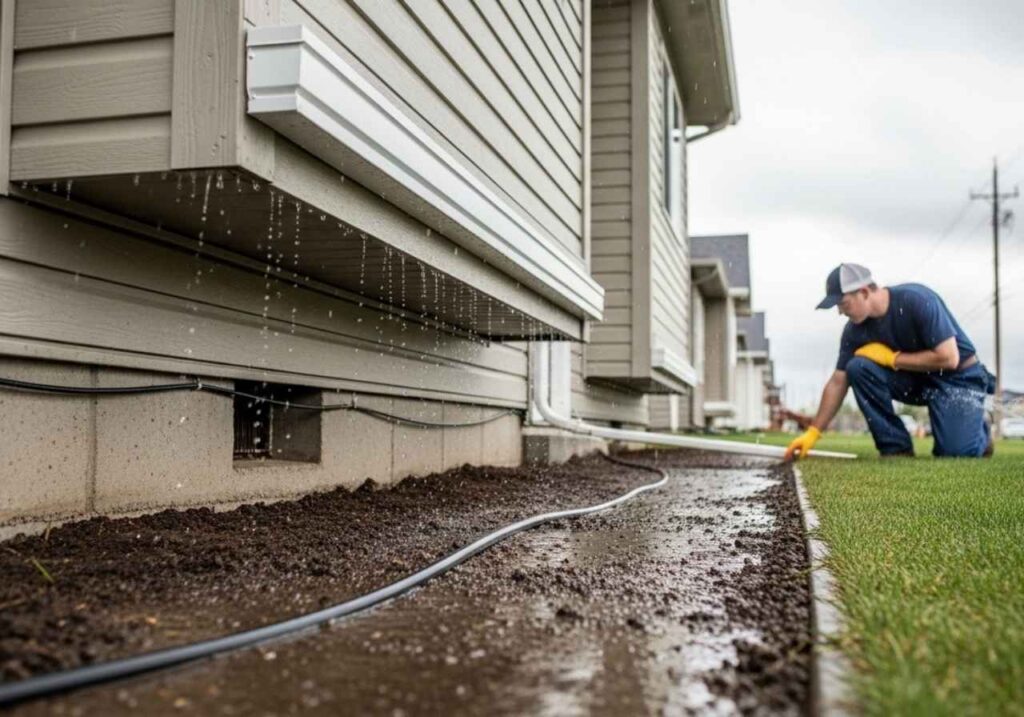
Environmental Exposure (Rain, Snow, Irrigation)
Outdoor treatments are especially vulnerable to the elements, which can shorten perimeter pest control longevity and reduce effectiveness sooner than expected. Heavy rainfall, snow melt, sprinklers, or even strong winds can break down barrier sprays faster than usual — especially around your foundation, eaves, or patio. Southeast Idaho’s varied seasons make this even more unpredictable. That’s why seasonal follow-up pest control visits are often needed to maintain consistent protection.
Pro tip: If it rains within 24 hours of a service, give us a call — we’re happy to come back and reapply when needed.
DIY Clean-Up Too Soon After Treatment
We get it — you want your home to look clean and chemical-free. But cleaning treated areas too soon (especially baseboards, corners, or garage edges) can accidentally wipe away the barrier before it’s had time to work. In most cases, we recommend waiting at least 7–10 days before deep cleaning around treated zones.
Reminder: Our products are pet- and child-safe once dry — so you don’t need to scrub them away for safety.
Not Sealing Entry Points
Even with a solid treatment, pests will find a way back in if gaps, cracks, or holes around the home go unsealed. Mice, ants, and spiders only need a tiny opening to return — especially as seasons change. That’s why we often recommend pairing treatment with basic exclusion work, like sealing around windows, utility lines, and crawl space vents.
Think of it like patching a leaky roof: No matter how good the inside cleanup is, the problem will return if the source stays open.
Hidden Infestations or Nesting Areas
Some pests — like wasps or mice — can nest in hard-to-reach areas: attics, wall voids, crawl spaces. If those nests weren’t accessible or active during the first visit, you might see a resurgence later. This isn’t a sign that the treatment didn’t work — it just means the problem was deeper than visible on day one.
That’s why DeWebb offers a retreat guarantee for recurring pests. If you’re still seeing activity after your initial service, we’ll return and treat again at no additional cost.
Key Takeaway: Even with the best products and service, treatments can wear off faster due to Idaho’s weather, home conditions, or pest behavior. The good news? With DeWebb’s follow-up pest control visits and no-rush guarantee, your protection doesn’t stop when we leave your driveway. We’re here for the long haul — so your pests don’t have to be.
How to Make Your Pest Control Treatment Last Longer
Pest control isn’t just about the treatment itself — it’s also about what happens after. The good news? With a few simple habits and small home adjustments, you can significantly extend the life of your service and enjoy long-term pest protection. Here are some practical, low-effort steps you can take to help your treatment go the distance.
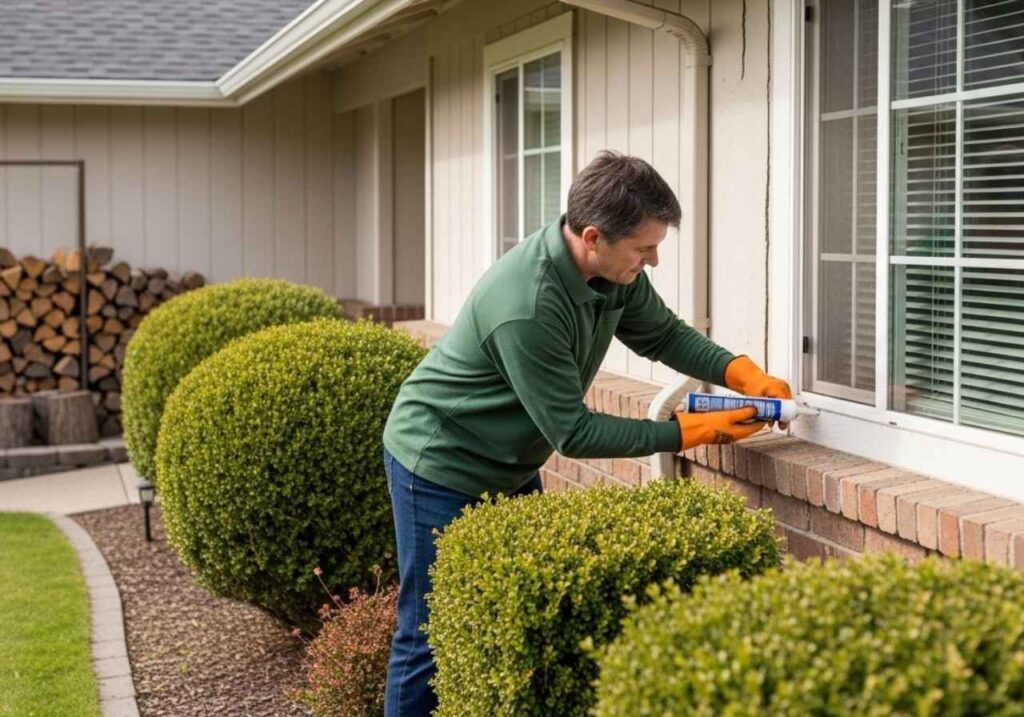
Seal Up Cracks and Gaps Around the Home
Pests are opportunistic — all they need is a small crack in your foundation, a loose weatherstrip, or a gap around utility pipes to sneak back in. Sealing up these access points is one of the most effective ways to prevent reinfestation.
What to check:
- Gaps around windows and doors
- Cracks in siding or foundation
- Dryer vents and utility entry points
- Attic and crawl space vents
At DeWebb, we often help identify these areas during your service. Sealing them isn’t just a one-time fix — it’s an important part of your ongoing pest prevention solution.
Keep Outdoor Areas Tidy and Clear of Debris
Yards full of woodpiles, leaves, or clutter create the perfect hiding spots for pests like spiders, wasps, and mice. Overgrown shrubs can also act as a bridge to your home’s siding or roof.
Easy maintenance tips:
- Keep firewood and compost bins away from the house
- Trim back vegetation touching the home
- Clear debris from gutters and around the foundation
- Remove standing water (a mosquito and ant magnet)
These outdoor habits don’t just support your pest control — they protect your home overall.
Schedule Follow-Up Visits Before Issues Return
Waiting until you see pests again can put you back at square one. Instead, staying on a seasonal or annual pest prevention schedule helps maintain a consistent barrier — and keeps infestations from getting out of hand.
That’s why many DeWebb customers opt for quarterly service plans that align with Idaho’s pest activity cycles. We help you get ahead of seasonal shifts, so your home stays pest-free year-round.
Educate Your Family on Prevention Best Practices
Even with great service and a sealed home, daily habits matter. Keeping food sealed, trash secured, and basements dry can all make a difference — especially with ants and rodents.
Get the whole household on board with easy reminders like:
- Store pet food in sealed containers
- Clean up crumbs and spills promptly
- Don’t leave doors propped open
- Report pest sightings early
It’s the little things that add up to lasting results — and we’re always happy to share annual pest prevention tips with our customers during service.
Key Takeaway: With a few proactive steps — like sealing gaps, tidying the yard, and scheduling timely follow-ups — you can make your pest control treatment last longer and work more effectively. At DeWebb Pest Control, we’re more than just a one-time visit. We’re your partner in long-term pest protection — and we’re here to help you maintain a pest-free home in every season.
How Often Should You Schedule Pest Control in Idaho?
Knowing when to schedule pest control is just as important as knowing why. Here in Southeast Idaho, seasonal changes have a big impact on pest behavior — and staying ahead of those cycles is key to keeping your home protected all year. Whether you live in a newer subdivision in Ammon or a rural property outside Rigby, the right pest control service frequency can make all the difference in avoiding infestations.
Benefits of Quarterly or Seasonal Plans
For most homeowners, quarterly pest control plans strike the perfect balance between protection and practicality. This schedule aligns with Idaho’s changing seasons and keeps barriers strong as pest pressure builds throughout the year.
Here’s why quarterly visits work so well:
- Treatments are refreshed every 90 days (before they lose effectiveness)
- You stay ahead of pest cycles like spring ants or fall spiders
- Technicians can catch early signs of trouble before they escalate
- You avoid the “reactive rush” of only treating after pests appear
At DeWebb, our local pest control maintenance plans are tailored to your home and pest history, so you’re not over-treated or under-protected.
Factors That Increase Treatment Frequency
Some homes may need more frequent attention — and that’s perfectly normal. If you live in:
- A rural area with surrounding fields or irrigation
- An older home with foundational cracks or gaps
- A property with outbuildings, crawlspaces, or a large yard
- A location with recurring infestations (like mice or wasps))
…you might benefit from bi-monthly or monthly service, especially during peak seasons.
We’ll help you decide what schedule is right for your space — without overcomplicating or overselling.
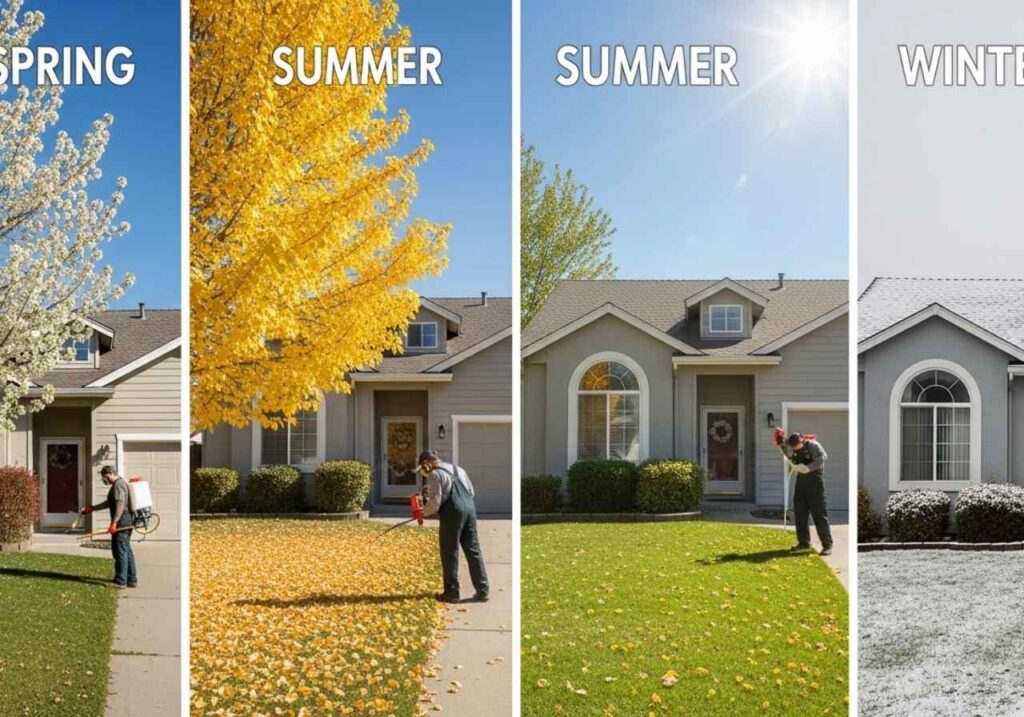
When to Start Preventive Treatments (Spring & Fall Are Key)
If you’re new to pest control or switching providers, timing your first visit is critical. In Idaho, we recommend scheduling:
- Early Spring (March–April): Great for ants, spiders, and pre-emptive wasp prevention
- Late Summer or Early Fall (August–October): Ideal for mice prevention and spider migration indoors
- Winter (as needed): Mice and vole checks, especially in rural or farm-adjacent areas
Here’s a quick seasonal snapshot:
| Season | Common Pests | Best Treatments |
| Spring | Ants, spiders, wasps | Barrier sprays, nest prevention |
| Summer | Wasps, ants, mosquitoes | Yard treatments, baiting |
| Fall | Spiders, mice, voles | Interior + exterior control |
| Winter | Mice, spiders (indoors) | Monitoring, exclusion work |
Key Takeaway: The best pest control isn’t reactive — it’s proactive, which is exactly why understanding preventive vs reactive pest control can help homeowners choose the right long-term strategy for protecting their home. With Idaho’s seasonal pest patterns, most homes benefit from quarterly service or a customized plan based on location and risk. As a trusted pest control provider in Southeast Idaho, DeWebb makes it easy to stay ahead with honest advice, local experience, and service plans built around your home and lifestyle.
Conclusion — Get the Most from Your Pest Treatment
If you’re wondering how long does pest control last, it helps to understand that pest control is most effective when it’s personalized, proactive, and backed by a provider you can trust. As we’ve covered, how long pest control treatments last depends on several factors — including the type of pest, treatment method, your home’s condition, and Idaho’s ever-changing seasons.
Here’s a quick recap:
- Spiders, ants, wasps, and mice each require different treatment timelines
- Weather, cleaning, and home maintenance all affect how long treatments remain effective
- Simple steps like sealing entry points and scheduling timely follow-ups can make a big difference
- Regular service — especially quarterly or seasonal plans — offers the best long-term protection
- With DeWebb, you get thorough service, honest pricing, and a retreat guarantee if pests return
At the end of the day, your home deserves more than a quick spray and vague promises. It deserves care, consistency, and a team that treats it like their own.
If you’re unsure how often your home needs treatment or want peace of mind year-round, we’re happy to help. Get in touch with our team for a free consultation or check out our flexible, seasonal plans — all tailored for Southeast Idaho homes.
Frequently Asked Questions
Most general pest control treatments in a typical home last between 60 to 90 days, depending on the pest type, product used, and environmental conditions. For longer-lasting results, many homeowners in Southeast Idaho opt for quarterly treatments, especially with pests like spiders, ants, and wasps that follow seasonal cycles.
It depends on your situation. Monthly treatments may be helpful for active infestations (especially ants or mice), while quarterly service is ideal for ongoing prevention and long-term protection. Homes in rural areas or older properties may need more frequent visits to stay ahead of seasonal pest activity.
Pests can return if the treatment barrier wears off early (due to rain or cleaning), if entry points aren’t sealed, or if there are hidden nests the initial visit couldn’t reach. That’s why DeWebb offers a retreat guarantee — if pests come back, so do we, at no extra cost.
You can extend the effectiveness of your treatment by:
Sealing cracks and gaps around your home
Avoiding deep cleaning in treated areas for 7–10 days
Keeping your yard clear of clutter and standing water
Following seasonal maintenance tips for Idaho homes
Regular follow-ups also help maintain a consistent barrier year-round.
If you notice pest activity between scheduled services, don’t worry — DeWebb will return for a follow-up at no additional charge. Our goal is long-term peace of mind, not just temporary relief. Your satisfaction and safety are our priority.