
How to Tell If You Have a Mouse Infestation in Idaho
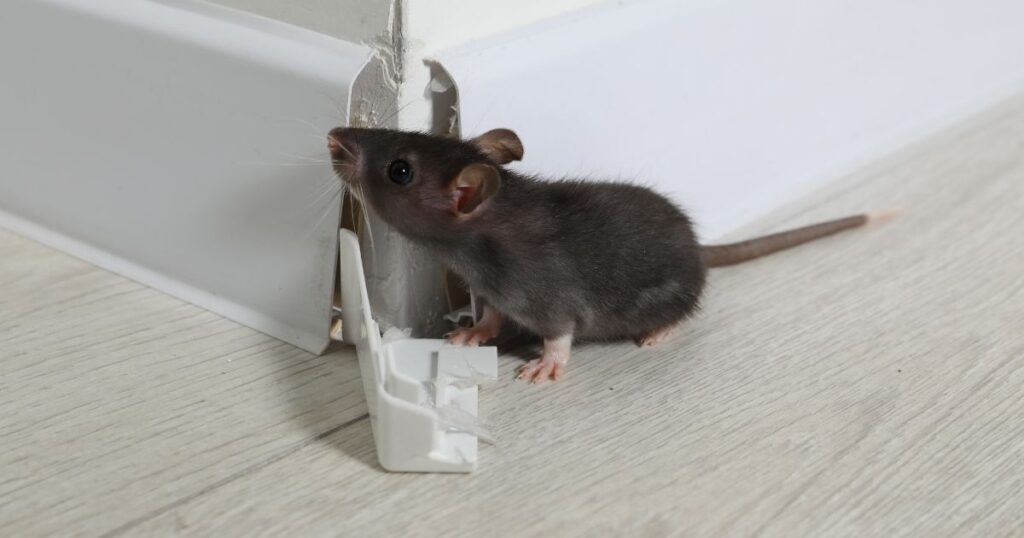
Noticing strange noises in your walls, or small droppings in the pantry? If you’re a homeowner in Southeast Idaho, these could be early signs of mouse infestation. In this guide, we’ll help you recognize the warning signs, understand what they mean for your home and family, and know when it’s time to bring in professional help.
Whether you’re dealing with scratching sounds, chewed wires, or just a hunch something’s off, this article walks you through everything you need to know to protect your home confidently and safely.
Here’s what we’ll cover:
- Why Mouse Infestations Are Common in Southeast Idaho
- How to Tell If You Have Mice in Your House
- Where Mice Hide and Enter Your Home
- What to Do If You Spot the Signs
- Conclusion: Know the Signs, Take the Right Action
First, let’s understand why mouse problems are especially common in Southeast Idaho homes.
Why Mouse Infestations Are Common in Southeast Idaho
If you live in Southeast Idaho, you’re not alone in noticing signs of mice around your home. From rural properties in Rigby to townhouses in Idaho Falls, mouse infestations are a common concern—especially as the seasons change. Understanding why these pests—especially the common house mouse—are so persistent in this region can help you take the right steps to prevent them from moving in.
Why Southeast Idaho Homes Attract Mice
Our local climate plays a big role in seasonal rodent behavior. As temperatures drop in the fall and winter, mice look for warmth, food, and shelter—three things your home offers in abundance. Cracks in the foundation, gaps under garage doors, or unsealed attic vents can all act as open invitations.
Many homes across Southeast Idaho also feature crawlspaces, attached garages, basements, or utility rooms—perfect hiding and nesting spots for mice. These areas are often dark, quiet, and lightly trafficked, giving rodents the safe environment they seek. And in rural or semi-rural areas like Ririe or Blackfoot, homes that back up to fields, canals, or wooded lots are especially vulnerable due to proximity to outdoor mouse habitats.
Even newer homes aren’t immune. We’ve seen cases where brand-new builds had rodent entry points around utility lines or beneath poorly sealed door frames. Mice only need a hole the size of a dime to squeeze through—making prevention more challenging than most homeowners expect.
Cities and Neighborhoods at Higher Risk
While mouse issues can occur anywhere, certain areas of Southeast Idaho are more prone to infestations. In places like Rexburg and Rigby, where homes often sit near open land or agricultural fields, mice tend to be more active, especially as they seek indoor refuge during colder months. Idaho Falls , Ammon, and Pocatello—where neighborhoods blend older construction with growing development—also see frequent rodent activity in garages, basements, and attics.
Whether you live in a family home in Blackfoot or a townhouse near the university in Rexburg, the risk is real. We’ve helped homeowners across the region deal with the same concerns: noises in the walls, droppings under the sink, or signs of nesting in the garage.
The Bottom Line: Mouse infestations in Southeast Idaho are common—not because your home isn’t clean or well-maintained, but because local conditions make homes attractive to rodents looking for shelter. Knowing the why behind the problem is the first step toward keeping your home protected, especially before seasonal pest activity increases.
Next, we’ll walk through the exact signs to watch for so you can catch a potential infestation early—before it becomes a bigger issue.
How to Tell If You Have Mice in Your House
Wondering, how do I know if I have a mouse problem, when you hear that odd sound in the wall or see a strange mess in the pantry? You’re not alone. Many Southeast Idaho homeowners miss the early mice infestation signs simply because they’re easy to overlook. But spotting the warning signs early can help you take action before the problem grows—and save you from bigger headaches down the line.
Here’s how to tell if you might have some uninvited guests.
What You’ll See
- Mouse Droppings
This is often the first red flag. Mouse droppings are small, dark pellets—typically around ¼ inch in length—and often have tapered ends. You might find them along baseboards, behind appliances, or most commonly, in places like the pantry or under the sink where food or water is accessible. If you’re comparing mouse droppings vs. other pests, keep in mind that mouse droppings are more pointed at the ends and smaller than those from rats. - Gnawed Wires or Furniture
Mice have strong front teeth that never stop growing, so they’re constantly chewing to keep them in check. If you notice chewed electrical cords, holes in boxes, or gnaw marks on furniture or cabinets, you should also understand rats chewing wires and fire risk and take action immediately. - Nesting Materials
Look behind or under appliances, inside cabinets, or in corners of garages and basements. Mice use shredded paper, insulation, or fabric to build nests—often in tucked-away areas that feel warm and safe. These nests may look like loosely formed balls of soft materials.
What You’ll Hear
Scratching Noises in Walls
If you hear faint scratching, scurrying, or tapping inside your walls—especially at night—this could be a clear sign mice are active in your home. These sounds are usually heard in quiet parts of the house like bedrooms or basements and may come from inside walls, ceilings, or under the floorboards.
Nighttime is when mice are most active, which is why many homeowners first notice these sounds while trying to fall asleep. If you’re hearing something in the walls, it’s worth taking a closer look.
What You’ll Smell or Notice
Unusual Odors or Pet Behavior
Mice leave behind a distinct musky smell that gets stronger as the infestation grows. This odor often lingers in enclosed areas like closets, pantries, or cabinets. Additionally, if your pets seem fixated on certain spots—sniffing around the stove, barking at a wall, or pawing under the fridge—they might be detecting something you haven’t seen yet.
Even without visible signs, your pet’s behavior can be one of the earliest alerts that something isn’t right.
Quick Recap: If you’re seeing droppings, hearing scratching noises in walls, or noticing an unusual odor in the house, those could all be signs of a mouse infestation in your Idaho home. Early detection is key—not just for your comfort, but to prevent potential health risks or property damage.
Next, let’s explore where these mice are likely hiding and how they’re getting inside in the first place.
Where Mice Hide and Enter Your Home
Once mice make their way into your home, they don’t waste any time finding a cozy, hidden place to settle in. Understanding where they’re getting in—and where they like to nest—can help you spot problems faster and prevent future infestations. Most entry points and nesting areas go unnoticed by homeowners until the signs become too big to ignore.
Let’s take a closer look at the most common places mice use to slip inside and hide out.
Common Entry Points
- Foundation Cracks and Gaps
In Southeast Idaho homes, especially those with basements or older foundations, mice often enter through small cracks or gaps at ground level. Even a hole the size of a dime is enough for a mouse to squeeze through. Check along the foundation line, utility openings, and exterior vents—especially where pipes or wires enter the home. - Garage Doors and Weather Stripping
Garages are a prime entry point. If your garage door doesn’t seal tightly or the weather stripping is worn, mice can slip in easily. Once inside, they can quickly find access to the main home through laundry rooms, HVAC lines, or wall voids. - Attic Vents and Roof Openings
Attic vents, soffits, and gaps under eaves are often overlooked but offer easy access to mice—particularly during fall and winter when they’re seeking warmth. In areas like Rigby or Idaho Falls where attics are common, these spots are frequent entry points for rodents.
Hidden Nesting Spots
- Attics and Crawlspaces
These spaces are warm, quiet, and rarely disturbed—ideal conditions for mice to nest and multiply. In Southeast Idaho, where many homes have vented crawlspaces or large attic areas, infestations can go undetected for months unless you’re regularly checking. These are common problem areas addressed during home pest protection services. - Under Cabinets and Appliances
Inside the home, mice prefer tight, dark spaces where they feel secure. The areas under your kitchen sink, behind the fridge, or near hot water heaters are common hiding places. These spots often have access to food and water, which makes them even more appealing. - Behind Drywall or Inside Wall Voids
One of the trickiest places to detect mice is inside the walls. If you’re hearing scratching noises but can’t find the source, chances are they’ve created a nest inside the wall cavity. These hidden nests often remain active unless addressed through a thorough inspection and professional pest treatments.
Tip: Want to do a quick check on your own? Download our Mouse Entry & Nesting Checklist to walk through the most common problem areas room-by-room.
Key Takeaway: Mice are experts at staying out of sight, but knowing their favorite entry points and hiding spots gives you the upper hand. From garage doors to crawlspaces, taking a proactive look around your home can make all the difference in stopping an infestation before it takes hold.
Next, we’ll explain what to do if you find these signs—and how to safely move forward with a solution that protects your home and your family.
What to Do If You Spot the Signs
Discovering signs of a mouse infestation in your home can feel overwhelming—but don’t panic. The good news is, with the right steps, you can address the issue quickly and effectively. Whether you’re just starting to see a few mouse droppings or hearing scratching noises in the walls, here’s how to move forward with confidence.
Check Your Home Thoroughly
Start with a DIY Inspection
Grab a flashlight and take a walk around your home. Look in quiet, undisturbed areas like behind the fridge, under sinks, inside pantry corners, garages, basements, and crawlspaces. Check for droppings, gnawed materials, food packaging with holes, and signs of nesting materials like shredded paper or fabric.
Pay close attention to baseboards, corners, and entry points like doors and vents. If you hear scratching noises in walls, inspect the area directly around where the sound seems to originate—often mice hide in wall voids or ceiling spaces.
Consider a Professional Inspection
If you’re unsure or the signs are spreading, it’s time for a thorough home inspection. A professional rodent specialist—like our team at DeWebb Pest Control—knows where to look, how to trace mouse trails, and can identify vulnerabilities you might miss. We take the time to check attics, crawlspaces, foundation lines, and all the small spaces mice love to hide.
Know When It’s Time to Call a Professional
- When the Problem Goes Beyond DIY
Sometimes, store-bought traps and quick fixes don’t cut it—especially if mice keep coming back. If you’re seeing new droppings after you’ve already taken action, or noticing damage like chewed wires or insulation, it may be time to adopt integrated pest management for mice from a trusted source — or bring in expert help. Mice can pose health risks through contamination and can cause structural damage by chewing through wood and wiring. - Choose a Safe, Family-Friendly Solution
At DeWebb, we use safe rodent treatments for pets and pest-safe methods for kids. Our approach is built around protecting your home without putting your family—or your peace of mind—at risk. Plus, we offer home sealing and prevention solutions to keep mice from returning in the first place.
Why Acting Early Matters
- Stop Small Problems from Becoming Big Ones
The earlier you act, the easier it is to resolve the problem. Mice breed quickly, and what starts as a small issue can become a full infestation in just a few weeks. Early action prevents larger repairs and helps you avoid recurring pest problems. - Protect Your Home and Health
Left unchecked, mice can damage insulation, wiring, and even the structural parts of your home. In addition, their droppings can contaminate food and surfaces—especially concerning in kitchens and storage areas. Acting quickly not only protects your property but helps maintain a clean, safe space for your family.
Key Takeaway: If you’ve spotted the signs, don’t wait. A quick home check and a call to a local expert can make all the difference. Up next, we’ll wrap things up with a recap and show you how DeWebb can help keep your Southeast Idaho home mouse-free—now and long-term.
Conclusion: Know the Signs, Take the Right Action
Mouse problems and other rodents in Idaho are more common than many homeowners realize—but knowing what to look for gives you the power to act early and protect your home. From spotting mouse droppings in the pantry and hearing scratching noises in the walls to discovering nests behind appliances or in crawlspaces, these are all warning signs that shouldn’t be ignored.
By checking your home thoroughly and understanding where mice hide and how they get in, you’re already ahead of the game. And when you catch the problem early, it’s much easier—and more affordable—to resolve. Whether you’re in Idaho Falls, Rigby, Rexburg, or anywhere in between, peace of mind starts with a solid plan and a trusted local team.
At DeWebb Pest Control, we take the time to do things right. Our treatments are safe for kids and pets, and we specialize in thorough, family-friendly solutions designed specifically for Southeast Idaho homes. If you’ve seen the signs or just want a second opinion, we’re here to help.
Contact DeWebb for a free mouse inspection in Southeast Idaho—and let’s make sure your home stays safe, comfortable, and rodent-free for good.
Frequently Asked Questions
If you’re wondering how do you know if you have a mouse infestation, you might have mice if you’re noticing small droppings (especially in pantries or under sinks), hearing scratching noises in the walls at night, or finding gnaw marks on food packaging or wires. Mice are common in Southeast Idaho—especially in colder months when they seek shelter indoors. If you’re unsure, a professional inspection can quickly confirm activity and catch issues early.
Early signs include:
Mouse droppings in the pantry or near food sources
Scratching or scurrying sounds in walls or ceilings
Chewed wires, insulation, or boxes
A musky odor in enclosed spaces
Pets acting unusually in certain areas of the home
Catching these signs early helps prevent long-term damage or a larger infestation.
Yes, mice in walls can pose both health and safety risks. They can chew through electrical wiring, which increases the risk of fire, and they leave behind droppings and urine that may carry bacteria or allergens. The longer they remain hidden, the more damage they can cause—both structurally and hygienically.
The cost can vary based on the severity of the infestation and the size of your home, but many Southeast Idaho homeowners find solutions starting around $39/month with providers like DeWebb Pest Control. We offer affordable service plans, no hidden fees, and free return visits between treatments if needed. For the most accurate estimate, a free home inspection is recommended.
Absolutely. At DeWebb Pest Control, we use treatments that are specifically chosen to be pet-safe and kid-friendly while still being highly effective against mice. Your family’s safety is our top priority, and we take every precaution to ensure a safe environment during and after service.