
What Attracts Mice Into Garages and Sheds in Idaho
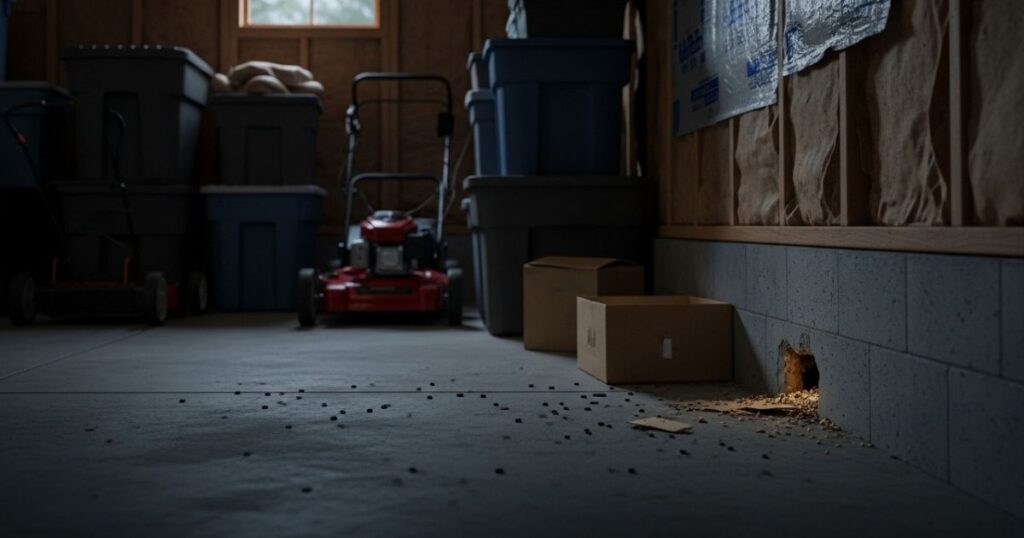
If you’ve noticed signs of mice in your garage or shed, you’re not alone — it’s a common issue for homeowners across Southeast Idaho. From rural outbuildings to suburban garages, these quiet spaces often provide the perfect shelter for rodents. In this guide, we’ll explore what draws mice into these areas, how to spot the early signs of an infestation, and what you can do to protect your home and family.
Whether you’re dealing with a current mouse problem or want to prevent one, you’ll find practical, locally-relevant tips tailored for Idaho’s unique environment. Here’s what we’ll cover:
- Why You’re Finding Mice in Your Garage or Shed
- Common Signs of Mice Activity in Outbuildings
- How to Keep Mice Out of Garages and Sheds
- Conclusion — Protect Your Garage, Shed, and Home Year-Round
Let’s start by looking at why garages and sheds in Idaho are so attractive to mice.
Why You’re Finding Mice in Your Garage or Shed
If you’ve ever wondered, “Why do I keep finding mice in my garage every fall?”—you’re definitely not alone. Here in Southeast Idaho, the shift into colder months often triggers a spike in rodent activity, a pattern consistent with seasonal rodent behavior described by university extension services. As temperatures drop, mice instinctively search for warmth, shelter, and food—making your garage or shed an ideal hideout and highlighting the garage mouse behavior causes that drive seasonal infestations. Whether you live in Rexburg, Idaho Falls, or out on rural acreage near Rigby or Ririe, this is a seasonal pattern many local homeowners face.
How Mice Find Their Way In
Mice don’t need much to make their way inside. A gap the size of a dime is enough for them to squeeze through, as university extension wildlife experts note that mice can enter openings as small as ¼ inch. Detached garages, older sheds, and even newer outbuildings can develop small cracks, warped door seals, or unprotected vents over time—all of which act like open invitations for rodents.
Common entry points include:
- Gaps under garage doors
- Cracks in concrete foundations
- Spaces around pipes or utility lines
- Broken or missing weather stripping
- Vents without mesh covers
If your shed was built years ago or your garage isn’t fully sealed, these small access points can quickly turn into a major mouse problem. That’s why knowing how mice enter garages and sheds is the first step toward stopping them.
Tip: A quick walkaround with a flashlight—especially at dusk—can help you spot these trouble spots before mice do.
Why Garages and Sheds Are Ideal for Mice
Garages and sheds provide everything a mouse could want: shelter from the weather, a quiet space with little foot traffic, and plenty of nesting materials. Add in a few forgotten birdseed bags, pet food containers, or cardboard boxes, and you’ve got a rodent resort.
These areas are especially attractive because:
- They tend to stay warmer than outside, especially in winter
- Cluttered corners and storage bins offer safe nesting spots
- Sheds often store materials like grass seed, rags, or insulation—perfect for building nests
- Attics and crawl spaces connected to garages offer easy expansion for mice once inside
In rural areas or on larger properties, rodent-proofing garages and sheds becomes even more important. Fields and brushy zones surrounding homes provide natural habitats for mice, and once they find a nearby outbuilding, they’re likely to stay—and multiply.
Key takeaway: Mice are drawn to Southeast Idaho garages and sheds by seasonal changes, easy access points, and cozy, undisturbed conditions. Understanding how they get in—and why they stay—makes it easier to protect your property and stop infestations before they start.
Common Signs of Mice Activity in Outbuildings
When it comes to protecting your garage or shed, early detection is key. The sooner you spot the signs of mice activity in outbuildings, the easier it is to prevent a full-blown infestation. Mice are quiet, fast, and good at hiding—but they do leave behind clues. Knowing what to look for can help you act before the damage sets in.
Here are the most common signs to watch for:
- Droppings – Small, dark pellets about the size of a grain of rice. You’ll often find them along walls, behind stored items, or near food sources like pet food bags or bird seed.
- Scratching or rustling sounds – Especially at night, mice are active and may be heard scurrying behind walls, above ceilings, or under storage bins.
- Chewed materials – Mice gnaw constantly to keep their teeth from overgrowing. Look for bite marks on cardboard, wiring, insulation, or even plastic storage containers.
- Nests – Found in hidden corners, inside drawers, or among clutter. Mice build nests using shredded fabric, paper, insulation, or plant material.
- Ammonia-like odor – A strong, musty smell can indicate mouse urine, especially in areas where mice have been nesting or traveling frequently.
If you’ve ever wondered, “Can mice cause damage to stored tools or insulation?”—the answer is yes, and often more than you think. That brings us to the kind of damage they can cause once they settle in.
Damage Mice Can Cause
While mice might seem like a small nuisance, the damage they leave behind can be serious—and costly. Left unchecked, they can chew through materials, contaminate stored items, and even create safety hazards in garages and sheds.
Common types of damage include:
- Chewed wires and cables – Mice are notorious for gnawing through vehicle wiring, extension cords, and power tool cables. This not only ruins your equipment but also increases the risk of electrical fires, as fire safety authorities warn that rodent-damaged wiring is a documented ignition hazard.
- Insulation destruction – They’ll shred insulation to build nests, reducing your garage or shed’s ability to retain heat and potentially inviting other pests to take over.
- Contaminated storage – Items like holiday decorations, sleeping bags, or stored clothing can become ruined by nesting activity, droppings, and urine.
- Vehicle issues – Mice often crawl up into RVs, lawnmowers, and even cars stored in garages over the winter, leading to chewed engine components and hidden nests under hoods.
In fact, many Southeast Idaho homeowners only realize they’ve had a mouse problem after discovering a dead vehicle battery or damaged wiring in the spring. Unfortunately, rodent damage to vehicles and storage isn’t always covered by insurance, as state insurance regulators explain that coverage depends on your specific comprehensive policy.
Key takeaway: If you notice droppings, strange smells, or damaged items in your shed or garage, don’t brush it off. These small signs can signal a much bigger problem on the horizon. The earlier you act, the easier (and less expensive) it is to resolve.
How to Keep Mice Out of Garages and Sheds
The best way to deal with mice is to stop them before they settle in. Whether you’re already seeing signs or just want to stay ahead of the problem, there are simple steps you can take right now to protect your garage or shed. These mouse prevention for outbuildings strategies are practical, safe, and tailored to Idaho homes and seasons.
Seal and Secure Entry Points
Start by checking the structure of your garage or shed for any small gaps or cracks. Remember, mice can squeeze through openings as small as ¼ inch—about the size of a pencil.
Here’s what you can do today:
- Install or replace weather stripping around garage doors and entry doors.
- Use steel wool and caulk to seal cracks around utility lines, vents, and foundation gaps.
- Add door sweeps to keep gaps at the bottom of doors sealed tight.
- Insulate where needed—garage insulation and pest prevention go hand in hand by eliminating cozy nesting areas.
Doing a quick garage pest inspection (Idaho-style) each season—especially before fall—can save you time, money, and frustration in the long run.
Eliminate Attractants
Mice follow their noses. If they smell food, nesting materials, or moisture, they’ll stick around. Take a few minutes to walk through your shed or garage and ask: “What would attract a mouse here?”
Key prevention tips:
- Store pet food, birdseed, or grass seed in sealed, rodent-proof containers.
- Keep cardboard, old rags, and paper clutter to a minimum—they make perfect nest materials.
- Avoid leaving food wrappers, snack crumbs, or garbage in corners or bins.
- Fix leaks or damp spots—mice need a water source, too.
Concerned about using traps or repellents with kids or pets around? There are plenty of safe pest control options for homes with kids and pets, including enclosed bait stations and eco-friendly deterrents. If you’ve ever asked, “What’s the safest way to remove mice if I have pets?”—you’re not alone, and the answer lies in careful planning and choosing the right tools.
Consider Professional Rodent Prevention
Sometimes, despite your best efforts, mice still find their way in. If you’re seeing repeat signs, hearing activity at night, or finding fresh droppings even after setting traps, it may be time to bring in a professional.
When DIY isn’t cutting it, a local exterminator for rodents can help you identify entry points, assess damage, and create a long-term prevention plan tailored to your property. This is especially helpful for Idaho pest services for rural homes, where surrounding fields or outbuildings make complete rodent control more complex.
You might be thinking: “I’ve tried everything — I need a local pro I can trust.” If that’s the case, we’re here to help. At DeWebb Pest Control, we don’t just treat the symptoms — we help homeowners get lasting peace of mind.
Key takeaway: With a few simple steps—sealing gaps, removing attractants, and calling in help when needed—you can dramatically reduce your risk of a mouse problem. Prevention is not only easier than cleanup, it’s also safer for your home, family, and pets.
Conclusion — Protect Your Garage, Shed, and Home Year-Round
Mice are more than just a nuisance—they can quietly damage your belongings, create health concerns, and return year after year if not properly dealt with. As we’ve covered, garages and sheds across Southeast Idaho are especially vulnerable during seasonal shifts, offering warmth, food, and shelter to unwanted rodents.
The good news? You’re not powerless. By understanding why mice are drawn in, recognizing the early signs of activity, and taking steps to seal entry points and remove attractants, you can greatly reduce the chances of an infestation. And when the problem becomes too persistent or complex to handle on your own, there’s no shame in asking for help.
At DeWebb Pest Control, we’re proud to serve our local communities in Rigby, Idaho Falls, Pocatello, and beyond. with safe, effective, and honest pest control. Our team takes the time to do things right—no rushed jobs, no hidden fees, just thorough service you can trust.
If you’re dealing with mice in your shed or garage, contact us today—we’re here to help Southeast Idaho families stay pest-free year-round.
Frequently Asked Questions
Mice are highly active in the fall as they look for warm, sheltered places to spend the winter. In Southeast Idaho, seasonal pest behavior is common as temperatures drop. Garages offer an ideal mix of warmth, protection from predators, and access to food or nesting materials—especially if there are small gaps, cluttered corners, or stored pet food.
Look for small droppings (like dark grains of rice), shredded nesting materials, or gnaw marks on boxes and wiring. You might also hear scratching or scurrying sounds, particularly at night. If you detect a strong, musty odor or notice unusual damage to stored items, these are all signs of mice activity in outbuildings.
Detached structures like sheds and rural garages often go unnoticed for weeks at a time, giving mice the perfect quiet place to nest. They’re attracted by warmth, clutter, insulation, and easy food sources like birdseed, grass seed, or even garbage. Outbuildings close to fields or brush also make it easier for mice to approach without being seen.
Start by sealing any cracks or gaps around the foundation, doors, and vents using steel wool, caulk, and weather stripping. Store food and nesting materials in airtight containers, reduce clutter, and keep the space clean and dry. A seasonal garage pest inspection can also catch vulnerabilities early and help with long-term mouse prevention for outbuildings.
Yes—when done properly. At DeWebb Pest Control, we use eco-friendly rodent control solutions and techniques that are safe for families, including enclosed bait stations and targeted treatments. If you have pets or small children, let your technician know so they can customize the service for maximum safety and peace of mind.