How Long Do Wasp Colonies Live in Idaho?
If you’ve noticed wasp activity around your home and are wondering how long it will last, you’re not alone. Understanding the wasp colony lifespan and the behavior of wasps in Idaho can help you decide when to act — and whether it’s time to call in professional help. In this guide, we’ll walk you through what to expect during wasp season in Southeast Idaho, how colony behavior changes throughout the year, and when it’s safest to remove a nest.
Here’s what we’ll cover:
- Understanding the Wasp Colony Lifecycle
- How Long Do Wasp Colonies Last in Southeast Idaho?
- When Should You Remove a Wasp Nest?
- Conclusion — Stay Ahead of Wasps with Local Knowledge
Let’s start by looking at how wasp colonies form and behave through the changing Idaho seasons.
Understanding the Wasp Colony Lifecycle
Wasp colonies may be small in size, but they operate like highly organized communities — and knowing how they work can help you manage them more effectively around your home. If you’re noticing nests near your eaves or under the roofline, it helps to understand how these colonies form, grow, and eventually die off in Southeast Idaho’s seasonal climate.
What Is a Wasp Colony?
A typical wasp colony starts with a single queen. After overwintering in a sheltered spot — like under siding, in wall voids, or near attic vents — the queen emerges in spring and begins building a new nest. She lays the first eggs and raises the initial batch of worker wasps on her own. These workers then take over daily responsibilities like foraging, expanding the nest, and defending the colony.
Here’s how roles are generally divided:
- The queen focuses on laying eggs and producing more wasps.
- According to the University of Maryland Extension, worker wasps handle the labor — including hunting insects, building the nest, and protecting the hive.
- Males (drones) appear later in the season and are responsible for mating.
This cycle — known as the queen wasp lifecycle — is highly dependent on temperature and seasonal cues, which is why timing matters so much when dealing with wasps in Idaho.
Seasonal Wasp Activity in Idaho
Southeast Idaho’s weather plays a big role in how quickly wasp colonies grow. In the early spring, activity is low as the queen starts her work. But by late May or early June — during the peak wasp season in Idaho — colonies expand rapidly. Warmer weather, longer days, and increased insect activity give wasps everything they need to thrive.
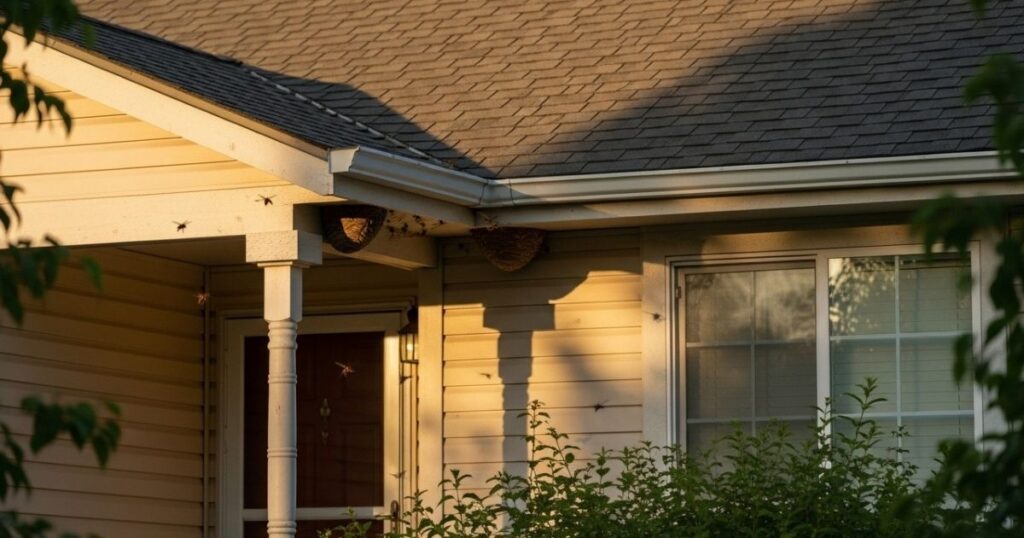
As insect activity during Idaho summers ramps up, so does wasp foraging. This is when you’re most likely to notice nests appearing under rooflines, inside sheds, or tucked into wall gaps. Homes in rural or wooded areas may see higher activity due to the availability of food and nesting spots.
When Do Wasps Die Off in Idaho?
If you’re wondering when do wasps die off in Idaho, the answer is: usually by late fall. As temperatures drop in October and November, wasp colonies begin to break down. Workers and males die off, and only a few fertilized queens survive — seeking a warm place to hibernate until the next spring.
This phase is known as nest abandonment behavior, and it’s a natural part of the lifecycle. However, just because a nest is abandoned doesn’t mean your wasp problem is over. Those returning queens may establish new colonies the following year — sometimes in the exact same location.
Key Takeaway: Wasp colonies in Idaho follow a seasonal rhythm — forming in early spring, peaking in summer, and dying off in late fall. By understanding this lifecycle, you can better anticipate when to watch for nests, when they’re most active, and when removal is most effective.
How Long Do Wasp Colonies Last in Southeast Idaho?
If you’re seeing an active wasp nest around your home, you might be asking how long can wasps live in a house — especially if the nest is hidden or hard to access. In Southeast Idaho, the lifespan of a wasp colony is shaped by both biology and the seasons. While wasps are a summertime concern, the colony itself doesn’t last all year — though some signs may linger if not handled properly.
Typical Wasp Nest Lifespan
In Idaho’s climate, a typical wasp colony lives for 3 to 4 months. Most nests begin forming in the early spring when the queen emerges from hibernation and start growing rapidly through June, July, and August. By late summer, colonies are at their largest — often housing hundreds or even thousands of wasps depending on the species.
Some homeowners ask about the difference between hornets and other wasps. Generally speaking, hornet colonies follow a similar seasonal pattern, but their nests are often larger and more aggressively defended. So while their lifespans are about the same, the impact they can have on your property — and your peace of mind — can be more intense.
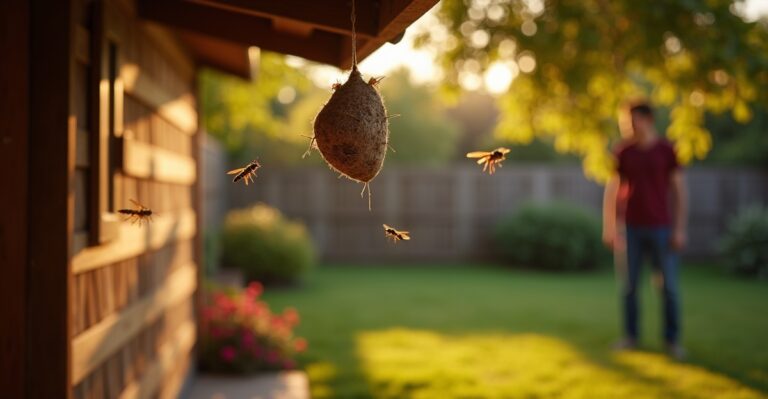
Whether it’s a small paper wasp nest tucked under your eaves or a large hornet nest near your shed, most colonies in Idaho don’t last past the first hard frost.
Do Wasp Nests Last Through Winter?
No — and that’s good news. Once the weather cools in the fall, wasp nests are abandoned. The queen stops laying eggs, the workers die off, and only a few fertilized queens survive by finding safe places to overwinter, like under roof shingles, inside attic vents, or even behind siding.
This is called nest abandonment behavior, and it’s part of the natural wasp lifecycle. However, just because a nest dies off doesn’t mean the problem disappears for good. If a queen finds your home suitable for nesting, she may return to build a new colony the next spring — often in the exact same area.
Can Nests Reappear in the Same Spot?
Yes, and that’s a common issue we see across Southeast Idaho, especially in areas like Rigby, Idaho Falls, and Pocatello. We’ve handled more than one case of a recurring nest under the same roofline or eave, especially in detached structures like garages, barns, or sheds.
Why does this happen? Wasps are opportunists. Roofing gaps, vent openings, and structural cracks all create ideal shelter and access. These hidden entry points are especially common in older homes or outbuildings on rural properties, where sealing and maintenance can be more difficult.
If you’ve noticed a wasp nest in the same spot each year, chances are a fertilized queen has found a reliable nesting site — and she’s coming back. This makes prevention and proper nest removal essential to breaking the cycle.
Key Takeaway: In Southeast Idaho, wasp colonies are seasonal — typically lasting a few months from spring to fall. While nests die off in winter, unaddressed nesting sites can attract new colonies year after year. Taking proactive steps now can help protect your home and prevent repeat infestations.
When Should You Remove a Wasp Nest?
Timing matters when it comes to wasp removal. Whether you’ve just spotted a nest forming or you’re debating whether it’s still active, knowing when — and why — to take action can save you from a bigger issue down the line. In Southeast Idaho, where seasonal shifts strongly influence pest activity, the right removal window can make all the difference in keeping your home and family safe.
Best Time of Year for Removal in Idaho
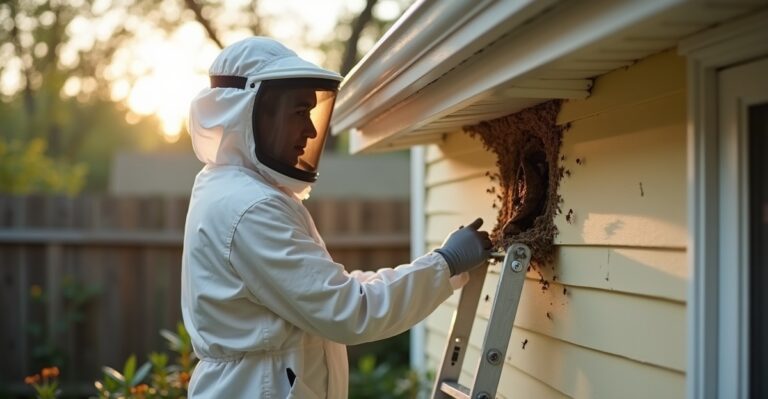
The best time to remove wasp nests in Idaho is during the early morning or late evening hours of late spring through early summer — typically May through July. At this stage, colonies are smaller and less aggressive, making it safer and more effective to treat.
Why this window matters:
- Early season = smaller nests and fewer wasps.
- Wasps are less active in cooler morning/evening temperatures.
- Removing a nest before the colony peaks can prevent hundreds of new wasps from emerging.
The wasp season start and end in Idaho generally runs from April to October, with the peak activity occurring in July and August. Once we move into late fall and temperatures drop, most nests become inactive — but don’t assume the danger is gone. Leftover nests can attract future queens or hide live wasps waiting out a warm day.
How to Tell if a Nest Is Still Active
Wondering, “How do I know if a wasp nest is still active?” You’re not alone — and it’s an important question. Here are a few signs of an active colony:
- Consistent wasp traffic to and from the nest entrance
- Wasps seen hovering or guarding the area
- Audible buzzing or humming sounds from inside walls, attics, or eaves
- Fresh nest material being added — paper-like layers growing larger over time
Most active nests are found in high-traffic outdoor spots, like under roof eaves, in attic corners, or tucked behind shutters and vent covers. If you’re unsure, it’s best not to disturb the nest — a professional inspection can safely confirm activity without risk to your family or pets.
What Happens If You Wait Too Long?
If you delay removal, the colony has time to grow — and that can lead to a more expensive and challenging issue. Larger nests can:
- Spread deeper into wall voids, attics, or siding
- Produce hundreds of new wasps, increasing the risk of stings
- Attract more returning queens in future seasons
And if the nest is near your roofline, under solar panels, or close to HVAC units, the risk of structural or equipment interference increases. In some cases, contractor coordination for solar detach/reset or roof inspection after wasp infestation may be needed — all things that can be prevented with early action.
The University of California’s Integrated Pest Management program recommends eco-friendly wasp control methods, including options safe for children and pets-that make nest removal both effective and low-risk.
Key Takeaway: The safest and most effective time to remove a wasp nest in Southeast Idaho is early in the season, before the colony matures. Recognizing an active nest and acting early helps protect your home, your family, and your wallet — and reduces the chance of the wasps coming back next year.
Conclusion — Stay Ahead of Wasps with Local Knowledge
Wasp colonies in Southeast Idaho may only last a few months, but they can cause plenty of disruption while they’re active. From early spring through late fall, nests can grow rapidly — especially around rooflines, attics, and sheds. Understanding the wasp colony lifespan in Idaho, when colonies are most active, and how to identify an active nest gives you the upper hand in protecting your home and family.
The key to staying ahead? Timing. Early detection and removal not only make the process safer and easier, but also help prevent repeat infestations in the same spot next season.
If you’re unsure whether a nest is active or when to take action, our team at DeWebb Pest Control is here to help — always thorough, always local. We understand Southeast Idaho’s climate and nesting patterns, and we’re committed to keeping your home safe with honest, dependable service you can trust.
Frequently Asked Questions
In Southeast Idaho, wasp colonies typically last 3 to 4 months, beginning in early spring and dying off by late fall. The exact timing can vary based on weather, but most nests form between April and June and reach their peak size during the warmest months — July and August.
The ideal time for removal is late spring through early summer — usually May to July — before the colony grows too large. Early removal is safer, easier, and helps prevent the colony from producing more wasps.
Yes. While the nests themselves are abandoned and won’t be reused, fertilized queens often return to the same areas to start new colonies — especially if the site offers shelter, warmth, or easy access. That’s why sealing gaps and regular inspections are key to long-term prevention.
Only the fertilized queen survives winter by finding a protected place to hibernate. The rest of the colony — including workers and drones — dies off once the temperatures drop in fall. This natural decline is part of the typical nest abandonment behavior.
Look for signs like:
Wasps flying in and out regularly
Buzzing sounds near the nest
Freshly added nest material
If none of these are present, the nest may be inactive — but it’s safest to let a professional confirm before attempting removal.