How to Identify Dangerous Spiders in Idaho Homes
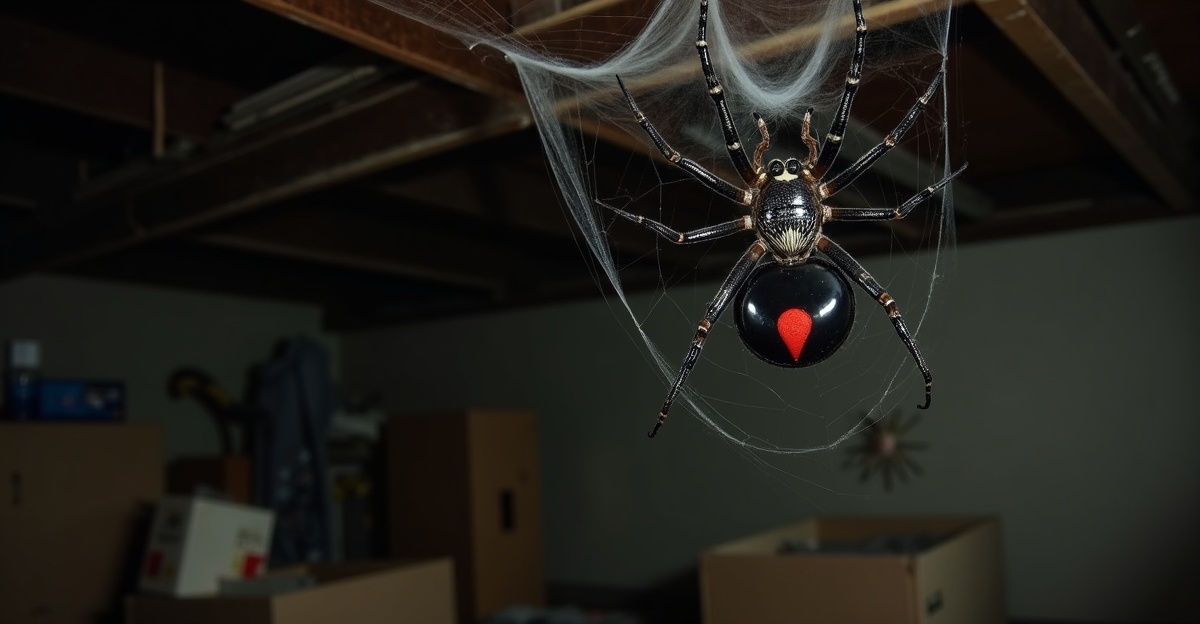
Spiders show up often in Idaho homes, but knowing which ones can cause harm helps keep indoor spaces safer. While most pose no risk, a few species—like black widows and hobo spiders—are known for their bites and tend to stay hidden in quiet corners.
Key Takeaways
- Black widows, hobo spiders, and yellow sac spiders raise the most concern in Idaho homes because their bites may lead to serious symptoms.
- These spiders prefer quiet, untouched spots such as basements, crawlspaces, and packed storage areas, especially as seasons change.
- Identifying traits like black widows’ red hourglass or the violin-like shape on recluses help us assess the threat.
- Taking action by sealing cracks, clearing clutter indoors and out, and cleaning regularly cuts down on spider presence.
- If we find venomous spiders or begin to see more of them, we should call a pest control expert to identify them quickly and remove them safely.
How to Identify Dangerous Spiders in Idaho Homes
Spotting a spider indoors doesn’t always call for concern—but a few species in Idaho can pose health risks. Understanding which are harmless and which to take seriously helps us keep our homes safer and our families at ease.
Common Risky Spiders in Idaho We Should Know
We don’t need to be entomologists to recognize trouble when it crawls across the floor. Here’s a quick list of spiders that may require a stronger reaction than a shoe or a paper towel:
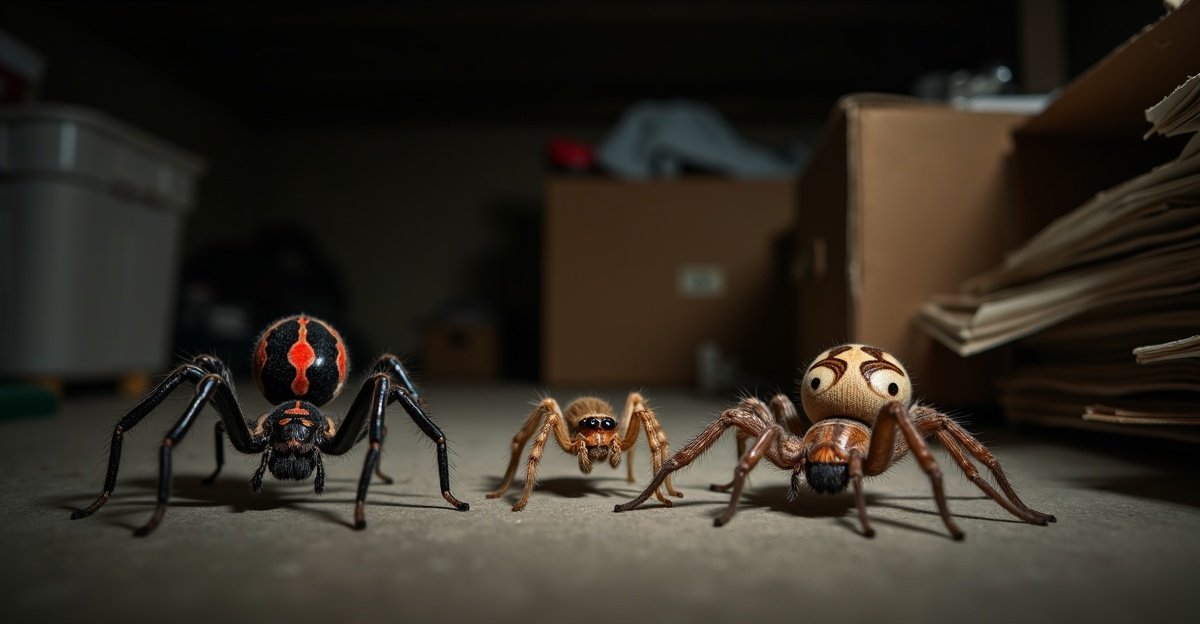
- Black Widow: Glossy black body with a red hourglass shape on its abdomen. Found in dark, undisturbed areas like crawl spaces or garage corners. Their bites can cause muscle cramps, nausea, and in rare cases, severe reactions—especially in children and older adults, according to the CDC’s guidance on black widow spider symptoms.
- Hobo Spider: Brownish with a slightly hairy body and chevron markings on the abdomen. Often confused with house spiders. Typically not aggressive, but bites can cause localized pain and redness. Research from University of Idaho Extension entomology experts shows they’re less dangerous than once believed, but it’s still smart to proceed with caution.
- Brown Recluse (extremely rare in Idaho): Identified by the violin-shaped mark on its back. It has six eyes instead of eight. Their bites may lead to skin damage or infection. While sightings are largely unconfirmed in Idaho, as noted by regional university extension reports on brown recluse distribution, travelers can unknowingly bring them home.
Idaho also hosts many spiders that might look scary but don’t pose a threat. Common house spiders, cellar spiders, and harmless orb-weavers may be frequent visitors but are actually part of nature’s pest control team.
If you’re uncertain whether the spider you’ve spotted is a concern, keeping our contact information handy and using clear photos of the arachnid can help us provide a quick assessment.
You can also learn more about prevention tips in our post on how to keep spiders out of your Idaho basement.
Where Dangerous Spiders Tend to Hide
Understanding where these pests like to set up camp helps us stay one step ahead. They prefer spots that are:
- Dark and undisturbed—such as storage boxes, basements, and crawlspaces.
- Cluttered, especially with cardboard or paper that mimics natural debris.
- Near heat sources or inside wall voids during colder months.
We always recommend that homeowners keep those areas well-lit and decluttered. Sealing cracks around baseboards and window edges can also limit entry points. If you’ve already taken those steps and are still seeing activity, it might be time to consider residential spider control.
What to Do if You Spot One
Finding a potentially harmful spider doesn’t mean panic—it just means we act with caution. Here’s how we’d handle it:
- Catch or photograph it if safe to do so. Don’t handle it with bare hands.
- Note where it was spotted—this tells a lot about possible infestation risks.
- Check family members and pets for bites, especially if symptoms like redness, swelling, or dizziness occur.
- Avoid disturbing where it was found until we’ve checked it out.
Bites from black widows or suspected brown recluses should always be seen by a healthcare professional. You can also give us a call if you’re not sure what you’re dealing with.
Year-Round Monitoring and Peace of Mind
Spiders don’t follow calendars, but we’ve learned from experience that the most activity happens as seasons shift. Autumn tends to push outdoor spiders inside in search of warmth, a seasonal pattern documented by university extension pest specialists. If we’re unsure about the ideal timing for help, this guide on the best time for pest control in Southeast Idaho can help.
Some homes—especially those near fields or wooded lots—may benefit from regular spider monitoring. We offer plans with scheduled inspections and preventive treatments. More insight into how that works is available in our blog on why pest control plans are worth it for homeowners.
To learn more about inspection and protection services near you, check out our Idaho Falls pest control services, or look at our other service areas across southeast Idaho.
We’re always ready to help you feel safe in your own space. Whether you’re dealing with one spider or need help identifying a pattern, reach out any time through our contact page, and we’ll be there.
Common Types of Dangerous Spiders in Idaho Homes
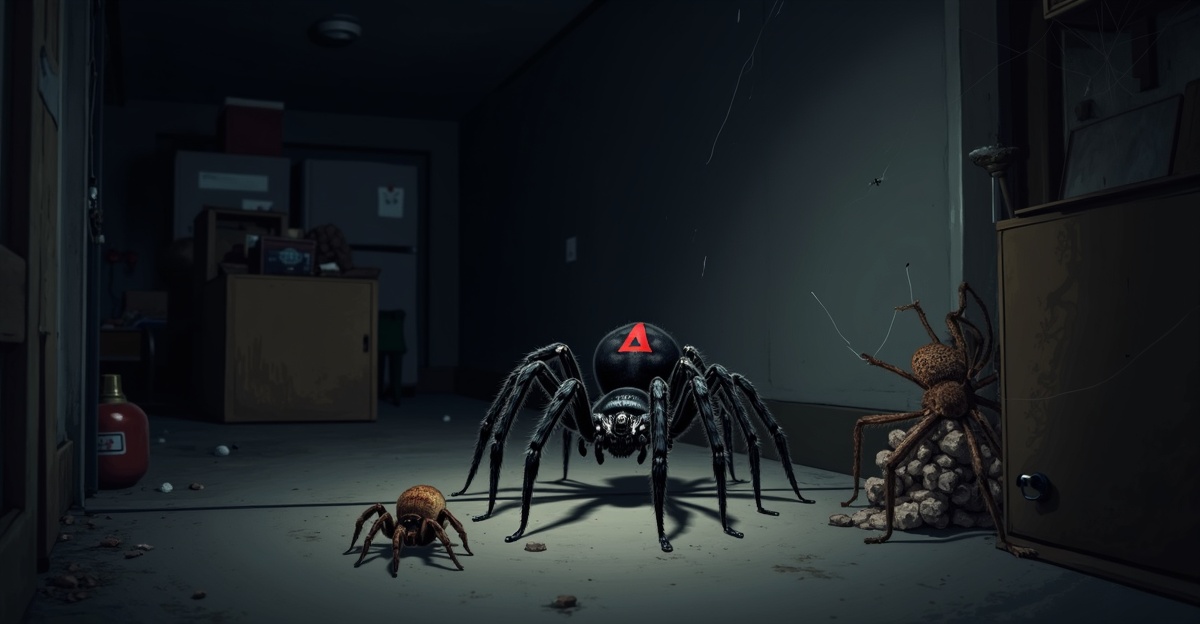
Knowing which dangerous spiders in Idaho pose real risks helps us stay calm and take action when needed. Most Idaho spiders are harmless, but a few deserve closer attention. We’ve put together a list of the most dangerous ones homeowners in our region may come across.
Spiders to Watch For
While there are many spider species in our area, these are the ones we’re most concerned about due to their bites and presence indoors:
- Black Widow (Latrodectus hesperus)
These spiders are easy to spot with their shiny black bodies and signature red hourglass on the belly. Female black widows are more dangerous than males. They prefer dark, quiet places like sheds, window wells, garages, and woodpiles. A bite isn’t usually life-threatening but can cause muscle pain, cramping, or nausea. - Hobo Spider (Eratigena agrestis)
Often confused with the harmless house spider, hobo spiders have a brown-ish body with a pattern of light and dark markings. They’re fast and prefer lower levels such as basements or crawl spaces. Their bites can involve redness or irritation but are rarely serious. Still, they should be taken seriously if reactions worsen. - Yellow Sac Spider (Cheiracanthium inclusum)
These pale yellow or cream-colored spiders are small but active, often found indoors, especially in upper walls or corners. They can bite when trapped in clothes or bed linens. Their venom usually causes temporary pain and swelling. Reactions vary between individuals.
If we’re seeing spiders like these around the house, especially in hidden or undisturbed areas, it’s a good signal to inspect further or call professionals.
Recognizing Infestations and Reducing Risk
Even a single spider sighting can be a hint that others are nearby. We recommend keeping an eye out for common signs and acting early.
Here are signs a spider may have made a home inside:
- Webs in corners, basements, or under furniture
- Visible egg sacs (often white and rounded)
- Sudden increase in indoor insect activity (spiders feed on these)
- Spiders found repeatedly in the same spot
Homes in Idaho are especially vulnerable in colder months. Many spiders come indoors looking for food or warmth. In fact, understanding the best time for pest control in Southeast Idaho helps us prepare before infestations grow.
Keeping basements and storage areas dry and clutter-free makes those spaces less attractive to spiders. Vacuuming regularly, sealing cracks, and clearing out cardboard boxes also helps limit their hiding places. For some helpful prevention advice, check out our tips on how to keep spiders out of your Idaho basement.
For homes that deal with repeat spider issues, scheduled care through residential pest control services keeps spiders at bay—safely and efficiently.
And don’t worry about pets or kids during treatment. We follow safety-focused processes. You can learn more about protecting furry family members in this detailed post: how safe are pest control treatments for pets in Idaho.
Finally, anyone in Southeast Idaho dealing with spider concerns can count on us. Whether you’re in Idaho Falls, Pocatello, or Rigby, our team works year-round to provide safe, effective help.
Let’s keep our homes safer—together.
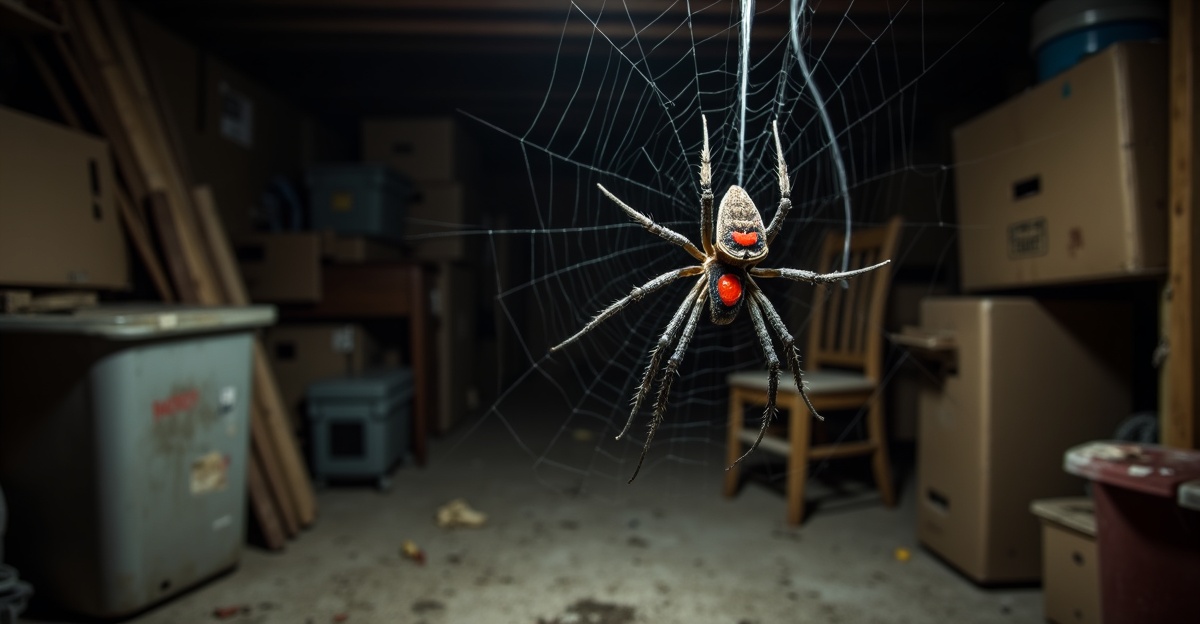
How to Spot Dangerous Spiders in Idaho Homes
Physical Traits of Hazardous Spiders
Let’s focus on two key types that raise red flags in Idaho homes—the Black Widow and the Desert Recluse. Understanding what sets them apart can save you stress and ensure smart decisions at home.
Black Widows are striking, especially the females. They’re shiny black with a red hourglass shape underneath the abdomen. Males and younger spiders may look lighter or have faint markings, making them harder to identify at first glance.
Desert Recluses, often mistaken for the large spiders in Idaho like the Brown Recluse, have light brown bodies with a darker violin-shaped marking on their back. Unlike most spiders, their eyes are arranged in three pairs, giving them a unique appearance if you’re close enough to see, a key identification detail highlighted by university entomology departments.
Both species are pretty shy and spend their time in dark, quiet spaces. Places like crawlspaces, attics, and garages—especially in older or rarely disturbed areas—offer them the perfect hideout.
Where They Hide and What to Watch For
If you’re seeing signs of spiders and aren’t sure where to start, we’ve highlighted typical hiding spots and clue-ins that indicate dangerous ones may be nearby:
- Dark corners and cluttered spaces – Stacks of boxes, old furniture, or storage bins in basements, sheds, and closets are all prime spots.
- Unusual, messy webs – Black Widow webs aren’t pretty like a garden spider’s. They’re irregular, sticky, and often in lower, sheltered areas.
- Single spiders found indoors – Unlike harmless house spiders that roam freely, dangerous ones tend to stay put. If you see one, there could be more.
If you’re trying to prevent spider problems before they start, we’ve shared smart strategies in our post on keeping spiders out of your Idaho basement.
Finding a spider you’re unsure about? It’s safer to assume caution. Bites from both species aren’t just painful—they can lead to more serious health issues, especially for children, older adults, or pets, which raises concerns about Idaho spider danger children. For information about how pest solutions impact furry family members, take a look at our guide on how safe pest control is for pets.
If you’re dealing with repeated sightings or just want peace of mind, our team offers professional spider control solutions built to protect your home without harsh surprises. We also serve homes year-round, offering regular visits that adapt to the seasons. Curious about timing? Check out the best time for pest control in Southeast Idaho and why it matters.
We’re proud to support families across the region—from Idaho Falls to Rigby and more—by keeping their homes safe, spider-free, and comfortable all year long.

When to Call a Professional for Spider Problems
Some spider sightings around the house are normal. But if they’re showing up more often, or the ones you see have dangerous traits, it’s time to take action. Spotting a venomous spider like a black widow or hobo spider indoors isn’t just unsettling—it could pose a real danger.
We always recommend calling in a licensed pest control team when sightings start to increase or you’ve seen spiders that are known to bite. Here are some practical signs it’s time to get help:
Clear Signs You Need a Pest Technician
If these signs sound familiar, professional spider control for Idaho homes is the smart move:
- Frequent spider sightings: Finding several spiders a week could mean there’s a bigger issue behind the walls or in storage areas.
- Webs in corners or basements: While webs can look harmless, they point to an active infestation, especially if they reappear quickly after cleaning.
- Spider bites or skin reactions: If someone in the household has a red, sore bite and you’ve seen suspicious spiders nearby, it’s best to stay on the safe side.
- Presence of venomous species: Identifying a black widow or hobo spider in your home means you should no longer wait or try to manage it alone.
- Spiders near kids or pets: Safety comes first. Some spider bites can be harmful to both children and animals, and it’s just not worth the risk.
- You’ve already tried DIY methods: If sprays, traps, or cleanup aren’t solving the issue, the nest may be tucked deep in areas that require a trained eye and equipment.
At this point, it’s not just a few spiders—it’s a sign of a deeper infestation that may need a combined treatment and prevention plan.
If you’re in southeast Idaho, our residential pest control services are built to manage these cases in a fast, thorough, and safe way. Whether it’s in crawlspaces, attics, or yard sheds, we pinpoint the source and treat it with care.
We also get questions about safety a lot, especially with kids and pets in the picture. For more peace of mind, here’s a deep dive on how safe pest control is for pets right here in Idaho homes.
If you’re noticing spiders in cold basements or dark corners, and aren’t sure what kind they are, check out our guide on keeping spiders out of Idaho basements—it covers practical prevention tips you can start using today.
Living in a safe home shouldn’t be a guessing game. When spiders cross the line from a nuisance to a threat, we’re here to help—calmly, quickly, and effectively. Give us a call or visit our contact page to get started with a plan you can trust.

Tips to Prevent Dangerous Spiders from Entering Your Idaho Home
Keeping spiders out begins with a few simple habits and household adjustments. The goal is to make your home less inviting to them in the first place.
Reduce Clutter Inside and Out
Spiders love quiet, undisturbed spaces. Basements, storage rooms, and seldom-used corners are perfect hiding spots. Outside, they’ll tuck into piles of firewood, grass clippings, or old boxes.
Here’s how we keep them at bay:
- Clear storage closets and basement shelves of unused boxes and bags. Use sealed plastic bins, not cardboard.
- Keep firewood stored at least 20 feet from the home and off the ground.
- Trim vegetation and remove yard debris that can provide shelter.
Inside, vacuum regularly—especially in corners, behind furniture, and under beds. Don’t forget basements and crawl spaces. Consistent cleaning goes a long way in discouraging spider activity.
Seal Entry Points and Maintain Cleanliness
Small gaps and cracks are open invitations. Even the tiniest spaces below doors or around windows can be entryways.
To help secure your home:
- Check and seal cracks in windowsills, door frames, foundation, and walls.
- Make sure window screens are intact and fit properly.
- Install door sweeps on exterior entryways.
- Avoid leaving lights on near doors or windows at night—bright lights attract insects, which in turn attract spiders.
Taking time to seal these spots helps stop spiders before they get inside. We also recommend keeping your home free of food crumbs and water leaks, which can draw other pests that spiders feed on.
If you’re already battling recurring spider sightings or have spotted webs in basement corners or ceiling joints, it might help to read our guide on how to keep spiders out of your Idaho basement.
For families around Southeast Idaho, high-spider seasons can vary by location. If you’re unsure about timing your prevention visits, here’s a good place to learn about the best time for pest control in Southeast Idaho.
And if you’re in need of experienced help, our spider control services cover everything from safe removal to long-term prevention—without harsh odors or unsafe chemicals.
Helping our neighbors in Idaho Falls, Pocatello, and Rexburg feel secure in their homes is what we do best. All our treatments focus on both safety and lasting results, especially for those concerned about kids or pets.
If you’d like to explore prevention options or schedule a visit, don’t hesitate to get in touch with us. We’re ready to help you feel more comfortable and protected, every season.
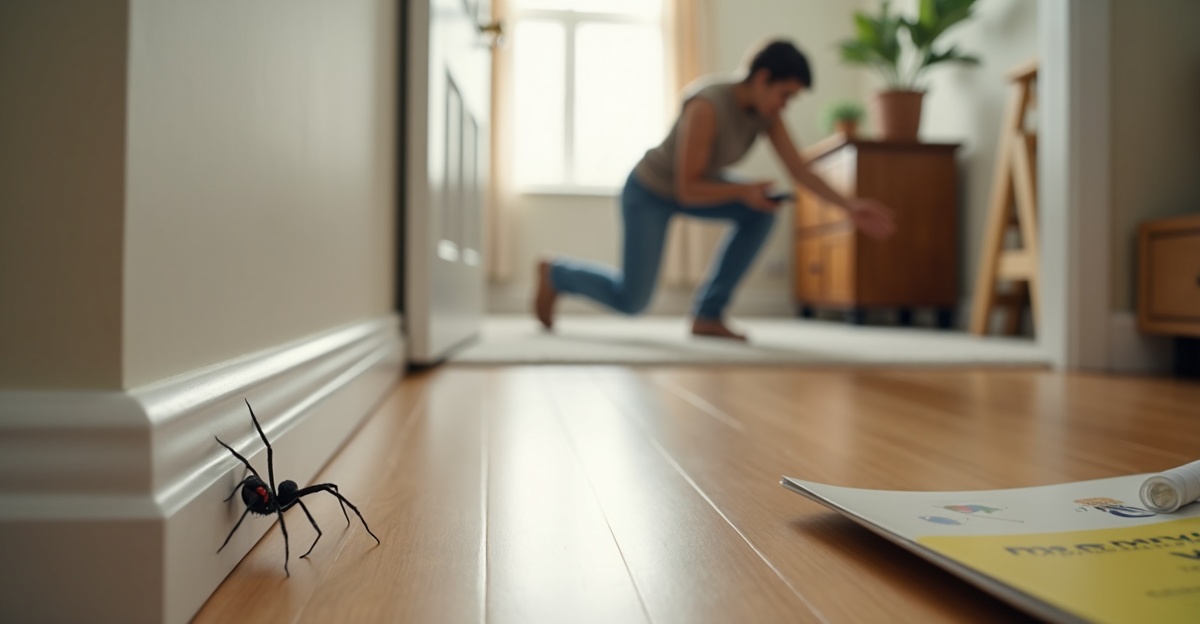
What to Do if You Find a Dangerous Spider
Spotting a potentially dangerous spider inside your home can be unsettling, but there’s comfort in knowing what steps to take. It’s never a good idea to handle a spider unless you’re absolutely certain it’s harmless. For your safety and peace of mind, it’s best to approach any suspicious spider with care and caution.
Steps to Take Immediately
If you encounter a spider that displays characteristics of a venomous species, such as a black widow or hobo spider, follow these essential steps:
- Keep your distance: Avoid swatting or touching the spider. Even non-aggressive species may bite if they feel threatened.
- Isolate the area if possible: Close the door or block off the portion of the room to keep the spider contained.
- Take a clear photo: If it’s safe, snap a photo from a few feet away for identification. This can help with proper species confirmation.
- Look for others: Check nearby corners, cracks, and dark areas in case there’s more than one spider.
- Contact a professional: The presence of one dangerous spider may indicate more nearby. Professional pest control ensures thorough inspection and treatment.
When in doubt, you can always reach out to us through our contact form for quick advice or to schedule service.
We’ve helped families across southeast Idaho deal with spider problems safely. Whether in your home or garage, we understand where spiders like to hide—and how to eliminate the issue from its root.
Some homeowners aren’t sure which treatment plan to choose. In these cases, ask yourself: is this a one-time occurrence, or a recurring issue? If spiders keep returning, consider one of our residential pest control services for long-term prevention and peace of mind.
Prevention can also go a long way. If you haven’t already, it’s worth reviewing our helpful guide on how to keep spiders out of your Idaho basement. Basements are common spider havens, but a few simple adjustments can dramatically reduce the appeal of these spaces for pests.
Keep in mind, discovering a single spider doesn’t always equal an infestation—but spotting a black widow or hobo spider warrants swift action. We’re local, understand the pests common to our region, and we’re committed to helping you keep your home safe. If you’re ready for help, we provide effective pest control in Idaho Falls and in surrounding areas.
Frequently Asked Questions
The most dangerous spiders in Idaho houses include black widows, hobo spiders, and yellow sac spiders. Black widows are the most medically significant due to their venom. Hobo and yellow sac spiders can bite if disturbed, causing pain and irritation, but severe reactions are uncommon. Most other spiders found indoors in Idaho are harmless.
You can identify dangerous spiders in Idaho houses by specific physical traits and behavior. Black widows have shiny black bodies with a red hourglass marking. Hobo spiders are brown with subtle abdominal patterns and move quickly. Dangerous spiders prefer dark, undisturbed areas and usually stay hidden rather than roaming openly.
Spider bites inside Idaho homes are relatively rare, even when dangerous spiders are present. Most spiders avoid humans and only bite when trapped or threatened. However, bites may occur when spiders hide in shoes, bedding, clothing, or storage areas. Prompt cleaning and reducing clutter greatly lowers the risk of bites.
Dangerous spiders in Idaho houses typically hide in basements, crawl spaces, garages, storage rooms, and wall voids. They prefer dark, quiet, and cluttered areas with minimal disturbance. Cardboard boxes, firewood piles, and rarely accessed corners provide ideal shelter, especially during colder months when spiders move indoors.
You should call a professional if you repeatedly see dangerous spiders in Idaho houses, find webs that return quickly, or suspect spider bites. Professional pest control is also recommended if spiders are found near children or pets, or if DIY prevention methods fail to reduce activity. Early treatment prevents larger infestations.