
How Often Should You Treat for Spiders in Idaho?

Understanding how often to treat for spiders in Idaho depends on seasonal patterns and your property’s environment. In Southeast Idaho, treatments every three months—or specifically in early spring and again in late summer—work well to keep spider activity at bay.
Key Takeaways
- Spiders become more active in Southeast Idaho from early spring through late summer and fall. Applying treatments during these periods delivers strong preventive results.
- Treating every 90 days provides steady coverage and interrupts common breeding cycles.
- Homes close to open fields, bodies of water, or tree lines may need visits every 60 days to stay ahead of infestations.
- Features like basements, crawl spaces, and strong exterior lighting tend to draw spider activity, so they often require more consistent attention.
- We apply safe, EPA-approved formulas using techniques that put the safety of children, pets, and families first.
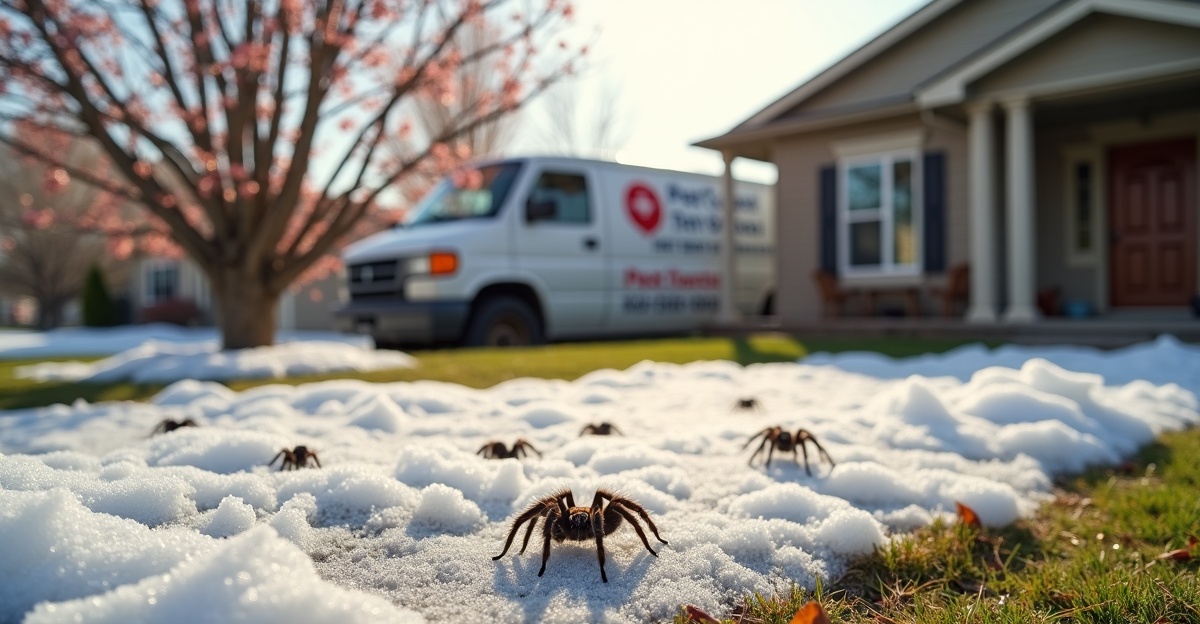
Understanding When Spider Treatments Are Most Needed in Southeast Idaho
Spiders tend to show up at the worst times—often right when we’re least expecting them. In Southeast Idaho, their activity peaks twice a year: in early spring and again in the fall. That makes sense once we look at their patterns. Springtime (March through April) brings egg sacs hatching, with baby spiders looking for safe spots to settle. Then, late summer into fall (August through October), adult spiders start migrating indoors to escape dropping temperatures, a pattern commonly documented by university extension pest specialists.
Both of these windows are key opportunities to cut spider numbers before they become a larger issue inside our homes. That’s why we often suggest preventative treatments during those two seasons. Tackling spiders early in the spring gets ahead of egg sac hatchings, and treating again before fall rolls in helps stop spiders from nesting indoors.
Recommended Seasonal Schedule in Idaho
To keep spider populations low throughout the year, we’ve found a seasonal pest control plan works best. Depending on the size of your home and surrounding environment, here’s what we recommend:
- Every 3 months: This is the sweet spot for consistent control. Quarterly treatments help keep new spiders from settling in and break up breeding cycles effectively.
- At least twice a year: If you’re in a lower-risk area or don’t experience heavy spider traffic, spring and late summer/early fall are the minimum checkpoints we’d suggest.
- After major infestations: A follow-up treatment may be needed 30–60 days after a first application if you’re dealing with an active spider problem.
You can learn more about how long different pest treatments typically last by reading our guide on how long professional pest control treatments last. It’s a helpful way to set expectations for efficacy and timing.
We also take extra care in choosing what’s safest for your pets and family. If that’s a concern, take a look at our article on how safe pest control is for pets in Idaho.
We serve Southeast Idaho homes with tailored seasonal spider control. Our local technicians live here and understand the spider cycles because we watch them play out in our own neighborhoods, too. If you’re dealing with spiders sneaking into your basement, check out our tips on keeping spiders out of your basement—it’s one of their favorite spots.
To give you lasting peace of mind, we offer routine spider-specific services through our spider control program. Whether it’s a quick seasonal spray or reliable year-round care, protecting your home starts with knowing the right time to treat—and sticking with a consistent plan.

What Affects How Often You Should Treat for Spiders
Spiders are a fact of life in Idaho, but that doesn’t mean we have to live with them. Knowing how often to treat your home depends on a mix of where you live, how your home is built, and the types of spiders common to your area. Let’s break it down so we can be better prepared year-round.
Factors That Influence Spider Treatment Frequency
Here are the key details that help determine how often we should schedule spider treatments:
- Location matters – Homes in rural or wooded areas see more spider activity due to closer proximity to natural habitats. If we’re surrounded by fields, forests, or standing water, we may need spider treatments more frequently—often every 60 to 90 days. Homes in denser residential neighborhoods may require fewer visits, depending on other factors.
- Property features – Basements, crawl spaces, and garages offer perfect hiding spots for spiders. Homes with a lot of exterior lighting also attract insects, the spider’s favorite meal, drawing even more of them to the property. If our home includes these features, preventive treatments every quarter are a smart investment. For extra protection, check out our tips on how to keep spiders out of your Idaho basement.
- Spider species – Idaho is home to several spider species, including hobo spiders, wolf spiders, and black widows. Black widows pose a threat to humans, according to the Centers for Disease Control and Prevention, and hobo spiders can become nuisance invaders. Spotting any of these around means it’s time for prompt, professional treatment. Learn to spot the dangerous ones early—our guide on how to identify dangerous spiders in Idaho homes walks you through it.
- Weather patterns – After a wet spring or during the warmth of early fall, spider populations peak, a trend frequently noted in agricultural and extension pest monitoring reports. Moisture brings in the bugs spiders feed on, and as the temperatures cool, spiders move inside for shelter. During those seasons, we recommend more frequent treatments—ideally every two months—to stay ahead of a possible infestation. If you’re wondering about timing, see when the best time for pest control in Southeast Idaho is.
Depending on our specific situation, we might need either a preventive or a responsive plan. A responsive approach handles infestations once they appear, but prevention saves us time and stress in the long run.
To determine the regularity that works best, schedule a consult with our team. Based on a home’s layout, spider activity, and surroundings, we’ll suggest a routine that works to keep spiders outside—where they belong.
We usually recommend our quarterly treatment schedule for general peace of mind. It’s reliable, convenient, and effective against common spiders here in Idaho. If we’ve seen frequent spiders year after year—or want to avoid that late-summer surprise in the corner of the shower—this option’s ideal.
Not sure how long a treatment sticks around? We’ve broken that down in our post on how long professional pest treatments last so we have realistic expectations going in.
If we’ve got pets or young kids around, we might worry about safety. Rest assured, we take that seriously. Check out our guide on how safe pest control treatments are for pets in Idaho to see how we prioritize your whole family.
For true protection and fewer surprises, we often recommend one of our local pest treatment plans. They’re built with spider control in mind, especially suited for spots like Idaho Falls, Rexburg, and Pocatello where weather and terrain make spider issues more likely.
Our spider control services are designed with Idaho homes in mind. Whether it’s keeping a new home clear from the start or reclaiming a space that’s already gotten out of hand, we’ve got solutions that keep spiders away for good. For those who prefer steady care and fewer surprises, our post on pest control plans explains why regular service beats repeat emergencies.
We’re proud to serve our neighbors throughout Southeastern Idaho with honest, dependable help, from one-time treatments to full residential pest control plans. If spiders are becoming regular visitors, don’t wait for those eight-legged guests to get too comfortable. Let’s take care of it together.

Are Spider Treatments Safe for Kids, Pets, and Your Home?
We understand that keeping your home spider-free is just as important as keeping your family safe. That’s why we use treatments that are specifically chosen for home environments with kids and pets. Every product we apply is designed with safety in mind and is backed by the reassurance of EPA-registered pesticide standards set by the U.S. Environmental Protection Agency.
Family-First Treatment Methods
Our approach to spider control is simple: protect people first, pests second. We don’t blanket-spray your home or fill it with unnecessary chemicals. Instead, we:
- Use products that are EPA-approved and recognized for their safety in households
- Apply treatments in targeted zones, like cracks, crevices, and baseboards
- Avoid exposed surfaces where children and pets play or rest
- Follow label instructions and manufacturer guidelines down to the detail
We’re not guessing. These are proven application methods developed to limit exposure while still tackling the spider problem efficiently. And because we’re local, we understand the patterns of common spiders here in southeast Idaho—from house spiders to the occasional black widow.
If you’re curious about common spider behaviors or where they tend to hide, check out some helpful steps on keeping spiders out of your basement.
Peace of Mind Through Safety and Transparency
We’re not just here to treat your home—we’re here to earn your trust every time we walk through the door. That’s why our technicians are trained to explain what we use, where we apply it, and why it’s safe. If you’ve got pets, we make sure nobody’s bowl, bed, or play space is treated. And we’ll always guide you on any minor precautions, like keeping the dog off the treated patio for a short time.
Families across Idaho Falls, Rexburg, and Blackfoot rely on us because safety and honesty guide every step of what we do. We keep you informed, answer questions clearly, and never rush the process. You deserve peace of mind along with protection against pests.
For additional reassurance about how long our treatments last and how often you might need service, take a moment to read more about the longevity of pest treatments. It’s all about timing your pest program for real results.
When you choose our spider control services, you’re not just getting a solution—you’re getting partners who treat your home like our own. It’s why so many locals come back year after year.
Need something reliable for all kinds of pests? You can also explore our full home pest treatment options right here. Let’s make sure your home stays protected and worry-free.

What You Can Do Between Visits to Prevent Spiders
Even with regular treatments in place, small steps at home can go a long way. Keeping spiders out starts with keeping the spaces they love less inviting. Every preventive habit helps create a buffer between your family and unwelcome eight-legged guests.
Here’s what we recommend for consistent home spider prevention in Idaho:
Smart Habits That Make a Big Impact
You don’t need to overhaul your home—just a few simple changes can reduce spider activity:
- Seal entry points: Check for cracks and gaps around doors, windows, and your foundation. Use caulk or weather stripping where needed to stop spiders from slipping in unnoticed.
- Cut down on clutter: Keep storage areas like basements, attics, and garages neat and organized. Spiders love clutter because it gives them quiet corners to hide.
- Trim back vegetation: Shrubs and tree branches touching your siding or roof should be trimmed. These serve as bridges for spiders and the insects they feed on.
- Manage lighting: Try keeping outdoor lights off at night or switch to yellow bug lights. Bright lights draw in moths and flies—spider favorites.
Doing these regularly helps reduce the number of spiders inside and supports the effectiveness of your spider control treatments.
We’re Always Here to Help
During your service visit, we’re happy to walk through your home with you and provide a personalized prevention checklist. You’ll know exactly where spiders are sneaking in and what small changes will make a difference. This hands-on advice is part of how we keep your home safer, longer.
If your basement is a frequent trouble spot, you can read how to address it in our post about keeping spiders out of Idaho basements. When these steps are part of your routine between treatments, you’ll notice fewer surprise sightings and longer-lasting results.
Living in Idaho means sharing our space with nature—but that doesn’t mean we have to share our homes with spiders. Let’s stay one step ahead together. You can always reach us or set up a visit through our contact page whenever you’re ready.
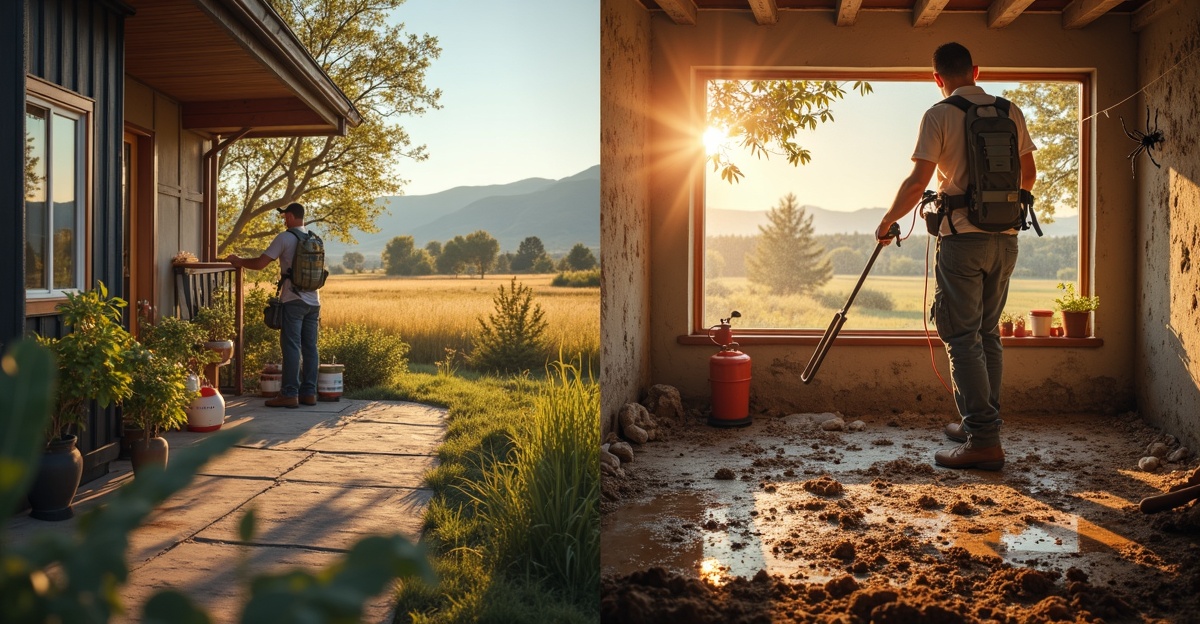
One-Time Treatment vs. Ongoing Service—What’s Right for You?
Managing spider activity in Idaho takes knowing what kind of care your home truly needs. Some situations call for a quick fix, while others benefit from a routine that keeps spiders from ever becoming a problem again.
Choosing the Best Fit for Long-Term Results
We often get asked if a one-time spider treatment is enough. It can be—especially if you’re dealing with a minor or sudden infestation. Maybe you spotted a spider in the tub or a few webs in the basement. A single treatment knocks those pests back, clears up the cobwebs, and lets you breathe easier. That said, it doesn’t stop spiders from coming back.
For regular spider sightings or homes where conditions invite repeat visitors (think: basements, crawlspaces, or homes near fields and irrigation), ongoing seasonal services are a far stronger option. We typically recommend quarterly or bi-monthly plans that stay ahead of spider activity year-round.
Homes with multiple levels or those surrounded by trees or water tend to offer the perfect environment for spiders to return again and again. That’s why consistent coverage builds the peace of mind many folks are really after—not just a single spray and hope.
Here are some helpful ways to decide which option might fit best:
- One-time treatment works well if:
- You’ve never seen spiders before and recently discovered a few
- The infestation is limited to a small area
- You’re preparing for a specific event or inspection
- Ongoing service is better if:
- You’ve seen spiders regularly over several seasons
- You live near fields, canals, or large wooded areas
- You want scheduled visits so spider activity never has a chance to grow
We’re proud to offer professional spider control that starts with a no-pressure evaluation. We’ll walk through your space, listen to what you’ve seen, and give honest feedback—no upselling, just answers. If you’re unsure what’s causing spiders to show up, we can help you pinpoint patterns and build a plan that actually works.
Our neighbors deserve more than surface-level solutions. Reliable spider protection comes from putting trusted, local care to work for your home. That’s something a one-time visit just can’t guarantee.
Many of us in Southeast Idaho live in areas that naturally attract pests. Knowing the best time for pest control helps keep spider populations low before they’re even noticeable.
Whether you’re searching for a spider exterminator near me or wondering when to call a spider control professional, we’re here when you’re ready. Let’s make your home the last place spiders want to settle.
Why Southeast Idaho Homeowners Trust DeWebb Pest Control
We’ve built our business right here in Southeast Idaho—our family serving yours with reliable spider treatments that fit local needs. You’ll see our trucks in Idaho Falls, Pocatello, Ammon, Rigby, and Rexburg because we’re part of these communities, not just a company working in them. We understand what spider season looks like here, and we’ve crafted care-centered treatments that actually make a difference.
Rooted Locally, Serving with Integrity
Our neighbors rely on us for more than just tackling a spider problem. They count on our team for honest answers and thoughtful service—whether it’s early spring when boxelder bugs re-emerge or late autumn as spiders try to move inside. Because our expert technicians live here too, we don’t just guess at what your home is facing—we’ve been through those same seasonal shifts, windy summers, and long winters.
Here’s why folks across Southeast Idaho choose us again and again:
- We don’t cut corners. We take time to inspect, treat, and explain our findings, so you’re never left guessing.
- Our spider treatments are designed with Idaho’s unique climate in mind—targeting trouble spots before they become a headache.
- Safety is key. Families trust our approach because we prioritize pet- and kid-friendly solutions.
- Our transparent pricing and no-pressure calls reflect who we are as a company—down-to-earth and easy to talk to.
You won’t find any cookie-cutter options here. We recommend the right frequency for spider treatment in Idaho based on your home’s location, layout, season, and spider activity.
Flexible Plans That Match Idaho’s Seasons
Spider treatment frequency in Idaho usually depends on a few things—seasonal patterns, previous infestations, and how sealed up your home is. In general, most homes benefit from quarterly treatments, though some need a little extra during peak spider months in late summer and early fall.
We’ve learned that being proactive goes a long way. Here’s how most homeowners manage spider activity throughout the year:
- Spring: Spiders often come out of hiding, and other bugs (their food) start moving in. A spring treatment gets ahead of the curve.
- Summer: With more insects around, spider populations grow fast. Mid-summer treatments help break that cycle.
- Fall: This is prime spider season. As outdoor temps drop, spiders search for warmth. Treating early in fall keeps them from settling inside.
- Winter: While spider activity slows indoors, year-round prevention keeps homes protected and web-free.
If you’re dealing with recurring infestations or a particularly stubborn variety like the hobo spider or black widow, we might suggest more frequent visits to fully block entry points and treat nests. Want to learn more about handling Idaho’s sneakiest creepy crawlers? Check out our guide on identifying dangerous spiders in Idaho homes.
By building a local pest treatment plan around your needs, we help protect your space without overdoing it. And if you’re unsure where to begin, we’re happy to offer a free inspection and honest feedback—no hard sell, just helpful answers.
Whether you’re in an older farmhouse in Rigby or a new build in Ammon, our local technicians know what works best for your setup and your season. We also offer insight into the lasting power of professional treatments and what you can expect between visits.
We’re proud to say our customers stick with us because they know we care about long-term solutions, not quick fixes. Pairing expert service with genuine local knowledge allows us to deliver peace of mind with every treatment. If spider problems have you on edge, consider booking a free consultation—we’re ready to help.
For homes built in Southeast Idaho’s beautiful but bug-prone terrain, finding the right residential pest plan means more than just staying spider-free. It’s about feeling safe and comfortable year-round. We’re here to make sure you do.

FAQ Schema Ideas to Include
How often should spider control be done in Idaho homes?
Most homes in Idaho benefit from spider control treatments every quarter, or roughly every 90 days. This schedule helps interrupt spider life cycles and keep new web-builders from moving in. Depending on your location—like homes near fields, waterways, or wooded areas—you may need more frequent visits, especially in late summer and fall when spiders become more active indoors.
Seasonal spikes and changing weather can impact how often we recommend service. For those dealing with repeated spider sightings or existing infestations, more frequent initial treatments followed by regular maintenance is ideal. We often find that homeowners see greater long-term results with ongoing care rather than waiting for an infestation to start.
If you’re curious how long those professional treatments remain effective, we’ve laid it out in our post on how long pest treatments last so you can better plan your schedule.
Are spider treatments safe for children and pets?
Safety is a top concern for families, and rightfully so. The good news? Spider control treatments we use around Idaho homes are applied with care and tested for use in households with children and pets. When used properly by trained technicians, these products are very low risk.
To ensure the highest level of safety during a visit, we:
- Use EPA-approved products focused on targeted applications.
- Avoid overuse of treatment indoors.
- Encourage temporary relocation of pets during and shortly after application.
- Offer guidance on when it’s safe to re-enter treated areas.
You can read more about what to expect in our article explaining pest control treatment safety for pets. We’re always happy to answer specific questions before we treat your home.
What times of year are spider infestations most common in Southeast Idaho?
Spiders typically become more noticeable around late summer and early fall in Southeast Idaho. That’s when outdoor temperatures begin to drop, encouraging spiders to look for cozy indoor shelter. We also see higher activity in spring, as warmer weather brings out the bugs—and with them, the spiders who feed on them.
To stay ahead of those seasonal shifts, we recommend scheduling spider control in early spring and again in late summer. Planning ahead with a seasonal routine helps stop infestations before they start. Take a look at our guide on the best times for pest control in Southeast Idaho to stay a step ahead.
Whether you’re managing a current spider issue or simply preventing one, having a consistent plan goes a long way. If you’re unsure whether ongoing service is the right fit, we’ve broken it down in our post on the value of pest control plans for homeowners.
To explore options that fit your household’s needs, check out our spider pest control services. We’re here to help keep your space comfortable and pest-free year-round.
Frequently Asked Questions
Most Idaho homes should be treated for spiders every 90 days to maintain consistent control. Quarterly treatments help disrupt spider breeding cycles and prevent new spiders from settling indoors. Homes near fields, water sources, or wooded areas may require treatments every 60 days, especially during peak activity in late summer and early fall.
Spider activity in Idaho is highest in early spring and again in late summer through fall, aligning with seasonal climate patterns reported by the National Weather Service for Southeast Idaho. Spring treatments target newly hatched spiders, while late-summer treatments prevent adult spiders from moving indoors as temperatures drop. Treating during these seasonal peaks offers the best preventive results.
A one-time spider treatment can help with a minor or short-term issue, but it rarely provides long-term protection. Spiders often return as weather changes or food sources increase. Ongoing treatments on a quarterly or bi-monthly schedule are more effective for preventing repeat infestations and keeping spider populations consistently low.
Treatment frequency depends on factors like proximity to fields or water, the presence of basements or crawl spaces, heavy outdoor lighting, and local weather patterns. Wet springs and cooler fall temperatures increase spider movement indoors, often requiring more frequent treatments to stay ahead of infestations.
Professional spider treatments are generally safe for children and pets when applied correctly. Technicians use EPA-approved products and focus on targeted areas such as cracks, crevices, and exterior entry points. Following post-treatment guidelines, like brief drying times, helps ensure your home remains both protected and safe.