Do Spiders Mean My House Is Dirty?
Seeing spiders indoors often sparks the thought, “Does this mean the house is dirty, or what does it mean when there are spiders in my bedroom?” In reality, spiders look for warmth, moisture, and quiet spaces to hide. They don’t care how clean or cluttered the space is. Even tidy homes in Southeast Idaho attract spiders if they find food, shelter, or a break from shifting weather patterns.
Key Takeaways
- Spiders come inside to find food—like other bugs—along with warmth, moisture, and still areas. Cleanliness doesn’t impact their interest much.
- Homes that stay clean can still host spiders, especially if they have easy-to-reach spots like crawlspaces, attics, or basements—so asking “do spiders like to live in messy rooms?” doesn’t fully explain why they show up.
- They often sneak in through gaps around windows or doors, poorly sealed foundations, or clutter piled outside too close to the home.
- Prevent them by sealing cracks, trimming back debris, minimizing clutter, adjusting lighting around entrances, and sweeping away webs regularly.
- If spiders keep reappearing—or you spot egg sacs or different types—a professional pest service brings long-term peace of mind.
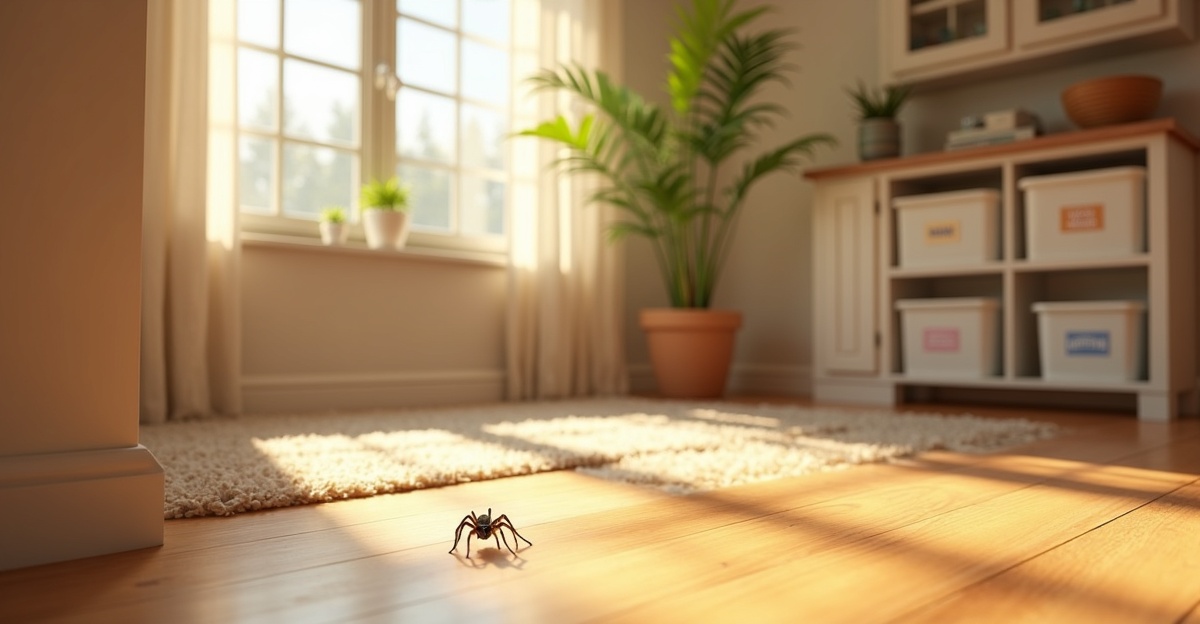
Why You’re Seeing Spiders—And Why It Doesn’t Mean Your Home Is Dirty
Let’s clear something up right away—spotting a spider or two doesn’t mean your house is dirty. In fact, people often ask us, “Do spiders mean a dirty house?” And the answer is no. Even spotless homes with fresh vacuum lines in the carpet and lemon-scented counters can find themselves with an unwanted eight-legged guest or two.
Spiders don’t judge hygiene. They follow instinct, weather, and survival needs.
According to both pest control professionals and the University of Idaho Extension, spiders choose their ground based on temperature changes, food sources like other tiny insects, or the availability of shelter. That means they’re often more interested in the conditions outside and inside your house than the cleanliness of your baseboards.
Why Spiders Sneak Into Clean Homes
Here are a few honest reasons why spiders might be showing up uninvited—even in a well-kept space:
- Changing weather: A drop in temperature or a good ol’ Idaho rainstorm often sends spiders scurrying for dry, warm shelter.
- Food availability: Spiders follow their food, so if you’ve got flies, ants, or other small bugs, you’ve inadvertently set the dinner table.
- Comfortable hiding spots: Basements, garages, and attics offer dark, quiet nooks that spiders love—regardless of how polished your floors are.
Spiders are opportunists, not critics. So when someone wonders, “Do spiders like to live in messy rooms or clean ones?”—honestly, they pop up in both clean and cluttered environments.
You’re Not Alone—Spiders Are Common Visitors
We work with plenty of families throughout Southeast Idaho, and spider sightings are one of the most common complaints we hear—especially during late summer into fall. It tends to spike after a stretch of damp weather or when the cool evenings start to settle in.
The good news? You’re not the only one sharing your space. And you’re definitely not doing anything wrong. That’s just the nature of spiders in our region.
If they’re becoming a little too comfortable, here’s what can help:
- Sealing up cracks in windows and foundations
- Removing clutter from storage areas
- Regular pest prevention treatments
We cover all of those in our approach to spider control services, using methods that are effective and safe for your home.
For more about seasonal patterns and entry points, take a look at how to keep spiders out of your Idaho basement. And if you’re wondering how often to address them, our guide on how often you should treat for spiders breaks it down simply.
Remember, having spiders doesn’t mean your home is dirty. It just means it’s cozy, protected, and full of life—which is why we’re here to help you reclaim your space and peace of mind.
What Actually Attracts Spiders into Your Home?
Spiders don’t show up because a home’s “dirty”. They move in because the conditions feel right. We’ve worked with plenty of clean, tidy homes across Southeast Idaho that still deal with spider issues. The key is knowing what attracts spiders indoors in the first place.
Why Spiders Wander Inside
Spiders are quiet hitchhikers looking for survival—not mess. Here’s what they’re really after when they head indoors:
- Warmth: As temperatures begin to drop, especially in early fall, entomology research on seasonal spider activity shows that many species look for cozier indoor spaces. Inside walls, basements, and even behind furniture provide the heat they need.
- Moisture: Just like humans, spiders need water. Areas with leaks, condensation, or high humidity like bathrooms and laundry rooms are prime spots.
- Insects: Their main reason for hanging around is food. Spiders eat flies, ants, silverfish, and other bugs. If you have lingering pest activity, spiders will see your place as a buffet.
- Undisturbed corners: Closets, storage rooms, and attics aren’t walked through often, which gives spiders space to spin their webs in peace.
Often, it’s our routines that accidentally send out an invite:
- Outdoor lights left on at night pull in moths and flying insects—spiders follow the food.
- Food crumbs or open trash attract ants and flies, again bringing spiders right behind them.
- Poorly sealed windows or gaps under doors give entry points directly into your living space.
- Overgrown yard debris right up against the house is perfect for spiders to settle in before making their way inside.
The great news is these conditions are manageable. Having spiders doesn’t mean we’ve failed to keep things clean. It means there might be just enough insect activity or cozy nooks around that they’ve found their way in.
We often recommend checking spaces like basements and insulation areas during fall months. If that’s where spiders seem to collect, you might find this guide on how to keep spiders out of your Idaho basement helpful.
For homeowners dealing with more bug traffic than they’d like, it’s smart to consider full pest protection that covers the target of the spider’s attention—the pests they feed on. You can find out what’s included in general home pest protection and how it keeps your space less tempting.
If spiders have already made themselves at home, our spider control services can safely and quickly reduce their numbers and target the causes that brought them in to begin with. We’ll help make your home less inviting without using fear or overreaction—just smart, effective care you can count on.

Meet Your Uninvited Guests: Common Southeast Idaho House Spiders
Spiders might give you the heebie-jeebies, but most house spiders in Southeast Idaho prefer to stay out of your way. Just because you spot one doesn’t mean your home is dirty—it likely means they’ve found shelter and maybe a bug or two to snack on. Let’s break down which spiders are likely sharing your space and which ones need a closer watch.
Common Spiders Found Indoors
You’ll see several spider types around homes in Southeast Idaho. Each has its own quirks, but knowing what you’re dealing with can offer peace of mind.
Here are the four spiders we come across most often:
- Common House Spiders: These are the ones we all picture spinning little webs in corners. They’re small, usually brown or tan, and harmless. They feed on other pests, so if anything, they’re doing a job for us.
- Wolf Spiders: These big, fast movers can really get the heart rate up. While they may look fierce, they don’t spin webs and would rather run than bite. You’ll usually find them scurrying across the floor or hanging out in basements and garages. Their bite is rare and typically no more painful than a bee sting.
- Cellar Spiders (a.k.a. “Daddy Long Legs”): Long legs, small bodies, and they love damp, dark corners. You’ll often see these in basements or crawl spaces. They’re excellent at catching other insects, and completely non-threatening to people.
- Hobo Spiders: These are the ones that might raise our eyebrows. They’re brown and fast-moving, and While their bite has a reputation, university research on hobo spider bite risks has not confirmed consistent harm to humans. Still, it’s smart to be cautious around them. They usually stay near floor level and build funnel-shaped webs.
Learning the difference between harmless vs dangerous spiders in Idaho can go a long way in keeping your stress levels down. You’ll find that most of them—especially those indoors—aren’t looking for a fight.
Which Spiders Should We Watch Out For?
Most house spiders in Southeast Idaho are harmless and want nothing to do with us. Still, it helps to know which ones might need professional attention. Here’s how we like to sort them:
Generally Harmless Spiders
The majority of spiders you’ll see indoors don’t pose a risk. That includes:
- Common house spiders
- Wolf spiders
- Cellar spiders
These are more likely to flee than bite. With regular cleaning and a good pest defense plan, we can keep these visitors under control.
Spiders to Be Cautious Around
The hobo spider is a bit more of a gray area. We recommend staying cautious, especially if you’re unsure about identification. While confirmed cases of harmful bites are rare, it’s not something to ignore if someone in the house is bitten.
If you’re dealing with spiders and aren’t sure what you’re seeing, our spider control experts can help identify the species and create a solid prevention plan.
For families worried about pets or kids, we’ve written more about how dangerous Idaho spiders really are to children. It’s a good read for households that want extra peace of mind.
If you’re just starting your spider prevention journey, learning how to keep spiders out of your Idaho basement is a straightforward first step. Basements are a common hideout due to their dark, quiet nature.
Need more help narrowing down what’s creeping around the corners? Our guide on how to identify dangerous spiders in Idaho homes covers key traits and markings. Knowing what’s normal and what’s not makes a big difference in how we respond.
We’re big believers in honest, clear prevention. You don’t need an over-the-top treatment plan for one house spider, but if you’re seeing webs more often or running into spiders frequently, it may be time for a visit. Either way, we’ll treat your home with care and make sure your family feels safe and comfortable.

Safe, Simple Ways to Keep Spiders Outside Where They Belong
Spiders don’t show up indoors because a house is “dirty” — they come in looking for food, shelter, or a quiet place to set up shop. We’ve found the most effective spider prevention tips focus more on peace of mind than deep cleaning. With a few practical steps, we can help keep spiders where they belong — outside.
Spider Prevention That’s Safe for the Whole Family
We always aim for solutions that are safe for kids, pets, and everyone at home. Here’s what we recommend for natural, low-effort spider control:
- Seal entry points: Walk the inside and outside of the house and check for gaps — especially near windows, doors, vents, and foundation. Use silicone-based caulk or weatherstripping. It’s one of the smartest first steps you can take.
- Keep storage tidy: Spiders love undisturbed corners and piles. Organized storage in sealed bins and keeping clutter off the floor eliminates those perfect web-building spaces.
- Remove webs regularly: Knock down webs in corners, garages, and basements with a broom or vacuum. This discourages spiders from rebuilding in the same place.
- Turn off outside lights when they’re not needed: Lights attract insects, which in turn, attract spiders. Using motion lights or limiting light usage helps reduce that food source.
- Use natural deterrents that spiders dislike: Peppermint oil is one of our go-to options. Mix 10-15 drops with water in a spray bottle and treat door frames, window sills, and baseboards weekly. Vinegar works too. A 50/50 white vinegar and water mix can be sprayed in the same areas. It’s strong-smelling, but it clears out critters fast.
- Try citrus peels or cedarwood: Spiders tend to avoid both. Tuck fresh citrus peels near entry points or keep cedar blocks in closets and storage.
These practical ideas are a great place to start if you’re wondering how to get rid of spiders without chemicals. They help us manage the problem safely without harsh treatments. Still, natural options need to be applied consistently to be effective.
We also remind folks that clutter, not cleanliness, gives spiders more room and quiet to settle in. So when we talk about reducing places where spiders hide or build webs, we focus on organization, not hygiene. A well-loved, lived-in home doesn’t cause spiders — open doors and overlooked gaps do.
For families dealing with bigger infestations or recurring problems, professional help can offer long-lasting relief. That’s especially true in cases involving venomous kinds. If you aren’t sure what you’re dealing with, check out these tips on how to identify dangerous spiders in local homes.
We often mix our guidance on spider control treatments with behavior-based prevention. That way, we tackle the issue from both sides: reducing chances for entry while also discouraging any that make their way in.
One last note — you don’t have to wait for a spider sighting to take preventative action. Heading off a problem before it starts saves time, stress, and surprises. For year-round results, many homeowners ask us about general treatments that come standard with residential pest protection. It’s a smart way to cover spiders, ants, and other common invaders throughout the seasons.
For homes with curious pets or young kids, we always lean into the safest, most gentle approach first. We keep things simple, clean, and effective. If you’re wondering how often you should reapply natural solutions or update your prevention habits, this advice on how often to treat for spiders in Idaho can help sort that out.
With a little effort and the right plan, we can enjoy our homes without surprise visits from eight-legged guests. Let’s keep it calm, safe, and spider-free.
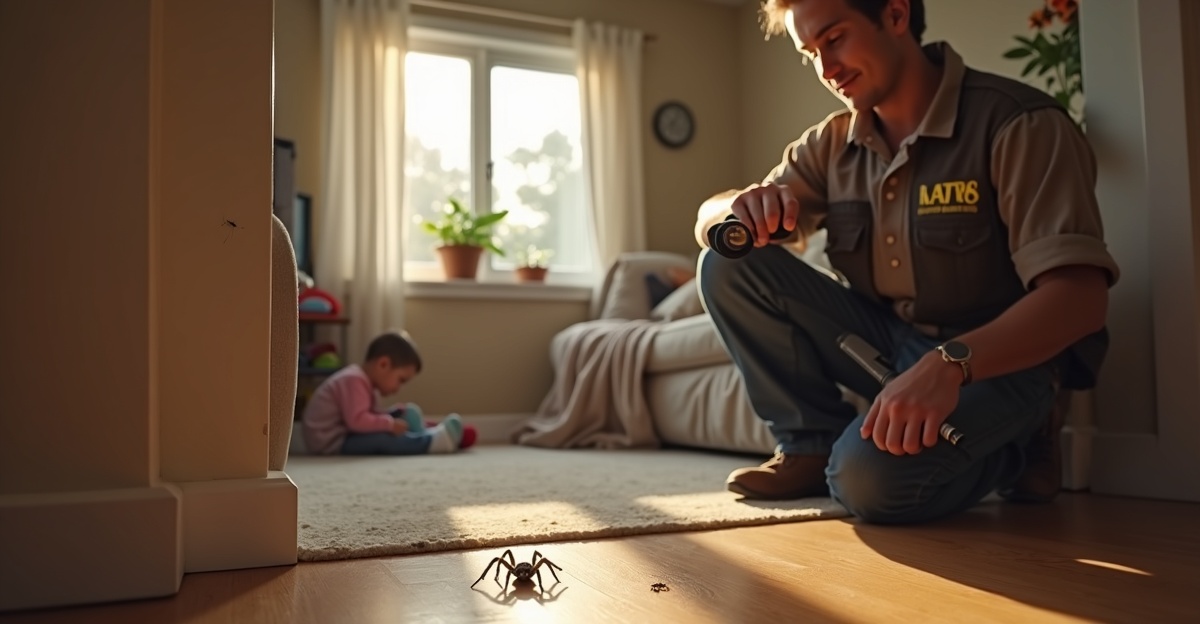
Know When It’s Time to Call a Local Pro
Sometimes, no matter how tidy we keep our homes, spiders just won’t stay away. If eight-legged guests keep appearing, it’s not a reflection of your cleanliness—it might be time for some extra backup. We’ve seen it firsthand across Southeast Idaho, and we’re here to help make sense of when a little local expertise can go a long way.
Signs It’s Time to Bring in the Pros
We typically recommend reaching out for professional spider pest control if you’re noticing a few clear warning signs. These are some of the most common situations where a trained eye can really make a difference:
- Spiders keep coming back: Even after cleaning, sealing cracks, or using store-bought sprays, spiders reappear week after week.
- You’re seeing egg sacs: A single spider egg sac can hold dozens of baby spiders, as explained in university extension resources on spider reproduction, quickly turning a small issue into a big one.
- Multiple kinds of spiders: If you’re spotting different sizes, colors, or web patterns, your home may be hosting multiple species—some of which could be unwanted guests like black widows or hobo spiders.
- You suspect a spider bite: If you or a family member has unexplained irritation or swelling, a bite may be the cause. It’s smart to get both medical advice and pest control support.
- You just don’t want to deal with it anymore: That’s reason enough. It’s your home, and there’s peace of mind in knowing it’s protected.
We’re always ready to help you identify dangerous spiders in Idaho homes, and our work doesn’t stop there.
Why Local Expertise Matters
At DeWebb Pest Control Idaho Falls, we understand local spiders and the homes they love. We’ve walked through dozens of attics, basements, and garages in nearby neighborhoods, spotting the things you can’t always see.
Choosing local support means more than quick fixes. Here’s what we bring:
- Safe, family-friendly treatments that work for homes with kids and pets.
- Thorough inspections of baseboards, crawlspaces, vents, and anywhere spiders like to hide.
- Custom treatment plans based on what you’re really dealing with—not just guesswork.
Whether you’re dealing with spiders in your basement or just hoping to prevent unwelcome houseguests, our team can help you figure out how often you should treat for spiders so you can stay ahead of the issue.
When you’re ready to take that next step, our professional spider pest control service offers lasting protection and calm you can count on. We care about your comfort and security—whether that means sealing entry points or giving you peace of mind through reliable follow-ups. Let’s make your home feel completely yours again.
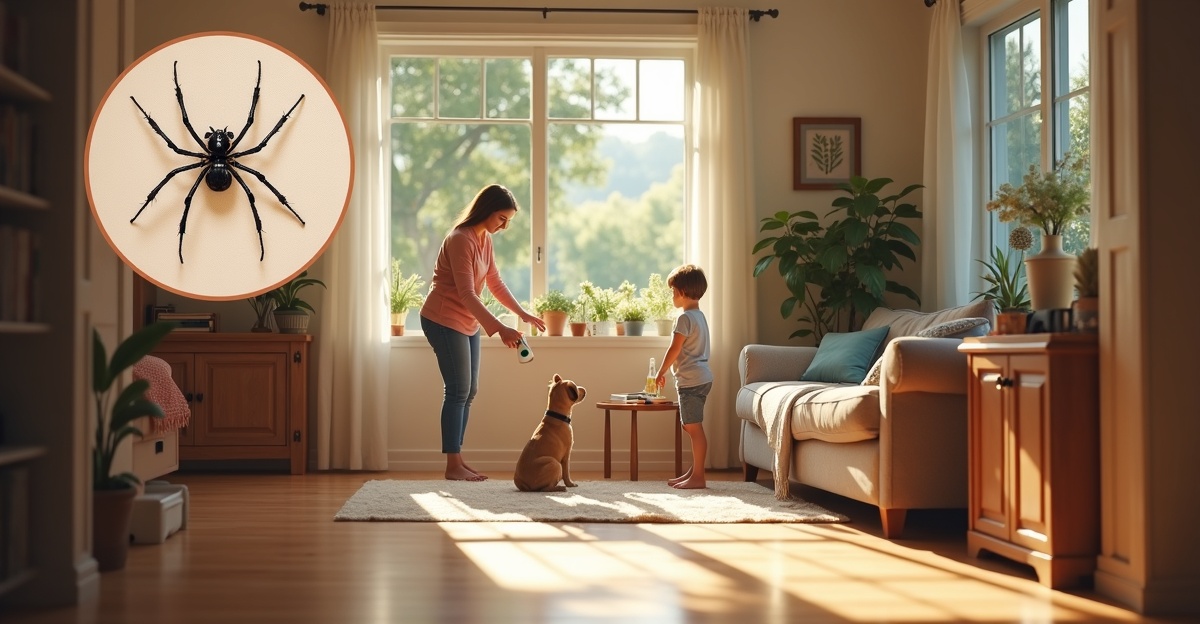
FAQ: Quick Answers to Common Spider Concerns
Do Clean Homes Get Spiders?
Absolutely. Spiders don’t move in because your home is dirty—they’re looking for food, water, and shelter. Even spotless homes can attract them. If your house has quiet corners, basements, or crawlspaces, it’s a comfy place for spiders. What really draws them in?
- Other insects like flies, ants, or silverfish (which are spider food)
- Dark spots or storage boxes that don’t get much activity
- Gaps under doors or around windows where pests slip through
Focusing on sealing up entry points and keeping clutter low matters more than scrubbing blinds or mopping under your fridge. We also recommend checking out this guide on how to keep spiders out of your Idaho basement for more ways to spider-proof your home without thinking it’s about dirt.
Are Spiders Dangerous to My Kids or Pets?
Most spiders you’ll find indoors are harmless. Still, we understand how unnerving it can feel. In Idaho, the two to keep an eye out for are the hobo spider and the black widow, whose bite symptoms are outlined by the CDC. Their bites are rare but can cause reactions, especially in children or pets with sensitivities. Knowing what they look like is key—we go over that in more detail in this article on identifying dangerous spiders in Idaho homes.
If you’re worried whether spiders pose a risk to your little ones, our post on Idaho spiders and kid safety helps clear up a lot of misinformation.
Can I Get Rid of Spiders Without Harsh Chemicals?
You definitely can. In fact, safe spider control for families is something we take seriously. There are several non-toxic methods that fit right into your daily routine:
- Vacuuming webs and hiding spots regularly
- Using natural deterrents like peppermint oil around windows and baseboards
- Keeping outdoor lights off or using yellow bulbs to avoid attracting insect food
For extra peace of mind, seeing fewer insects overall helps reduce spider interest. If you’re having trouble or want us to handle things gently but effectively, our spider control service uses family-friendly techniques to treat your home with care.
If you’re wondering how often you need to stay on top of treatments, there’s a helpful breakdown in our blog on how often to treat for spiders in Idaho. And if it’s time to talk to a real person for advice or scheduling, just reach out through our contact page. We’re here to help protect your home and everyone in it—safely.
Frequently Asked Questions
No, spiders do not mean your house is dirty. Spiders enter homes to look for warmth, shelter, moisture, and food like other insects. Clean, well-maintained homes can still attract spiders if there are entry points, quiet spaces, or insect activity. Cleanliness alone has very little influence on whether spiders appear indoors.
Spiders come into clean homes because they follow environmental conditions, not mess. Temperature changes, especially in fall, drive spiders indoors. Basements, attics, and garages provide dark, undisturbed shelter, and if insects like flies or ants are present, spiders will stay to feed regardless of how tidy the home is.
Spiders do not prefer messy rooms specifically, but clutter gives them more hiding places. Boxes, stored items, and unused corners create low-traffic areas where spiders can build webs unnoticed. A clean but cluttered space may attract more spiders than an open, organized room with fewer hiding spots.
Spiders are attracted by insects, moisture, warmth, and easy entry points. Gaps around doors, windows, foundations, or vents allow spiders inside. Outdoor lights that attract insects, damp areas like bathrooms or basements, and quiet storage spaces all make a home more appealing to spiders.
The best way to prevent spiders naturally is to seal entry points, reduce clutter, and limit insects. Caulking cracks, using weather stripping, removing webs regularly, and turning off unnecessary outdoor lights all help. Natural deterrents like peppermint oil around doors and windows can also discourage spiders without harsh chemicals.