How Dangerous Are Mosquitoes in Idaho Summers?

Mosquito problems in Idaho intensify during the hot summer, especially in Southeast Idaho. Warm weather and moisture in this area create ideal conditions for these pests to thrive during peak season. While most bites are just annoying, a few mosquito species here can carry West Nile virus. That makes prevention a smart focus for families and anyone who enjoys time outside.
Key Takeaways
- Culex tarsalis and Culex pipiens mosquitoes in Southeast Idaho may spread West Nile virus. Risk climbs between July and August.
- Idaho sees a small number of West Nile cases yearly. Serious illness is uncommon but still possible.
- Mosquitoes lay eggs in standing water. Gutters, livestock troughs, and overwatered lawns offer perfect breeding ground. Clearing these areas helps stop the cycle.
- Simple steps like installing window screens, turning on outdoor fans, and applying safe repellents cut down bites, especially around sunrise and sunset.
- If mosquitoes keep coming back, expert treatment makes sense. Homes with kids, pets, or frequent outdoor use benefit most from these services.

Understanding Mosquito Danger Levels in Southeast Idaho
Mosquitoes in Southeast Idaho are more than an itchy annoyance, especially during the height of summer from late May through early September. Warm afternoons mixed with irrigation, summer rains, and long daylight hours create prime conditions for them to thrive. While most of us experience mosquitoes as a nuisance, it’s worth understanding the actual risks they pose.
Are Mosquitoes Dangerous in Idaho?
We get asked often—are mosquitoes dangerous in Idaho? The short answer is yes, but only certain kinds, and only sometimes. The main concern is the West Nile virus, a mosquito-borne illness that has had a presence in our state for years.
Southeast Idaho sees seasonal spikes in West Nile activity, typically from July through August. Still, compared to many parts of the country, we’re fortunate that cases here remain relatively low. According to the Idaho Department of Health and Welfare, human cases vary from year to year. For example, in 2021, Idaho reported 18 human cases of West Nile virus, with only a few showing up in Southeastern counties, according to the Idaho Department of Health and Welfare’s annual West Nile virus surveillance report. That tells us there’s a risk, but it’s not an everyday threat.
Most people who contract West Nile don’t get seriously ill. In fact, many won’t notice symptoms at all or experience only mild signs like fatigue or headaches. Severe reactions—like neurological issues—are rare but possible, especially in older adults or those with compromised immune systems, according to the CDC’s clinical overview of West Nile virus complications.
We always recommend staying knowledgeable and prepared. Mosquito bites may feel harmless, but an ounce of prevention really does go a long way. Keeping outdoor spaces cared for—like getting rid of stagnant water and using fans or repellents—can help cut down the mosquito population around your home.
You’ll also want to be mindful during times when they’re most active. Dusk and dawn are mosquito prime time, and covering up with long sleeves or using insect repellent can make a real difference.
Reducing Mosquito Risks at Home
There are effective ways we can reduce mosquito activity in yards and outdoor areas. Here are some practical steps:
- Remove standing water in flowerpots, gutters, and birdbaths at least once a week.
- Keep lawns well-trimmed and bushes pruned to eliminate shady resting spots.
- Use screens on windows and doors, and repair any tears.
- Consider professional mosquito treatment services for lasting outdoor protection.
If you’re planning barbecues or evening get-togethers, there are more tips for keeping mosquitoes out of your backyard gatherings.
Being informed helps us make better choices for our families. While mosquito-borne diseases in Idaho like West Nile virus are something to be aware of, we promise they’re manageable. If you’re curious about the value of pest control services during mosquito season, we’re always here to walk you through your options.

Meet the Mosquitoes of Southeast Idaho: What You Need to Know
Southeast Idaho summers bring sunshine, barbecues, and unfortunately—mosquitoes. The two most common species in our region, Culex tarsalis and Culex pipiens, aren’t just a nuisance—they’re also known carriers of West Nile virus, as explained by the Centers for Disease Control and Prevention’s overview of West Nile virus transmission, a mosquito-borne disease Idaho sees nearly every summer. Understanding how these mosquitoes behave, where they live, and what attracts them helps us all stay ahead of the risks.
Where Mosquitoes Thrive in Southeast Idaho
Culex tarsalis and Culex pipiens both thrive in warm, damp conditions with easy access to standing water. And as many of us know, our local landscapes and watering habits can create mosquito havens without us realizing it. Here are some of the most common breeding grounds we see across communities like Rigby, Blackfoot, and Ammon:
- Irrigation ditches and canal banks
- Rain barrels and livestock troughs, especially if left uncovered
- Clogged rain gutters around homes
- Buckets, kiddie pools, or flower pots with stagnant water
- Shady areas with consistently damp soil or overgrown vegetation
Rural properties, lawns with heavy watering, and any spot where water isn’t draining properly can quickly turn into an ideal nesting site. If you’re unsure whether your home might be attracting them, our team can help assess and treat key areas.
Why Local Knowledge Makes the Difference
Mosquito behavior isn’t the same everywhere. Here in Southeast Idaho, mosquitoes follow familiar patterns based on our terrain, infrastructure, and summer weather. For example, mosquito season typically peaks from late June through August, especially in years with higher rainfall or irrigation overflow.
By understanding these patterns, we can focus prevention efforts where they matter most. That might be checking backyard watering schedules, trimming vegetation in shady corners, or consulting reliable information like our guide on keeping mosquitoes away from backyard BBQs.
We also customize treatment plans that reflect what’s happening in your own yard and neighborhood. What works in Pocatello may need a slightly different approach in Idaho Falls due to variations in land use and standing water sources.
What You Can Do Around the Home
Keeping mosquitoes off your property doesn’t require a complete overhaul, just some consistent awareness. We recommend starting with a few simple practices:
- Check for and dump any standing water at least once a week.
- Keep lawns trimmed and clear heavy shade where moisture lingers.
- Repair screens on doors and windows to keep nighttime biters out.
- Use outdoor fans in seating areas—mosquitoes aren’t strong flyers.
These routines are especially important if you or your loved ones spend time outdoors during the evening hours, when Culex species are most active.
If mosquitoes are an ongoing concern—or if you’ve spotted signs of a larger infestation—it may be time to consider professional mosquito control services to create a lasting solution.
We often hear folks ask if pest control plans are worth it. For many homeowners, the answer is yes, especially when you consider the added protection during peak mosquito months. Here’s more on why ongoing pest protection makes sense for Idaho homes.
While mosquito bites might seem like a minor summer discomfort, they carry real health concerns. West Nile virus cases have occurred throughout the state and tend to rise when mosquito populations spike. The more we know about mosquito behavior here in Southeast Idaho, the better we can respond—together.
If you’re unsure about your property’s risk or just want peace of mind during the mosquito-heavy months, our team’s ready to help. From quick fixes to long-term prevention, we offer safe and effective solutions for families, pets, and yards alike. You can reach out anytime through our contact page, and we’ll take care of the rest.

Smart, Local Prevention Tips That Actually Work
Living through Idaho summers means dealing with mosquitoes. They’re more than a nuisance—they can bite, spread illness, and turn quiet evenings into a swatting contest. But with a few smart habits and some local know-how, we can help cut down the risk and take back our outdoor spaces.
Understand Where Mosquitoes Like to Hang Out
Here in Southeast Idaho, mosquitoes don’t need a full pond to breed. Even a small puddle can do the trick. We often see trouble emerge from things like overused sprinklers making soggy spots in lawns, or hay troughs and puddles hanging around livestock areas too long. Properties in more rural spots might deal with cooling drains or shallow ditches that hold water after rain or irrigation.
Here are some places mosquitoes often use to lay eggs, and what we can do about them:
- Sprinkler Overuse: Set timers smartly and watch for soggy lawn edges. Let the ground dry out in between watering.
- Livestock Water Troughs: Keep them in sunlight if possible, and scrub them out weekly. Consider adding mosquito “dunks” — they’re pet-safe and target larva.
- Poor Drainage: Fix low-lying areas where water gathers. Gravel or soil-fill can help with gradual runoff.
- Birdbaths & Pet Bowls: Dump and refill water every couple of days.
- Clogged Rain Gutters: These quietly collect organic matter and water. Clear them out every few weeks, especially in summer.
- Potted Plants: Dump out saucers underneath pots and poke drainage holes if you haven’t already.
- Tall Grass Near Water: Mow it down weekly. These shaded, humid spots are mosquito heaven.
We also recommend using and maintaining tight-fitting screens on all windows and doors, especially those that stay open during the cooler evenings. Fans on your deck or porch can help too, as mosquitoes are weak flyers. And if you’re enjoying a cookout or relaxing outdoors, these BBQ mosquito tips are worth checking out.
Create a Weekly Mosquito Check Routine
Consistency matters. We suggest setting a time each week to walk your yard and check the common hotspots. It helps us catch problems early and gives us more peace of mind.
Here’s a simple home and yard checklist to stay on top of mosquito control:
- 🚿 Drain any standing water (hoses, buckets, toys)
- 🐾 Refill pet bowls and birdbaths with fresh water
- 🏡 Clean drains near patios or garages
- 🌿 Trim tall grass and remove yard debris
- 🍃 Clear out gutters and downspouts
- 🌾 Check livestock areas and troughs for old water
- 🪴 Empty water under potted plants
- 🪟 Inspect screens on windows and doors
- 🚪 Check sheds, greenhouses, and playhouses for moisture buildup
Add an alarm or calendar reminder to your phone—something that helps keep the habit going once a week. These little things, done often, do more to stop mosquitoes than any one spray.
Prevention like this becomes even more important for families living with small children or pets. If you’re curious about how safe treatments are or what plans suit kids and animals best, take a look at this helpful guide on pest safety and children.
Sometimes, even with strong prevention, Idaho summers can bring more mosquitoes than anyone wants to handle. That’s where professional help can make all the difference. If you’re seeing activity stick around no matter what you do, our mosquito control services can step in with solutions that are safe, effective, and built for our region.
And whether you’re in a city neighborhood or out where the barns meet the sagebrush, we’re already helping folks just like you in places like Idaho Falls and Pocatello.
It also helps to know the best time for pest control in Southeast Idaho. Our local climate has narrow windows where action has the most long-term impact—and we’re happy to schedule accordingly so your yard stays a step ahead.
Cutting down on mosquito problems isn’t complicated—but it does take a little consistency and some local insight. With these mosquito prevention tips for Idaho homeowners, we aim to keep families comfortable, yards safer, and those summer evenings peaceful. If you’re ready to lock in a plan or need help identifying risk areas, connect with us through our contact page. We’d be honored to help.

Family- and Pet-Safe Ways to Keep Mosquitoes Away
Summers in Idaho bring sunshine, longer days, and those pesky mosquitoes that can put a serious damper on backyard fun. We know how important it is to keep our families protected without sacrificing peace of mind. Whether you’re relaxing on the porch or planning a barbecue, choosing the safest mosquito sprays for families makes all the difference.
Picking Smart, Safe Mosquito Repellents
The good news is we have solid options—both natural and traditional—that work well and keep safety front and center. Here’s a breakdown to help choose what’s right for your crew.
Natural and DEET-Free Options
If you’re looking for softer, pet- and kid-friendly formulas, DEET-free products are a safe bet. Oil of lemon eucalyptus is one of the most effective natural ingredients out there. It’s recommended by the EPA and can offer strong protection for several hours.
Some trusted choices in this group include:
- Oil of Lemon Eucalyptus: Naturally derived, but not recommended for kids under 3 due to its potency.
- Geraniol, soy-based, or citronella sprays: These are mild and usually safe for both pets and children, though they may need reapplication every 60–90 minutes.
- Essential oil blends: Look for products combining ingredients like lavender, peppermint, or clove. These tend to be especially useful for short-term outdoor use.
These natural sprays tend to do best in low mosquito pressure zones or just before dusk when you’re in the yard briefly. For longer coverage or mosquito-heavy areas, a stronger repellent might be necessary.
Traditional Repellents that Are Still Family-Safe
EPA-registered sprays like DEET and picaridin have long track records and can be safe when used properly, as outlined in the U.S. Environmental Protection Agency’s insect repellent safety guidance.
- DEET-based products: Stick to concentrations of 10–30% DEET for kids. They can give about 2 to 5 hours of solid protection. Avoid using near eyes and mouths, and wash off before bedtime.
- Picaridin (20%): This often comes with fewer smells and skin reactions than DEET. It’s also effective for up to 8 hours and is generally safe for children over 2 months.
These stronger repellents are helpful if you live near standing water or spend long hours outdoors—especially at dawn or dusk, when mosquitoes are busiest.
If you’re wondering what’s best for families with young kids, many pediatricians recommend picaridin or low-percentage DEET as a proven, practical choice.
A Few Quick Safety Guidelines to Keep in Mind:
We always want to keep protection simple and effective, particularly around little ones and pets. Here are a few helpful tips:
- Apply repellent to your hands first, then pat it on children—never spray them directly.
- Avoid breathing in sprays or applying them to cuts, eyes, or hands that might go in mouths.
- Reapply after swimming or heavy sweating—even long-lasting formulas wear off.
- When you come inside, wash treated skin and change clothes to reduce exposure.
- Store repellents out of kids’ reach—just like any good household product.
If you’re spending time outdoors every evening, yard treatments can work wonders as well. Products with permethrin or essential-oil formulas can be sprayed early in the day to reduce mosquito numbers at night. They’re available in both DIY versions and professional-grade formulas through our local services for mosquito control in Idaho.
Looking Beyond Sprays—Extra Mosquito Barriers
Of course, sprays are just one part of a broader plan to stay bite-free. To reduce mosquito presence around your home:
- Dump standing water from buckets, flowerpots, or toys.
- Run a fan near your seating area—mosquitoes aren’t strong flyers.
- Add mosquito-repelling plants like rosemary or marigold to patios and window boxes.
And if you’re planning a cookout or some backyard lounging, check out how to keep mosquitoes away from backyard BBQs for more quick fixes and prep tips.
Families across Southeast Idaho have also found peace of mind by adding long-term support with one of our local protection plans. We often get asked, are pest control plans worth it?—and for many, the answer is a confident yes, especially through bug season.
Keeping mosquitoes at bay doesn’t have to mean compromising safety. Choosing smart repellents, staying consistent with use, and knowing what works for pets and kids makes summer evenings safer and much more enjoyable. If you still have questions or need support beyond sprays, our friendly team in Idaho Falls or Pocatello is here to help.
When to Call in the Pros: Signs You Need Extra Help
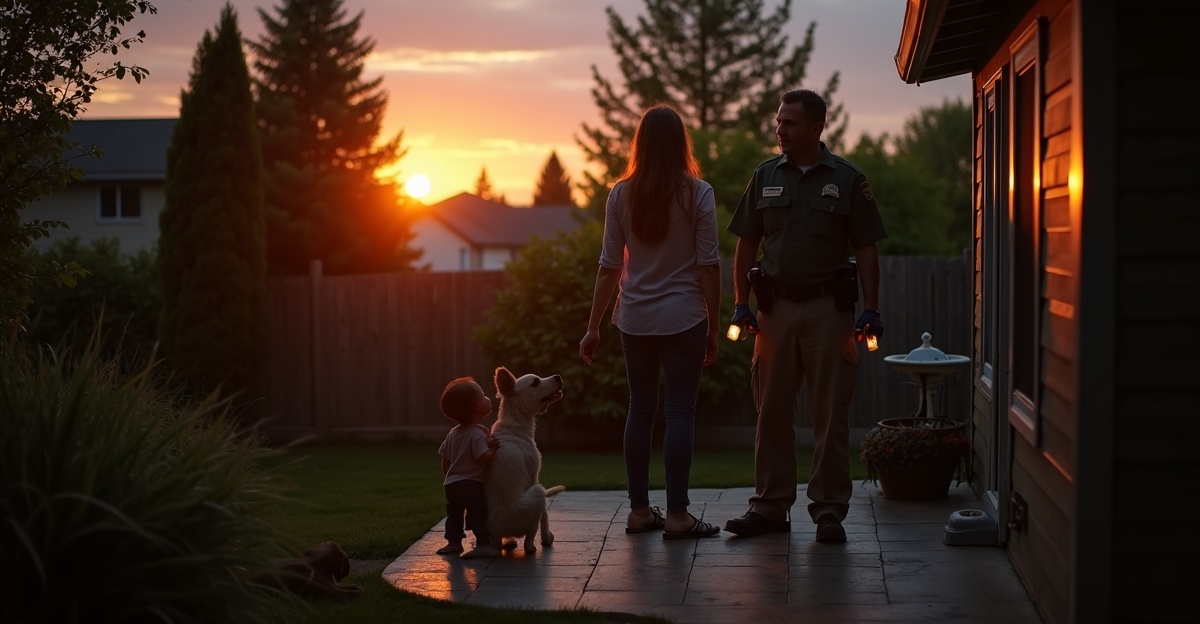
Sometimes, no matter how many citronella candles we light or how carefully we dump standing water, mosquitoes still make themselves right at home. If we’ve done what we can and they keep coming back, it may be time to take a closer look.
Clear Signs It’s Time to Get Professional Help
Here are a few indicators that it’s worth bringing in our team to restore your peace and protect your home:
- Mosquitoes keep showing up in large numbers. If we’ve already swapped out standing water, trimmed shrubs, and protected windows—but swarms are still ruining evening BBQs—it’s a sign the infestation might go deeper.
- There are breeding spots we can’t reach. Storm drains, roof gutters, or overgrown lots next door might be harboring stagnant water. These hard-to-treat areas can keep feeding the problem.
- We’re seeing repeated bites close to our home. When mosquitoes linger around patios, doorways, or play areas, it’s not only uncomfortable—it increases the risk that someone in the household could develop a reaction to bites.
- We’re worried about loved ones or pets. Kids, older family members, and pets are more sensitive to mosquito bites. Allergic responses can even lead to secondary infections. If we’re dealing with any of that, it’s smart to act fast.
In places like Southeast Idaho, mosquitoes aren’t just annoying—they can also carry risks. Knowing how to protect from mosquitoes in Idaho takes a mix of prevention and quick response.
That’s where we come in. We specialize in mosquito control in Idaho Falls and throughout nearby communities. Using family-safe products and methods, we offer pest control that fits our neighborhood’s needs—always with honest pricing and reliable results.
We also know timing matters. Take a look at the best time for pest control in Southeast Idaho so we can help stop the problem before it grows.
Not sure if your mosquito issue is serious? We’re happy to evaluate your yard. We’ll walk it with you, identify trouble spots, and build a simple plan to bring relief—all without pressure or upselling. Let’s make your outdoor space bite-free again.

Our Southeast Idaho Approach to Safe, Reliable Mosquito Control
We built DeWebb Pest Control on trust, clear communication, and care for our Southeast Idaho neighbors. That means you get straightforward answers, fair pricing, and treatment options that put your family’s safety first. Count on us to protect your peace, comfort, and those outdoor summer moments that matter most.
We treat your home like our own—always with respect, and never with pushy sales or rushed service.
How We Control Mosquitoes the Right Way
Mosquitoes are more than a nuisance here in Southeast Idaho. Their bites disrupt your backyard fun, and their presence can raise concerns, especially for families with small children or pets. That’s why our mosquito control process is both thorough and thoughtful:
- We start with a detailed inspection. Our team walks your property to look for mosquito-friendly areas—standing water, dense shrubs, shaded corners, or clogged gutters. Understanding where mosquitoes breed helps us stop the problem before it grows.
- We identify the mosquito hotspots. Different types of mosquitoes hang around different areas. Identifying them helps us choose the right treatment—not just a one-size-fits-all spray.
- We use family- and pet-safe products. Every one of our treatments considers your loved ones’ safety. If you’re wondering about the safest mosquito sprays for families, rest assured—we use proven solutions that meet both safety and effectiveness standards.
- We explain your options. Whether it’s a one-time application or a seasonal plan, we’ll always talk through your choices—never rushing, never hiding the details. Your comfort and confidence matter.
- We offer consistent monitoring. Mosquito control doesn’t stop after one visit. We’ll check in, make adjustments if needed, and help you prevent future outbreaks.
- We share what we know. From how to reduce standing water to helpful tips for outdoor events, we love empowering neighbors. Planning a cookout? Read our guide on keeping mosquitoes away from backyard BBQs for simple, effective ideas.
We take mosquito control seriously. It’s not just about spraying—it’s about providing thoughtful, seasonal care that fits your property, your family, and your routine.
Why Families in Idaho Trust Our Approach
We serve families across Southeast Idaho with heart. Whether you’re looking for seasonal support or long-term pest control that’s worth it, our promise stays the same: honest help, respectful service, and science-backed treatments that work.
Here’s what sets us apart in mosquito control:
- We treat your space with care, avoiding oversaturation or invasive methods.
- We take the time to answer every question, especially when it comes to your kids’ safety during treatment.
- Our team shows up on time, communicates clearly, and always follows up.
- We’re local—just a call or a visit away, whether you’re in Idaho Falls, Pocatello, or the surrounding area.
Mosquitoes don’t stand a chance against our experience and care. And we don’t forget who we’re protecting—your family, friends, and those backyard memories that make summer great.
Have more questions about mosquito safety for your pets or kids? Talk to our local team—no pressure, just real answers from folks who care.
Whether you’re new to our area or just tired of the buzz, we’re here with dependable mosquito control in Idaho Falls and beyond. Because comfort in your own yard shouldn’t be out of reach. Let’s bring that peace of mind back to your summer.
Frequently Asked Questions
Mosquitoes in Idaho pose a low to moderate risk during summer, mainly due to West Nile virus. While most bites only cause itching and irritation, certain mosquito species can carry disease. The risk increases in July and August, especially near standing water. Serious illness is uncommon, but awareness and basic prevention are still important.
Yes, some mosquitoes in Idaho can transmit West Nile virus. Species like Culex mosquitoes are known carriers and are most active in mid to late summer. Most infected people experience mild or no symptoms, but a small percentage can develop serious neurological illness, particularly older adults or those with weakened immune systems.
Mosquitoes in Idaho commonly breed in standing water around homes. Gutters, birdbaths, livestock troughs, overwatered lawns, and containers like buckets or flowerpot saucers are frequent problem areas. Even small amounts of stagnant water can support breeding, so regular yard checks are one of the most effective ways to reduce mosquito risks.
Mosquitoes in Idaho are most active from dusk to dawn during the warmer months, a pattern noted by University of Idaho Extension mosquito management resources. Activity typically peaks between late June and August when temperatures and moisture levels are highest. This timing increases bite risk during evening outdoor activities, making repellents, protective clothing, and fans especially useful at those times.
The best way to reduce mosquito risks at home is to eliminate standing water and limit mosquito access. Empty water sources weekly, maintain window and door screens, trim vegetation, and avoid overwatering lawns. Using EPA-approved repellents and outdoor fans adds protection, while persistent problems may require professional mosquito control.