
Can You Prevent Spiders Without Chemicals?
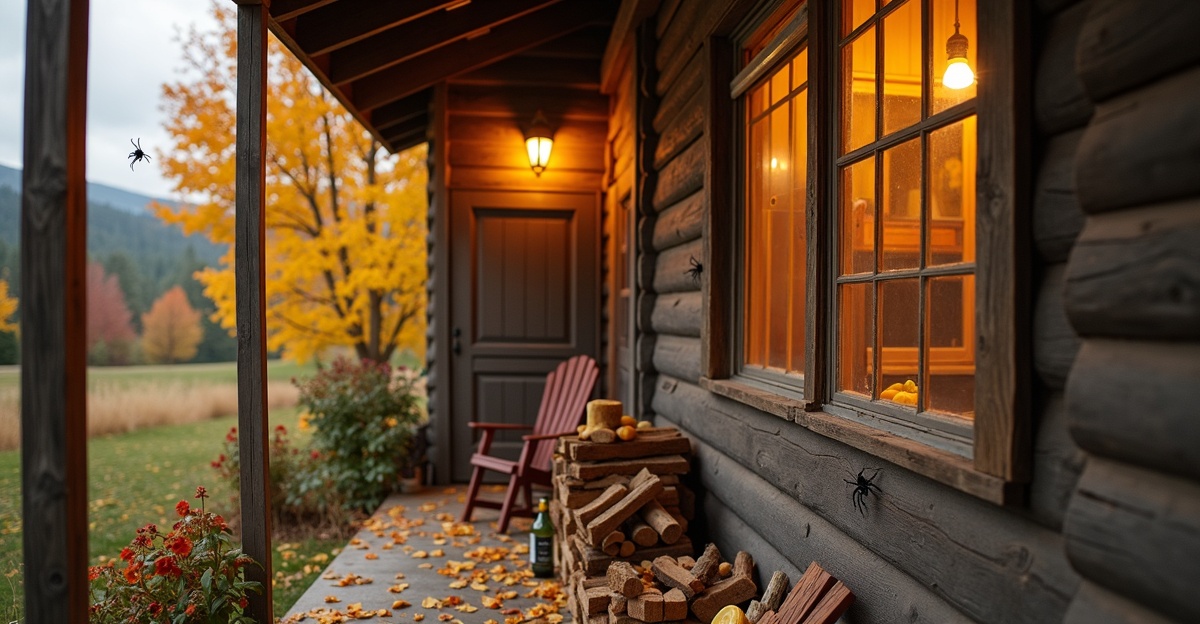
Natural spider prevention in Idaho works well, especially when we apply smart home practices along with safe, family-friendly solutions. Sealing small openings, using specific scents, and managing indoor dampness all play a role in keeping spiders away. These chemical-free steps help block common entryways—especially during the active fall season.
Key Takeaways
- Spiders often move into Idaho homes during the fall as they look for warmth. They find easy access through cracks in foundations, uncovered vents, and cluttered storage areas.
- Natural solutions like peppermint oil, white vinegar, citrus peels, and cedarwood work well to repel spiders. These ingredients are safe for people and pets as long as we use them correctly.
- Staying on top of regular cleaning—such as vacuuming webs, lowering indoor humidity, and using outdoor lighting that doesn’t attract bugs—makes the environment less welcoming for spiders.
- Blocking gaps, keeping window screens in good shape, and trimming plants that touch the home’s exterior help form a dependable defense without any chemical treatments.
- If these non-chemical measures don’t fully control the issue, or if we suspect venomous types, calling in professionals ensures safe, knowledgeable treatment based on the level of concern.

Why Spiders Show Up in Idaho Homes—and When to Expect Them
As cooler weather settles in, we see spider season in Idaho really kick into gear. Spiders don’t come inside to cause trouble—they’re trying to survive. When fall approaches and outdoor temperatures start to drop, these little critters hunt for warmth, food, and a safe place to nest. That’s when they often slip into homes across Southeast Idaho.
When Spiders Become Most Active Indoors
Here in Idaho, summer days fade fast. As soon as early autumn rolls around, mature male spiders begin roaming in search of a mate, a seasonal behavior commonly explained by university entomology experts studying fall spider activity. That’s one reason why sightings spike in September and October. Combined with cooler evenings and shorter days, it creates the perfect storm for increased indoor spider activity.
Areas with high indoor humidity—like unfinished basements, leaky crawl spaces, or even steamy bathrooms—can lure them in even more. Spiders are drawn to moisture, which gives them better chances of finding other insects to feed on, a relationship described in extension research on how humidity supports indoor pest populations. This makes ventilation and moisture control especially important in homes around Southeast Idaho.
Where Spiders Sneak Inside
Most Idaho homes have a few hidden gaps or nooks that spiders love to exploit. We see this often in older structures and rural homes with barn-style designs or farm siding. If there’s easy access to warmth and food, spiders won’t think twice.
Watch out for these typical entry points:
- Basements, especially if unfinished or cluttered
- Garage corners and wall voids
- Crawl spaces near foundation cracks
- Vents, torn window screens, and spaces under doors
- Eaves and siding with gaps, common in rural construction
Local species like the hobo spider or the ever-present common house spider are the most frequent visitors. Their numbers usually climb during spider season in Idaho, with male hobos being especially mobile in the fall. To learn how to spot the dangerous ones, take a look at our guide on identifying dangerous spiders in Idaho homes.
We’ve also noticed that many folks wonder if spider sightings mean their home isn’t clean. That’s a common concern, but rest assured, that idea’s a myth. For peace of mind, visit our blog post on do spiders mean my house is dirty—you’ll discover it’s not about cleanliness.
If you’re interested in keeping spiders out without harsh products, there are practical approaches that work well when combined with habits that reduce attractants. From sealing entry points to managing humidity, we share these in our full list of spider prevention tips for Idaho basements.
Of course, if things start feeling a little too crowded with eight-legged guests, we’re here to help. Our spider control service provides safe, family-friendly options that fit your home’s needs all year long.

Natural Solutions That Really Work: Safe Ways to Keep Spiders Out
Keeping spiders away doesn’t always mean breaking out heavy chemicals. We’ve seen great results with methods that use simple, safe ingredients you can easily fold into your cleaning habits and home setup. Whether you’re trying to ease your mind or protect curious kids and pets, natural spider prevention in Idaho can be practical, affordable, and effective.
Everyday Oils and Scents That Spiders Hate
Spiders rely on scent and vibration to find food and places to nest. Using strong, natural smells is one of the easiest ways to send them packing. We often recommend these natural spider repellents for homes because they’re safe, non-toxic, and easy to apply:
- Peppermint oil: A fan favorite. Mix about 10–15 drops with water in a spray bottle and mist areas like baseboards, under sinks, and entryways. Reapply every few days for best results.
- Tea tree oil: This strong-scented oil doesn’t just freshen your home—it also deters spiders. Use it the same way as peppermint oil.
- Lemon and orange essential oils: Spiders shy away from citrus. You can also rub lemon peels along windowsills or use citrus-scented cleaners regularly.
- White vinegar and water mixture: Simple and affordable. Spray in corners, around window frames, and in closets to interrupt spider scent trails.
- Cedar blocks or chips: Great for closets, storage boxes, or under the bed. Cedarwood keeps storing spiders at bay without any sprays at all.
These home remedies for spiders are a solid choice if you want to protect your space while avoiding harsh treatments. You’ll need to reapply them more often than chemical sprays, but their ease of use and safety make them a favorite around homes across Idaho.
Habits and Light Choices That Make a Difference
Making your home less attractive to spiders starts with understanding what draws them in—and what keeps them coming back. Here’s how we keep their numbers low in homes just like yours:
- Keep window sills and corners clean: Dust regularly and vacuum webs the moment you spot them. Consistently removing webs breaks their pattern of returning to the same spots. Over time, they’ll skip your house entirely.
- Use yellow or amber exterior lighting: Regular white lights attract flying insects, which then attract hungry spiders. Switching your porch or backyard lights to warmer tones can drastically cut down on the buffet spiders find outside.
- Limit how much outdoor lighting stays on overnight: Less light means fewer bugs, which means fewer spiders naturally following them in.
- Seal cracks and gaps: Check around doors, windows, vents, and the foundation for small spaces spiders could squeeze through. A quick seal can make all the difference.
- Declutter storage areas: Spiders love hiding in quiet, dark places. Reducing clutter in basements and garages is a proven method. If you’re working on keeping spiders out of your basement, this step matters a lot.
We’ve worked with many Idaho families who want to know whether spiders pose a risk to their kids. The good news is that most local spiders aren’t aggressive. But that doesn’t mean you want them sharing your home. A clean environment and consistent habits can drastically reduce sightings and avoid webs altogether.
If you’re wondering whether spiders reflect a dirty house, don’t worry—they don’t. It’s more about how appealing your home is to the insects that spiders eat.
And if you’re counting on plug-in devices, it’s worth learning whether electronic pest repellers are worth the money. From what we’ve seen, results are spotty.
When working toward chemical-free spider control, consistency goes a long way. Using natural techniques consistently and pairing them with smart cleaning habits builds a barrier that spiders won’t want to cross.
If you’re ready for support that puts safety and peace of mind first, our team can give your home the extra edge. We handle professional and eco-conscious spider control options across the area, always with your family’s comfort at heart.

Make Your Home Less Inviting: Exterior and Interior Prevention Tactics
Spiders don’t need much to move in—just a crack here or an open vent there. That’s why we focus on blocking their favorite ways in. Taking a few simple steps around your property can go a long way in keeping spiders outside where they belong.
Start with the exterior. We recommend sealing gaps and cracks with silicone caulk. Pay close attention to spots around utility pipes, basement vents, and window frames. Even the tiniest opening can be enough for a spider to squeeze through. Next, check that all your windows and vent covers have intact fine-mesh screens. If they’re torn or don’t fit snugly, spiders and other pests see an easy path inside.
Vegetation is another common culprit. We suggest trimming shrubs, bushes, or overhanging trees that touch your siding or roof. Firewood and lumber stacked right against the house can also act like little pest motels. Move these at least a few feet away and elevate them when possible. It makes it harder for insects—and the spiders chasing them—to wander inside.
Inside your home, cluttered storage is a spider’s paradise. Try using open shelving systems in your garage and basement. Avoid stacking cardboard boxes on the floor. Keeping things off-ground and spaced out limits dark, undisturbed corners where spiders love to nest.
These tactics make a meaningful difference, especially for rural and suburban homes in Southeast Idaho where nature sits right outside our doors. Combined, they provide a strong barrier—completely free of chemicals—that discourages spiders from settling in.
Key Spider Prevention Tips for a Chemical-Free Approach
Let’s break down some eco-friendly pest control ideas that naturally create a less inviting space for spiders:
- Seal cracks around windows, baseboards, doors, and utility lines using silicone-based caulk.
- Install or repair fine-mesh screens on all windows, crawlspace vents, chimneys, and attic vents.
- Trim plants, bushes, and tree branches at least two feet from your siding or foundation.
- Relocate outdoor woodpiles and compost bins several feet from your home’s outer walls.
- Use storage bins with lids and avoid floor-level cardboard boxes in basements and garages.
- Allow light and airflow in undisturbed areas, especially dark corners and under furniture.
For more ways to protect your crawl spaces and basements, check out this handy guide on how to keep spiders out of Idaho basements.
Keeping spiders out doesn’t mean we need to rely on sprays or foggers. But it does call for ongoing attention. Pairing these steps with expert help makes prevention even easier. Our friendly team provides local spider control service that respects both your home and the environment.

Family and Pet-Safe Strategies: Naturally Protect Those You Love
Keeping our homes safe for kids, pets, and guests is always a top priority. Many families we help in towns like Rigby and Ammon ask us the same question: “Is this safe for my children or pets?” The short answer is yes—when natural methods are used properly, chemical-free spider control can be both safe and surprisingly effective.
Smart Natural Options That Work
We often recommend essential oils, especially peppermint, lemon, and lavender. Spiders dislike strong scents, and these oils can double as freshening agents that make your home smell welcoming. But it’s important to remember: not all essential oils are the same when it comes to safety.
Here’s what we generally suggest for safe pest control for kids and pets:
- Use diluted essential oils only. Always mix with water and spray lightly around entry points and baseboards.
- Peppermint oil is a solid go-to for discouraging spiders, with published research examining essential oils as natural arthropod repellents supporting its deterrent effects, and most pets tolerate it well in low doses.
- Tea tree oil has some spider-repelling properties too, but it can be harmful to dogs and cats if used too heavily or applied where they might lick it.
- Stick to water-based sprays and apply them in places pets and kids can’t touch or reach—avoid cribs, pet beds, and feeding areas.
We know every household is different. That’s why we take time explaining which options are safest depending on your pets, kids’ ages, and household habits. A few tweaks to placement and ingredients can make a big difference.
Build a Safer Barrier with Physical Tools
Beyond gentle sprays, there are reliable tricks that make your home less inviting to spiders without using any products at all. These practical tools set the stage for long-lasting prevention:
- Vacuum webs and egg sacs often: Use a HEPA-filter vacuum for this job. It helps reduce allergens and ensures spiders and their mess are truly removed from your home.
- Install door sweeps and repair screens: Small gaps are an open invitation to spiders. Simple fixes create powerful barriers.
- Store food in airtight containers: While spiders aren’t after your leftovers, their food—other insects—is. Keeping things sealed helps starve out the pests spiders love.
- Clear out clutter: Basements, crawl spaces, and storage rooms are favorite spider hangouts. A clean space gives them fewer places to hide.
- Switch out outdoor lights: Yellow-tinted bulbs attract fewer bugs, which means fewer spiders following their usual meal ticket to your porch, a pattern supported by research comparing insect attraction to different light wavelengths.
Whether it’s a newly built home or a seasoned family property, we often see greener, physical strategies work best when they’re used consistently.
If you’re noticing webs in darker areas or behind furniture, and wondering if spiders are a cleanliness issue, the answer is usually no. Spiders care more about food and hiding spots than how shiny the floors are.
We also help families figure out how often they should treat for spiders, especially when using natural methods. A consistent schedule—even monthly in high-activity seasons—can go a long way without needing chemicals.
It’s also smart to understand local risks. If you’re uncertain about which ones to worry about, check out our quick guide on how to identify dangerous spiders in Idaho homes.
And if you’re still weighing next steps, our spider control services include consultations that help you choose the least disruptive options for your household. We’re just as invested as you are in protecting the most important parts of home life.
Natural doesn’t mean unreliable. These methods, combined with routine checks and minor tweaks around your space, bring peace of mind the safe and simple way.
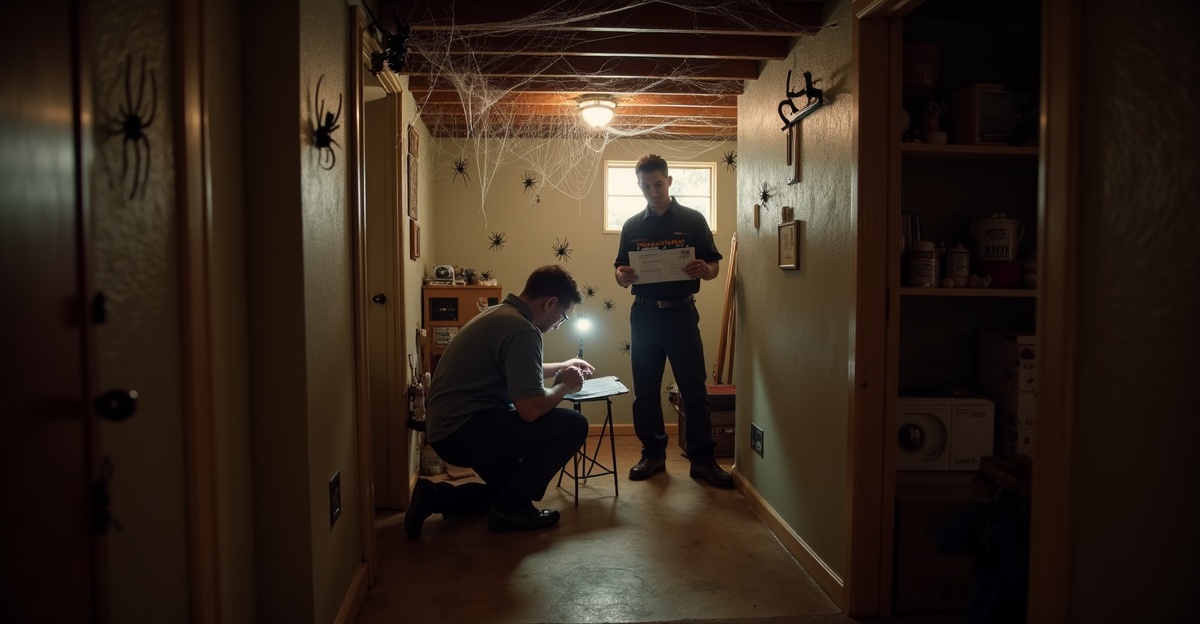
When It’s Time to Call a Professional
Natural efforts can go a long way, especially in keeping low-level spider activity in check. But some situations call for a bit more support from those who deal with spider issues every day.
Signs It’s Time To Bring in a Pro
If you’ve done the work—sealed up cracks, cleared out clutter, and added natural deterrents—but still notice too many eight-legged guests, it might be time to bring in reinforcements. Here are clear signs your spider problem may need expert attention:
- You’ve identified potentially venomous species like the black widow or hobo spider. Knowing how to identify dangerous spiders is key, but safer to confirm with a trained eye.
- Spiders keep coming back, even after thorough cleaning and natural treatments.
- Webs are multiplying in the same corners week after week, especially in basements and attics.
- You’ve used DIY solutions consistently for weeks with little or no success.
We understand wanting to keep chemical use to a minimum. If your efforts haven’t paid off—and you’re still seeing a spider or two every time you go down to grab something from storage—it’s a good idea to call someone who can safely and respectfully assess what’s really going on.
Our team respects your home and your choices. At DeWebb Pest Control, we offer a thoughtful approach that combines smart prevention with safer treatments that fit Southeast Idaho homes. Whether you live in Idaho Falls, Pocatello, or any of the neighboring communities, we know where spiders like to hide and how local factors influence infestations. We’ll never rush to spray something if there’s a better long-term fix.
We also take care to educate while we work. For example, many families worry that having spiders in the house might mean it’s not clean enough—but that’s often not true. Learn more in this article that explains why spiders might move in.
If you’ve tried everything and still feel like you’re battling cobwebs, don’t go it alone any longer. Reach out to our team for honest answers and practical solutions. We keep things simple, safe, and stress-free.
If you’re looking for a safer, more holistic pest control approach in Southeast Idaho, we’d love to help—reach out for a free assessment.

Common Questions from Southeast Idaho Homes
We often hear from folks around Southeast Idaho wondering how they can keep spiders away without reaching for harsh chemicals. Whether you’re trying to protect curious toddlers, pets, or just prefer a cleaner, greener home, let’s go through some honest, effective ways to handle spider concerns naturally.
Natural Ways to Keep Spiders Out in Idaho
We’ve found several straightforward methods that work well across Southeast Idaho homes. These can help reduce spiders without adding risky ingredients into the mix:
- Seal entry points: Cracks, vents, and gaps around doors or windows invite spiders in. Caulking and weather stripping go a long way.
- Tidy up around the outside: Piles of leaves, firewood, and tall grass give spiders ideal hiding spots. Keep landscaping trimmed and clean.
- Diatomaceous earth: This natural powder, made from crushed fossils, scratches the waxy coating on spiders and insects, drying them out safely, a mechanism explained in extension guidance on how diatomaceous earth works as a desiccant.
- Cedarwood chips: Spiders don’t love cedar. Spread some around doorways, closets, or garages.
- Natural essential oils: Peppermint, tea tree, and citrus oils are strong repellents. A few drops in water sprayed along baseboards and crevices can make a real difference.
For more seasonal advice, especially as temperatures change, take a quick look at how to keep spiders out of your Idaho basement, where shifts in weather bring more activity indoors.
Essential Oils and Pet Safety
It’s always a smart move to be cautious with oils around pets, especially cats and dogs. Some oils—like eucalyptus and tea tree—can be harmful if ingested or absorbed in large amounts. If we’re using essential oils as part of a repellent, we dilute them heavily and keep areas ventilated. We also avoid spraying near food bowls, bedding, or popular nap spots. Peppermint oil, diluted properly, is generally considered safer—though we’d still monitor pets closely the first few times it’s used.
Why Spiders Show Up in the Fall
In our area, early autumn often brings a wave of spider sightings indoors. That’s because male spiders are on the move, looking for mates, and cooler weather means they start looking for warmth. It doesn’t mean we suddenly have more spiders. It just means we’re seeing the ones that want in. Keeping outside lights off at night and vacuuming regularly can cut down on both spider activity and the flying bugs that attract them.
To better understand this seasonal spike, we wrote a full guide on dangerous spiders in Idaho homes and where they tend to hide during colder months.
Keeping Garages Spider-Free Naturally
Garages are prime real estate for spiders. They’re quiet, dark, and often full of clutter. Without reaching for anything chemical-based, here’s what we recommend:
- Organize storage: Use tightly sealed plastic bins over cardboard boxes.
- Sweep regularly: Webs and egg sacs left untouched encourage repeat visitors.
- Use yellow lighting: Regular white bulbs draw flying insects, which bring spiders. Swap to sodium vapor bulbs or LED bug lights.
- Add cedar blocks or diluted peppermint spray near doorframes and corners.
If you’re struggling with more than just spiders in your garage, spiders often show up alongside other nuisance bugs. Our earwig control options, for instance, can also support broader prevention efforts.
Spider Control for Families with Toddlers and Infants
We understand that families with little ones want clean, safe homes and aren’t willing to compromise. Here’s what works best for families in Southeast Idaho:
- Frequent vacuuming (especially corners and behind furniture)
- Blocking off gaps behind appliances or baseboards using foam strips
- Using homemade vinegar sprays—it’s simple: 1 part vinegar to 1 part water
- Sticky traps placed behind furniture where children can’t reach but spiders might enter
These steps help us avoid using treatments that might concern new parents while still giving us peace of mind.
Extra Peace of Mind with Pro Help
Home remedies and natural approaches can work well, especially when used consistently. But sometimes spiders just keep finding their way in. That’s when it helps to have licensed help with prevention strategies that protect your family without overusing chemicals. Our team can offer gentle, family-safe solutions through our spider control services designed specifically for Southeast Idaho homes.
Also, if you’re wondering if those plug-in gadgets make any difference, check our insight on whether electronic pest repellers are worth the money.
Whether you’re completely chemical-free or just looking for safer spider control, there’s a lot we can do together. And if you’re still scratching your head about how often to act, don’t miss our answer on how often you should treat for spiders in Idaho.
Frequently Asked Questions
The most effective natural spider prevention in Idaho combines sealing entry points with scent-based repellents. Caulking cracks, repairing window screens, and adding door sweeps physically block spiders. Peppermint oil, citrus scents, and cedar disrupt spiders’ sensory cues and discourage nesting. When these methods are used consistently, they significantly reduce indoor spider activity without chemicals.
Natural spider repellents work by disrupting spiders’ ability to navigate and settle, not by killing them. Essential oils like peppermint and citrus interfere with scent trails, while vinegar breaks down pheromones. However, repellents work best when paired with cleaning, moisture control, and sealing gaps. On their own, they may provide only temporary relief.
Spider season in Idaho typically peaks in early fall, especially September and October. Cooler temperatures drive spiders indoors in search of warmth and mates. Prevention should start in late summer by sealing cracks, reducing outdoor insect activity, and decluttering storage areas. Early action helps prevent spiders from establishing indoor hiding spots.
Most natural spider prevention methods are safe for pets and children when used correctly. Diluted peppermint oil, vinegar sprays, and cedar products are generally low risk. Oils should always be mixed with water and applied away from pet bedding, toys, and food areas. Physical barriers like screens and door sweeps are the safest long-term options.
Spiders often return if food sources or entry points remain available. Flying insects attracted to exterior lights, indoor humidity, and cluttered storage areas can undo natural prevention efforts. Natural solutions require consistency and environmental control. If spiders repeatedly reappear despite these steps, there may be hidden gaps or moisture issues drawing them inside.