How to Stop Ants From Entering Through Windows

Ants slipping in through windows can be a persistent issue in Southeast Idaho. Small gaps, lingering moisture, and nearby food make windows a prime target for these pests. To keep ants out, we need to seal every tiny crack, disrupt their scent paths, and maintain clean, dry window zones with frequent checks.
Key Takeaways
- Check and reseal window frames with durable, weatherproof caulk. Install or fix snug-fitting screens to block the usual entry points.
- Apply natural repellents like vinegar, lemon juice, or diluted essential oils to clear scent trails safely and effectively.
- Keep every window area spotless and moisture-free. Even a few crumbs, sticky spots, or condensation can bring in ants fast.
- Fix moisture problems near windows by boosting airflow or adding a dehumidifier—especially in kitchens and bathrooms where dampness builds up.
- Seeing recurring trails, winged ants inside, or ants in several rooms often points to a larger infestation. In those cases, we recommend calling pest control experts.
What You Can Do Right Now to Keep Ants Out of Your Windows
Ants are resourceful little invaders. They’ll find the tiniest gap—often smaller than 1/16 of an inch, as noted by university entomology guidance on structural pest exclusion—and use it like a front door. To stop ants entering windows, we need to shut down their access and eliminate what’s drawing them in.
Seal and Secure Your Windows
Start by inspecting the window frames closely. Look for any cracks, holes, or gaps where frames meet walls or sills. Even old caulking that’s dried up can leave enough room for ants to wiggle through. We recommend using a weather-resistant caulk built to hold up through the seasons. Once it’s sealed, ants won’t have an easy way in.
A second layer of defense comes from your window screens. If they’re worn out, have holes, or don’t sit flush against the frames, ants can sneak through. Installing new screens or repairing damaged ones creates a physical barrier that’s hard for pests to pass.
Cut Off Their Attraction to Your Home
Most of the time, ants aren’t just wandering—something’s caught their attention. Scent trails tell them where to follow, and that usually leads to food, water, or residue. Here’s how we break those trails and make your windows far less appealing:
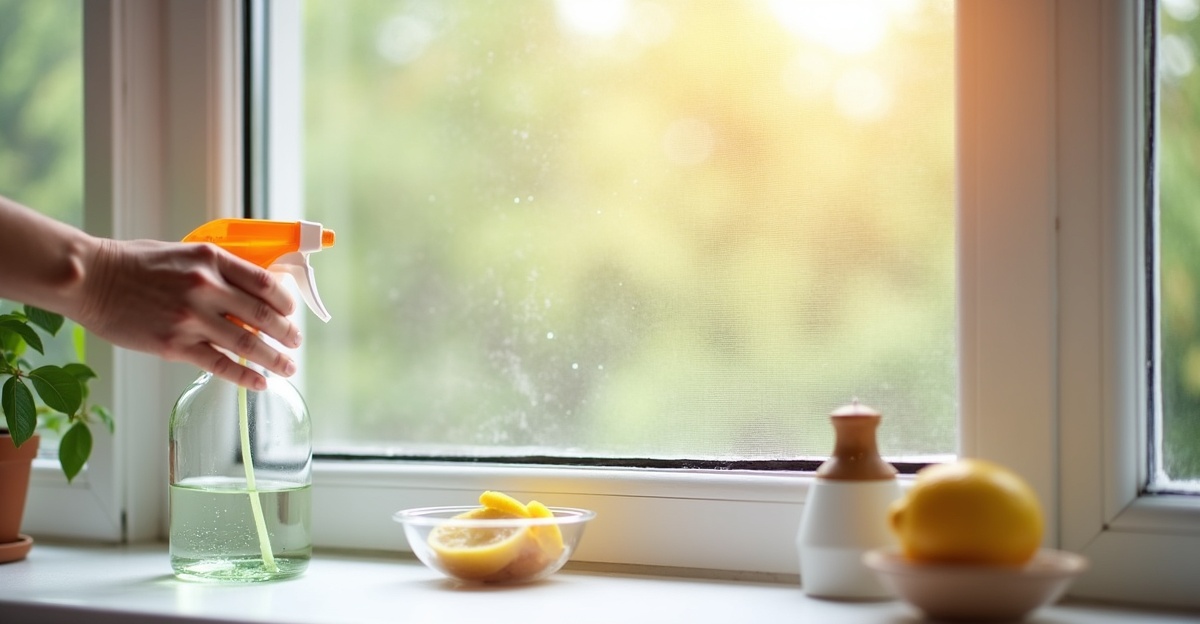
- DIY Ant Barriers for Windows: Use a 50/50 vinegar-water mix to wipe down the sills and frames. It disrupts the pheromone trails ants follow. Lemon juice does something similar, and adding a few drops of peppermint or tea tree essential oil (diluted with water) can double as a fresh-smelling deterrent. These are safe pest control strategies for families and pets.
- Stay Clean and Dry: It helps to regularly clean around windows to remove sticky spots or crumbs. Even a few drops of spilled juice or condensation on the frame can draw in an entire colony. An easy daily wipe with a damp cloth can make a big difference.
- Fix Moisture Issues: Ants are drawn to water just as much as food. Leaky windows or trapped humidity around the frames give them reason to stick around. Consider using a dehumidifier in especially damp rooms or improving ventilation with fans.
If you’re often wondering what brings ants into kitchens and bathrooms, moisture buildup tops the list. The same logic applies by your windows, especially those near sinks or high-humidity spaces.
By dealing with both entry points and attractions, you’re short-circuiting the ant trail before it becomes a highway.
Sometimes, despite these efforts, they still return. If that happens, you’re not alone. We’ve seen plenty of folks asking why ants keep coming back even after treatments. It often comes down to missed entryways or deeper nests nearby.
In those cases, reaching out for help can give you the backup you need. Our team offers highly targeted ant control services that deal with both the ants you see and the colony you don’t. We also take extra care to use safe, home-friendly products that won’t put your family or pets at risk.
Maintaining these everyday habits and being proactive around windows can turn things around quickly. And if you’re curious about broader protection beyond just ants, we offer helpful plans explained in our post on what’s included in general home pest protection too.
You don’t have to do it alone. We’re always here to help keep your home safe, dry, and ant-free—one window at a time.
Why Ants Are Coming in Through Your Windows (And Why It’s So Common in Southeast Idaho)
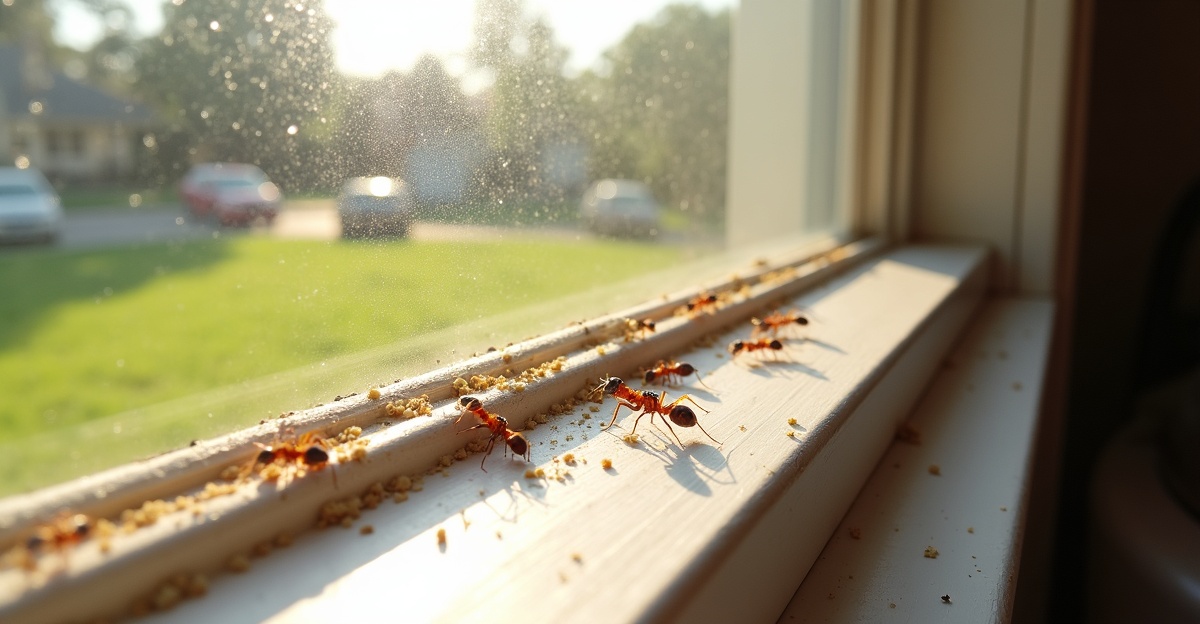
We often hear, “Why are ants coming in through my window?”—and the answer comes down to moisture, food, and easy access. In Southeast Idaho, pavement ants and odorous house ants commonly found in residential structures are the usual culprits, and they’re particularly active around windows for a simple reason: windows check all the boxes on their survival list.
Ants follow scent trails, and windows—especially those near kitchens or bathrooms—offer rich pickings. A bit of moisture from condensation, a forgotten crumb on the sill, or even residue from sugary drinks is enough to draw in scout ants. These spaces also absorb warmth from sunlight, giving colonies a cozy target when temperatures shift, especially during spring and summer as they branch out looking for new food and nesting grounds.
Windows aren’t just openings to the outside—they’re part of regular foraging paths for ants. That’s because:
- They’re next to high-traffic food zones like kitchens.
- They form condensation, giving ants the moisture they need.
- They’re often overlooked in cleaning, leaving behind traces ants can detect even when we can’t.
Why It’s Especially Common in Southeast Idaho
Ant invasions through windows happen more frequently here due to the climate and layout of local homes. DeWebb Pest Control technicians across Idaho Falls, Rigby, and Pocatello often find windows are one of the first points of entry during ant assessments. Here’s why it’s such a widespread issue in our area:
- Spring & Summer Swarms: As temperatures rise, ant colonies expand, pushing worker ants to find new entry points. Windows offer both shelter and access to food.
- High Humidity Near Windows: Seasonal humidity builds up around windows, especially poorly insulated ones, drawing ants seeking moisture.
- Kitchens and Bathrooms Nearby: Many windows are next to kitchens or bathrooms—areas we’ve seen frequently flagged in our inspections due to food particles and water sources.
- Construction Style: Many Southeast Idaho homes use construction features that make window seals vulnerable over time. Cracks, worn-out caulking, and screen gaps can turn windows into revolving doors for ants.
Our team emphasizes prevention over reaction. We regularly help homeowners understand why ants keep coming back, especially after trying DIY fixes. Without sealing those small gaps or addressing the underlying attractants, ants return quickly.
For long-term peace of mind, our residential pest control services cover vulnerable entry points like windows with proactive treatments and barrier strategies. You can also explore more insights on patterns and behavior in our pest control blog.
If you’re dealing with ants sneaking in through a window in Southeast Idaho, we can help stop them for good. It starts with understanding the “why”—and ends with a plan built for your home.
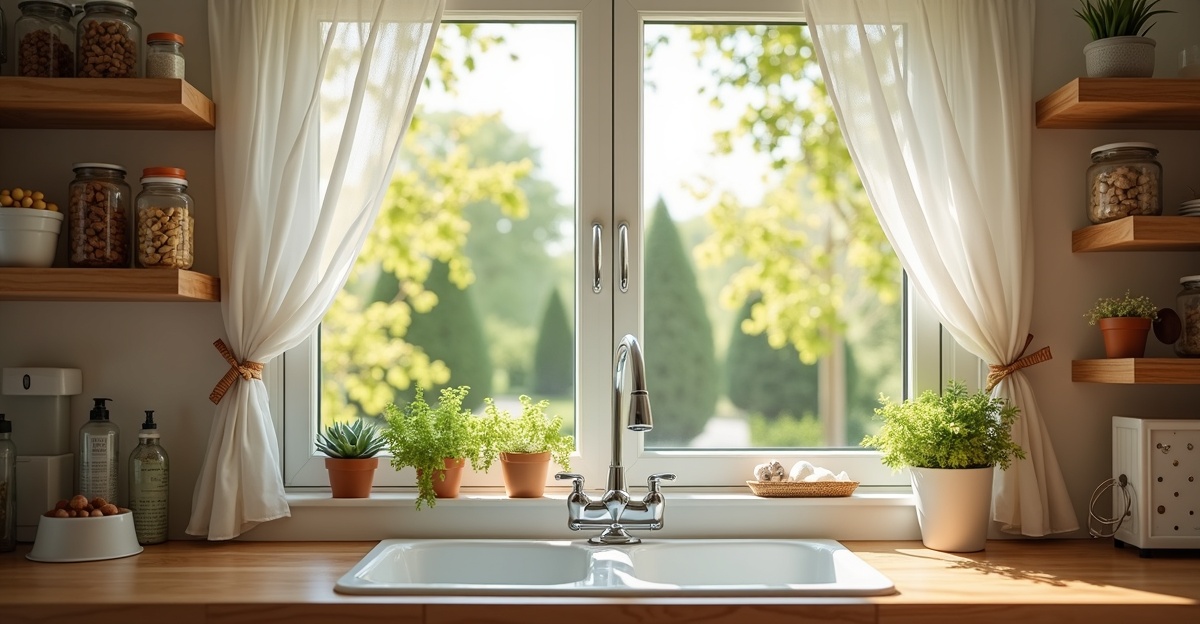
Simple Home Habits to Prevent Ants for the Long Term
Keeping ants from marching in through your windows doesn’t take fancy tools—it just takes a bit of routine and know-how. By making a few easy changes, we can protect our home and keep things comfortable year-round.
Everyday Habits That Keep Ants Out
We’ve seen time and again how small practices can make a big difference. Here are some habits we recommend to safeguard your windows and reduce ant activity:
- Wipe down window sills and frames regularly. Ants follow invisible scent trails, called pheromones, a behavior widely documented in entomology research on ant communication systems. A simple soap and water wipe can break up their route.
- Store food in sealed containers. Ants are drawn to anything sugary or greasy. Stash leftovers, cereal, and even pet food in airtight containers. Pick up pet bowls when not in use.
- Take out the trash daily. Even a nearly-empty bin can attract scouts. Keep lids tight and garbage far from entry points.
- Trim shrubs or tree limbs near windows. Ants often use overhanging branches as bridges into our homes. Keep plants several inches from exterior walls.
- Inspect and maintain gutters. Standing water or heavy soil moisture around windows and the foundation gives ants—and other pests—a reason to linger. Make sure gutters direct water away from the house.
By working these habits into our cleaning and landscape routines, we avoid many of the conditions that bring ants inside in the first place.
We also suggest using gentle repellents where ants are spotted. Natural, pet-safe products with ingredients like peppermint or vinegar can help deter ants without exposing your household to harsh chemicals. Save the strong, broad-spectrum sprays for more serious infestations—and even then, it’s best to call in professionals.
If we’ve followed all the ant prevention home tips and still notice a trail along a window or two, there may be more at play. Perhaps there’s a colony just outside, or an access point we haven’t spotted yet. In that case, our ant control services are always ready to step in with safe, effective treatments. We choose methods with family comfort and peace of mind in mind.
For windows near kitchens or damp bathrooms, the issue might come up again seasonally. Learn more about what draws ants to these areas in our blog post on why ants love kitchens and bathrooms.
Taking the time now to build habits that keep ants out sets us up for a cleaner, more enjoyable home year-round. And if you’re curious about more ways to protect your space, we’ve got plenty of ideas on our home pest control blog.
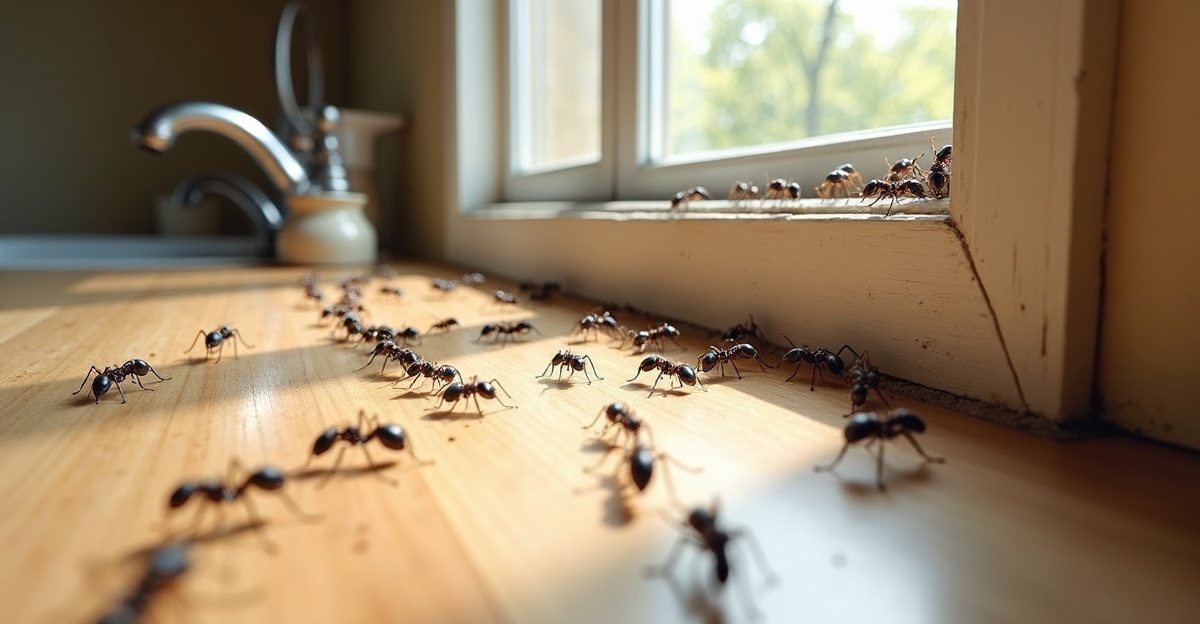
Telltale Signs You’re Dealing with More than Just a Few Ants
Ants have a way of making themselves at home before we even realize there’s a problem. Spotting a few here or there might seem harmless at first, but certain patterns and clues tell us there’s likely much more happening behind the scenes.
Common Warning Signs of a Larger Infestation
Here are some indicators that the ants aren’t just passing through:
- Repeating Trails: If we’re noticing long lines of ants—especially in the same spots day after day—that’s a big red flag. These trails often lead directly to food sources or water, and they usually trace back to a well-established colony hidden nearby.
- Multiple Room Sightings: It’s one thing to see a few ants around a dropped crumb, but finding them in various rooms—like bathrooms, laundry areas, or bedrooms—suggests they’re exploring beyond the kitchen. That typically means the colony is growing, hungry, and thriving indoors.
- Swarmer Ants: Spotting ants with wings… is another strong sign. These are reproductive ants from a mature colony, a stage explained in university entomology guides on ant swarm behavior. If they’re appearing inside the home, there’s a good chance the nest isn’t far away.
- Sawdust or Shed Wings: Finding fine piles of “dust” that looks like sawdust, or discovering tiny wings dropped on window ledges, is often linked to nesting activity. Carpenter ants in particular leave behind frass—a mixture of wood shavings and insect parts—when they tunnel into window frames or walls, as described in structural pest management resources on carpenter ant damage.
- Unusual Nest Hiding Spots: In many older homes around Rexburg and Blackfoot, we often find nests behind decorative trim, inside damaged frames, or hidden where caulk has loosened around windows. Even small gaps can be an open door for ants setting up camp right inside the walls.
We know from experience that catching these signs early makes all the difference in preventing structural issues or long-term discomfort. Many homeowners start by treating surface-level trails, only to wonder why ants keep coming back after treatment. That usually happens when the nest goes untreated—hidden deep behind walls or near moisture-rich areas.
If patterns like these are popping up, it’s time to take a closer look. You can start with our step-by-step advice on what attracts ants into kitchens and bathrooms. Understanding their behavior helps with prevention. But if we’re dealing with winged ants, repeating trails, or signs of nesting—you’re likely past the point of quick sprays and baits.
We’re trained to locate nests at the source, even in places that seem sealed tight or impossible to reach. That’s especially vital in cases of carpenter ants, where early detection protects the wood inside your home. Learn more about our approach to safe, lasting removal through carpenter ant pest control.
And if you’re unsure whether your situation calls for a deeper inspection, don’t worry—we’re here to help assess things clearly and honestly. For those newer to pest control or looking for tips, check out some of our useful resources in the DeWebb Pest Control blog, where we talk through real-life examples and expert techniques.
Protecting peace of mind starts by knowing what to look for. These signs don’t always mean panic—but they do mean it’s time to act. If ants have made themselves comfortable around your windows, reach out to our team for dependable ant control services that fix the problem at the source.
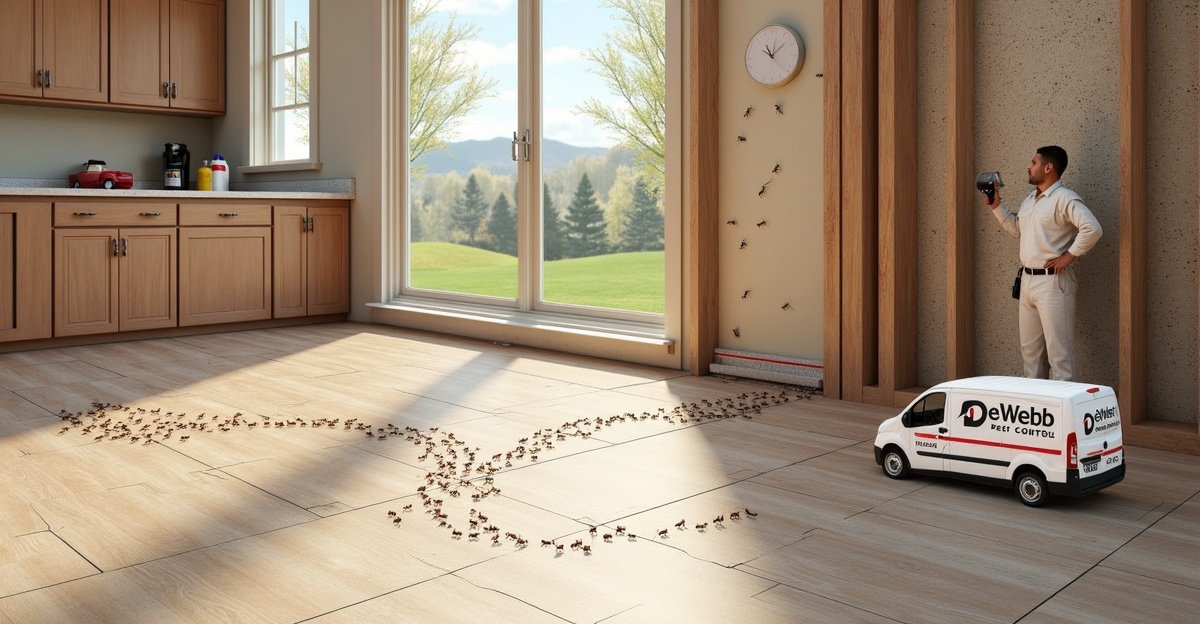
When It’s Time to Call a Professional (And What That Actually Means)
Hoping ants will just disappear rarely works, and over-the-counter sprays only go so far. If you’re still wiping up little trails after a week or two of trying traps or sprays, it might be time to bring in experienced help. Don’t stress—this isn’t a sign that your ant problem is out of control. It just means it’s smart to get ahead of what could become a bigger issue.
Signs It’s Time to Call an Exterminator for Ants
Some situations are simply beyond what DIY products can fix. If ants have managed to move inside your walls, around foundation cracks, or under window sills, they’re operating from safe spots you can’t fully reach without professional tools and treatments. Here’s how to know when it’s the right time to reach out:
- No change after your own efforts: After one or two weeks of bait stations, sprays, or caulking entry points with no improvement, outside help is likely needed.
- New trails keep showing up: If you clean them one day, and they’re back the next, they’re probably nesting nearby or inside wall cavities.
- You see more than one type of ant: Southeast Idaho has native species like pavement ants and harmful invaders like carpenter ants. Spotting different sizes or colors may mean multiple colonies with different habits.
- You’re seeing ants in colder weather: That often means they’ve taken shelter inside—possibly within insulation, wall voids, or even window framing.
Ants don’t treat your home like a guesthouse—they move in and adapt. Some species relocate nests if they feel threatened, which means a simple surface spray might scatter them, not eliminate them. That’s where expert precision makes a real difference. Our licensed team offers specialized support like carpenter ant control to directly tackle hard-to-reach nests.
Why Professional Help Brings Peace of Mind
At DeWebb Pest Control, we’ve handled ant infestations in every season across Southeast Idaho. We live and work right here, which means we recognize exactly how ants behave in our region—from spring swarmers to the ones that love hiding in warm window cracks during fall.
Here’s what working with us really looks like:
- Local knowledge, real results: Our certified technicians understand Southeast Idaho’s ant population inside and out. We don’t guess—we investigate, identify the species, and treat where they’re nesting, not just where they’re walking.
- Family-safe treatments: Your family and pets come first, always. Our products are selected for your safety and effectiveness—no shortcuts, no harsh chemicals.
- Transparent pricing: There are no surprise charges. We start with a free inspection and honest estimate. Whether it’s spot-treating a tricky window area or a full-service plan, we’ll lay it out clearly so you know exactly what you’re getting and why.
- Lasting control: We don’t just treat. We share prevention tips, seal entry points if needed, and help make sure the ants stay out for good. Want to know what’s included with general pest care? Take a look at what’s included in general home pest protection.
And no, you’re not overreacting by bringing in a pro. Scheduling help early on gives you back control—before ants move deeper into your siding or even behind kitchen cabinets. Many folks wait until it’s “bad enough,” but in our experience, peace of mind early makes all the difference.
Still wondering why ants keep coming back even after spraying? That’s one of the top reasons people call us. Persistent colonies often live out of reach without skilled inspection and stronger treatment.
So if you’re seeing ants pop up around your windows again and again, don’t second-guess reaching out. Take the pressure off your plate and let a trusted, local team handle it. You’ve got better things to focus on, and we’ve got this covered.
To get started, explore our full range of ant control services or give us a call—we’ll always pick up and chat through what’s best for your home.
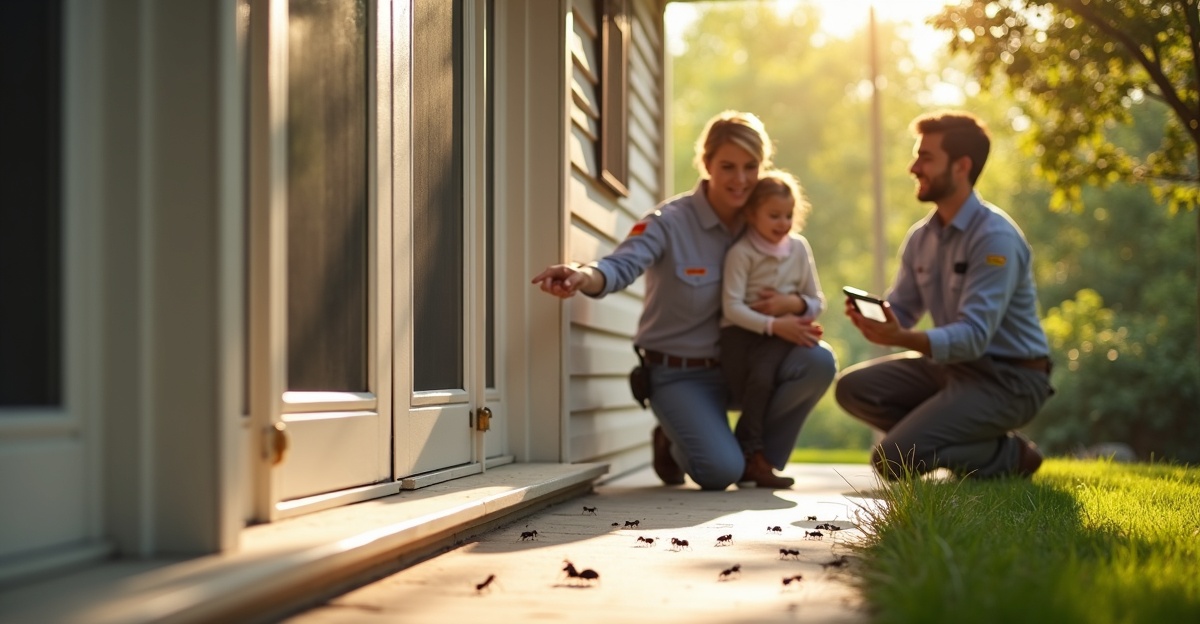
Your Southeast Idaho Partner in Ant Prevention
At DeWebb Pest Control, we’ve seen just about every way ants can sneak into a home—especially those crafty paths through windows. Over the years, we’ve helped thousands of families, retirees, and hardworking neighbors in Southeast Idaho stop ant problems before they get worse. Whether they’re slipping in through tiny cracks around the sill or following invisible scent trails, ants don’t stand a chance when we’re on the case.
Our team understands how small issues like ants at the window can turn into much bigger frustrations. That’s why our approach focuses on safe pest control for families, using proven methods that offer peace of mind without putting anyone—or any pets—at risk. We believe pest control should be stress-free and supportive, not scary or overwhelming. You can always count on us to explain what’s happening, what your options are, and how we can help.
Proactive Home Protection That Works for You
We designed our home protection plans for real life—because let’s face it, nobody has time to chase ants around each season. Whether you’re raising kids, managing a busy work schedule, or enjoying retirement, we’ll help you eliminate the pests and take that worry off your plate for good.
Here’s what local families love about our service:
- Flexible scheduling that respects your time
- Family- and pet-safe treatments that are proven to work
- Friendly, informed techs who show up ready to help
- No pushy sales talk—just honest, dependable support
And we’re proud to say we’ve built our reputation right here in Southeast Idaho through long-term relationships and reliable service.
If you’re noticing regular ant activity around your windows, there’s a good chance other hidden entry points exist too. Our residential pest control service doesn’t just tackle what’s visible—it gets to the root of the issue. We’ll inspect, treat, and help prevent future problems so your home stays safe and calm year-round.
Still trying to figure out why ants find your window frames so attractive? Our post on what attracts ants into kitchens and bathrooms offers helpful insights to guide your efforts.
No-Pressure Help When You Need It
You’ll never get a hard sell from us. Whether you want a one-time visit or full protection through the year, we’ll lay out your options clearly and help you decide what works best for your home. We’re your neighbors in this, and that’s how we treat every visit.
We also keep resources up to date, so if you’re the research and DIY type, we’ve got you covered too. Start with this helpful read on why ants keep coming back after treatment, and then explore our full blog for answers to common questions and new prevention strategies.
If ants are already coming through the window or you simply want to avoid that day altogether, we’re right here, ready to help. Reach out to us at any time—no rush, no pressure, just plain-spoken advice and thoughtful solutions.
Let’s make your home truly yours again. Contact us today and we’ll come take a look. We promise—no scare tactics, just a friendly face and proven help.
Frequently Asked Questions
You can stop ants from entering windows naturally by removing scent trails and blocking access points. Wiping window sills with a vinegar and water solution disrupts ant pheromones, while lemon juice or diluted peppermint oil can deter future activity. Sealing small cracks and keeping window areas clean and dry reduces what attracts ants in the first place.
Ants may keep entering through windows if scent trails, moisture, or tiny gaps remain. Even after cleaning, ants can detect residue humans can’t see. Condensation, worn caulking, or hidden cracks around frames give them both access and water. Unless entry points and moisture sources are addressed, ants often return to the same window.
The best sealant to stop ants entering window frames is a weatherproof silicone or acrylic latex caulk. These sealants stay flexible through temperature changes and effectively close gaps ants use to enter. Old, dried caulking should be removed first so the new seal creates a continuous barrier with no openings.
Yes, moisture around windows strongly attracts ants indoors. Condensation, minor leaks, or humidity buildup provide a reliable water source ants need to survive. This is especially common near kitchens and bathrooms. Improving ventilation, repairing leaks, and using a dehumidifier can make window areas far less appealing to ants.
You should call a professional if ants continue entering through windows after sealing gaps and removing attractants. Repeated trails, winged ants indoors, or ants appearing in multiple rooms often indicate a nearby or hidden nest. Professionals can identify the species, locate the colony, and apply targeted treatments that prevent ongoing reinfestation.