
How to Keep Mice Out of Rural Idaho Homes

Mice search for food and shelter as temperatures drop, putting rural Idaho homes at higher risk during fall and winter. Staying a step ahead means spotting warning signs early, blocking entry points, and removing anything that draws them in.
Key Takeaways
- Look for droppings, chewed materials, and scratching noises—especially around garages, barns, and crawlspaces.
- Close off gaps in foundations, siding, and roof vents using steel wool, caulk, or metal mesh.
- Keep feed and pet food in tightly sealed, rodent-proof containers, and remove access to anything mice might use to build nests.
- Perform seasonal inspections in fall and spring to catch issues early before they spread.
- If traps and preventive steps don’t solve the problem long-term, call in professionals for a thorough assessment and treatment.
Recognizing a Mouse Problem Early: What to Look For
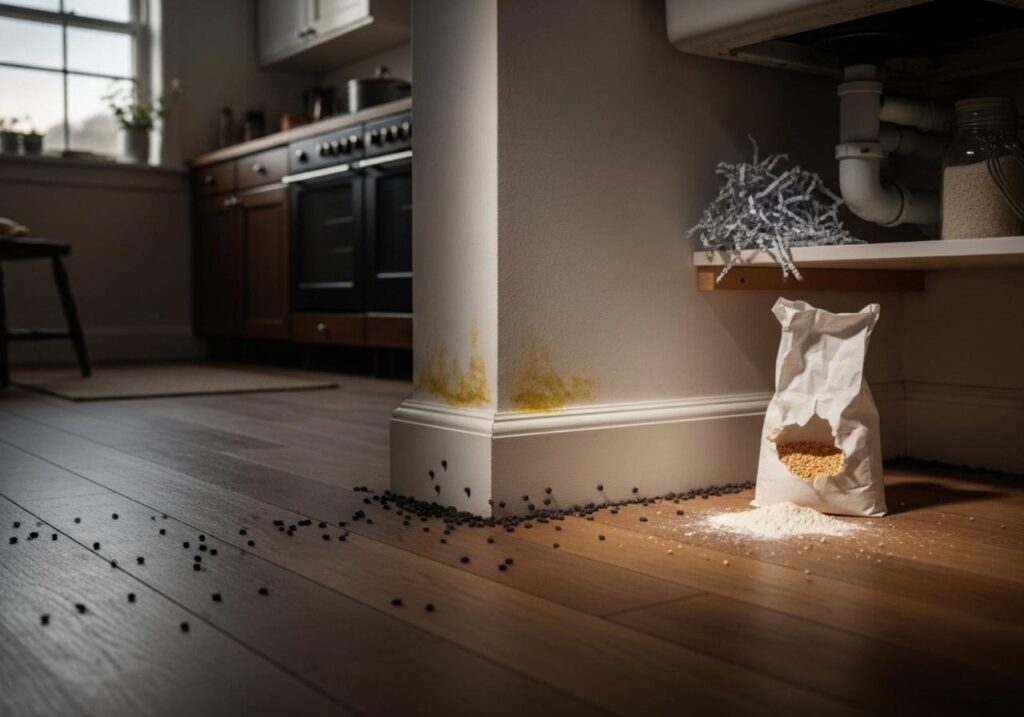
Spotting the warning signs of mice in country homes early can make all the difference. Start by checking for small droppings—often found along baseboards, in pantries, or under sinks. These are a sure sign of active mice.
Alongside droppings, watch for gnawed food packaging, shredded paper or insulation (often used for nesting), and musty odors. Oily rub marks on walls, scratching sounds in ceilings or walls, and actual mouse sightings—especially at night—are also red flags. Keep a close eye on garages and barns too; Chewed wiring or insulation can lead to serious safety concerns, including increased fire risk as outlined by the National Fire Protection Association.
As we like to say, “In Southeast Idaho, we see mouse activity ramp up indoors starting in late September—don’t wait until winter snow to check for signs.” — DeWebb Pest Control Team
If you’re unsure, read our guide on how to tell if you have a mouse infestation in Idaho for more insight.
Seal First: Smart, Local Strategies to Close Off Entry Points
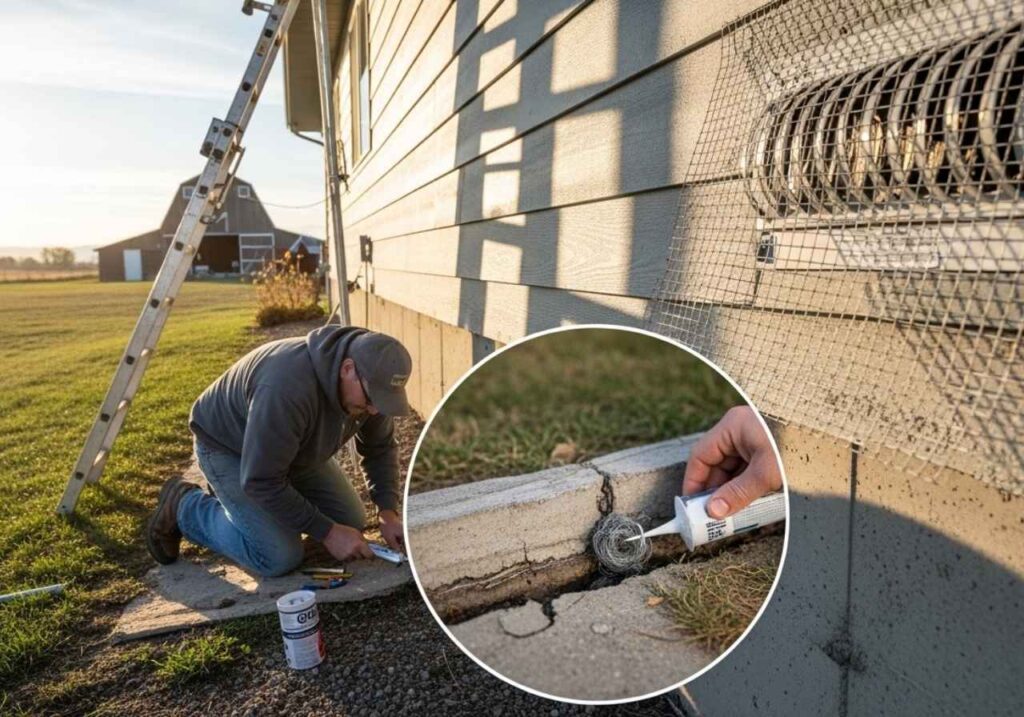
Mouse-proofing a home in Idaho means being smart about where mice sneak in. Tiny gaps—as small as a quarter inch, according to university extension guidance on rodent exclusion—are enough for a mouse to squeeze through. Focus on sealing cracks in foundations, trailer skirts, and older homes if you want to seal home prevent mice winter. Don’t overlook crawlspaces and attic vents, especially on rural properties where outbuildings play a big role—especially if you’re searching for how to get rid of mice in attic Nampa ID.
Use steel wool or copper mesh mixed with caulking to close smaller holes. For larger openings, install rodent-proof flashing or metal mesh. Pay attention to garage thresholds, barn doors, and spots where pipes or wires enter sheds or well houses. These little fixes go a long way in keeping critters out.
For detailed tips on how to keep mice out of barns and sheds, we break it down clearly for Idaho homes.

Control What Attracts Mice: Food, Shelter & Nesting Materials
To keep mice away, we need to take away what draws them in. These are the biggest attractants:
- Store grains, animal feed, and pet food in sealed, rodent-proof containers.
- Clear away outdoor pet dishes after sunset.
- Reduce clutter—like old cardboard, scrap fabric, and soft insulation.
- Manage compost bins and clean up fallen chicken feed around coops.
- Keep trash sealed and firewood stacked away from the home.
If you have kids or pets, focus on non-toxic prevention. Peppermint oil, snap traps in locked boxes, and ultrasound deterrents are great Idaho rodent control tips to keep things safe. These are all smart, affordable ways to start with safe rodent prevention for pets and kids.
Tailoring Solutions to Southeast Idaho Homes and Seasons
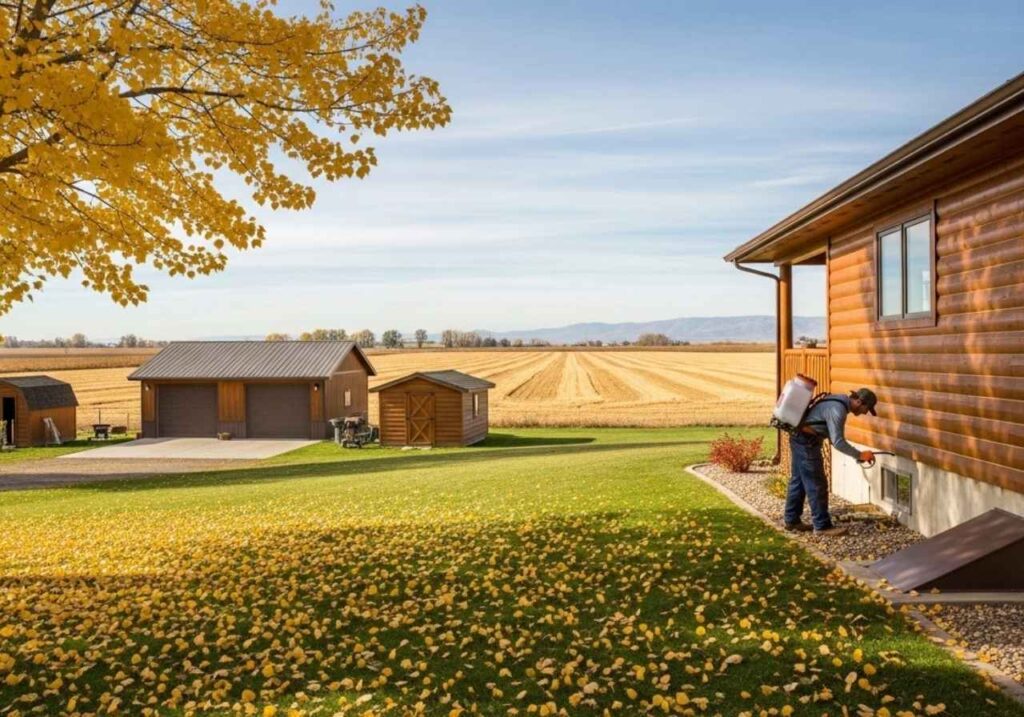
Each home and season brings its own challenge. Fall is a high-traffic time for mice moving indoors—a seasonal pattern noted by University of Idaho Extension in its rodent control guidance—especially once nearby fields are cleared, which is why many homeowners search for how to get rid of mice in attic Meridian ID. —especially once nearby fields are cleared. Whether you live in a log home in Ririe or a mobile home outside Idaho Falls, there’s no one-size approach.
The design and age of rural homes make some more vulnerable than others. Spaces like basements, crawlspaces, detached garages, and outbuildings all need seasonal inspection. A good plan for rural home pest control in Idaho includes knowing the patterns—and how to stay ahead.
As we often say: “Whether you’re in Blackfoot or Ririe, our technicians know the exact spots mice like to get in all year long.” Learn why mice are a bigger problem in the fall to prepare early—and stay ahead.
DIY vs. Professional Support: When to Call in the Experts
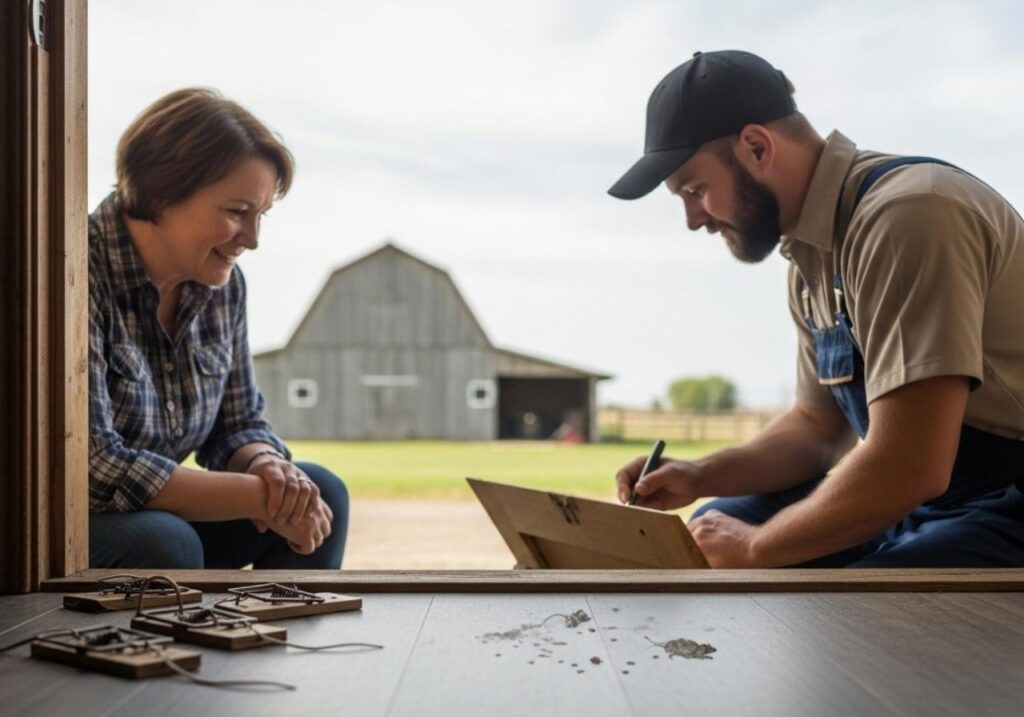
Tried the usual traps and sealants but still finding mouse messes? Many homeowners start wondering how long to get rid of mice in Idaho before deciding it’s time to call us. A single pair of mice can multiply rapidly—as documented by the CDC’s overview of house mouse reproduction rates—making early intervention critical. That’s a problem worth stopping fast.
Whether you’re dealing with a persistent issue or want help across your entire property—barns, crawlspaces, or multiple outbuildings—our rodent control services are designed for Idaho families and farms alike.
Still wondering? Learn more about what to expect from a follow-up after mouse control and what might be causing repeat visits. We’re happy to inspect and share what we find—no pressure at all.
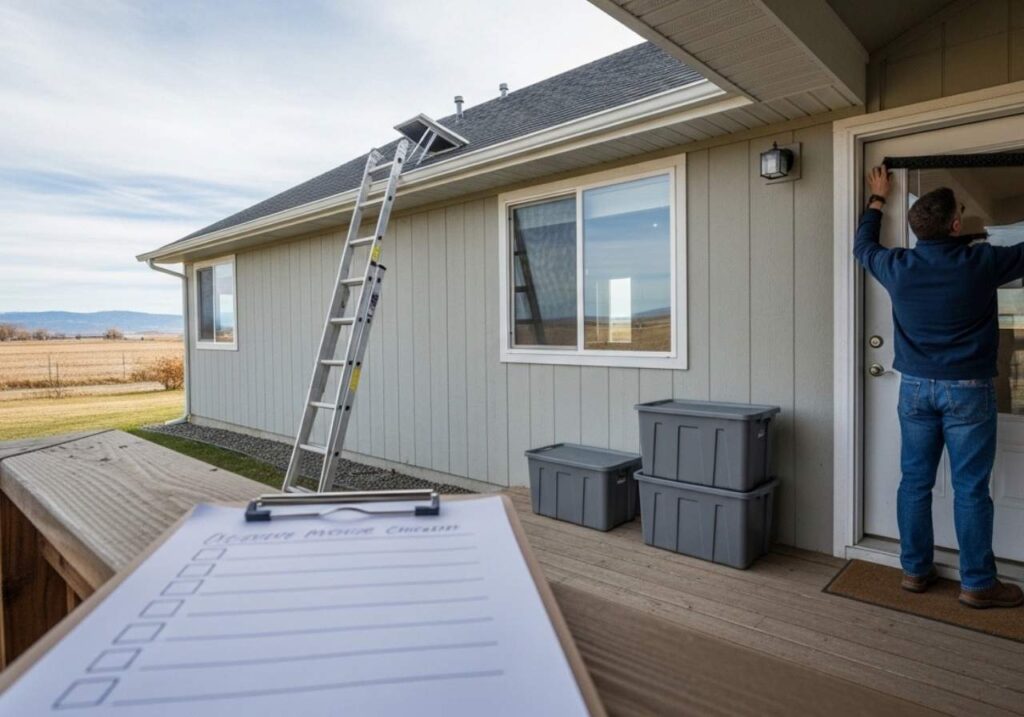
Simple Seasonal Checklist for Mouse Prevention
Here’s a quick homeowner’s seasonal checklist to prevent mice in rural Idaho homes:
- Inspect foundation and floor-level baseboards in early fall
- Store livestock feed and pantry items in sealed bins before winter
- Add door sweeps to all exterior doors
- Check attic vents and roofline gaps each spring and fall
Want help getting prepped? Schedule a DeWebb seasonal home check—it’s easy and backed by years of local experience. We’ll guide you through how to confidently prevent mice and protect your peace of mind.
Frequently Asked Questions
Preventing mice in rural Idaho homes during winter starts with sealing entry points and reducing attractants. Close gaps in foundations, siding, and around utility lines using steel wool and caulk. Store pet food and livestock feed in rodent-proof containers and remove clutter that could be used for nesting. Early fall inspections help stop mice before cold weather drives them indoors.
The most common mouse entry points in rural Idaho homes include small cracks in foundations, gaps around doors, crawlspace vents, and openings where pipes or wires enter the house. Barns, garages, and mobile home skirting are also frequent problem areas. Mice can squeeze through openings as small as a quarter inch, making detailed inspections essential.
Yes, mice can cause serious damage to barns and outbuildings on rural properties. They chew electrical wiring, insulation, and stored materials, increasing fire risk and repair costs. Mice also contaminate animal feed with droppings and urine, which the CDC identifies as a potential health hazard in rodent-infested environments. Sealing gaps, elevating stored items, and keeping feed in metal containers helps prevent infestations in these structures.
Natural mouse deterrents can help but work best when combined with exclusion and sanitation. Peppermint oil, for example, may discourage mice from specific areas but will not stop an infestation alone. Reducing food sources, sealing entry points, and removing nesting materials are far more effective long-term strategies for preventing mice in rural Idaho homes.
You should call a professional for mouse control if traps and sealing efforts don’t stop activity or if mice keep returning. Repeated sightings, droppings in multiple areas, or infestations in barns and crawlspaces often indicate a larger problem. Professionals can identify hidden entry points and apply treatments designed for rural Idaho properties.