Why Do I Keep Seeing Spiders After Treatment?
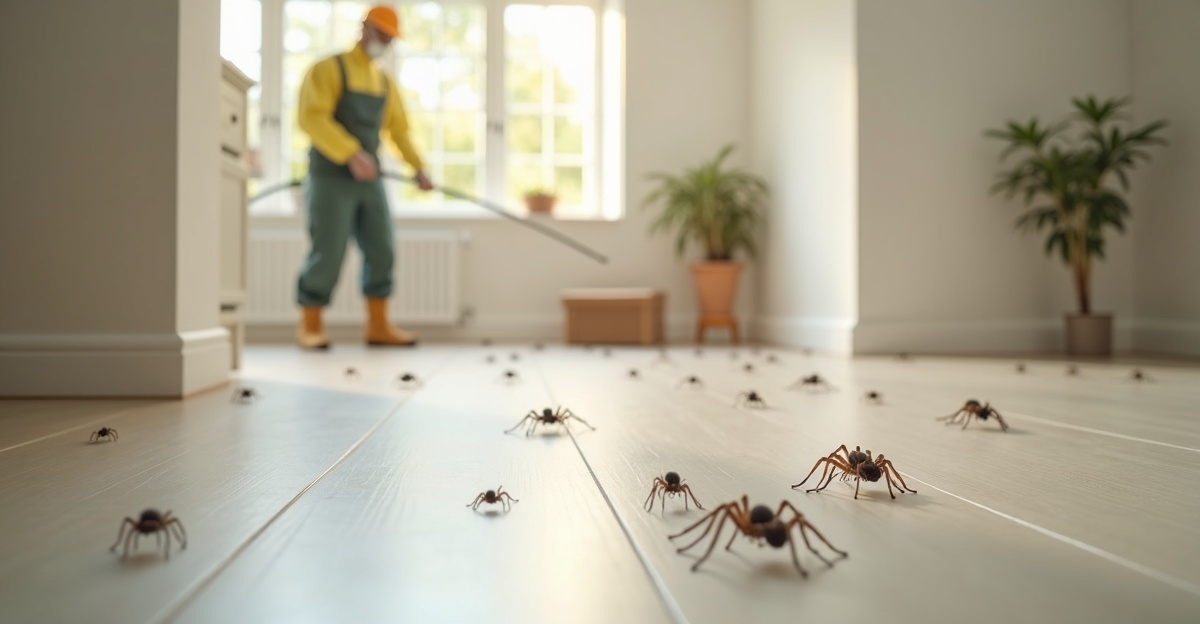
If you’re wondering why am i seeing spiders after pest control, seeing spiders after a pest control treatment may seem unexpected, but it usually signals that the treatment is working. As the solution penetrates hidden spots, pests—spiders included—start to move from their usual hiding places. Since spiders differ from many insects in how they interact with treated areas, results take time.
Key Takeaways
- You might spot more spiders shortly after a treatment. This happens because the process disturbs their hiding places, not because the product didn’t work.
- Spiders don’t clean themselves like other pests. That means they absorb the treatment more slowly since it relies on contact through movement.
- Effective control uses barriers along common travel paths. Because of this, visible changes take time—usually between one and four weeks.
- It’s common to see more spiders as egg sacs hatch, seasons shift, or because of your home’s layout. These factors can cause short-term increases, even after treatment.
- If spider activity continues beyond a month, we suggest scheduling a follow-up or moving to a regular treatment plan for stronger long-term protection.
Why Spiders Might Still Be Around Right After Treatment
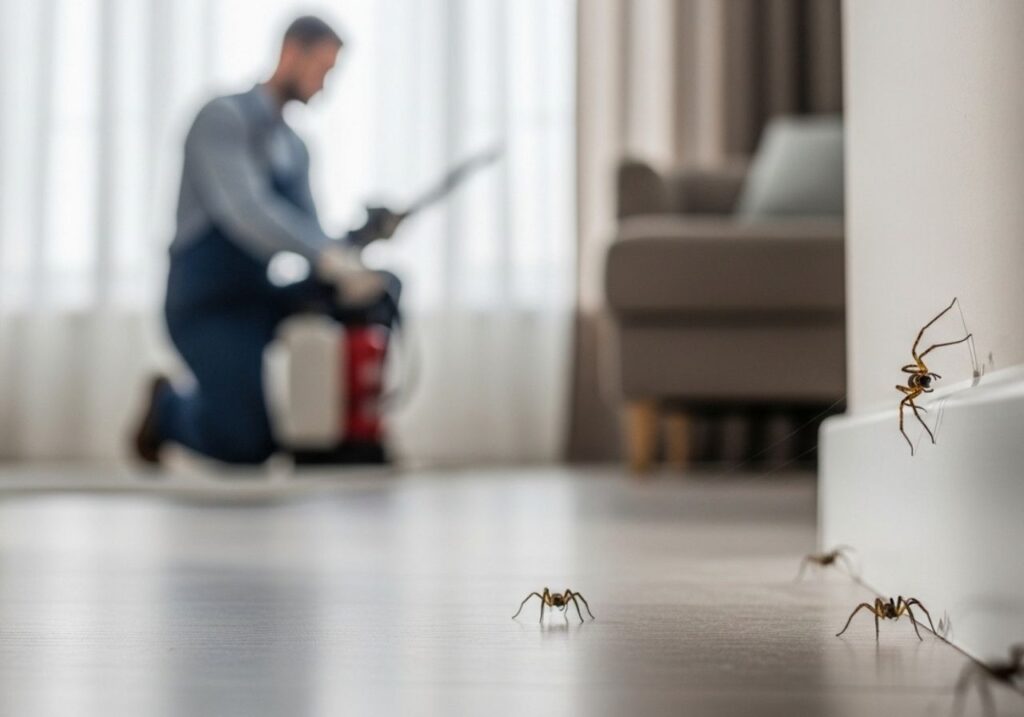
Spotting spiders after pest control treatment can feel frustrating, but rest assured—it’s not a sign that treatment failed. In fact, it’s pretty common to see short-term spider activity in the days and even weeks following a visit from the exterminator.
Spiders behave differently than ants, cockroaches, or other bugs. They don’t groom themselves, so unlike other pests that pick up insecticide through grooming, spiders might take longer to come into contact with active ingredients. You might even notice you’re seeing more spiders after pest control. That’s because treatment can flush them from their hiding places as their environment is disrupted.
We always tell our customers that some increased spider activity after exterminator service is actually a good sign—the product is working, and spiders are on the move.
Understanding How Spider Treatments Work
Unlike treatments for pests that travel in large groups or groom each other, managing spiders requires a different approach. The success of spider treatments depends as much on strategy as on the product used.
Why Spider Treatments Can Take Longer
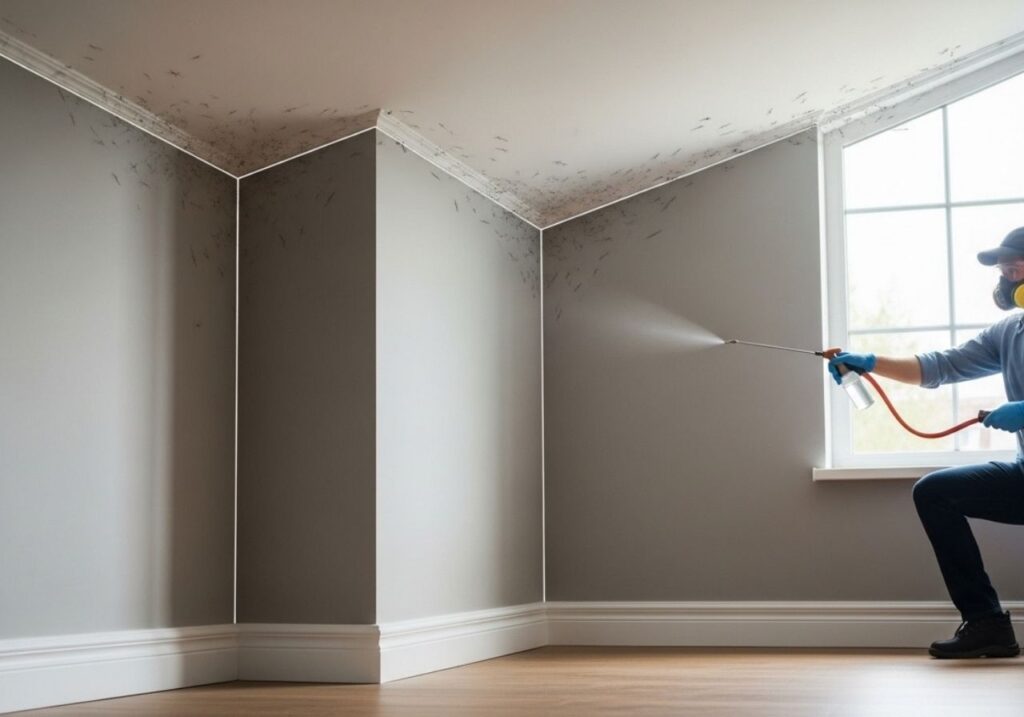
Spiders are solitary and tend to travel along just a few narrow paths in your home—often ceiling lines, corner joints, or baseboard edges. This limits their contact with treated surfaces. So even though the work was done thoroughly, the results may take time to show.
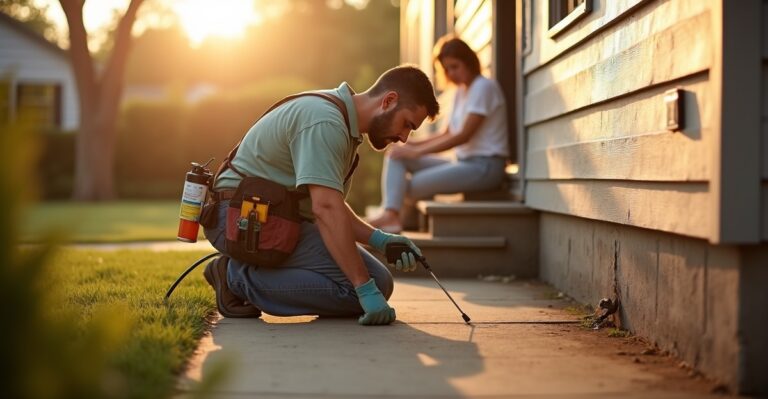
Our team knows where spiders nest and travel, so we target those zones. But rather than killing on contact, these treatments create barriers that spiders must cross. That’s why spider activity after exterminator visits may linger.
Some people wonder, “Why do I still have spiders after pest control?” or “Does pest control work on spiders?” The short answer is yes—but the impact takes time. As we often say here at DeWebb, “Spiders react a little differently—so it’s not unusual to see a few stragglers in the first few weeks.”
How Long Should It Take To See a Difference?
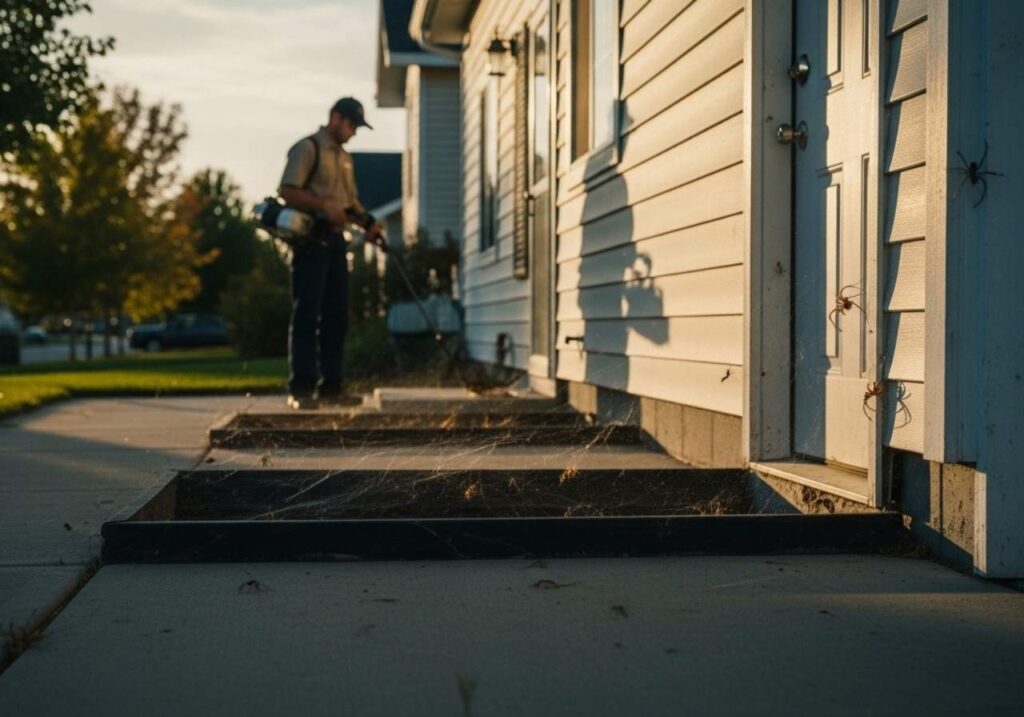
In Southeast Idaho, most homeowners start noticing changes in spider activity within one to four weeks. However, a few factors play into how quickly you’ll see fewer webs and creepy crawlers.
Every Home and Spider Species Is Different
There’s no one-size-fits-all answer to how long pest control takes to work on spiders, but these key points help set expectations:
- Spider egg sacs can survive initial treatments. Once they hatch, you may notice a temporary spike in activity.
- Southeast Idaho’s spider season—from late summer through early fall—naturally triggers more sightings as spiders mate and seek shelter.
- The layout of your home, especially if it includes web-prone spots like basements or garage corners, can affect how long spiders stick around.
- Exterior vulnerabilities, like gaps under doors or cracked siding, can invite new spiders in even after treatment.
If you’re in areas like Idaho Falls, Rexburg, or Pocatello, and you’re still wondering what to expect after pest control treatment, remember that local conditions and seasonal shifts also play a role. You can always reach out to us at DeWebb Pest Control in Idaho Falls for support that fits your home’s needs.
When to Consider a Follow-Up or Ongoing Plan
For homes with lots of webs, regular outdoor exposure, or a history of infestations, one visit might not be the fix-all. Long-term control often takes repeated effort and seasonal upkeep.
Signs You Might Need Another Visit
Here’s how to know if it’s time to check in with us:
- It’s been over a month and you’re still seeing spiders regularly.
- Webs keep popping up in the same corners or fixtures.
- You spot egg sacs tucked away under furniture or eaves.
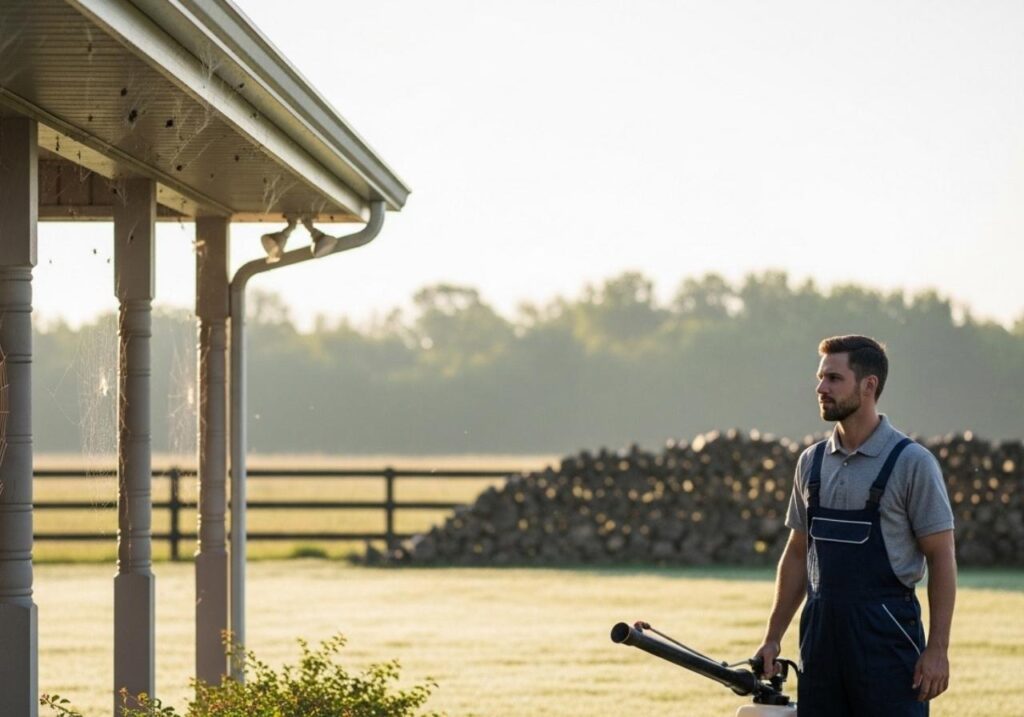
- Your home backs up to open fields, has stacked firewood, or the garage stays open often.
These situations may call for a quarterly or seasonal treatment plan. Our recurring residential pest control services help families get ahead of spider activity and maintain peace of mind year-round.
We also offer effective coverage for commercial spaces, where spider presence can affect safety and customer impression.
Is It Safe for My Kids and Pets?
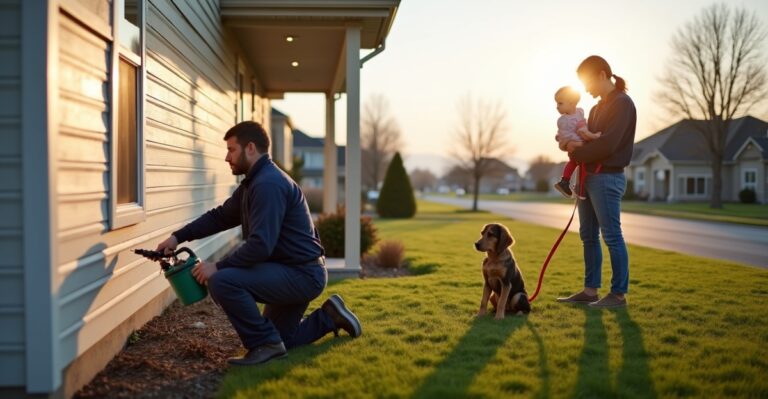
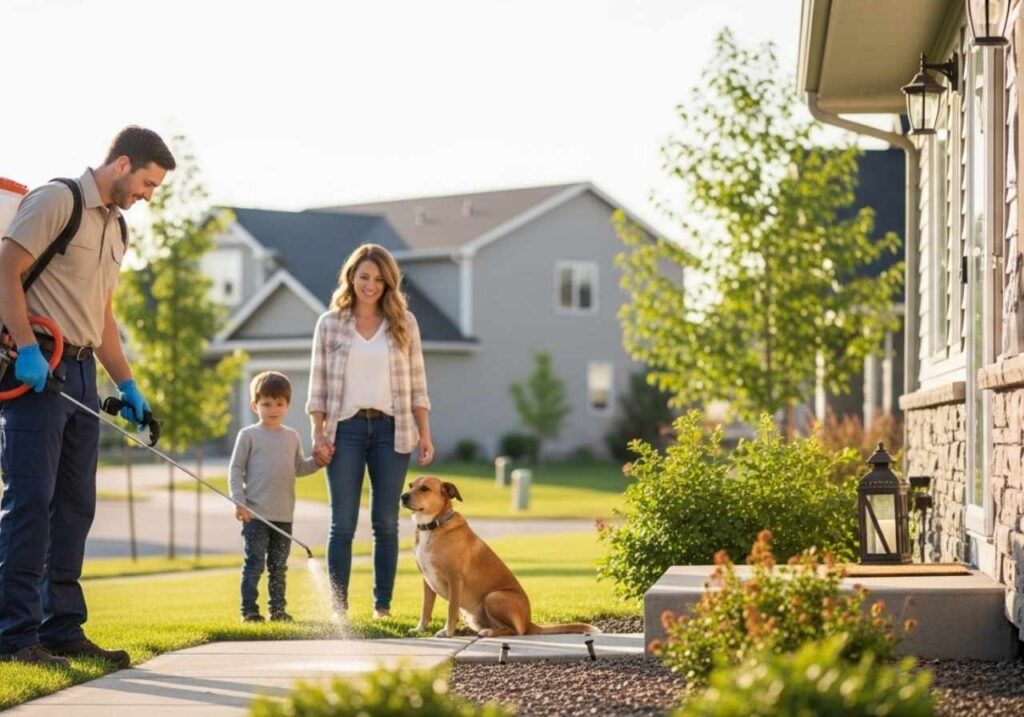
Yes, and concerns about Idaho spider danger children are one of the most important things we focus on with every treatment. Whether we’re treating for spiders, ants, or wasps, safety always comes first.
Our team uses methods and products that are responsibly chosen and professionally applied. When treatments are done correctly—like we do at DeWebb—they’re safe for families, including pets and young children.
We do suggest giving treated areas a little time to settle. Usually, that means staying out for a few hours and opening windows when possible. We’ll walk you through exactly what to expect, every step of the way.
For those asking, “Are pest control treatments safe for pets and kids?”—you can rest easy knowing we treat your home as if it were our own.
Simple Steps You Can Take Between Visits
While our professional services lay a strong foundation, homeowners can help things along with a few simple habits. These everyday steps support your treatment and keep spiders away longer.
Quick Home Spider-Proofing Tips
Add these to your regular upkeep:
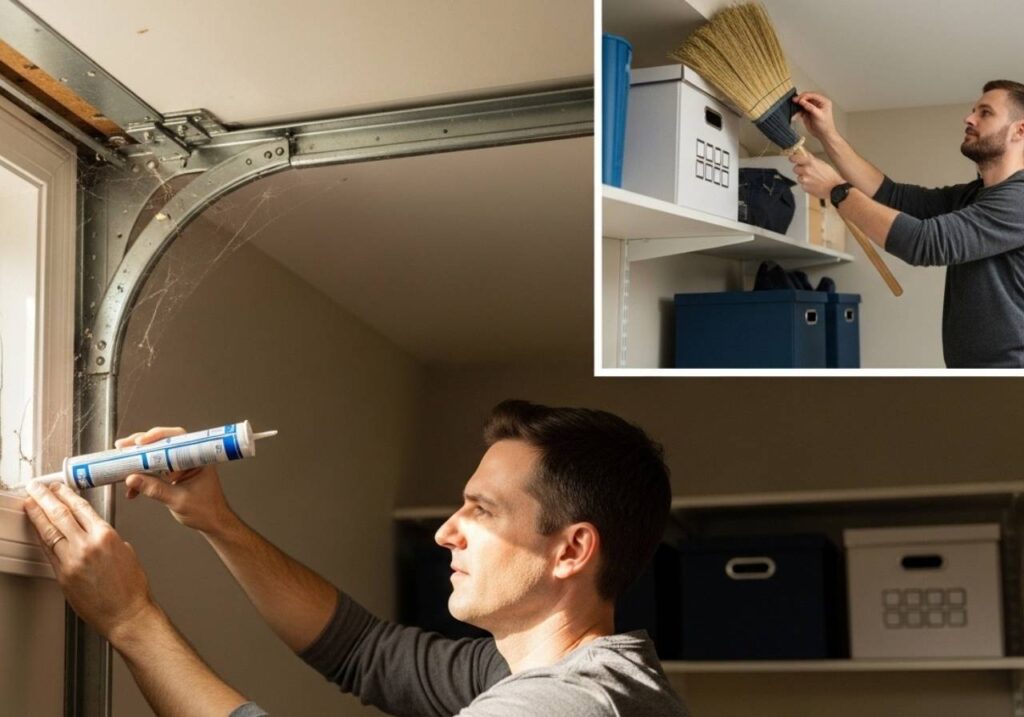
- Seal any cracks or gaps around windows, doors, and siding.
- Get rid of clutter in dark or undisturbed places like garages, sheds, and basement shelves.
- Shake out storage bins, shoes, or boxes before bringing them into the main living space.
- Regularly sweep away webs both inside and around your home’s perimeter.
These tasks don’t take long, but they create fewer hideouts and can prompt spiders to come into contact with treated surfaces more quickly.
If you’re wondering if you can be more proactive without using products, we’ve shared some helpful advice about how to prevent spiders naturally.
Our team is also happy to come by and reassess. Just give us a shout—we’re right down the road and here to help. You can reach out anytime via our contact page.
For more insight into why professional pest treatments last as long as they do, or why seeing spiders doesn’t mean your house is dirty, we’ve got those answers too.
And if your spider hotspots include unfinished rooms, this is a great time to look at how to keep spiders out of your Idaho basement before the next season rolls in.
Whether it’s spring, or you’re wondering when spiders are most active, we’re here with guidance—and local service that cares.
Take control of spider issues today by checking out our full spider pest control services, or explore all that we offer through our general pest control page.
We’re always here to help you feel safe, protected, and confident in your home.
Frequently Asked Questions
Seeing more spiders after pest control treatment is common and usually means the treatment is working. Products disturb hiding areas, causing spiders to move into visible spaces. Because spiders don’t groom themselves like insects, they take longer to absorb treatments. This short-term increase typically fades as spiders cross treated surfaces and are gradually eliminated.
Pest control treatments for spiders usually take one to four weeks to show noticeable results. Spiders travel limited paths and may not immediately contact treated areas. Egg sacs can also hatch after treatment, causing temporary activity. Consistent exposure to treated surfaces over time is what ultimately reduces spider populations.
Most professional pest control treatments are designed to kill spiders, not just repel them. They create residual barriers on surfaces spiders commonly travel across. When spiders cross these treated areas, they absorb the product through contact. This process is slower than with insects, but it leads to effective long-term spider control.
Yes, it’s normal to see spiders weeks after extermination, especially during peak spider seasons. Factors like egg hatching, home layout, and outdoor entry points can extend activity. As long as sightings gradually decrease, the treatment is doing its job. Persistent activity beyond a month may indicate the need for a follow-up visit.
If spiders persist more than four weeks after treatment, consider scheduling a follow-up service. Repeated web buildup, visible egg sacs, or frequent sightings may mean spiders are avoiding treated areas or new ones are entering. Ongoing or seasonal pest control plans are often the most effective way to maintain long-term spider prevention.