How Do Pest Control Companies Treat for Ants?
Professional ant treatment in Idaho requires a strategic, species-focused plan that goes beyond surface-level tactics. We target the entire colony using proven methods, delivering real, lasting results against stubborn infestations.
Key Takeaways
- Professionals begin with a full inspection to identify nests, entry points, moisture concerns, and food sources.
- Treatment matches the ant species, using gel baits, non-repellent sprays, and perimeter applications for better results.
- We always prioritize the safety of families and pets, applying EPA-approved products with strict care.
- Southeast Idaho’s soil and climate conditions lead to recurring infestations. That’s why our plans include precise, region-aware strategies.
- Preventive actions such as sealing gaps, fixing moisture problems, and applying seasonal treatments help keep ants from coming back.
What You Can Expect During a Professional Ant Treatment
When we treat a home for ants, we don’t just spray and hope for the best. We follow a clear, proven process that focuses on solving the entire problem—starting with the source.
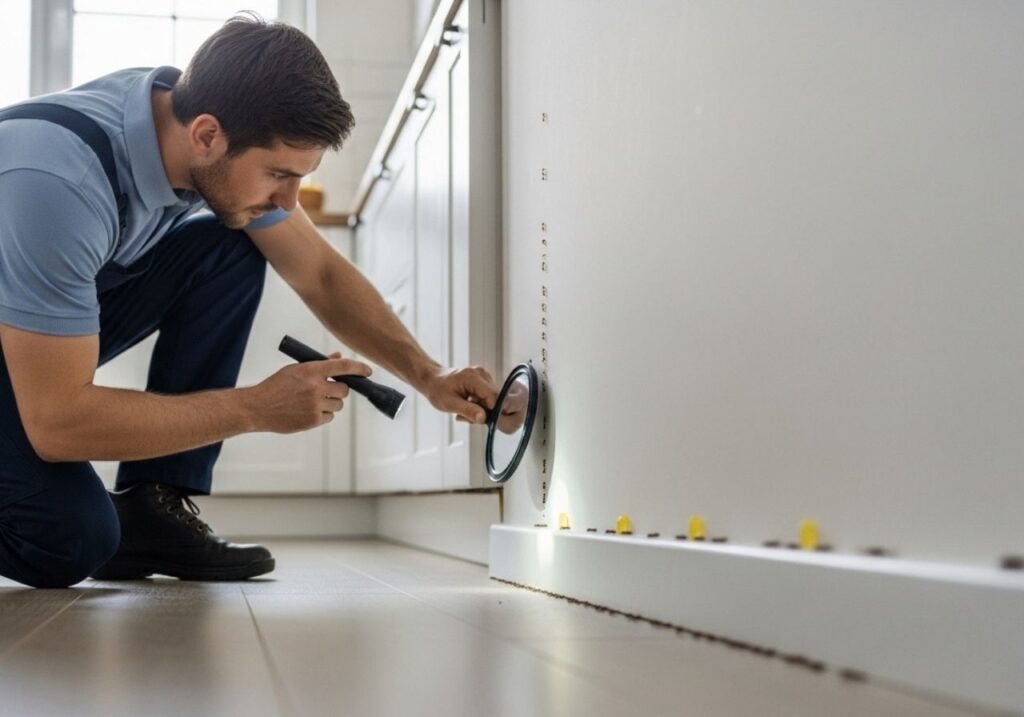
First, we complete a thorough inspection of your property. That means checking kitchens, bathrooms, basements, exterior walls, and crawl spaces for signs like entry points, moisture buildup, and the ants themselves. If ants are entering through cracks or crevices, we’ll find them—and we can show you how to stop ants entering windows and other vulnerable entry points. If there’s a leak under the sink attracting odorous house ants, we’ll see it.
Once we locate nests and access points, we identify the species. Each type—whether it’s pavement ants, odorous house ants, or a black ant infestation—requires different treatment. For example, sugar-feeding ants may respond well to gel baits, while some species need non-repellent sprays that they carry back to their colonies.
After identifying the ant species, we’ll start treatment using tools like:
- Gel baits placed along activity trails
- Non-repellent sprays to target foraging ants and colony workers
- Liquid or granular perimeter barriers to prevent new entry
- Specialized applications for moisture-prone areas or wall voids
Our goal is long-term control, not surface-level fixes. We’ll also show you how to support results by sealing cracks, removing food sources, and trimming outdoor vegetation. If you’re wondering why ants keep coming back after treatment, it often comes down to missing a hidden nest or not disrupting the colony cycle—two things we’re trained to handle.
In most cases, we recommend a follow-up visit to ensure complete success. We may re-treat if needed or apply protective barriers to keep ants from returning.
For anyone curious about what pest control does for ants, it comes down to targeted identification, proper tools, and a complete treatment plan from start to finish.

How We Keep Your Family and Pets Safe
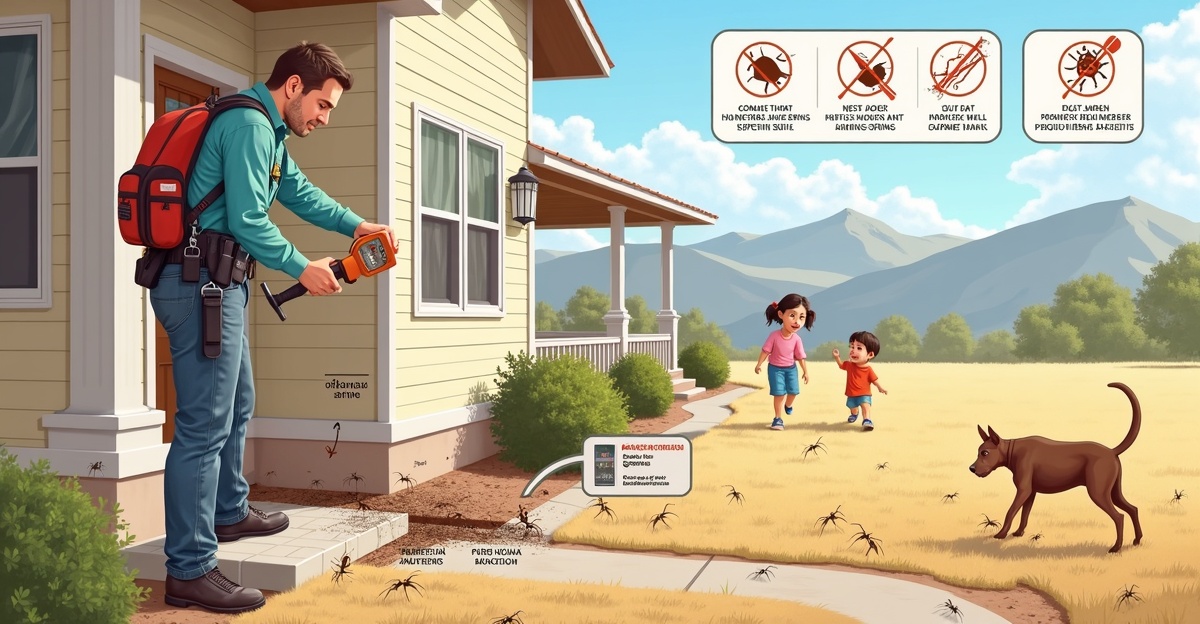
Concerned about pest control near kids or pets? You’re not alone—and that’s why we approach every ant treatment with safety as a top priority.
All the products we use are approved by the EPA and applied with precision, following U.S. Environmental Protection Agency pesticide safety guidelines. That means we follow strict guidelines on where and how we treat, always with your family’s safety in mind. We never overuse products or apply them where they aren’t needed.
Our technicians will always walk you through what was applied, where, and what to expect. If a room or area needs time before re-entering, we’ll let you know exactly how long. We’ll also give you tips to keep pets safe during and after service.
At DeWebb, we believe safe ant treatment for pets and kids should never be a question mark. That’s one reason why so many of our customers trust us for repeat service year after year. We know what we’re doing, and we treat every home with the same care we’d give our own.
Why Do Ant Problems Keep Happening in Southeast Idaho?
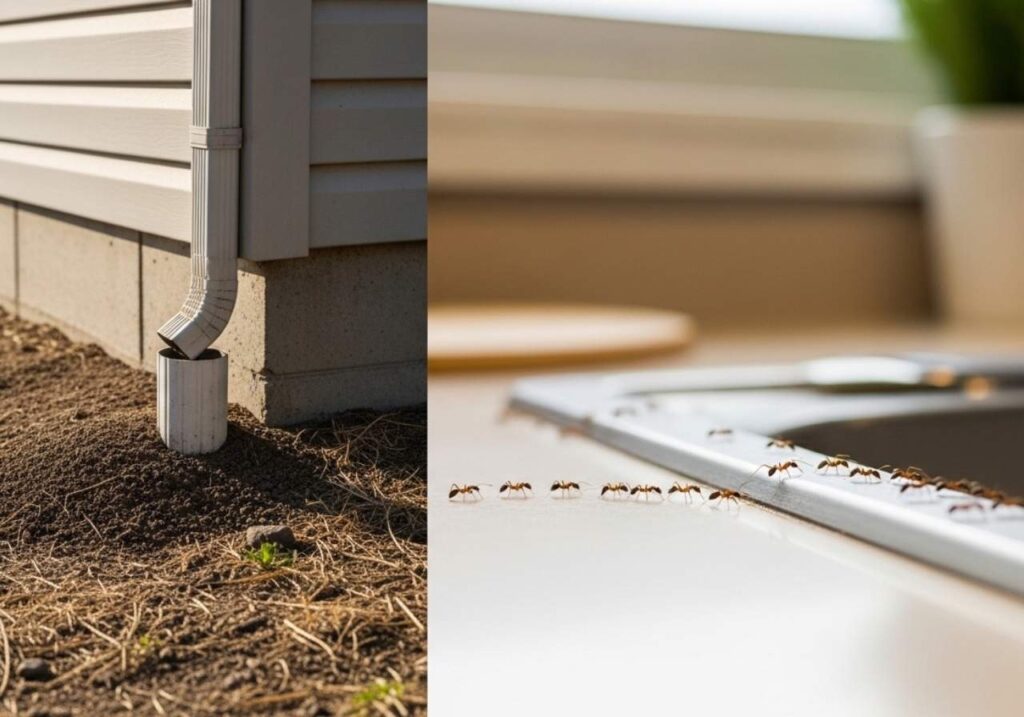
Ant issues aren’t just a random event here in Southeast Idaho. Our climate—and even our soil—plays a big role in why ant infestations keep popping up, especially in homes across Idaho Falls, Rigby, and surrounding areas.
Warm summers, wet springs, and dry soil make perfect conditions for nesting and foraging. Once a colony sets up nearby, ants can be relentless. If they’ve found a steady food or water source, like a leaking pipe or leftover pet food, they’ll return to it again and again.
Established scent trails let them march straight into homes year after year. That’s why ants often show up in bathrooms or kitchens even after you thought the problem was gone.
As one of our technicians, Jeff, puts it:
“People are surprised to see ants reappear in the same place months later, but those areas have become part of their routine. The key is breaking that cycle and removing what’s attracting them.”
Whether you’re dealing with a persistent colony or chronic seasonal visitors, we understand the patterns of ant control in Idaho Falls better than anyone else. Treating and preventing involves knowing what draws ants in, and how to stop that from happening again.
Those dealing with a black ant infestation in Idaho homes especially benefit from inspection and local treatment—this species can cause long-term issues if ignored.
What Makes a Professional Ant Treatment More Effective Than DIY?
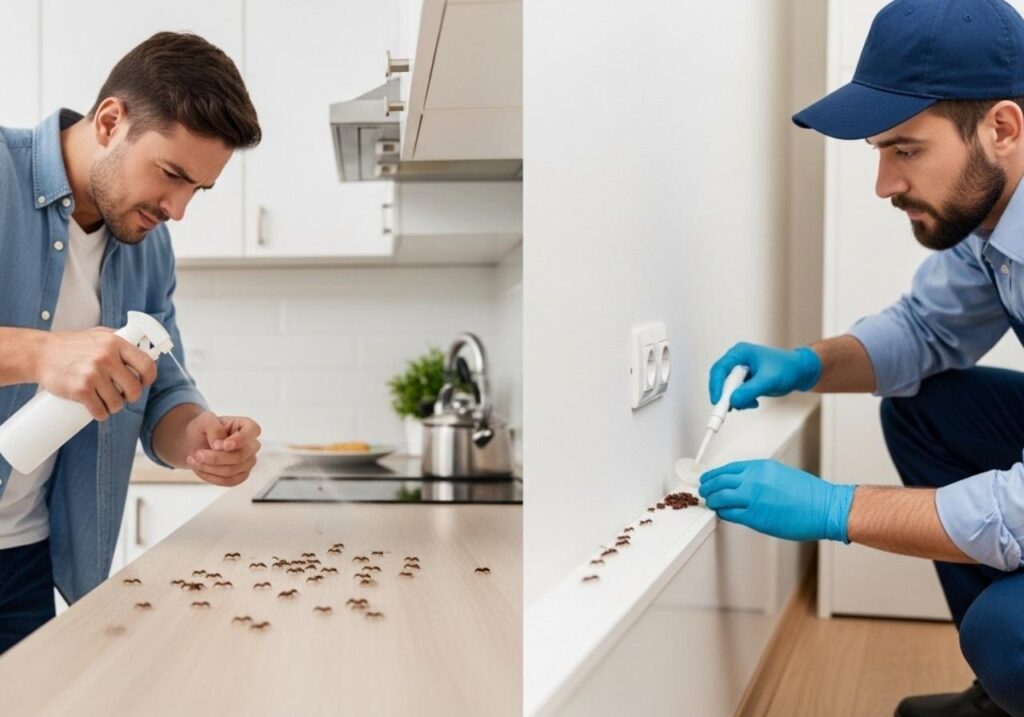
Many people wonder how ant spray works—while DIY sprays can help in the short term, they rarely solve the root of the issue. Most store-bought products treat only foraging ants—you may kill what you see but leave the larger colony untouched.
That’s the difference with professional ant treatment. We identify the exact species causing the problem and use targeted solutions built to disrupt the colony’s lifecycle. Understanding how ant repellent works is key—Some ants respond only to non-repellent sprays that allow them to carry the product back to the queen, a strategy supported by university extension research on non-repellent ant control methods.
Why DIY Falls Short vs. Professional Success
- DIY: Cheaper upfront, but often repeated
- Professional: Stronger, longer-lasting results
- DIY: May mask signs of a growing infestation
- Professional: Locates and eliminates the entire colony
- DIY: Often uses repellent products that scatter ants
- Professional: Uses solutions that stop reproduction and regrowth
The price difference might seem like a barrier, but when it comes to professional ant treatment Idaho, between lost time, repeated purchases, and ongoing frustration, DIY often costs more over time. For homeowners considering a professional ant treatment in Idaho, we’re happy to offer fair, competitive rates—and help you understand what you’re getting.
Hiring an ant exterminator in Southeast Idaho isn’t just about saving stress—it’s about protecting your space for the long haul.
Keeping Ants Away for Good: Prevention that Actually Works
After we treat for ants, we don’t just walk away. We believe in helping you prevent future issues, too.
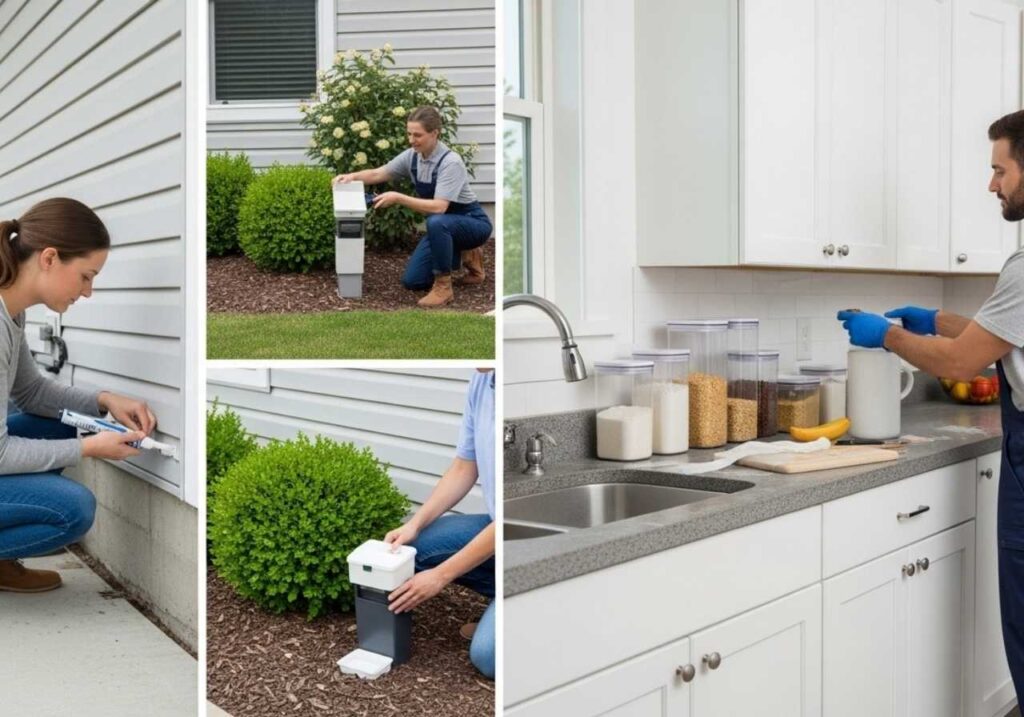
Ants will find their way in if given the chance. That’s why prevention matters. A few consistent steps can block the paths ants use to get inside your home.
Most Effective Prevention Practices
- Seal cracks and crevices around foundations, windows, and doors
- Wipe up spills right away and avoid leaving out food
- Trim shrubs and branches touching your home
- Fix leaky pipes or drains to eliminate excess moisture
- Store pantry foods in airtight containers
In addition to these steps, we may recommend placing discreet exterior bait stations or treating the perimeter every few months. These features aren’t always included in one-time visits, which is why so many families choose a seasonal protection plan.
If you’re interested in real, repeatable results, look into our year-round home pest protection. For many in our area, it’s the best ant prevention method, especially across Southeast Idaho’s seasons.
Meet Your Local Experts at DeWebb Pest Control
Here at DeWebb Pest Control, we’re not just trained professionals—we’re your neighbors. Born and built right here in Southeast Idaho, we’ve spent years helping families keep ants, rodents, spiders, and other pests where they belong—outside.
We take pride in being the go-to local pest control company in Idaho because we’re here for our community, not just a job. If you’ve tried everything and still hear the scurry of tiny feet in your walls or see trails near your sink, we’ve seen it before—and we can help.
Have questions about ants? Let’s talk. You can also request a no-pressure inspection to learn more about what’s happening in your home and what you can expect from treatment.
We’ll give you honest answers, a thoughtful service plan, and real peace of mind.
Frequently Asked Questions
Professional ant treatment in Idaho typically includes a detailed inspection, species identification, and a targeted treatment plan. Technicians locate nests, entry points, and attractants like moisture or food. Treatments often combine gel baits, non-repellent sprays, and exterior perimeter applications to eliminate the colony rather than just visible ants.
Most professional ant treatments begin reducing activity within a few days, but full control can take one to two weeks. This timeline allows worker ants to carry treatments back to the colony and impact the queen. Follow-up visits may be recommended to ensure the infestation is fully eliminated.
Yes, professional ant treatment is designed to be safe for families when applied correctly. Licensed technicians, meeting standards set by the Idaho State Department of Agriculture pesticide applicator licensing program, use EPA-approved products and apply them only where needed. Homeowners are informed of any temporary precautions, such as brief re-entry times, to keep children and pets protected during and after service.
Ants often return when the original colony wasn’t fully eliminated or when attractants like moisture and food remain. In Idaho, climate and soil conditions can support recurring colonies. Professional ant treatment addresses this by targeting the entire colony and recommending prevention steps to stop re-infestation.
The cost of professional ant treatment in Idaho depends on factors like infestation size, ant species, and whether ongoing prevention is needed. One-time treatments are generally less expensive upfront, while recurring service plans cost more but provide long-term protection and reduce the chance of repeated infestations.