What Makes Mosquitoes Worse in Certain Summers?

Some summers bring a clear spike in mosquito populations. This uptick often results from a mix of local weather shifts and leftover water sources. In Southeast Idaho, events like wetter-than-usual springs, early bursts of heat, and poor drainage create conditions that allow mosquito populations to grow quickly and stick around longer.
Key Takeaways
- Springs with high rainfall, followed by consistent warmth, create perfect mosquito breeding setups, especially once temperatures hold above 75°F.
- Rainwater, irrigation runoff, or things like birdbaths and puddles provide the stagnant water mosquitoes need to reproduce.
- Mosquito eggs can hatch within 48 hours. Even a short warm spell after rain can bring a population boom.
- Shady yards, heavy landscaping, and areas with limited airflow hold moisture longer—making them mosquito havens.
- Keeping yards trimmed, removing extra moisture, and improving airflow can cut down mosquito numbers. For major issues, calling in professionals may be the best move.
Wet Summers and Bugs: Why Mosquitoes Are Worse Some Years
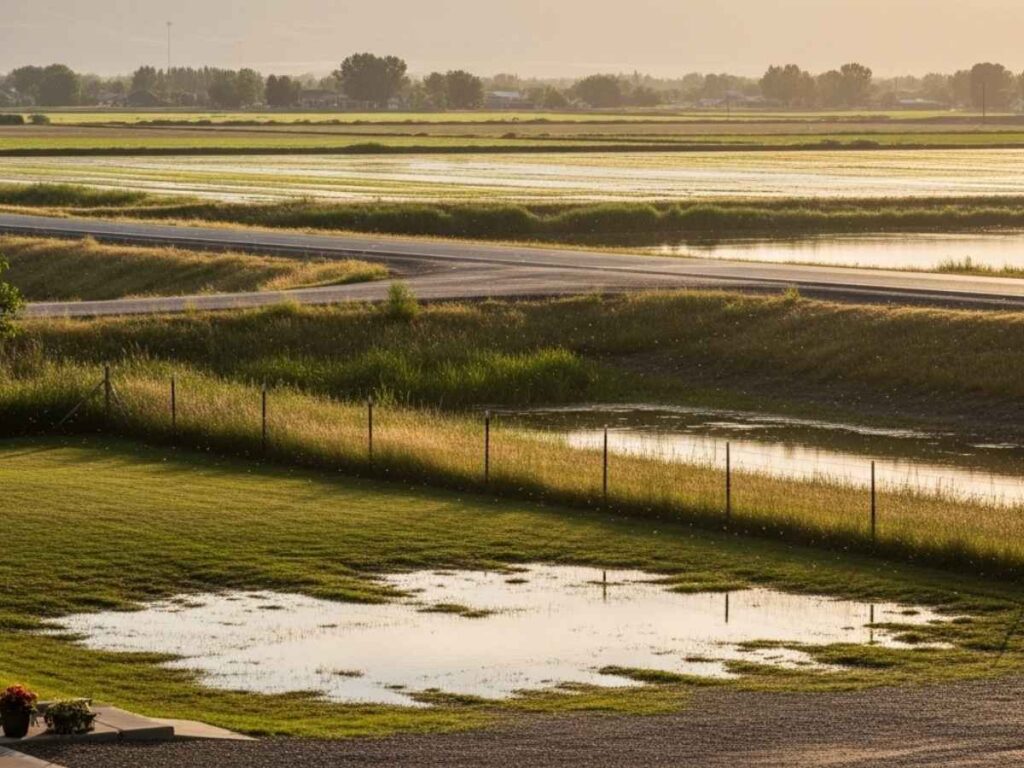
Some summers feel buggier than others, and there’s good reason for it. Warm temperatures, higher humidity, and frequent rains create perfect conditions for mosquitoes to thrive, which is why many homeowners ask, are mosquitoes worse after rain?. In Southeast Idaho, wet stretches in the Snake River Valley often leave standing water across ditches, lawns, and low-lying areas—prime real estate for mosquito breeding.
After a damp spring, the heat kicks in. Once temperatures stay above 75°F, mosquito eggs can hatch in as little as 48 hours in standing water, as explained in the CDC’s overview of the mosquito life cycle. That means even a short heat wave after rains can trigger a sudden mosquito boom. Add to that the mix of rural irrigation, varied drainage, and backyard landscaping, and we’ve got the ingredients for a challenging mosquito season.
If you’re wondering how dangerous mosquitoes get in Idaho summers—or can it be too hot for mosquitoes—it helps to understand how important weather patterns are to their life cycle.
The Role of Standing Water—From Sprinklers to Irrigation Runoff
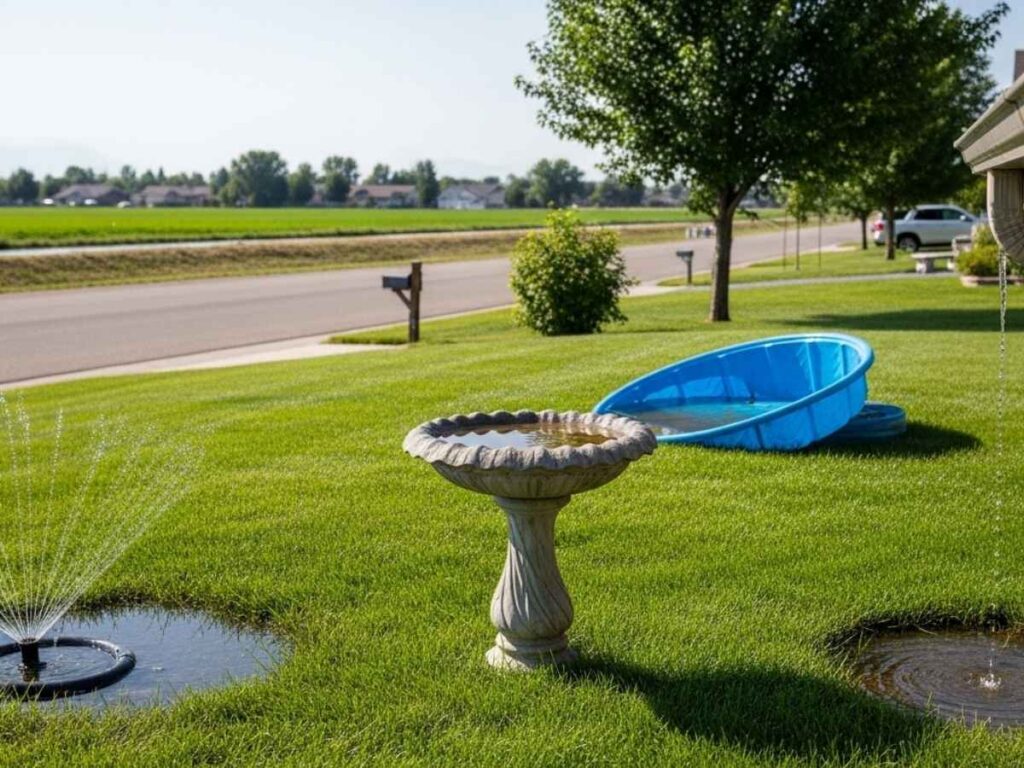
Mosquitoes love moisture, and standing water is their breeding headquarters. While nature plays a big part, a surprising amount of water buildup happens right around our homes and neighborhoods. Appliances and systems we all rely on—sprinklers, gutters, pools, and even flower pots—can collect water that lingers just long enough for mosquitoes to lay hundreds of eggs.
In Rigby and Pocatello, we often see irrigation canals or farmland runoff collect in backyards and along sidewalks. Even low spots in lawns or ditches that don’t drain well after summer thunderstorms can become breeding zones. These aren’t rare features—they can be found on almost every block.
Thankfully, many of these water sources are easy to manage:
- Repair leaky sprinkler heads
- Clean out birdbaths and kiddie pools every few days
- Make sure gutters are cleared and angled correctly
- Check around faucets and hoses for puddles
- Walk your yard after irrigation to fix uneven spots
Mosquitoes are drawn anywhere water sits still for more than a couple of days, creating the perfect conditions for mosquitoes breeding in puddles. That’s why even a small puddle can support breeding—including leftover water in toys, planters, or trash can lids.
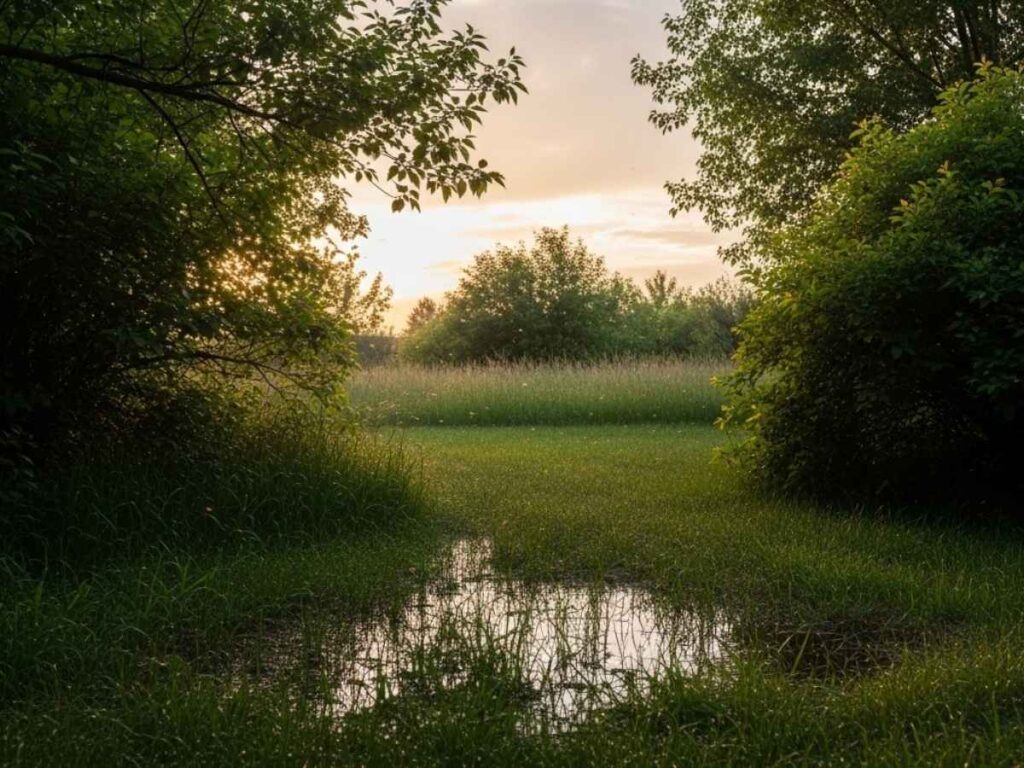
When Mosquitoes Thrive: Ideal Conditions That Could Be Happening Right Now
Every mosquito season in Southeast Idaho varies. Some years feel relatively light, while others seem packed with buzzing, biting pests—leaving many residents wondering why more mosquitoes in fall than summer in certain seasons. That variation isn’t in our heads—it’s written in the weather reports.
Top Mosquito-Friendly Conditions Near Your Home
Watch for these conditions, especially from May through August:
- Temperatures staying above 70°F for days at a time
- Frequent afternoon thunderstorms or extended rainy spells
- Lush yards with overgrown bushes or unmowed grass
- Calm, humid evenings with very little breeze
- Poor drainage that lets puddles linger after watering or storms
With these ingredients all present at once, mosquitoes can swarm and multiply fast. Keep in mind: some mosquito types only need a bottle cap’s worth of water to lay eggs, according to university extension mosquito prevention guidance. That means even the smallest water-collecting areas can support a new generation in days.
If you’re asking, do mosquitoes prefer certain yards?—yes, they do. Shady yards, cluttered landscapes, and spots with poor airflow often explain why mosquitoes in some yards are noticeably worse than others.

What You Can Do Now: Simple Fixes to Stop Backyard Mosquitoes
Good news—there’s a lot we can do around our homes to cut down on mosquitoes and protect pets mosquito bites Idaho residents often experience during warm, wet summers. A few easy habits can help prevent summer mosquito infestations and make outdoor time much more peaceful.
Start with these simple actions:
- Empty and refresh birdbaths, kiddie pools, pet bowls, or water dishes every couple of days
- Use a box fan or patio fan during backyard dinners—mosquitoes avoid moving air
- Trim hedges, pull weeds, and cut tall grass regularly
- Unclog gutters to prevent overflow and pooling near the foundation
- Check for flat spots in lawns where sprinkler water might pool
- Use safe, homemade repellents if you’re concerned about chemical exposure
Keeping your outdoor space less inviting to mosquitoes doesn’t take fancy tools—just regular awareness and a few minutes of weekly maintenance. Check out our full seasonal mosquito prevention guide if you’re planning outdoor events or spending more time on your patio this season.
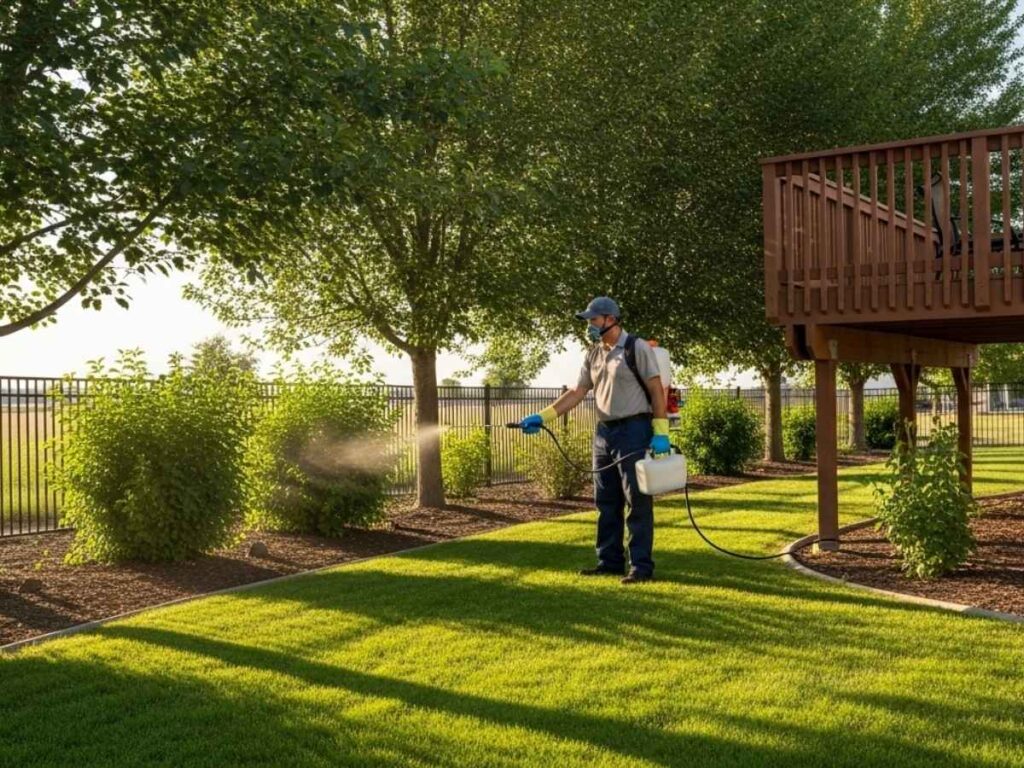
When Prevention Isn’t Enough: Knowing When to Call in the Pros
Sometimes, even with the best prevention steps, mosquitoes don’t let up. If your yard backs up to a field, canal, or marshy area, or if drainage issues stick around after city run-off or irrigation surges, the problem might be beyond your control.
That’s where professional mosquito control comes in. At DeWebb Pest Control, we use safe, effective treatments developed specifically for Southeast Idaho’s mosquito pressure. Our solutions focus on common problem areas—like shaded landscaping, water features, or underused corners of the yard—while staying safe for families and pets.
If you’re noticing heavy mosquito activity even after trying home prevention, DeWebb is here with safe, family-friendly solutions. No solution guarantees 100% perfection because mosquitoes are highly mobile and influenced by weather. But our barrier treatments and maintenance options give folks in Rexburg, Idaho Falls, and surrounding areas real relief with honest results.
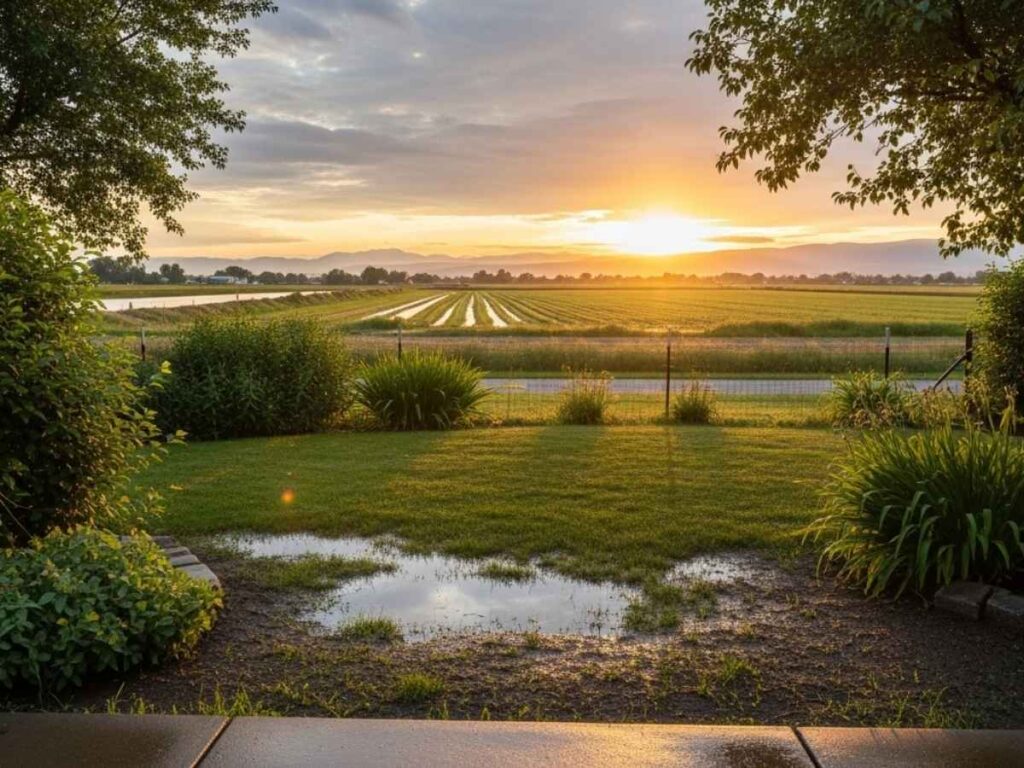
Why Some Summers Feel So Much Worse—and What to Keep in Mind This Year
Some years, the bugs just seem relentless. If this summer feels worse than usual, you’re not imagining it. Specific weather patterns—like an especially wet May or an early heat wave in June—combine to create huge mosquito upticks.
You’re not alone if this summer feels extra buggy—conditions really may be building the perfect storm.
The presence of standing water from late spring storms, compounded by above-normal temperatures, sends mosquito breeding cycles into overdrive. For example, rainfall in parts of Southeast Idaho was 35% higher than average this spring. When paired with June temperatures that soared into the 80s early and stayed there, mosquitoes responded rapidly and in large numbers.
Looking ahead, understanding the best time for pest control can help ease future infestations. Combined with steady prevention and, if needed, professional help, we can cut down on bites and bring some comfort back to the yard.
Whether you’re dealing with fleas, ticks, or the constant buzz of summer mosquitoes, DeWebb is here to help protect your space—safely, responsibly, and with your peace of mind first.
Frequently Asked Questions
Mosquitoes are worse some years because weather conditions favor faster breeding and survival. Wet springs create more standing water, while early and consistent warmth speeds up mosquito life cycles. When rain and heat overlap for weeks, mosquito populations can multiply quickly and persist longer into the summer.
Rainfall increases mosquito numbers by creating stagnant water where mosquitoes lay eggs. Puddles, ditches, clogged gutters, and irrigation runoff can all become breeding sites. Even small amounts of water left for two to three days are enough for eggs to hatch, leading to sudden population spikes after rainy periods.
Yes, warm temperatures accelerate mosquito development. When temperatures stay above about 70–75°F, mosquito eggs can hatch in as little as 48 hours. Heat also shortens the time it takes for larvae to become biting adults, allowing multiple generations to appear within a single summer, as demonstrated in university research on temperature-driven mosquito development.
Mosquito seasons last longer when warm weather starts early and continues into late summer or fall. Consistent warmth, combined with regular moisture from rain or irrigation, prevents populations from dying off. Mild nights and high humidity also help adult mosquitoes survive longer.
Yes, yard conditions can increase mosquitoes even during drier summers. Overgrown landscaping, shaded areas, poor drainage, and frequent lawn watering can hold moisture. These environments protect mosquitoes from wind and heat while providing hidden water sources, allowing them to thrive despite lower rainfall.