Why Are Ants Attracted to Bathrooms?
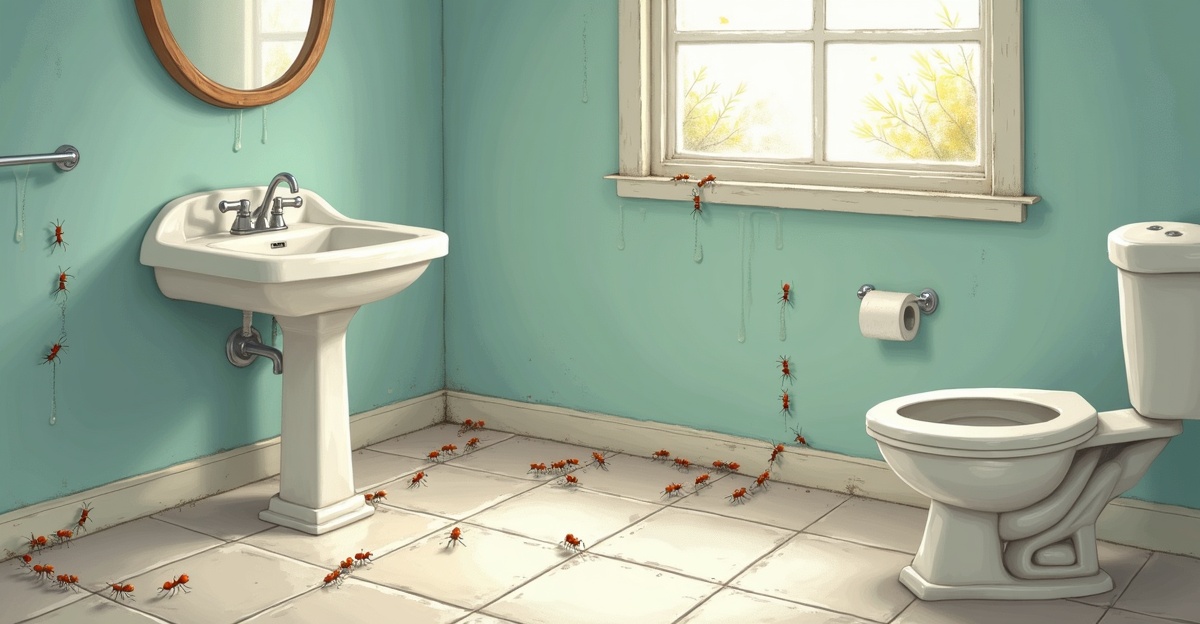
Tiny ants in bathroom spaces usually point to one major factor behind ants in bathrooms causes: moisture. In Southeast Idaho, changing outdoor conditions—like spring snowmelt or the dry summer heat—push ants inside. Bathrooms give them what they need: water, cover, and even small amounts of residue that resemble food.
Key Takeaways
- Excess moisture draws ants into bathrooms. Damp grout, dripping faucets, or muggy air all create inviting conditions.
- Remnants of personal care products—like toothpaste or soap scum—can appear food-like to ants, especially sugar ants.
- Ants use tiny gaps to get in. Cracks in the foundation, worn caulking, and plumbing passages are common routes.
- Changes in weather and landscape watering in Southeast Idaho cause ant infestations to spike during spring and summer.
- The best way to stop recurring issues is to improve airflow, fix leaks quickly, and plug up potential entry spots.
What’s Bringing Ants Into Your Bathroom?
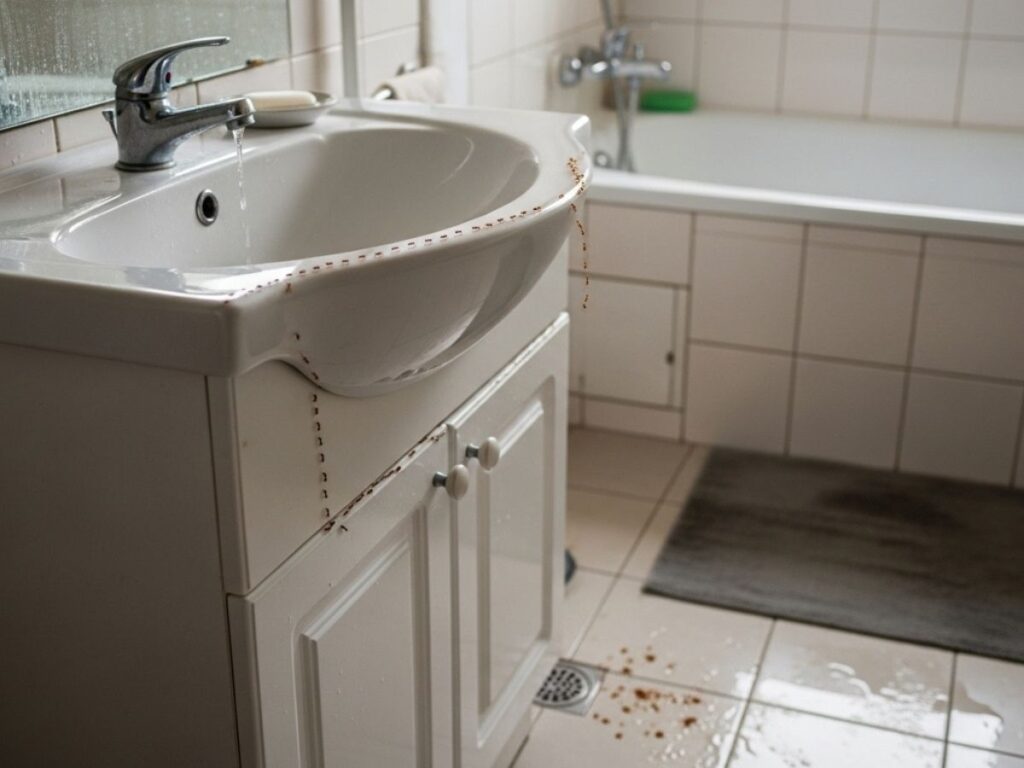
Ants in bathrooms can catch anyone off guard—but there’s a simple reason why this spot draws so much attention. Moisture is the #1 cause, as university entomology research explains that many household ants actively seek indoor water sources during dry or fluctuating outdoor conditions. Ants, especially moisture-loving ants, are drawn to the damp and humid places where they can find water, shelter, and sometimes even food-like substances.
Bathrooms create the perfect storm: warm air, running water, and plenty of hiding spots. Sink and tub drains, areas around dripping faucets, and even signs of ants in bathtub faucet zones can all hold just enough moisture to beckon a colony. Poor ventilation adds to the moisture buildup, trapping humidity near tile grout and behind vanities. Even a forgotten wet bath mat can spark a trail.
Some sugar ants in the bathroom aren’t just after water—they’re also drawn to tiny residues like toothpaste or shampoo. They’re also attracted to the trace amounts of toothpaste, shampoo, or soap scum left behind after daily routines. These tiny smears can mimic sugary or oily food sources.
In Southeast Idaho, the issue ramps up in spring and summer, particularly during snowmelt and irrigation season, according to regional climate data from the National Weather Service. Snowmelt and irrigation increase the surrounding soil moisture, driving ants indoors to seek drier, stable shelter, a pattern commonly documented in agricultural extension guidance on ant behavior after heavy rainfall. When outside ground becomes saturated or disturbed by agriculture, ants turn to your bathroom for refuge.
If you’ve ever wondered why ants suddenly appear in bathrooms, the answer often lies in a combination of damp conditions and nearby outdoor activity.
Tiny Entry Points: How Ants Are Getting Inside
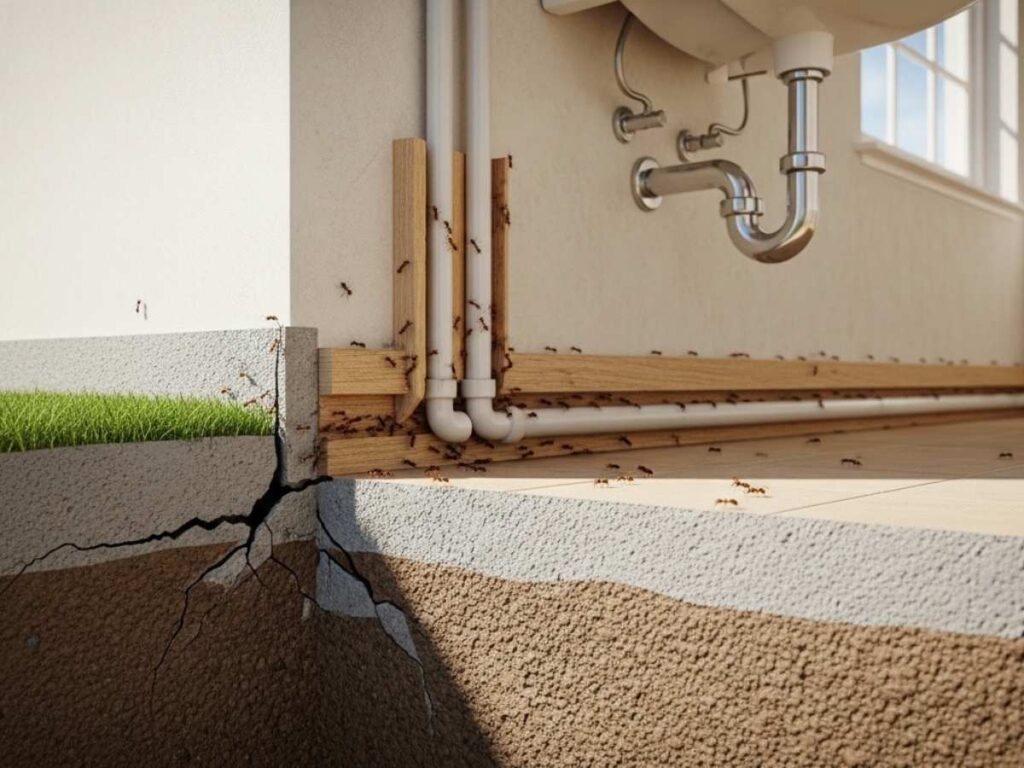
You don’t need a gaping hole in a wall for ants to crawl in. Bathroom ant infestations often start from the tiniest flaws in your home’s structure. Foundation cracks, aging caulk, or cracked tiles near tubs and sinks can become unnoticed doorways. Baseboards that shift over time or old sealing around windows let in more than just drafts.
Older homes—or those with past water damage—are especially vulnerable. Ants locate weak spots fast. They may follow plumbing routes from beneath your house, sneaking alongside pipes through walls and subflooring. These hidden highways commonly connect outdoor nest sites to indoor moisture sources.
This issue rings especially true for homes across rural Southeast Idaho. Whether you’re on a farm just outside Rigby or in a wooded lot near Blackfoot, direct contact with soil and vegetation increases your chance of meeting determined ant colonies.
If these pests keep showing up no matter how many you wipe away, it might be time to learn why ants keep coming back after treatment—there could be something deeper going on behind your walls.
Why Bathrooms Are a Favorite – Especially in Southeast Idaho
Bathrooms across Southeast Idaho attract ants for a few local reasons that go beyond general moisture. The region’s unique seasons and geography invite extra ant activity at key times of year.
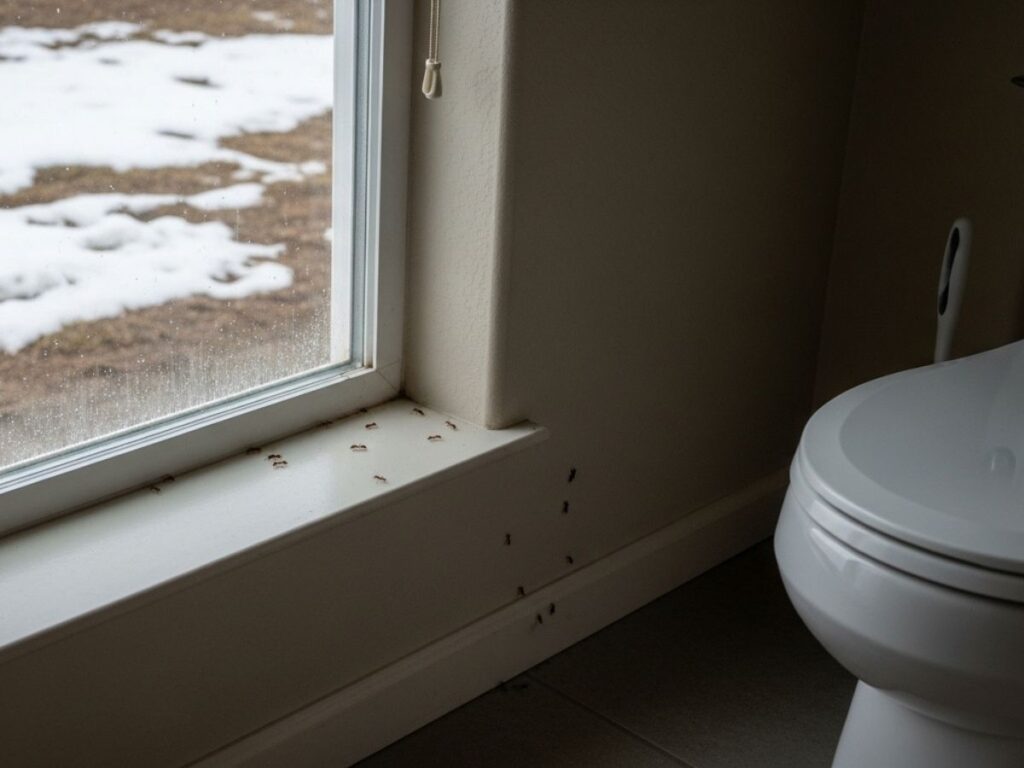
Spring thaw and agricultural irrigation produce wet soils that can temporarily flood above-ground nests. Insects instinctively move uphill—and indoors—to escape rising water. Meanwhile, stronger winds and rising temperatures in summer dry out surface soil, leading ants right back inside in a search for consistent moisture. Bathrooms become safe zones.
Home features common in this region—crawl spaces, basements, and older plumbing layouts—add to the risks. These areas trap moisture and may explain the appearance of ants around toilet bases and bathroom floors. If you’ve got a musty or cold bathroom corner, chances are that ants will find it inviting.
As a family-run business offering reliable pest control in Southeast Idaho, we’ve seen how small environmental shifts can lead to a bigger bathroom ant problem in Southeast Idaho neighborhoods. It’s not just about where you live—it’s also how your home reacts to the changing season.
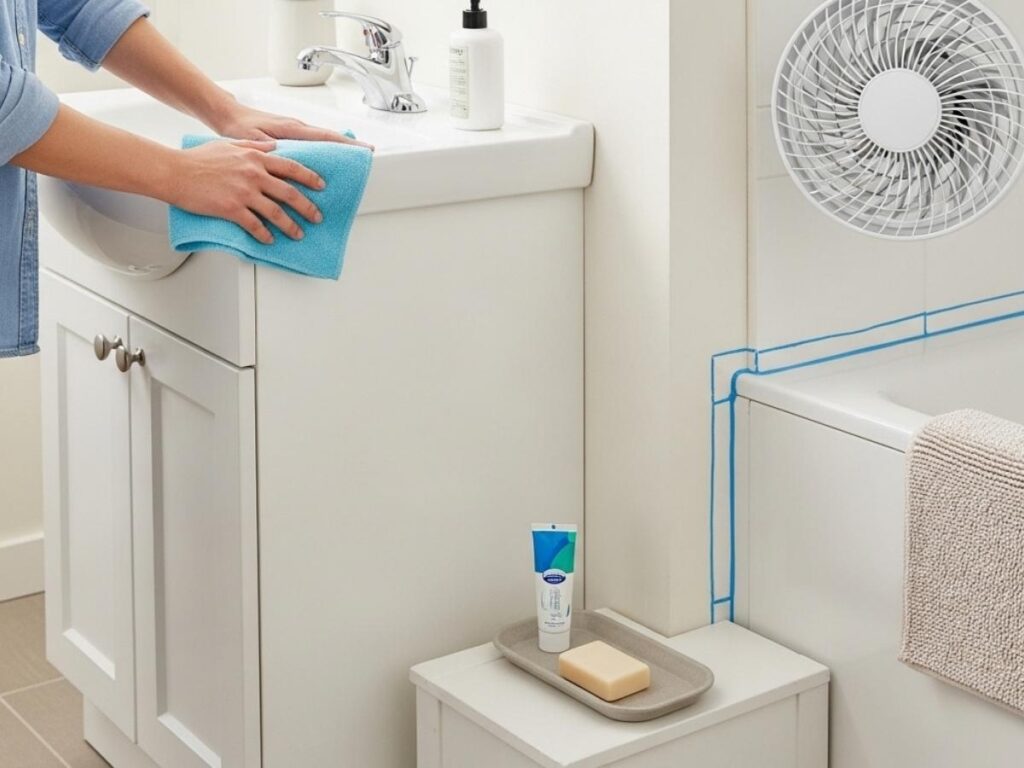
DIY Prevention Tips to Stop Ants in Their Tracks
You can stop ants in the bathroom before they start making themselves comfortable. These simple, safe at-home strategies work best when you combine them as part of a regular routine:
Smart steps to reduce moisture and access
- Wipe down sinks, tubs, and floors after use to eliminate lingering water.
- Repair leaky faucets, showerheads, and toilet components promptly.
- Keep bath mats off the floor or hang to dry between uses.
- Seal foundation cracks, window edges, and spots around plumbing with fresh caulk.
- Use white vinegar spray or mild soapy water along known ant trails for natural deterrence.
- Store toothpaste and bar soap in closed containers or trays.
- Install a bathroom fan or crack a window open during and after showers to reduce humidity, following EPA guidance on controlling indoor moisture and ventilation.
These low-cost steps can break the moisture cycle that draws in pests. If you’re struggling with open entry points near glass or hardware, here’s a helpful guide on how to stop ants from entering through windows.
Understanding what attracts ants into kitchens and bathrooms can help you stay ahead of repeat visits. It’s often the smallest drips, spills, or soft wood that give ants a reason to return.
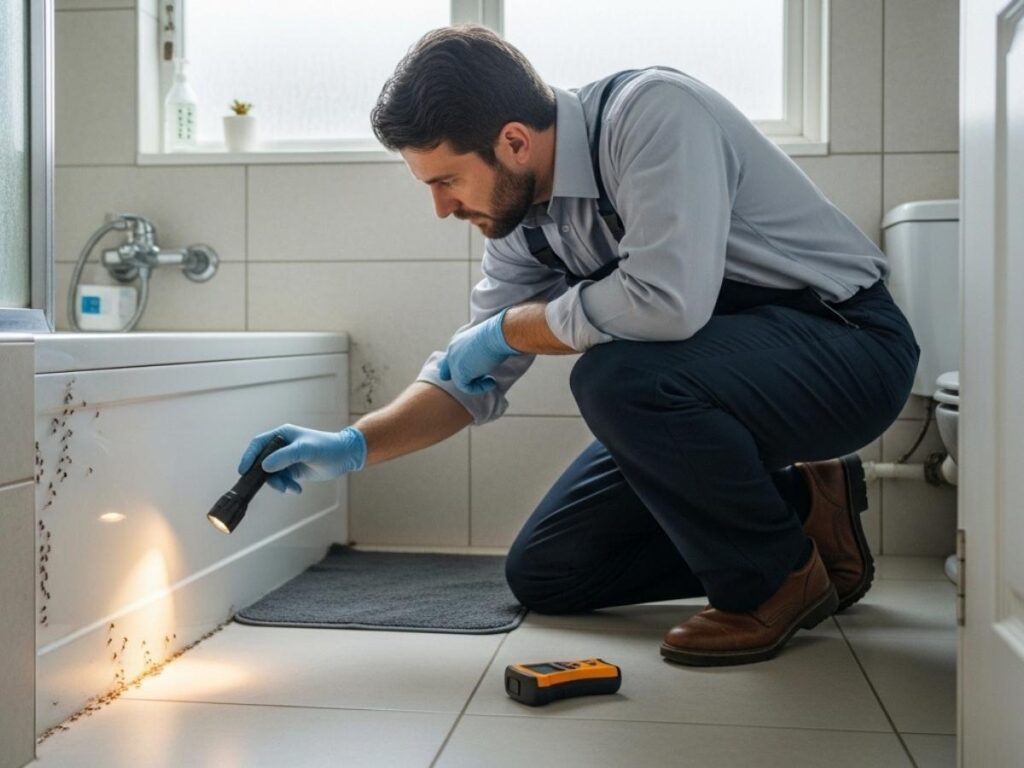
When It’s Time to Call in the Pros
If ants keep coming back—especially in the same bathroom—it may be more than a surface-level issue. Repeated sightings, trails along baseboards, or ants coming out of the bathtub faucet can point to deeper problems. This could mean hidden nests behind tile or ants in shower wall cavities, structural soft spots caused by humidity, or multiple entryways you can’t spot.
Professional pest control goes beyond spraying and sweeping. Our approach means finding the heart of the problem, identifying colony types, sealing access points, and applying pet- and kid-safe treatments that last. Learn more about how pest control companies treat for ants and what makes a lasting difference in Southeast Idaho homes.
If DIY tactics aren’t cutting it, especially after multiple rounds of cleaning and sealing, we recommend booking a professional inspection. That’s when the first visit from a pest expert becomes your turning point.
We’ll check for moisture hotspots, structural damage, and trail patterns to solve the puzzle—and offer solutions that work long term. It might not just be ants, either. Bathroom moisture could attract silverfish, earwigs, or centipedes too. We help with all of it.

Why Southeast Idaho Homeowners Trust DeWebb Pest Control
We’re your neighbors. As a locally owned company, we understand how Southeast Idaho’s climate, irrigation patterns, and home designs influence pest activity—especially when it comes to a bathroom ant problem in Southeast Idaho.
Our trained technicians don’t just show up and spray. We take time to listen, explain, and offer safe ant extermination methods that you can feel good about. Every treatment we provide is safe for kids and pets, and we work around your home’s rhythms to keep disruptions minimal.
We’ve helped thousands of families across Idaho Falls, Rigby, Blackfoot, and beyond eliminate bathroom ants and keep them from coming back. Whether it’s a stubborn case of carpenter ants in the subfloor or sugar trails near the sink, we know how to respond quickly, respectfully, and with full transparency.
Our approach focuses on education first—you’ll never feel pushed into something you don’t need. Instead, we’ll explain what’s happening, what we recommend, and how to move forward.
If you’re tired of battling bathroom ants or you’re unsure how deep the issue goes, contact us for a free inspection or explore our ant control services. Ask us how we keep Southeast Idaho homes ant-free year-round, and find peace of mind in the process.
You’re not alone in this, and we’re ready to help.
Frequently Asked Questions
Many homeowners researching why ants in bathroom suddenly appear are surprised to learn that ants enter bathrooms primarily for water, not food. Moisture from sinks, showers, leaky pipes, and humid air provides a reliable water source. Even clean bathrooms can attract ants if there’s condensation, damp grout, or poor ventilation. Bathrooms often stay moist longer than other rooms, making them ideal for ants seeking hydration.
Small household ants, such as sugar ants and moisture ants, are most often found in bathrooms. These species are attracted to water and may also respond to residues from toothpaste, soap, or shampoo. Carpenter ants can also appear if moisture has caused wood damage, as they nest in damp or softened structures, a behavior well documented by university forestry and extension entomology departments.
Yes, seasonal weather changes are a major trigger. Heavy rain, snowmelt, or irrigation can flood outdoor nests and force ants indoors. Hot, dry conditions can also drive ants inside to find consistent moisture. Bathrooms become a safe refuge because they offer stable humidity and access to water year-round.
Ants enter through very small openings, including cracks in foundations, gaps in caulking, loose baseboards, and spaces around plumbing pipes. Bathrooms have multiple pipe penetrations and moisture-weakened seals, making them common entry points. Ants can travel unseen through wall voids and subfloors before appearing indoors.
The most effective prevention focuses on moisture control and sealing entry points. Fix leaks promptly, improve ventilation with fans or windows, dry surfaces after use, and seal cracks or gaps with caulk. Regular cleaning to remove residue also helps. If ants persist, professional treatment may be needed to address hidden nests.