
Can Pest Control Prevent Seasonal Infestations?
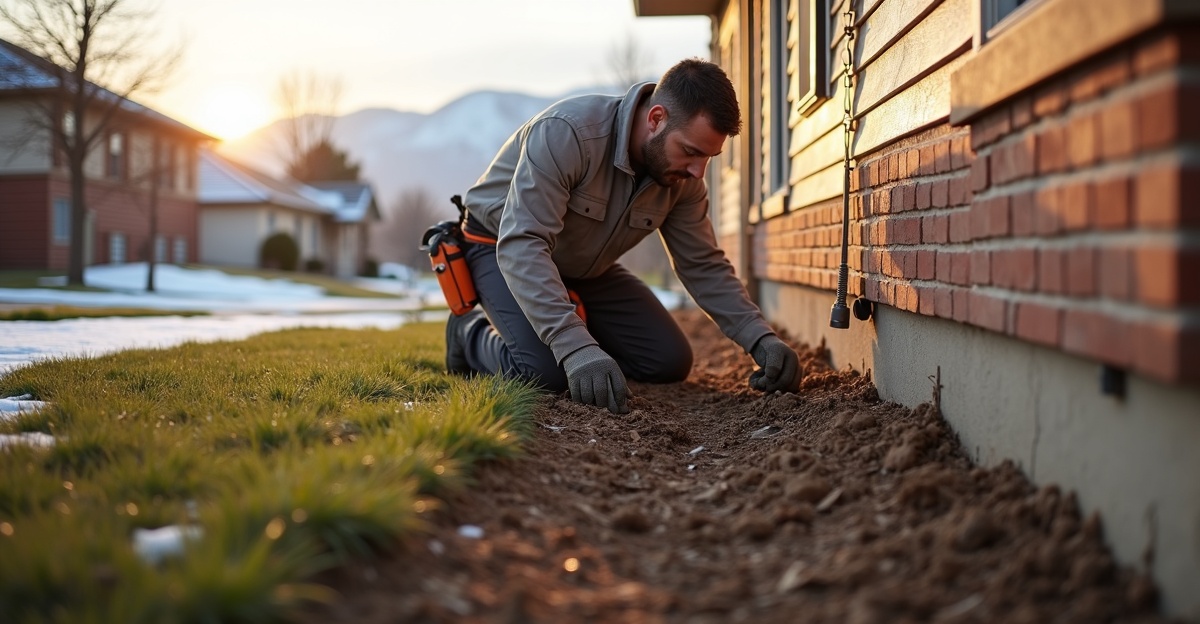
Pest control seasonal prevention reduces the risk of infestations in Southeast Idaho when we target breeding cycles, nesting areas, and entry points before pests move indoors. No service can promise zero pests year-round. Still, we align treatments with predictable patterns like spring ants, summer wasps, fall spiders, and winter rodents to stay ahead of problems instead of reacting after they spread.
Key Takeaways
- Seasonal pest control works best when we align treatments with Southeast Idaho’s predictable pest cycles throughout the year.
- Proactive service disrupts colonies early and reduces repeat infestations compared to reactive, one-time treatments.
- Consistent treatments maintain steady pressure on pest populations, but they can’t guarantee complete elimination.
- Exterior-focused, targeted applications prioritize safety for kids and pets while reducing indoor exposure.
- Home maintenance steps like sealing gaps and reducing moisture strengthen the effectiveness of our professional prevention plans.
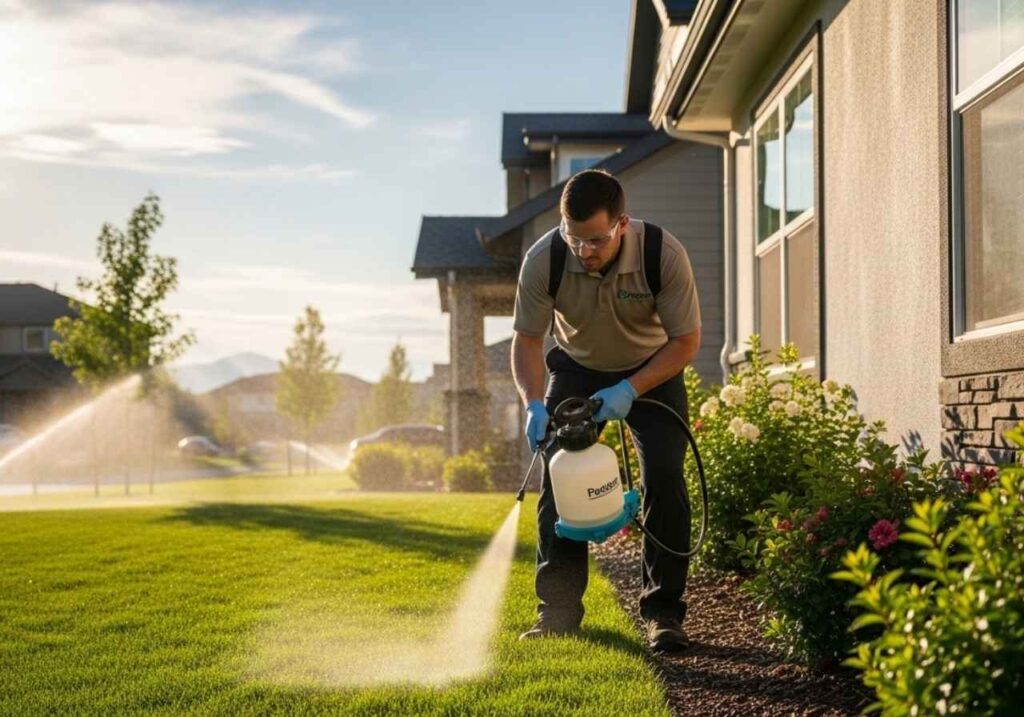
How Seasonal Pest Control Actually Reduces Infestations in Southeast Idaho
Seasonal pest control prevention significantly reduces the risk and severity of infestations, but it does not guarantee 100% prevention. What it does offer is consistent pressure against pest populations before they turn into full-blown problems.
Effective seasonal service works by interrupting breeding cycles, targeting nesting areas, and blocking entry points before pests become visible inside the home. Instead of waiting for ants to trail across the kitchen or wasps to build nests under the eaves, we treat areas where activity begins. That early action makes a measurable difference.
In Southeast Idaho, timing matters. Cold winters, warm summers, irrigation cycles, and agricultural harvest patterns all influence how pest control works seasonally. When treatments align with those seasonal shifts, we can prevent seasonal infestations far more effectively than reacting after pests are already established.
Realistic expectations are important. No service can promise zero pests forever. However, consistent preventative pest control keeps populations low, reduces repeated infestations, and limits the damage pests cause. The goal is simple: maintain steady protection so we are not constantly reacting to surprise problems.
For homeowners curious about long-term protection, we often recommend learning more about year-round pest control in Idaho. Steady management is what keeps pest pressure under control throughout changing seasons.
Why Pests Follow the Seasons in Southeast Idaho
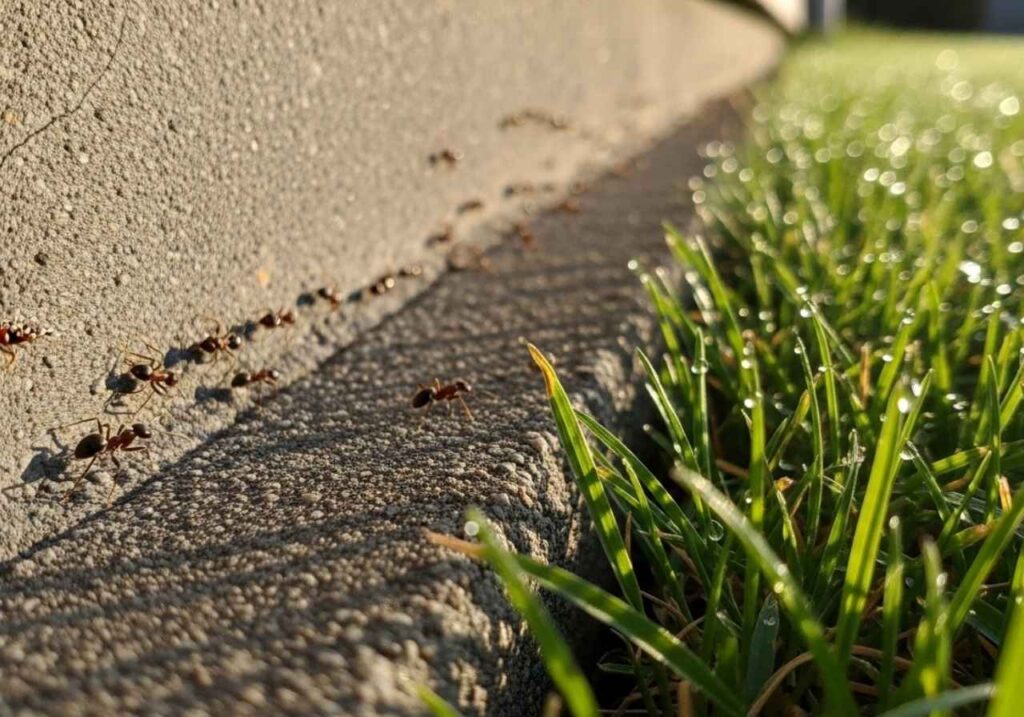
Southeast Idaho follows a predictable cycle: ants in spring, wasps in summer, spiders in fall, and mice in winter. Each season creates the right conditions for different pests to thrive.
As temperatures rise in March and April, ant colonies expand, a pattern documented in spring ant colony growth research from university entomology departments. That is why ant control in spring Idaho is so important. Colonies often start outdoors near foundations, sidewalks, and irrigated lawns before moving inside.
Summer brings heavy wasp activity. Irrigation, outdoor gatherings, and warm rooflines create ideal nesting spots. Wasp control during summer in Idaho focuses on stopping nests early before they grow aggressive, as late-season wasp colonies are known to become more defensive as they expand.
Fall leads to increased spider visibility. Cooler temperatures drive insects toward warmth, which draws spiders closer to homes. Many homeowners search for spider control in Idaho Falls as webs appear around windows and eaves.
Winter changes everything. Cold weather pushes rodents indoors, a behavior widely documented in winter rodent migration guidance from university extension services. Mouse prevention in winter focuses on sealing entry points and monitoring garages, crawl spaces, and attics, and learning how to seal home prevent mice winter before cold temperatures push rodents indoors. We explain this pattern further in why mice are a bigger problem in the fall.
Temperature swings, irrigation water, and harvest season in areas like Rexburg, Idaho Falls, Ammon, Blackfoot, Rigby, Pocatello, and Ririe all influence pest movement. Most infestations actually begin outside before homeowners notice activity indoors.
The good news is that these patterns repeat every year. Seasonal pest control in Southeast Idaho works because these cycles are predictable. When treatment is applied at the right time, it keeps homes ahead of the problem.

Proactive vs Reactive Pest Control: What Is the Real Difference?
Reactive pest control means treating after pests are visible. Proactive pest control means scheduling preventative treatments before peak activity begins.
That difference changes everything. Reactive treatments often happen when a colony is already established. Elimination can take longer. Stress runs higher. Repeat visits become more likely.
Proactive service keeps pest pressure low before it escalates. Colonies get disrupted early. Entry points are monitored regularly. Nesting areas are treated before populations grow.
For a deeper explanation, visit our breakdown of preventive vs reactive pest control. The long-term benefits are practical: fewer surprises, steadier control, and lower overall frustration.
If we wait for infestations to appear before calling for help, repeated one-time treatments can add up. Recurring service through a residential pest control plan often provides better stability over time. It reduces repeat infestations and the stress that comes with them.
Prevention works because consistency works. In most cases, steady service outperforms emergency visits.
Is Seasonal Pest Control Safe for Kids and Pets?
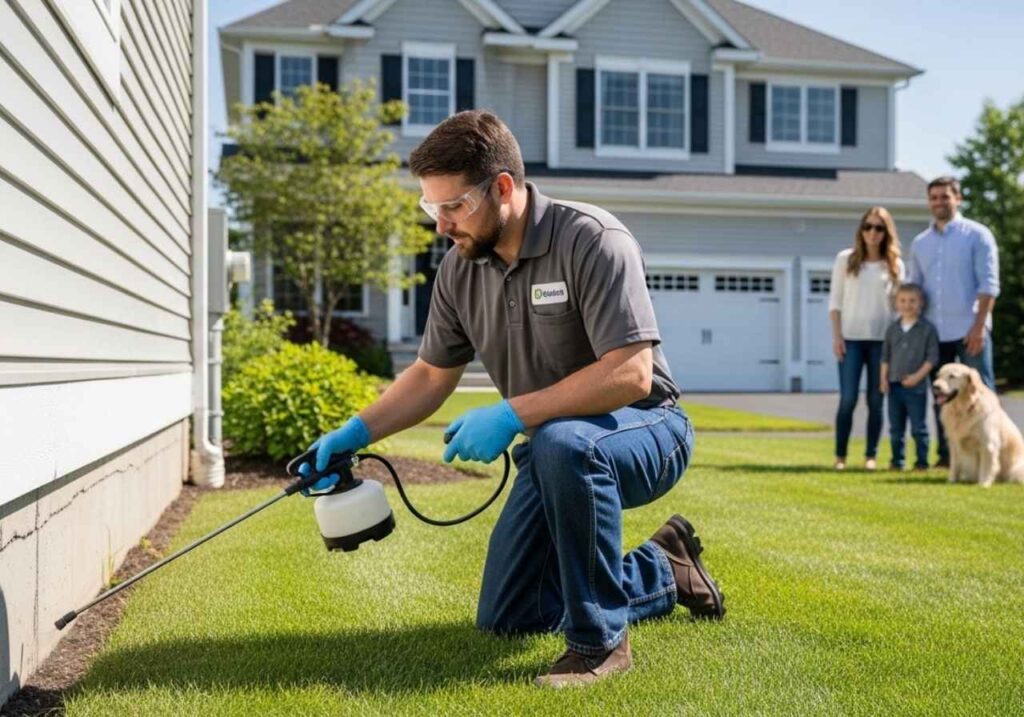
Safety is a top priority for families. Safe pest control for kids and pets is always part of treatment planning.
The process begins with careful product selection. Materials are chosen based on the target pest and treatment area. Whenever possible, applications focus on the home’s exterior to reduce indoor exposure.
Application methods are targeted and precise. Treatments focus on cracks, crevices, foundations, and entry zones rather than unnecessary broad application areas. After each visit, clear re-entry guidance ensures households know exactly when it is safe to resume normal activity.
Licensed and trained technicians apply every treatment. Ongoing education keeps teams current with EPA pesticide label requirements and safe handling standards.
Winter services follow these same safety principles. Cold weather does not prevent treatment, which is why pest control in winter Idaho remains an important part of year-round protection. Learn more about pest control during winter months and how protection continues year-round.
What Pest Control Can and Cannot Prevent
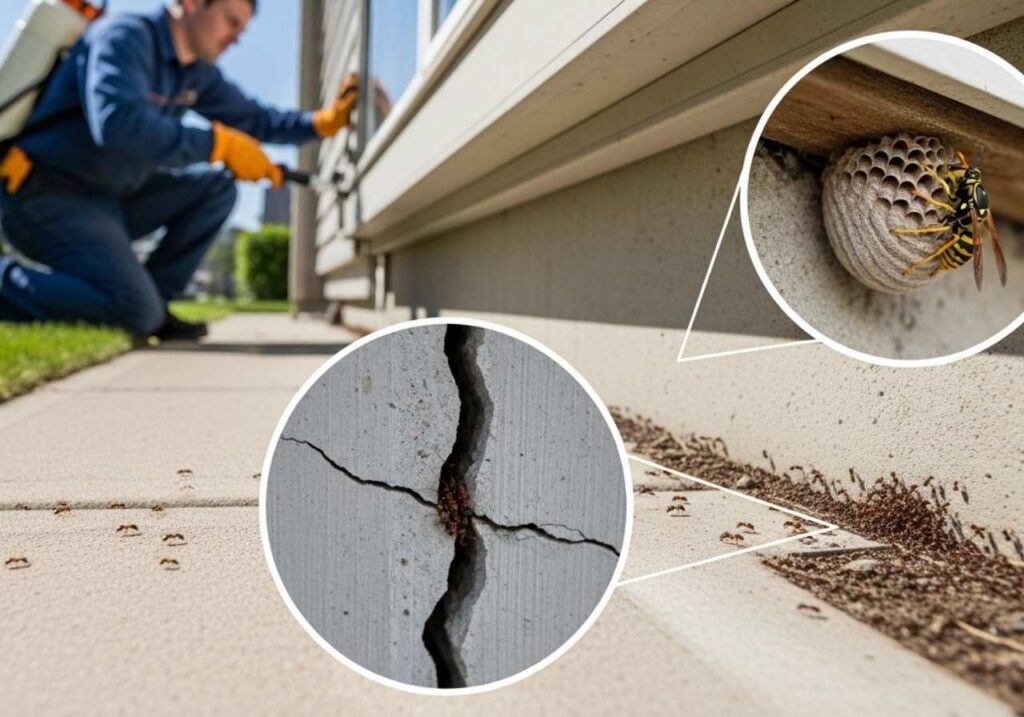
Honest expectations are essential. Pest control significantly reduces risk, but it does not eliminate every possibility.
Standard services effectively manage common household pests. Treatments can:
- Reduce nesting around foundations
- Stop ant and wasp colonies early
- Minimize spider populations
- Monitor and manage small rodent activity
- Seal common pest entry points
Wildlife such as raccoons or large rodents may require separate exclusion work beyond routine service. Extreme weather shifts like snowmelt, sudden heat waves, or harvest disruptions can temporarily increase pest movement.
No company can promise pests will never return. What consistent service provides is ongoing monitoring and timely adjustments. Small concerns are addressed before they grow.
For homeowners wondering about treatment frequency, explore how effective monthly pest control is. Regular visits maintain steady protection rather than restarting the process each time.
A one-time visit may resolve a current issue. Ongoing care reduces the likelihood of the next one.
What You Can Do Between Service Visits to Strengthen Prevention
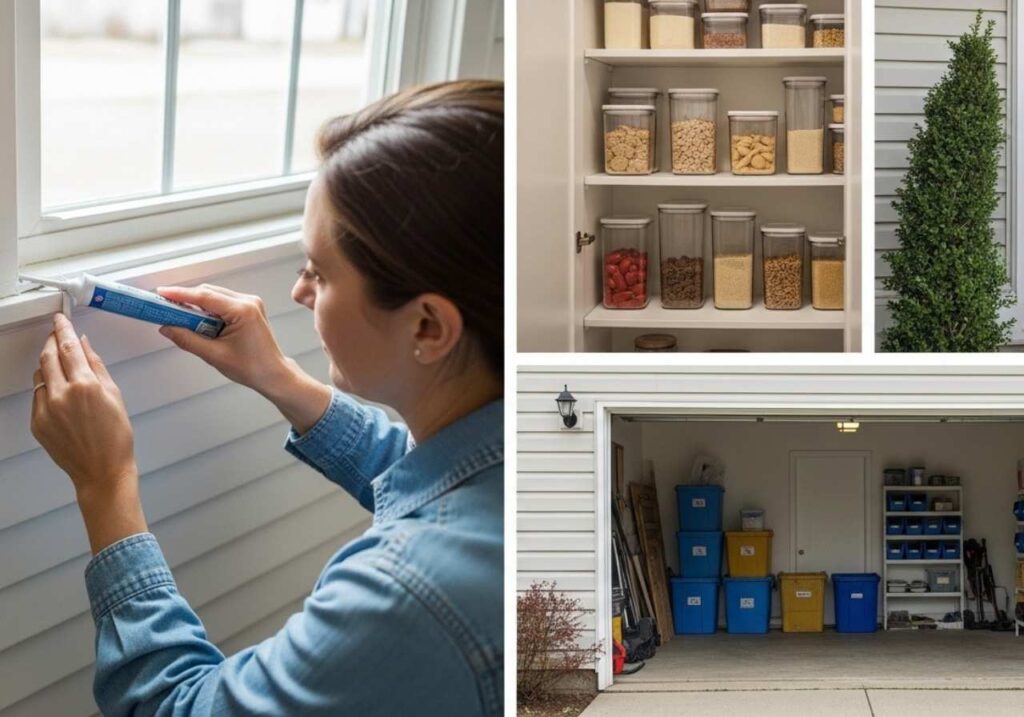
Prevention works best as a partnership. Small steps between visits strengthen professional treatments.
Homeowners can:
- Seal small cracks and gaps around doors, windows, and foundations
- Store pantry items in airtight containers
- Reduce moisture near foundations and crawl spaces
- Trim shrubs and tree branches away from siding
- Keep garages and attics organized to reduce hiding spots
These actions do not replace professional care, but they improve results. When combined with scheduled pest control services in Southeast Idaho, protection becomes significantly more effective.
As a family-owned, community-focused team, our approach centers on thorough service and long-term relationships. Homeowners ready to evaluate preventative options can request an inspection or seasonal consultation through our contact page. Consistent prevention today reduces bigger problems tomorrow.
Frequently Asked Questions
Pest control seasonal prevention is highly effective at reducing the frequency and severity of infestations when performed consistently. It works by targeting pests during key breeding and activity periods before populations grow. While it cannot guarantee zero pests, ongoing seasonal treatments significantly lower risk, limit recurring issues, and maintain steady control throughout the year.
Pest control seasonal prevention should begin in early spring before pest activity peaks. Starting in March or April allows treatments to interrupt ant colonies, wasp nesting, and other early-season activity. Beginning before visible infestations improves effectiveness and helps maintain protection as pest pressures shift through summer, fall, and winter.
Yes, seasonal pest control helps prevent winter rodent infestations by focusing on exclusion and monitoring before temperatures drop. Treatments often include sealing entry points, inspecting crawl spaces, and addressing exterior vulnerabilities. By preparing in fall, homeowners reduce the likelihood of mice and rats moving indoors when outdoor shelter becomes limited.
Seasonal pest control provides scheduled, proactive treatments aligned with pest life cycles, while one-time treatments respond to existing problems. Preventative service keeps pest populations low throughout the year, reducing repeat infestations. One-time treatments may solve an immediate issue but often lack the ongoing monitoring needed to prevent future outbreaks.
Yes, pest control seasonal prevention significantly lowers the need for emergency pest treatments. By applying consistent pressure on pest populations and addressing entry points early, infestations are less likely to escalate unexpectedly. Proactive service reduces surprise outbreaks, minimizes property damage risk, and helps homeowners avoid repeated urgent service calls.