How long does spraying a yard for mosquitoes last?
Mosquito yard spray duration in Southeast Idaho typically lasts 21–30 days, based on weather patterns, irrigation habits, landscaping, and overall mosquito pressure. We often hear homeowners ask how long spraying a yard for mosquitoes lasts, and the honest answer depends on local conditions. Heavy rain, frequent sprinkler use, and nearby standing water can shorten that protection window, while dry, stable weather can help it hold strong for the full cycle.
Key Takeaways
- Most mosquito yard treatments last about 21–30 days under normal Southeast Idaho conditions.
- Heavy rain, frequent irrigation, heat, and dense vegetation can reduce how long treatments remain effective.
- One-time sprays work well for events, while recurring monthly service maintains more consistent season-long control.
- Treatments focus on shrubs, shaded foliage, and mosquito resting areas to reduce active populations.
- Simple steps like adjusting sprinklers, trimming plants, and removing standing water help extend treatment effectiveness.
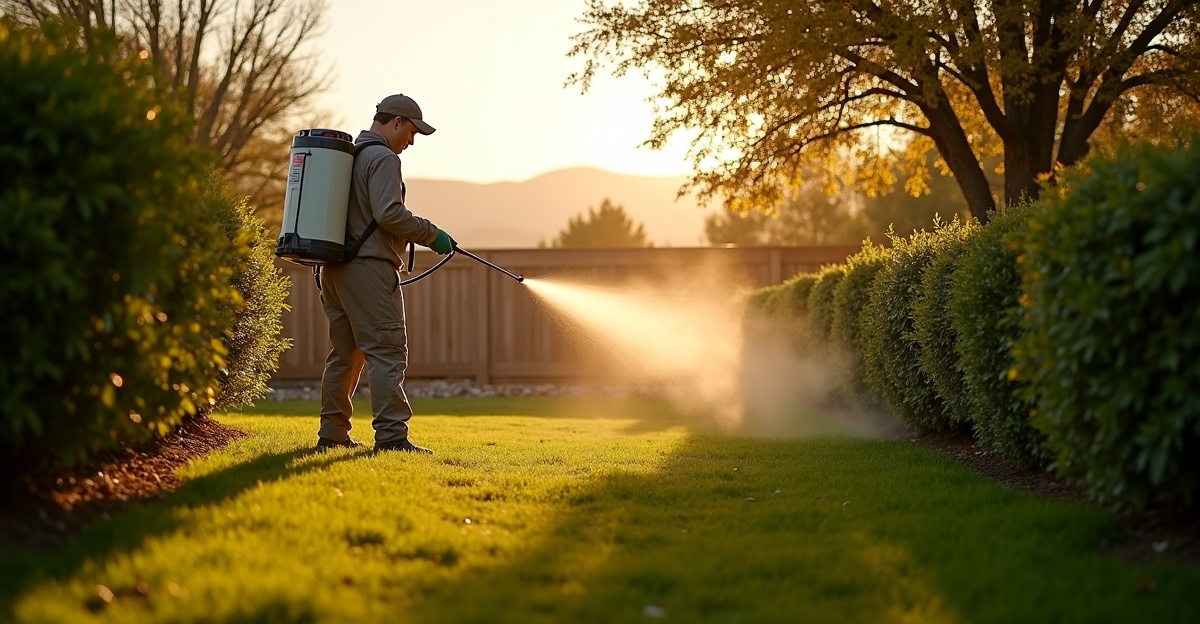
We apply treatments with a clear plan. Our team targets the underside of leaves, dense shrubs, shaded fence lines, and other cool resting spots where mosquitoes hide during the day. That approach delivers stronger results than surface spraying open lawn areas.
Weather plays a direct role in performance. Strong storms can dilute product residue, and excessive irrigation can wash treatments off foliage faster than expected, as explained in extension entomology guidance on rainfall and residual insecticides. We recommend watering lawns deeply but less often, and avoiding sprinkler cycles for at least 24 hours after service in line with EPA pesticide application dry-time guidance. That simple step makes a noticeable difference.
Plant density also affects results. Thick vegetation gives mosquitoes more shelter and breeding opportunities. We encourage trimming back overgrown shrubs and thinning dense landscaping to improve airflow and treatment coverage. Cleaner edges and better light penetration limit mosquito activity.
For special occasions, a one-time application offers reliable short-term relief. We usually recommend scheduling that service a few days before an outdoor event. If we want consistent control throughout peak season, monthly treatments deliver steadier protection and prevent populations from rebounding.
We also promote basic source reduction. Eliminating standing water in birdbaths, buckets, clogged gutters, and low-lying areas reduces breeding sites, as outlined by the CDC’s guidance on mosquito breeding and source reduction. Fewer larvae mean fewer adults to control later.
Consistent service combined with smart yard maintenance gives us the best results in Southeast Idaho. We focus on prevention, proper timing, and strategic application so families can enjoy their outdoor spaces with fewer interruptions from mosquitoes.
What to Expect From Your Mosquito Yard Spray Duration in Southeast Idaho
Mosquito yard spray duration in Southeast Idaho typically lasts around 21–30 days under normal conditions. For most homeowners in Rexburg, Idaho Falls, Ammon, Blackfoot, Rigby, Pocatello, and Ririe, that time frame answers the core question: how long does mosquito spray last?
That said, there are no guarantees like “exactly 30 days.” Weather, irrigation habits, plant growth, and mosquito pressure all affect results. We believe in being upfront about that. Real protection depends on real-life conditions in each yard.
Our treatments focus on where mosquitoes actually rest—shrubs, trees, shaded foliage, and dense landscaping. By targeting these resting areas, we reduce active mosquito populations and make outdoor spaces more comfortable. The goal isn’t a quick surface-level knockdown. It’s a meaningful reduction that lets families use their yards again.
Understanding mosquito control in Southeast Idaho means knowing what’s realistic. Summers here bring irrigation, heat swings, and nearby water sources. Professional treatment is worth it for many homeowners because it keeps pressure down during peak season, but expectations should stay grounded. We’ll always set them clearly.
What Affects How Long Mosquito Spray Lasts in Your Yard
Many homeowners ask, “Mosquito yard treatment—how long does it last?” The 21–30 day range holds true in most cases, but several factors can shorten or extend that window.
Heavy rain is one of the most common issues. Light rain after the application has dried usually doesn’t erase effectiveness. However, a strong downpour soon after service can reduce residual coverage. Timing matters.
Sprinkler systems are another big factor in Southeast Idaho. Frequent irrigation, even without heavy rainfall, can gradually wear down treatment on plant surfaces. Lawns that water daily or multiple times per week often see a shorter mosquito yard spray duration.
Temperature also plays a role. Peak summer heat speeds up mosquito breeding cycles. Warmer weather increases pressure, meaning new mosquitoes emerge faster. Even if the treatment is still active, you may notice more activity simply because populations rebound quicker in hot conditions.
Vegetation density makes a difference. Thick shrubs and fast-growing plants can dilute coverage over time as new leaves appear. Yards with heavy landscaping or tree lines may need closer monitoring.
Property size and layout matter as well. Larger rural properties near canals, ponds, irrigated fields, or standing water often experience higher mosquito breeding activity. Those areas sometimes require more consistent maintenance to keep numbers down.
Every yard tells a different story. That’s why we evaluate each one instead of offering one-size-fits-all answers to “how long does mosquito spray last?”
One-Time Event Spray vs Recurring Service: What’s the Difference?
Choosing between a one-time mosquito treatment and recurring service depends on how the yard is used and how long protection is needed.
A one-time mosquito treatment works well for outdoor weddings, parties, reunions, or special gatherings. Under normal conditions, it provides reduction in the same general 21–30 day range. It’s a great short-term option. However, it doesn’t address ongoing breeding cycles or continued mosquito pressure during the rest of the season.
Recurring monthly treatments offer a different level of consistency. Services are typically scheduled every 21–30 days during peak mosquito season. This timing helps stay ahead of hatch cycles and maintains steady control even as temperatures and irrigation patterns shift.
Many homeowners eventually ask, how often should we spray for mosquitoes in Idaho? In most cases, monthly treatments during the active season provide the most reliable results. Similar to overall pest programs discussed in monthly pest control effectiveness, consistency is what keeps pressure manageable rather than chasing problems after they increase.
Professional mosquito spraying cost in Idaho varies depending on property size and frequency. Repeated one-time treatments can add up over a long summer. A recurring plan often delivers better value because it maintains control instead of resetting the clock each month.
We’ll walk through what makes sense for each yard and each budget. Some homeowners want coverage for a few key events. Others want steady protection all season. Either option can work when expectations are clear.
Does It Still Work After Rain? Common Questions Homeowners Ask
Quick Answers for Southeast Idaho Homeowners
- Does mosquito spray still work after rain?
Light rain after the treatment has dried usually doesn’t eliminate effectiveness. Heavy downpours or frequent sprinkler cycles can reduce mosquito yard spray duration. - Best time to spray a yard for mosquitoes?
Early season before populations peak is ideal. Continued treatments during active breeding months maintain control. Scheduling around irrigation cycles improves results. - How often should we spray for mosquitoes in Southeast Idaho?
Most yards benefit from treatment every 21–30 days during mosquito season. Weather, nearby water, and landscaping may adjust that schedule slightly.
Homeowners often expect instant results. While many mosquitoes drop quickly after service, ongoing reduction takes a little time as the population cycle is interrupted. For a broader explanation of treatment timing, our article on how long it takes to see results explains what’s realistic.
Each yard in Idaho Falls, Rexburg, Pocatello, and surrounding areas has different pressure levels. Clear communication keeps everyone on the same page.
Is Mosquito Spray Safe for Pets and Kids?
Safety matters. Families and retirees alike want to know that mosquito spray is safe for pets and kids.
We apply treatments using professional equipment and according to label guidelines. Areas are allowed to dry before normal yard activity resumes. As a general rule, children and pets should stay indoors during application. Once treated surfaces have dried, regular use of the yard can continue.
We focus on careful application to resting areas like shrubs and shaded foliage rather than blanketing open spaces unnecessarily. Our goal is protection and peace of mind, not overuse.
Open conversations about safety are part of our service. We’ll explain what’s being applied, where it’s applied, and what simple steps to follow.
How to Make Your Mosquito Treatment Last Longer
Homeowners can take simple steps to extend mosquito yard spray duration and get the most value from treatment.
- Adjust irrigation timing so sprinklers don’t run immediately after service
- Trim dense shrubs and overgrown landscaping to improve coverage
- Remove standing water from buckets, toys, tarps, and clogged gutters
- Monitor shaded resting areas where mosquitoes hide
Southeast Idaho’s irrigation practices and seasonal mosquito cycles make proactive planning important. Early-season treatments combined with yard maintenance often produce the most consistent results.
For homeowners ready to take the next step, professional mosquito control services provide structured seasonal protection. Broader residential pest control can also support overall outdoor comfort.
We’re always happy to review conditions, explain options clearly, and create a seasonal plan that fits. A quick call through our contact page starts a straightforward conversation. Reliable results, honest timelines, and steady communication are what neighbors should expect.
Frequently Asked Questions
Mosquito yard spray duration usually lasts about 21–30 days under normal Idaho conditions. Weather, irrigation frequency, and nearby water sources can shorten that timeframe. Heavy rain or frequent sprinkler use may reduce residual effectiveness, while dry, stable weather can help treatments reach the full cycle. Monthly applications are commonly recommended during peak mosquito season for steady control.
The biggest factors that reduce mosquito yard spray duration are heavy rainfall, frequent lawn irrigation, extreme heat, and dense vegetation. Strong storms can dilute treatment residue, while constant sprinkler cycles wash it off foliage. Rapid plant growth may also create untreated new surfaces. Managing watering schedules and trimming shrubs can help extend effectiveness.
Yes, nearby standing water can significantly impact mosquito yard spray duration. While treatments reduce adult mosquitoes resting in shrubs and shaded areas, untreated breeding sites allow new mosquitoes to emerge. Birdbaths, clogged gutters, irrigation runoff, ponds, and canals increase pressure. Removing water sources supports longer-lasting population control and improves overall results.
Rain can reduce mosquito control effectiveness if it occurs before the treatment fully dries. Most applications need several hours of dry time to bond to plant surfaces. Light rain afterward typically has minimal impact, but heavy downpours soon after service may shorten mosquito yard spray duration. Avoiding irrigation for 24 hours helps maintain protection.
A one-time mosquito spray works well for short-term events but does not provide ongoing seasonal protection. Mosquito yard spray duration still follows the 21–30 day range, but new hatch cycles can quickly rebuild populations. Monthly treatments during active season maintain more consistent control and prevent mosquito numbers from rebounding.