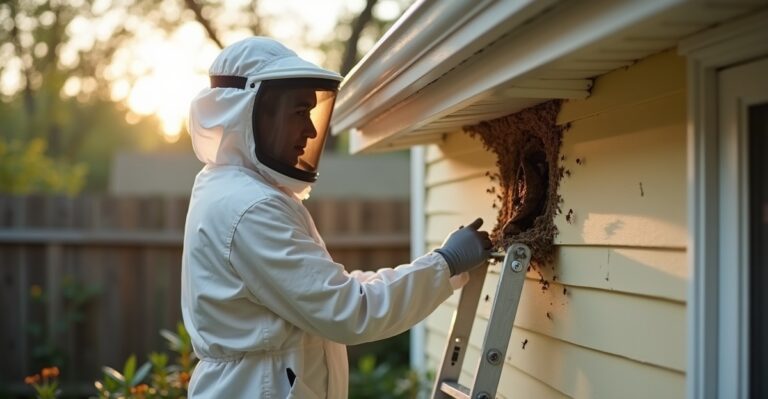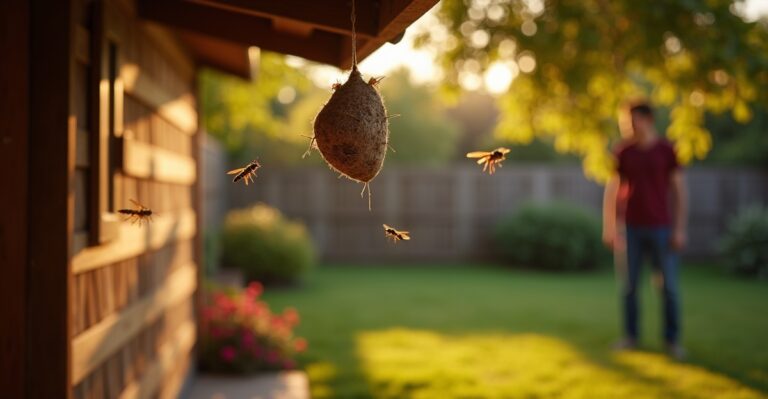
Do Wasps Die Off in the Winter?
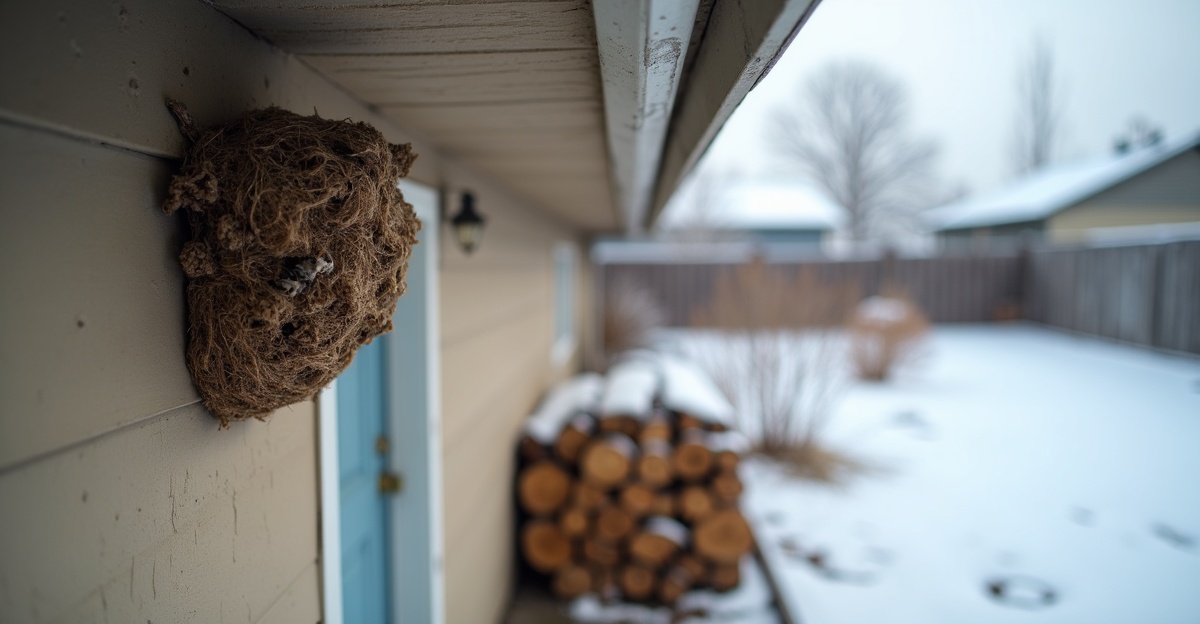
If we’re wondering whether wasps die in winter in Idaho, the short answer is that most do, but future queens survive. Worker wasps and male wasps die after the first hard frost hits. Fertilized queens overwinter in protected spaces and reappear in spring.
Across Southeast Idaho, freezing temperatures shut down active colonies fast. Cold weather stops feeding and breeding. Dormant queens, however, stay protected in attics, wall voids, woodpiles, sheds, and small exterior cracks. Once temperatures rise, they emerge and begin building new nests.
Key Takeaways
- Most worker wasps and male wasps die after sustained freezing temperatures in winter.
- Fertilized queens survive by sheltering in attics, wall voids, sheds, woodpiles, and other protected areas.
- Old wasp nests are abandoned each year, but new nests are built by overwintered queens in spring.
- Wasp activity in Southeast Idaho typically resumes in April or May as temperatures consistently warm.
- Winter reduces activity but does not permanently eliminate future infestations, making early spring prevention important.
What Really Happens to Wasps During Idaho Winters
Most worker wasps and male wasps die after the first hard frost in Southeast Idaho. Fertilized queens survive the winter and restart the cycle in spring.
We hear this every year: do wasps die in winter Idaho? The honest answer is yes, most do, but not all. Idaho winter wasps follow a predictable pattern tied closely to temperature.
Across Rexburg, Idaho Falls, Ammon, Blackfoot, Rigby, Pocatello, and Ririe, extended freezing temperatures and heavy snowpack shut down active colonies. Once we hit a sustained hard freeze, worker wasps and males cannot survive. The colony collapses.
Yet the story does not end there. The wasp life cycle winter phase centers around newly fertilized queens. These queens leave the dying colony in fall and look for protected places to ride out the cold. They may shelter in:
- Attics
- Wall voids
- Sheds and outbuildings
- Woodpiles
- Beneath tree bark
- Insulated cracks and crevices
They slow their metabolism and remain dormant until temperatures consistently warm in spring, entering a dormant state known as diapause described in Allstate Termite and Pest Solutions research on overwintering wasps.
Winter greatly reduces wasp activity, which brings relief to most homeowners. Still, it does not permanently eliminate wasps from a property. Surviving queens are ready to start again when the weather shifts.
Why Winter Does Not Permanently Solve a Wasp Problem
Cold weather ends a colony, but it does not stop future infestations.
Many people assume that once a nest dies in winter, the problem is gone for good. In reality, queens that overwinter nearby often establish new nests in the same general area. If we have wondered do wasps return to old nests each year, the answer is no. Old wasp nests are abandoned and not reused. However, new nests are built each spring by overwintered queens.
Just one fertilized queen can start an entirely new colony by herself. She begins by building a small starter nest, laying eggs, and raising the first generation of workers. Once those workers mature, they take over expansion duties while the queen focuses on laying eggs.
Around Southeast Idaho, we often see activity resume in early to mid-spring. If we are wondering when do wasps come back in spring Idaho, the typical window is April through May. Our local climate plays a role. Late snowmelt and cool nights may delay visible activity, but once daytime temperatures consistently warm, nesting begins quickly.
If summer infestations have happened year after year, there is usually a reason. We have explored this further in why wasps keep coming back every summer, and the pattern almost always traces back to overwintering queens and favorable nesting spots.
Winter is a pause, not a permanent solution.
Yellow Jackets vs. Paper Wasps in Idaho: What Survives and Where
Two of the most common Idaho winter wasps we deal with are yellow jackets and paper wasps. They behave differently, but their winter survival pattern is similar.
Key differences homeowners should understand
- Yellow jackets often nest underground or inside wall voids, a common pattern documented in university maryland extension guides on yellow jacket nesting behavior.
- They tend to be more defensive, especially if their nest is disturbed.
- Do yellow jackets die in winter Idaho? Workers and males die after frost, but fertilized queens overwinter in protected spaces.
- Paper wasps build umbrella-shaped nests under eaves, decks, and rooflines.
- They are usually less aggressive than yellow jackets, yet they will defend their nest if threatened.
- Paper wasp queens overwinter in cracks, crevices, attics, or sheltered wood areas.
Because queens hide inside structures, we sometimes see them emerge indoors on a warm winter day. A single wasp near a window in January does not mean there is an active colony inside. It often means a dormant queen was disturbed by warmth.
Disturbing hidden queens or early spring nests increases sting risk. That is especially true with yellow jackets nesting in wall voids or underground. Early nests are small, but they grow fast once worker activity ramps up.
If activity appears concentrated around the home, professional help from our wasp control team can safely address the issue before it escalates.
When Should We Be Concerned Around the Home?
Seeing a single wasp on a warm early-spring afternoon in Southeast Idaho is often normal. That may simply be a queen searching for a nesting site.
Concern rises when we notice patterns.
Repeated activity around eaves, soffits, decks, sheds, or attic vents deserves attention. Wasps entering and exiting the same hole in siding or ground signal possible nest development. A history of recurring nests in the same area each year is another red flag.
Homes with children and pets require extra caution. Nests near playsets, patios, doorways, or high-traffic areas increase the odds of accidental disturbance. Stings often happen when someone unknowingly gets too close.
Rather than attempting risky DIY removal, we recommend monitoring activity and calling for an inspection if movement becomes consistent. Some products claim quick results, and we have discussed this in do pest control sprays work on wasps. Sprays may help in limited cases, but improper use can agitate wasps and increase sting risk.
A professional inspection, especially for hard-to-reach eaves or hidden wall voids, adds peace of mind. Our residential pest control services focus on practical solutions that fit Southeast Idaho homes.
How to Prevent Wasps in Spring Before Colonies Grow
Early action makes a real difference. Addressing small, newly forming nests in spring is far easier than dealing with a mature colony in mid- to late-summer.
Here are practical steps homeowners can safely take as part of how to prevent wasps in spring:
- Seal cracks and gaps in siding, around vents, and along rooflines.
- Repair damaged screens and soffits.
- Keep trash sealed tightly, especially to deter yellow jackets.
- Remove fallen fruit and exposed food sources from yards.
If paper wasps have built under eaves before, prevention becomes even more important. We have outlined specific strategies in how to stop wasps from building under eaves.
Avoid knocking down active nests. Even small colonies defend themselves. Without proper protective equipment and treatment methods, removal attempts often result in multiple stings.
Spring inspections are one of the best ways to reduce summer surprises. Do wasps die in winter Idaho? Yes, most do. That does not mean we will not see them again once temperatures climb.
In some cases, winter can even be a planning window. If there is uncertainty about timing, we have covered that in can pest control be done in winter months. Early assessments help identify vulnerable spots before queens establish nests.
For properties with recurring issues, professional treatment through our broader pest control services can create a consistent protective barrier through the active season.
Here in Southeast Idaho, we believe in staying ahead of the problem rather than reacting in late summer.
Frequently Asked Questions
Most wasps die once winter temperatures drop below freezing in Idaho. Worker wasps and male wasps cannot survive sustained cold and usually die after the first hard frost. However, fertilized queen wasps survive by hiding in protected places such as attics, wall voids, woodpiles, or tree bark. These queens remain dormant through winter and emerge in spring to start new colonies.
Wasp queens overwinter in sheltered locations that protect them from freezing temperatures. Common hiding spots include attics, wall cavities, sheds, woodpiles, under tree bark, and small cracks in buildings. In these protected areas, queens enter a dormant state called diapause, which slows their metabolism and helps them survive the winter until warmer spring weather returns, a process explained in The Ohio State University research on insect diapause.
Wasp activity in Southeast Idaho typically returns between April and May. As daytime temperatures rise and remain consistently warm, overwintered queens leave their hiding places and begin building small starter nests. They lay the first eggs and raise the initial group of worker wasps, which then expand the colony through the late spring and summer months.
Wasps do not reuse old nests from previous seasons. Each spring, a fertilized queen builds a brand-new nest in a different location. The abandoned nests seen on buildings or trees are empty and inactive. While old nests are not reused, new nests may appear in nearby areas if the location provides good shelter and food sources.
Wasps often return to the same property each year because it offers favorable nesting conditions. Protected rooflines, attic vents, wall gaps, and nearby food sources make a location attractive for overwintered queens searching for nest sites. Even though old nests are abandoned, queens that survived winter may establish new colonies in similar sheltered areas around the home.