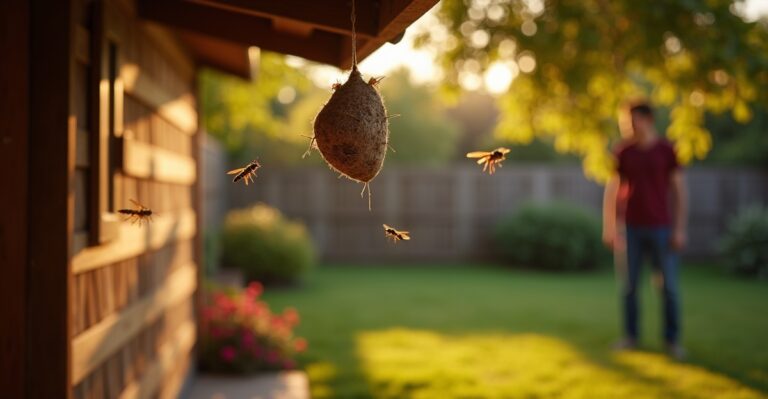
Will pest control get rid of wasps?
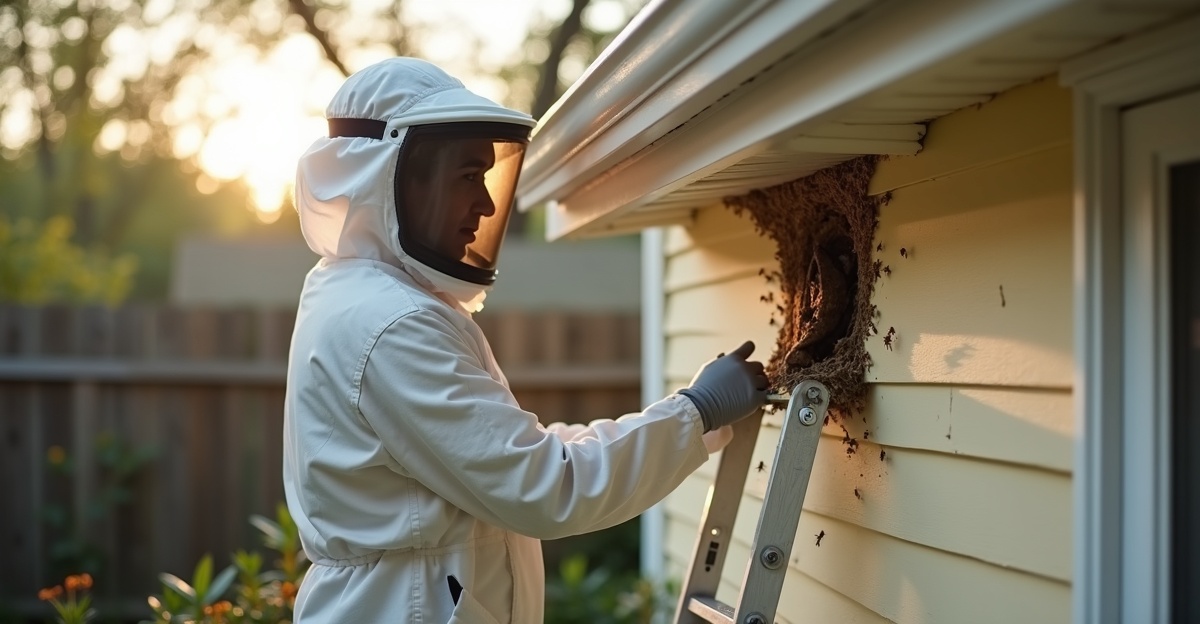
A professional wasp extermination service removes active wasps by locating nests, applying targeted treatments, and eliminating accessible colonies. We focus on finding the source of the activity instead of chasing individual wasps. Long-term control depends on seasonal behavior, proper follow-up visits, and prevention steps that limit the chance of new queens rebuilding in areas like eaves, wall voids, and sheds.
Key Takeaways
- Professional pest control removes active wasp nests and targets the colony at its source instead of addressing only visible wasps.
- Treatments rely on precise product application and safe nest removal rather than broad spraying of entire areas.
- We often see fast results for active nests, yet seasonal timing and nearby nesting spots affect long-term prevention.
- DIY sprays and traps can lower visible activity, but they usually miss hidden nests and egg-laying queens.
- Regular inspections, sealing entry points, and early-season monitoring reduce the risk of future infestations.
Yes, Professional Pest Control Can Eliminate Wasps — Here’s What That Really Means
A professional wasp extermination service can eliminate active wasps and remove their nests. It can also reduce the chances of them coming back with the right follow-up and prevention plan.
That said, realistic expectations matter. Treatment targets current nests and visible activity. Long-term results depend on the season, nearby food sources, and whether new queens try to build again next spring. We never promise “forever” removal, but we do deliver thorough, reliable control.
Here in Southeast Idaho—Rexburg, Idaho Falls, Ammon, Blackfoot, Rigby, Pocatello, and Ririe—wasp activity typically peaks in late spring and summer as colonies expand through the warm season, according to All U Need Pest Control research. Colonies grow fast in warm weather. By midsummer, nests are larger and more defensive. That’s often when families start calling.
Our focus is simple. We protect homes, kids, pets, and outdoor spaces. Whether it’s residential pest control or larger properties, we approach every job with safety and peace of mind at the front of our minds.
If we’re dealing with an active nest, a licensed wasp extermination service has the tools and training to handle it safely and completely.
How a Professional Wasp Extermination Service Works (Inspection to Removal)
Every effective treatment starts with a careful inspection. Wasps in Southeast Idaho like sheltered areas. We routinely check eaves, rooflines, sheds, decks, fence posts, garages, and wall voids. Many nests are tucked out of sight.
We identify the species and nest type first. Some build aerial paper nests under overhangs. Others nest inside wall voids. Ground-nesting species burrow into soil. Each situation requires a different strategy.
Next, we apply targeted treatment directly to the nest and active entry points. We don’t blanket spray entire yards. Products are placed precisely where they’re needed. When accessible and safe, we complete full wasp nest removal as part of professional wasp removal services.
During treatment, families might notice a brief uptick in wasp activity. That’s normal. Disturbed workers may fly around the nest before the treatment fully takes effect. We explain what to expect and how long it should last. For more insight into timing, our guide on does pest control work immediately walks through what happens after application.
We’ll also give clear instructions:
- Stay indoors for a short period if needed.
- Keep pets away from treated areas until products are fully dry.
Our technicians are licensed and trained. We communicate clearly, explain pricing upfront, and answer every question. If anyone wonders what happens during a visit, our overview of what exterminators do breaks it down step by step.
That’s how we approach pest control for wasps—inspect thoroughly, treat precisely, and remove nests whenever possible.
Are Wasp Treatments Safe for Kids and Pets? What Families Should Know
Are wasp treatments safe for pets and kids? When applied correctly and responsibly, yes.
We focus treatments on the nest and specific entry points. We don’t broadcast chemicals across the entire lawn or soak play areas. Products are selected for residential environments and applied in controlled amounts following U.S. Environmental Protection Agency guidance on safe pesticide use around homes.
Safety works best as a team effort. We always recommend:
- Let children and pets stay away from treated surfaces until everything is dry.
- Tell us about gardens, play sets, dog runs, or sensitive spots before we begin.
Clear communication helps us protect what matters most. We treat every property like it’s our own. That means careful application, honest answers, and no scare tactics about wasps. They’re a real concern, especially if disturbed, but solutions should feel calm and controlled.
Families in Idaho Falls pest control zones and Rexburg wasp control areas alike deserve confidence in the process. That’s what we provide.
Professional Treatment vs. DIY Sprays and Traps
Store-bought sprays can kill visible wasps on contact. Traps may reduce numbers around patios or trash bins. However, those tools often miss the core problem: the nest and the queen.
DIY efforts tend to address symptoms, not the source. A partially treated colony can rebuild quickly. Hidden nests inside walls or high under rooflines are also easy to miss.
Safety is another factor. Climbing ladders or spraying an active nest without protective gear increases the chance of multiple stings. Ground nests are especially risky because they’re often discovered by accident.
We take a different approach. Professional pest control for wasps focuses on:
- Locating the entire nest structure
- Treating the colony at its source
- Addressing entry points and access gaps
- Removing accessible nests when safe
Cost depends on factors like nest size, height, accessibility, and how many nests are present. We explain those variables clearly so there are no surprises.
For homeowners curious about store products, our article on pest control sprays for wasps outlines how they compare to professional service. In many cases, thorough treatment once saves money and stress over repeated DIY attempts.
How Long Does Wasp Treatment Last and How to Prevent Wasps from Coming Back
How long does wasp treatment last? For active nests, results are often fast. Visible activity usually drops significantly within a short window after treatment.
Long-term protection depends on the environment. Southeast Idaho summers are warm and dry. Those conditions support rapid colony growth. Open properties, sheds, barns, and deep roof overhangs create ideal nesting sites.
We often recommend follow-up prevention steps to prevent wasps from coming back:
- Seal small cracks and gaps in siding or soffits.
- Remove old nests once inactive.
- Schedule seasonal inspections during peak months.
Some homeowners ask whether wasps reuse last year’s nests. Our article on do wasps return to old nests explains how new queens choose nesting spots each spring. Even if they don’t reuse the exact structure, nearby protected areas can attract new colonies.
Monitoring in spring and early summer makes a big difference. For homes with recurring issues, ongoing pest control services provide consistent oversight through peak activity months.
Signs It’s Time to Call for Wasp Control in Southeast Idaho
Certain signs shouldn’t be ignored. A visible nest under eaves, decks, or inside sheds calls for prompt attention. Increased activity around trash bins, grills, or kids’ play areas is another red flag.
Wasps entering and exiting the same hole in siding or soffits often signal a wall void nest. Those situations are best handled by professionals. Previous DIY attempts that didn’t resolve the issue also point to a deeper colony still active.
If anyone notices early indicators, our guide on early signs of a wasp nest offers helpful insight. For porch concerns specifically, safe porch nest removal covers key considerations.
We proudly provide wasp control Southeast Idaho families rely on, including Idaho Falls pest control and Rexburg wasp control services. Our team understands local nesting habits and seasonal patterns across all our service areas.
If wasps are taking over outdoor spaces, it’s time to act. A professional inspection brings clarity. A clear estimate sets expectations. From there, we focus on long-term protection, fewer repeat infestations, and safer yards for children and pets.
We’re a local team, and we stand behind our work. When ready, scheduling an inspection is simple through our contact page.
Frequently Asked Questions
A wasp extermination service removes nests by first locating the colony and then applying targeted treatment directly to the nest or entry point. Professionals inspect areas like rooflines, sheds, wall voids, and eaves where wasps commonly build nests. After treatment, accessible nests may be removed. This approach eliminates the colony at its source instead of only killing individual wasps.
Most wasp extermination services reduce visible activity within a short time after treatment. Once the nest is treated, worker wasps typically die off as the product spreads through the colony. Some temporary activity may occur right after treatment as disturbed wasps leave the nest. Full results depend on nest size, location, and the species involved.
Yes, hiring a wasp extermination service is usually safer than DIY removal. Professionals have protective gear, training, and specialized products designed for nest treatment. Attempting to remove a nest without proper equipment can trigger defensive swarming and multiple stings, a risk highlighted in public health guidance on stinging insect safety. Pest control technicians also know how to safely treat nests located in walls, high roof areas, or underground.
The cost of a wasp extermination service varies based on nest size, accessibility, and the number of nests present. Nests located high on buildings or inside walls may require more time and specialized equipment. Most pest control companies provide an inspection and clear estimate before treatment so homeowners understand the expected cost and scope of the service.
Wasps can return in future seasons if new queens build nests nearby, but a wasp extermination service removes the current colony and reduces immediate activity. Preventive steps such as sealing entry points, removing old nests, and scheduling seasonal inspections can lower the chance of new colonies forming around the property the following year.