How Do Pest Control Companies Handle Safety?
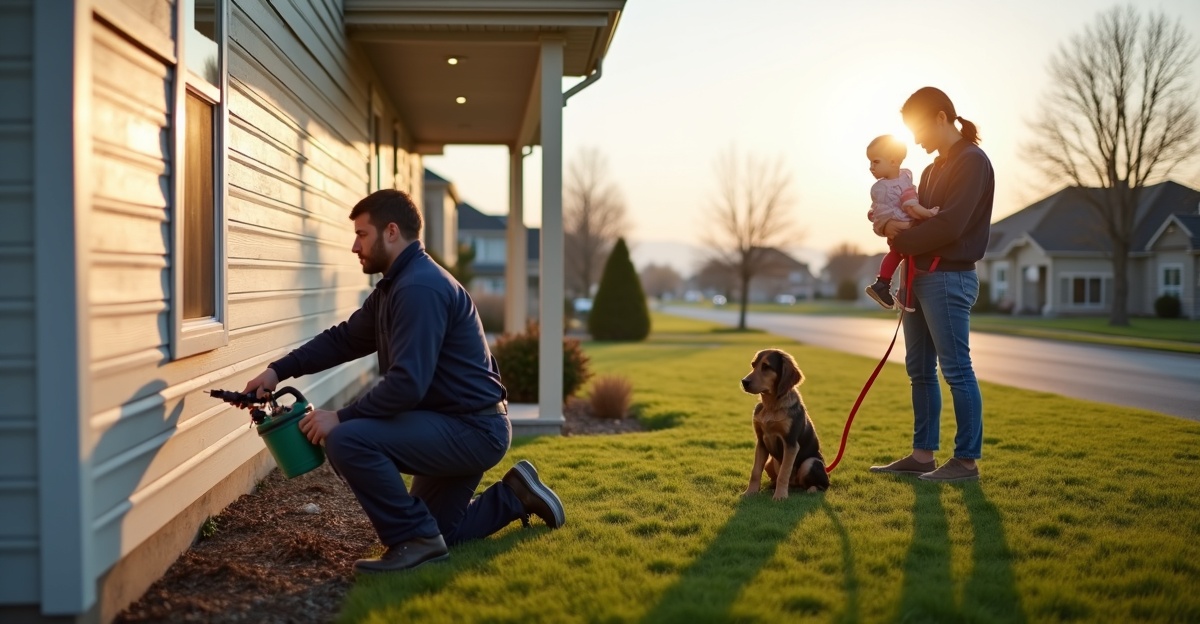
Homeowners often ask how pest control companies protect their families during treatment. We answer with proven pest control safety measures Idaho families trust, including strict licensing, EPA-approved products, and precise application standards. We follow detailed inspection, treatment, and re-entry protocols to protect children, pets, wells, gardens, and property. Our team always uses the lowest effective amount of product needed to solve the problem.
Key Takeaways
- Licensed Idaho technicians complete state certification, continue their training, and follow EPA label instructions exactly because the label is the law.
- We begin with a thorough inspection and build a targeted treatment plan that avoids unnecessary or blanket applications.
- We provide clear re-entry guidance after service, and most areas are safe once treated surfaces are fully dry.
- We take extra precautions around pets, children, vegetable gardens, wells, and rural properties by creating buffer zones and using precise placement methods.
- We reduce risk compared to DIY misuse by applying measured amounts with professional equipment and giving direct, honest guidance without scare tactics.
Safety Comes First: The Standards and Regulations That Protect Your Family
Safety drives everything we do. Licensed providers in Idaho follow strict rules that protect families, pets, property, and the environment.
Every technician must meet Idaho pest control regulations before stepping onto a property. That includes state licensing, ongoing training, and certification in pesticide handling. Those credentials aren’t optional. They ensure we understand how products work, how they break down, and exactly where they can and cannot be applied. Homeowners who want clarity on credentials can read more about how to know if a pest control company is legit.
We use EPA-approved pest control products and follow label instructions exactly. In our industry, the label is the law. It outlines where a product can be applied, how much to use, required protective equipment, and safe re-entry timing. Skipping or improvising is never acceptable.
Hiring a licensed pest control Idaho company reduces unnecessary risk. Trained professionals know the difference between a minor ant issue and a larger structural concern. We won’t overapply products. We won’t guess. We rely on experience and regulation-backed standards.
Transparency matters just as much as credentials. We explain what we’re using, where we’re applying it, and why we recommend that approach. Clear communication builds trust and helps families feel confident in the process.
Our team works across Southeast Idaho, including Rexburg, Idaho Falls, Ammon, Blackfoot, Rigby, Pocatello, and Ririe. Local experience shapes safer treatments. We understand seasonal pest pressures, soil types, irrigation systems, and housing styles common in this region. That knowledge makes applications more precise and more responsible.
Step-by-Step Safety Process: What Happens Before, During, and After Treatment
Effective pest control starts with inspection. We don’t walk up and automatically spray.
We begin every service with a thorough evaluation. Spiders, ants, wasps, and mice are common in Southeast Idaho, but each behaves differently. We identify entry points, nesting areas, moisture sources, and structural gaps. That step allows us to focus treatment where it’s truly needed.
Targeted pest treatments always come first. Blanket spraying wastes product and increases exposure. Our goal is to solve the issue while using the lowest effective amount necessary.
Product selection depends on the pest, the season, and the layout of the property. Exterior ant control in spring differs from fall rodent exclusion. We adjust methods accordingly. Applications may include:
- Crack-and-crevice treatments in defined areas
- Perimeter applications around exterior foundations
- Secured bait stations placed in discreet, tamper-resistant locations
Precision matters. We measure carefully. We apply only where labels allow. That controlled approach increases effectiveness and limits unnecessary contact.
Clear re-entry instructions follow every service. In many cases, families and pets can return once treated areas are fully dry. Specific pest control re-entry time details are always provided onsite. If preparation is needed in advance, we share simple guidance beforehand. Homeowners can review helpful steps in how to prepare your home for pest control service.
After treatment, we document what was applied, where it was placed, and any follow-up recommendations. Ongoing monitoring ensures results stay consistent and that safety standards remain high. That steady oversight is part of our residential pest control services and also benefits local businesses through our commercial pest control programs.
Is Pest Control Safe for Pets and Children?
Pest control can be safe for pets and children when it’s handled responsibly. Honest answers matter here.
Products we use are EPA-approved and applied according to strict guidelines. That does not mean they are harmless. It means they are regulated, tested, and intended for controlled use by trained professionals.
Pet-safe pest control Idaho practices include keeping animals away during application and allowing treated surfaces to dry fully before re-entry. Once dry and applied as directed, risk is significantly reduced. We review specific instructions at each visit. Families who want detailed guidance can explore pet safety during pest treatments for more context.
Children require the same thoughtful care. Crawling infants and toddlers spend time on floors and near baseboards, so targeted placement becomes even more important. We avoid unnecessary interior treatments and rely on cracks, crevices, and exterior barriers whenever possible. Parents often ask about options that balance effectiveness and caution. We cover those considerations in pest control for families with kids.
Re-entry time usually depends on drying time. In most standard treatments, that means once surfaces are dry. Still, we always ask families to follow the technician’s specific instructions. Clear communication removes guesswork.
Family-safe pest control services focus on minimizing exposure while solving the root problem. Ignoring pests can create its own health concerns, especially with rodents or stinging insects. A measured, professional approach keeps risks low on both sides.
Protecting Gardens, Wells, and Rural Properties in Southeast Idaho
Many Southeast Idaho properties include vegetable gardens, acreage, livestock areas, or private wells. Safety standards adapt to those conditions.
We adjust application techniques around gardens. Treatments are placed away from edible plants unless a product is specifically labeled for that use. Drift control, weather awareness, and soil considerations guide the process. Homeowners who grow their own produce often ask detailed questions, and we’re glad to walk through them. Additional insights are available in garden spray safety guidance.
Well water protection matters just as much. Idaho pest control regulations require careful handling near well heads. We maintain appropriate buffer distances and apply products according to label restrictions. Proper placement prevents contamination and protects groundwater.
Rural properties in Rexburg and surrounding areas often require customized rodent management. Barns, outbuildings, and irrigation systems change pest behavior patterns. We use secured bait stations where appropriate and focus on structural exclusion to limit reliance on product alone.
Season also influences safe practice:
- Spring: Exterior ant barrier treatments
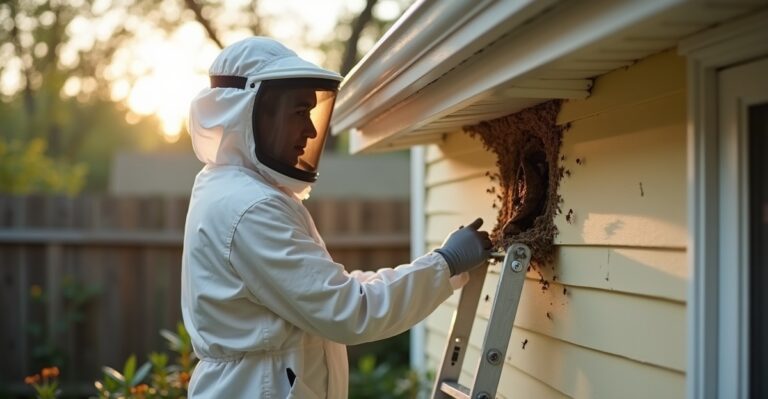
- Summer: Targeted wasp nest control
- Fall: Rodent exclusion before cold weather
Each shift in temperature changes pest pressure and application strategy. Clear communication keeps everyone informed. We explain how treatments interact with soil, plants, irrigation, and water sources so clients understand the full picture.
How We Reduce Risk Without Using Scare Tactics
We focus on practical risk reduction. Absolute guarantees of 100% risk-free treatments aren’t realistic, and we won’t pretend they are.
The lowest effective amount of product is always our goal. Precision reduces exposure and improves long-term control. Careful inspection supports that approach.
Professional application is typically safer than over-the-counter misuse. Store-bought products are often overapplied or placed incorrectly. Labels may be ignored. Mixing products or repeating applications too frequently can increase risk and reduce effectiveness.
Education replaces fear-based messaging. Most pests are manageable with calm, informed action. We explain what’s happening and what we recommend without exaggerating threats.
Questions are always welcome. Homeowners can ask about product types, application methods, or safety precautions. Honest answers strengthen trust. Those values reflect who we are as a company, and anyone interested in our background can learn more about our team.
Common Safety Questions Homeowners Ask
Clear answers bring peace of mind. Here are concerns we hear most often:
- How long before pets can return inside? Typically, once treated areas are fully dry. We provide specific pest control re-entry time instructions during the visit.
- Do we need to leave during treatment? Often no, especially for exterior or targeted services. Some interior treatments may require temporary absence. We explain requirements beforehand.
- Are products safe around wells? Yes, when applied by a licensed pest control Idaho provider following Idaho pest control regulations and label directions.
- What makes Rexburg pest control safety different from DIY spraying? Training, regulated products, and targeted pest treatments replace guesswork and blanket applications.
- How should we prepare before service? We share simple steps in advance to keep children, pets, and personal belongings protected. Guidance is also available in our preparation resource linked earlier.
Every home is unique. Personal concerns deserve personal answers. Families who want to talk through pest control safety measures Idaho homeowners should understand can reach out anytime through our contact page or explore our full range of services at DeWebb Pest Control. We’re here to protect homes with care, clarity, and steady professionalism.
Frequently Asked Questions
Homeowners should follow simple preparation steps to improve safety and effectiveness. This may include clearing clutter near baseboards, covering food, and keeping pets and children away from treatment areas. In some cases, light cleaning or vacuuming is recommended. Your technician will provide exact instructions based on the treatment type to minimize exposure and ensure proper application.
Pest control treatments can remain effective for weeks to months depending on the product, pest type, and environmental conditions. Exterior treatments may break down faster due to weather, while indoor applications last longer in controlled environments. Regular maintenance visits help maintain protection and reduce reinfestation by addressing new pest activity early.
Professional pest control uses regulated products, precise application techniques, and trained expertise, while DIY methods often rely on over-the-counter solutions and guesswork. Professionals identify root causes and apply the lowest effective amount safely. DIY misuse can lead to overapplication, reduced effectiveness, and higher exposure risks, especially when label instructions are not followed correctly.
Pest control treatments can temporarily affect indoor air quality during application, especially with sprays or aerosols. However, when applied correctly and allowed to dry or ventilate as directed, the impact is minimal. Professionals use targeted methods like crack-and-crevice applications to limit airborne exposure and improve safety for occupants.
Most homes benefit from quarterly pest control services to maintain consistent protection and reduce the need for heavier treatments. Seasonal changes influence pest activity, so regular visits allow technicians to adjust methods safely. In some cases, more frequent service may be needed for severe infestations or specific pests like rodents or termites.