Are Electronic Pest Repellers Worth the Money?
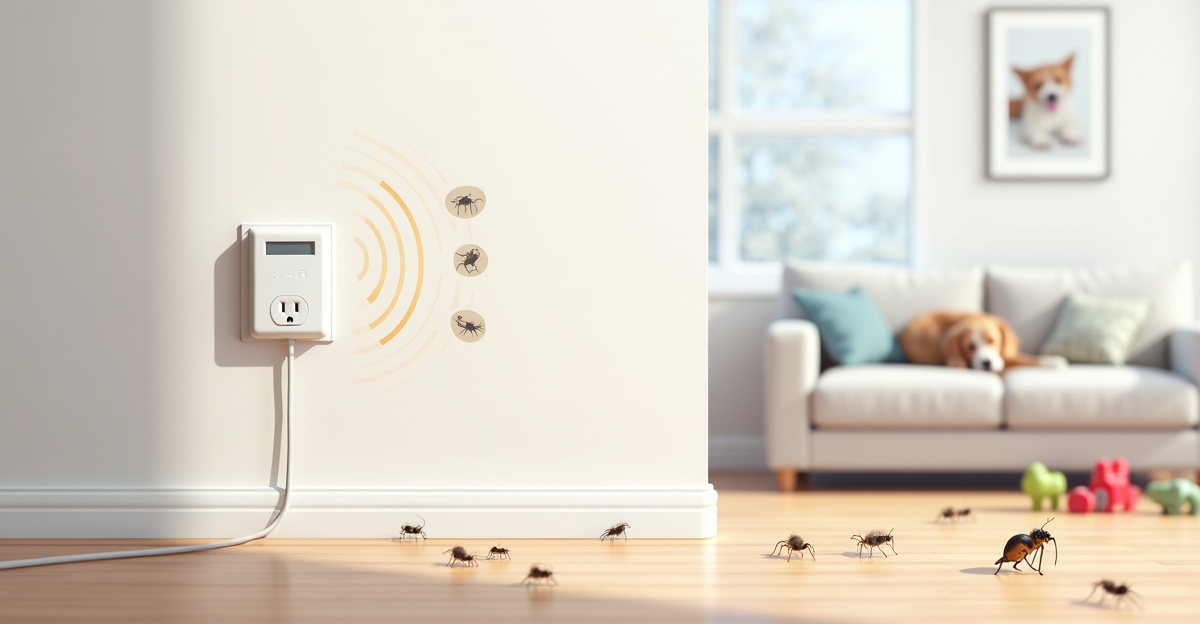
Many homeowners turn to electronic pest repellers hoping for a simple, chemical-free solution. These plug-in devices might reduce mild pest activity at the start. However, both research and real-life use show the results often fall short. Their unreliable performance makes them a questionable choice for long-term pest control.
Key Takeaways
- Electronic pest repellers might briefly reduce rodent activity but usually don’t affect ants, spiders, or wasps.
- Scientific reports and field results show mixed outcomes, especially with larger infestations or pests that quickly adapt.
- These devices won’t harm cats or dogs but may bother small pets like hamsters or guinea pigs.
- They’re easy to use and low-cost, yet often lead to false confidence when used alone.
- For consistent results and real peace of mind—especially in homes facing repeated pest problems—professional pest control offers more focused and dependable solutions.
How Electronic Pest Repellers Are Supposed to Work
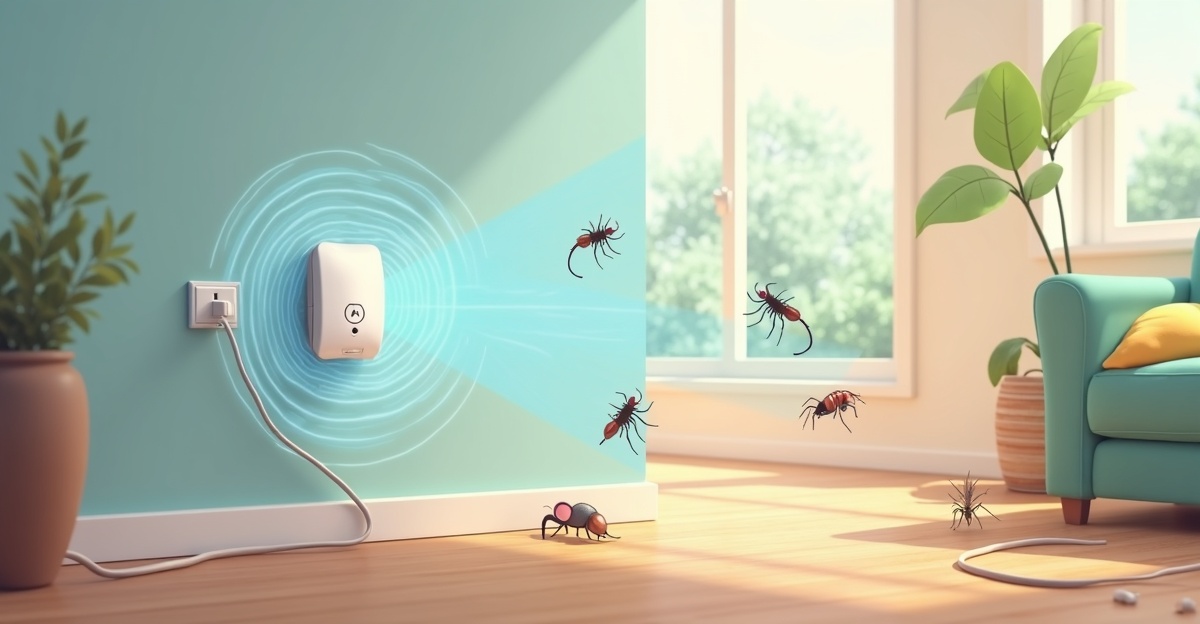
Electronic pest repellers promise a simple, hands-off way to fight off unwanted guests. These little plug-in devices rely on sound waves to help keep something like a rodent or spider from settling in. Think of it like a tiny speaker that gives off a noise pests are supposed to dislike—only we can’t hear it.
Most of these devices use one or more of the following technologies:
Sound Technologies Behind Electronic Repellers
Here’s how the science works, at least in theory:
- Ultrasonic waves: typically fall above the human hearing threshold — most adults cannot hear frequencies above 20 kHz, according to established acoustics research — which is why these devices are marketed as silent but within the range that some pests—like rodents, insects, and spiders—can detect. The constant high-pitched sound is intended to be irritating enough to drive them away from your living space.
- Electromagnetic pulses: These send signals through your home’s wiring, which manufacturers say can interfere with pests hiding inside walls and tight spaces.
- Sonic frequencies: These are sometimes used for larger pests but are often loud enough to be heard by people and pets, making them less common for indoor use.
Manufacturers often highlight convenience as the biggest selling point. Plug it in, let it do its job, and forget about heavy sprays or traps. They also claim these are safe for pets, eco-friendly, and free of harsh chemicals. If avoiding synthetic pesticides is important to us, that’s certainly a draw. For households that want a non-toxic approach, like those with children or pets, these gadgets can seem like an easy win. (You might also want to read about safe pest control for families with kids.)
We see these repellers pop up regularly in hardware stores and online marketplaces. They’re marketed as hassle-free—no mess, no poison, and no need to touch a trap.
But while they sound promising, effectiveness varies quite a bit. Studies have shown mixed results, especially with pests like ants or cockroaches. If you’ve got a serious infestation, like a rodent problem or a growing trail of ants, it’s wise to consider a more direct and proven solution.
More homeowners are wondering whether pest control plans are worth it, especially when chemical-free options are appealing. We’ve covered that in detail in our blog about the value of pest control plans.
So while repellers might help some with mild issues or act as a small piece of the puzzle, we don’t recommend relying on them alone for long-term protection. For full assurance—especially with persistent pests—it’s smart to combine multiple defenses or call in a professional who knows what works.
Scientific Evidence & Real-World Experience: What We Know So Far
What Studies and Experts Are Saying
We often get asked about ultrasonic pest repellers. They’re small, simple devices sold as a quick fix. While they sound promising, the science isn’t strong enough to back up their long-term use.
The University of Arizona conducted a study that found “no substantial evidence supporting ultrasonic devices for long-term pest control.” That lines up with what we’ve seen in local homes and businesses. In fact, the U.S. Environmental Protection Agency explains how pest control devices are regulated and does not recognize ultrasonic repellers as approved pesticide treatments. That means they aren’t held to the same standards as traditional treatments for effectiveness or safety.
That said, consumer results can vary. Some folks notice fewer pests right after plugging them in. Others don’t see any difference at all. The inconsistency has a lot to do with the type of pest, the layout of the home, and how severe the infestation is to begin with. It’s also why we don’t recommend these devices as a stand-alone solution.
What We See Locally in Southeast Idaho
Around here, we understand the specific habits of pests like spiders, ants, rodents, and wasps. Many families pick up electronic repellers as a first step—especially when they’re looking for something easy or budget-friendly. Unfortunately, our team has found that these devices rarely hold up on their own.
Based on years of real-world experience, here’s what we’ve seen:
- Spiders: Not particularly sensitive to ultrasonic frequencies; repellers have little long-term effect.
- Ants: Trails reappear even after prolonged use of the devices.
- Rodents: Some mild response at first, but they return or relocate within the same space.
- Wasps: Electronic repellers don’t seem to impact established nests at all.
We’ve even written about what happens with ineffective setups — take a look at why DIY wasp sprays often fall short compared to direct treatment.
In our experience, the best way to deal with pests long-term is with consistent monitoring and proven strategies. You don’t have to guess whether something’s working. If you’re dealing with mice or rats, we recommend a targeted plan from our rodent control services, not an experimental gadget.
And if your concern is safety for children or pets, our team addresses that thoroughly—read more about pet-safe treatments used right here in Idaho.
Sometimes these devices provide peace of mind, but real peace of mind comes from knowing the job’s done right. For families dealing with constant issues, many find more lasting results from a professional plan—see if pest control plans are worth it based on your needs.

Pros and Cons of Electronic Pest Repellers
Electronic pest repellers are a popular choice for households wanting a hands-off, chemical-free option. These small devices plug into a wall outlet and claim to keep bugs and rodents at bay using ultrasonic or electromagnetic waves. While they sound ideal in theory, their real-world effectiveness depends on a few important factors.
What Works Well
There’s a reason these devices show up on so many store shelves — they come with a few handy benefits that make them appealing out of the box:
- Non-toxic: There are no poisons, traps, or chemicals to worry about. Families with small kids or pets often appreciate that peace of mind.
- Safe for most pets: Veterinary guidance suggests cats and dogs typically tolerate ultrasonic frequencies, while small rodents are far more sensitive to high-frequency sound. That’s a relief for many families with indoor animals.
- Affordable: Most models sell between $10 to $50, making them an easy addition without much upfront cost.
- Simple to install: Plug it in and you’re set. Compared to spray treatments or bait stations, these are a breeze.
- Low maintenance: No refills, no traps to clean. Once it’s set up, you can forget it’s even there.
Where They Fall Short
Despite being user-friendly, these devices often don’t live up to the expectations:
- Spotty results: They may work in one room but not the next. Or they might deter some pests and not others.
- Not effective on all pests: Spiders and ants, in particular, don’t seem fazed by ultrasonic signals. If you’re dealing with these nuisances, it’s worth looking at proven ant control options or targeted spider solutions instead.
- Takes time (if at all): There’s often a lag before you see any signs of change — and sometimes that change never comes.
- Can bother small pets: Hamsters, mice, gerbils, and guinea pigs may hear what we can’t. If you keep any small rodents, these devices could make them uncomfortable.
- False security: Relying on electronic devices alone might mean ignoring a bigger issue brewing in your walls, attic, or crawlspace.
We’ve seen it time and time again — folks plug in a repeller expecting pests to disappear overnight. But while these tools can marginally reduce light activity, they rarely take care of infestations on their own.
Quick Comparison of Pros and Cons
- Pro: Safe for families — No chemicals, risky traps, or exposure.
- Pro: Inexpensive — $10–$50 per unit, reusable.
- Pro: Easy setup — Plug in and leave it.
- Con: Limited effectiveness — Many pests don’t respond.
- Con: Inconsistent behavior across spaces — One room might improve, others won’t.
- Con: Not safe for rodent pets — Can stress them out or alter behavior.
Electronic repellers might serve as a small part of a strategy, but if you’re dealing with high activity or specific pests, it’s often smarter to go with proven methods. We’ve broken down whether these products are a good investment in this guide about pest control plans for homeowners.
For tough, lingering problems — especially with ants, rodents, or spiders — a custom approach often has better results. If you’d like peace of mind all year long, consider looking into our trusted residential pest control plan. It’s built around safety, prevention, and results you can see.
And if you’re worried about safety around pets or little ones, check out our article on family-safe pest control options. We’ve made sure our solutions protect the people and pets who matter most.

How These Devices Compare to Local Pests and SE Idaho Homeowners’ Needs
We’ve been in and out of homes from Idaho Falls to Rexburg, tackling everything from massive spider webs in crawl spaces to sudden ant trails sneaking into kitchens. Across Southeast Idaho, the usual culprits show up again and again: spiders, ants, mice, and wasps. These pests don’t just pop in once—they tend to come back, and that’s where quick-fix devices can fall short.
We understand why many folks turn to electronic pest repellers as a first step. They’re easy, promise no mess, and sound like a clean solution. But we’ve seen them in action—and more importantly, we’ve seen when they don’t work.
Which Pests Respond—and Which Don’t
Electronic pest repellers typically use ultrasonic sound waves designed to irritate and deter small critters. The idea sounds good, but in our own experience helping families from Pocatello to Rigby, we know what gets results and what doesn’t. Here’s what we’ve learned:
- Mice: Some homeowners report a temporary drop in rodent activity when these devices are first plugged in. But mice are adaptable. We’ve had plenty of calls from folks who tried ultrasonic repellers and still ended up needing real rodent control a few weeks later.
- Spiders: These are loners. They don’t respond to sound, vibration, or much of anything other than targeted treatments. Electronic devices won’t clear spiders out—even if they seem less active, they’re likely still hiding nearby. That’s why our personalized spider solutions are built for long-term peace of mind.
- Ants: Much like spiders, these pests are unaffected by ultrasonic noise. They move based on scent trails and food sources, not auditory cues. Devices won’t stop a colony from organizing and returning unless the root of the problem is addressed—something a targeted ant treatment handles far better.
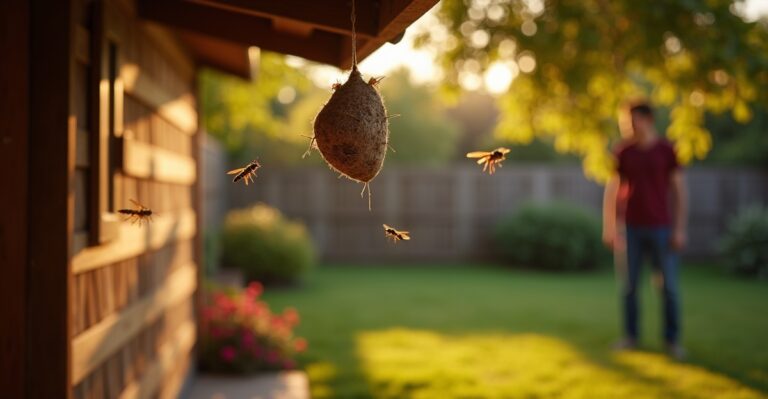
- Wasps: While the high-pitched noise might bother them slightly, it won’t disrupt an active nest or prevent new ones from forming. If you’re dealing with wasps, especially around eaves or sheds, you’ll want a professional look—especially since DIY sprays aren’t always the answer.
We get why it’s tempting to try something quick and easy first—but some pests just don’t play by those rules. While a repeller might seem like it works for a little while, pests often return—or never leave at all—because no real barrier or solution was put in place.
It’s also important to understand how persistent local infestations can be. Southeast Idaho’s climate — including cold winters that drive rodents indoors — as noted by regional agricultural and extension experts in Idaho — gives pests strong incentives to seek shelter inside homes. Seasonal changes send rodents hunting for warmth and ants in search of food. Spiders lurk near quiet corners year-round. Without real treatment, it’s common to see them return regardless of repeller use.
That leads us to another point we often share with neighbors: Electronic devices might help some people a little, but they don’t keep homes free of pests for the long haul. Every home is different, and pests know how to adapt. That’s why many residents eventually ask whether regular pest control plans are worth it. In short—yes, especially if peace of mind is part of what you’re after.
Our honest take? We’re always here with long-term, safe options—especially for households balancing kids, pets, and the desire for a protected space. We’ve answered a lot of tough questions like how safe pest control is for pets and which treatments are best for families. It’s all part of helping our community feel informed and secure.
If you’re feeling overwhelmed or unsure what’s living behind the walls, you’re not alone—and you’re not stuck. Whether you’re seeing a mouse dart across the floor or spiders moving in behind the washer, we’ve got proven answers. See how our residential pest control services can provide real relief—and real results—that last.
DIY Tech or Trusted Professional Help? Finding What Works Best
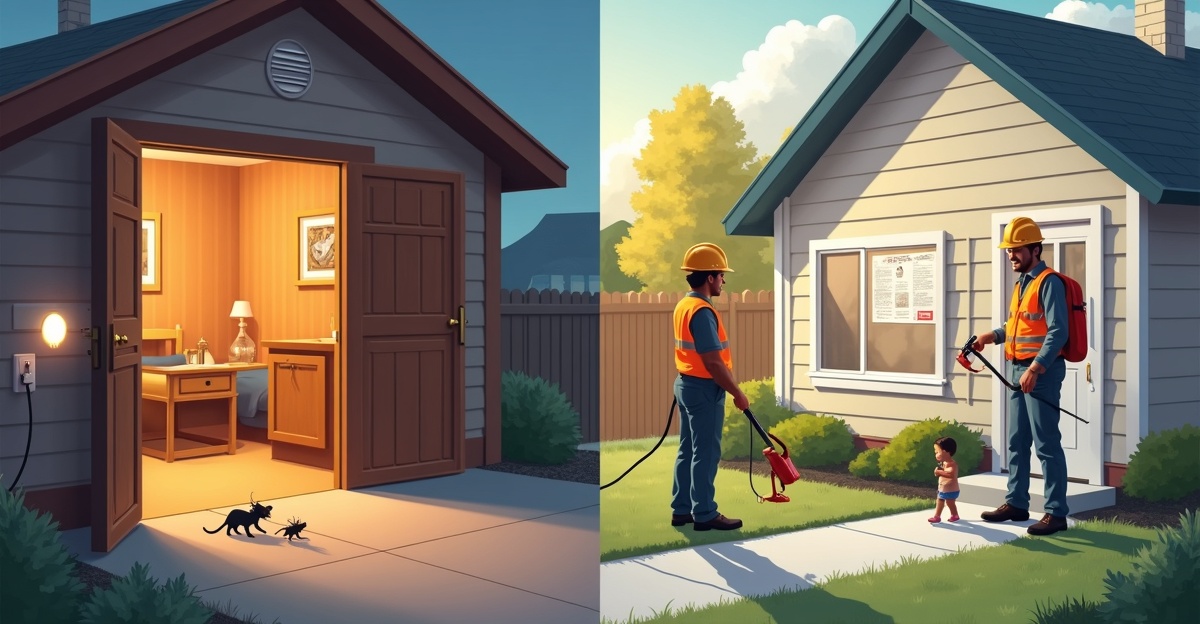
Electronic pest repellers spark interest for a good reason—they’re simple, don’t require touching chemicals, and seem like a quick fix. We’ve worked with plenty of folks who’ve given them a try, especially in garages, sheds, or homes with the occasional critter. In those lower-pressure situations, repellers can offer short-term relief. They may help keep bugs or rodents at bay for a time, particularly in spaces that don’t see a lot of pest activity.
But when the problem sticks around—or worse, grows—plug-in gadgets usually can’t keep up. Infestations and recurring issues ask for a lot more than ultrasonic pulses can handle.
Here’s where professional pest control makes the difference:
What Professional Treatments Do That Repellers Don’t
While electronic repellers aim to keep pests away, our approach goes several steps further to help prevent them from returning. A professional visit isn’t just about spraying. We focus on root causes, long-term protection, and keeping your space comfortable year-round.
Here’s what a professional treatment plan typically includes:
- Thorough inspection. We start by looking closely at your home’s structure and surroundings. That means checking cracks, entry points, and food/water sources that could be attracting pests.
- Targeted solutions. Instead of hoping for a blanket fix, we choose methods specific to the pest—be it rodents, cockroaches, or spiders. Every home is different, and we treat each one with its own plan.
- Seasonal prevention. Pests behave differently across the year. Our treatments help block high-risk problems before they start, based on local patterns in Southeast Idaho.
- Follow-up care. We don’t spray and vanish. Routine visits and monitoring help make sure pests stay gone, and we adjust if needed.
It’s also worth knowing that pests often adapt. We’ve seen cases where DIY tools like repellers lose their effect over time or never touch nests hidden deep in walls or under flooring. Professional tools and know-how let us reach those spaces—something plug-in devices fall short on.
If you’re curious how long treatment lasts versus store-bought fixes, you might like this deeper look at how long professional pest treatments last.
Safe for Families, Pets, and Idaho Living
For families wondering if professional help means harsh chemicals, we hear you—and we get it. That’s why we only recommend treatments that are safe to use around children, pets, and your environment. We live and work here too, so safety isn’t just a checkbox—it’s personal. If you’d like added peace of mind, take a look at how safe our treatments are for pets in Idaho.
Every home we treat is part of our community. That’s why our services for residential pest control focus on giving you comfort and protection without risk.
Which Route Is Right for You?
Repellers might fit the bill if pests are rare and you’re looking for a gentle first line of defense. But if you’re finding more bugs than last month, still hearing noises in the attic, or reapplying store sprays every week—it may be time for support that goes deeper.
We’ve got lots of experience helping families who’ve simply had enough of trying different DIY gear only to see the problem resurface. If what you’ve tried isn’t working, we’re just a call away. You can also explore more insights on why people consider professional help in our post about whether pest control plans are worth it.
Whatever you’re facing, it helps to know you’re not in it alone. Our team’s always here to listen, assess, and offer honest advice.
Frequently Asked Questions About Electronic Repellers
Common Concerns and What to Expect
We often hear these questions from folks who’ve tried electronic pest repellers or are thinking about it. Here’s what we’ve seen and learned from years of real results in Idaho homes.
- Do electronic pest repellers work for spiders or mice?
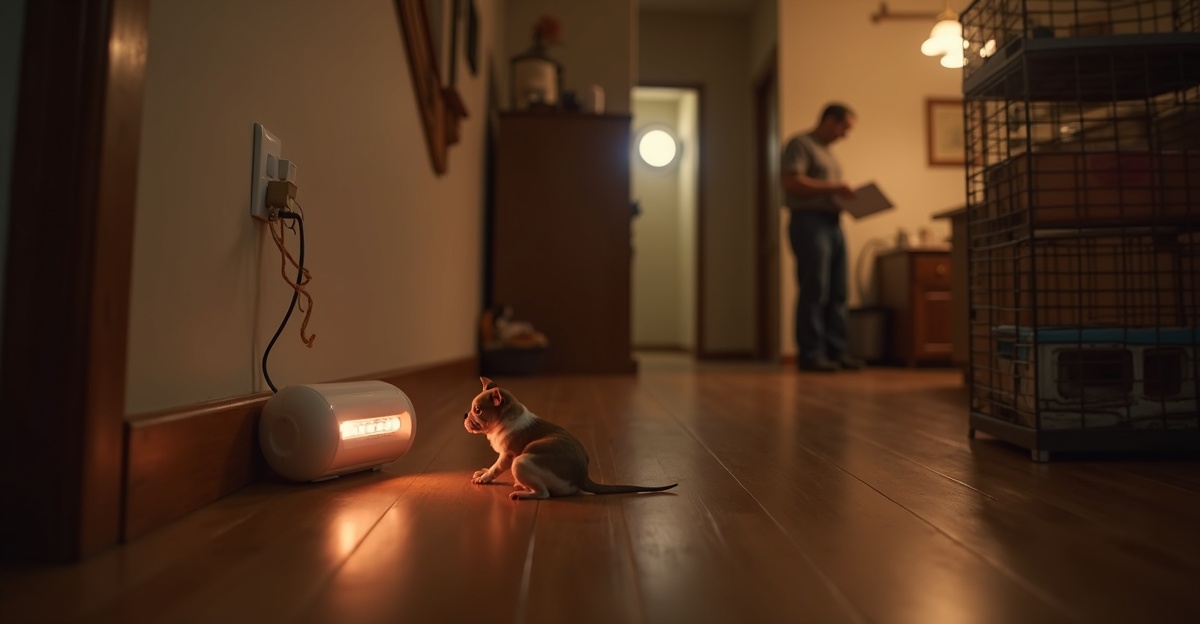
Results are mixed at best. Mice may respond to some extent—especially in quieter, enclosed areas—but it’s hit or miss. Spiders, on the other hand, usually don’t notice ultrasonic waves at all. Since spiders don’t rely on the same hearing systems as mammals or insects, devices won’t drive them away. - Are ultrasonic pest devices harmful to pets?
Most cats and dogs won’t be affected, and many won’t notice the noise at all. But if you’ve got small pets like hamsters, guinea pigs, or pet rats, we don’t recommend using these devices around them. Those animals can pick up high-frequency sounds and might get stressed out or anxious. - How long does it take to see results with electronic repellers?
Manufacturers often claim you’ll see fewer pests in a few weeks. The reality? Some people don’t notice any change even after a month. Studies and customer feedback suggest that the devices often don’t offer consistent results—especially if an infestation is already established. - What’s the difference between DIY pest control and professional treatment?
Think of repellers as a background tool. They’re passive and can’t target specific pests, nor do they adapt when conditions change. In comparison, professional pest control is much more focused and dependable. We inspect your space, identify the issues, and create a plan that tackles the specific bugs or rodents in your home—then follow up to keep your space protected.
If you’ve used an ultrasonic device and pests are still hanging around, we’re here to help. Our team knows Idaho homes and what really works—whether it’s persistent ant trails, rodents in the attic, or a stubborn spider problem that won’t go away.
Wondering if repellers are the right call or if you’re better off looking into supported options? This breakdown on whether pest control plans are worth it can give deeper insights into the long-term value of professional care.
Let’s make your home safe and pest-free, with solutions that don’t leave you guessing.