Are Pest Control Sprays Safe for Vegetable Gardens?
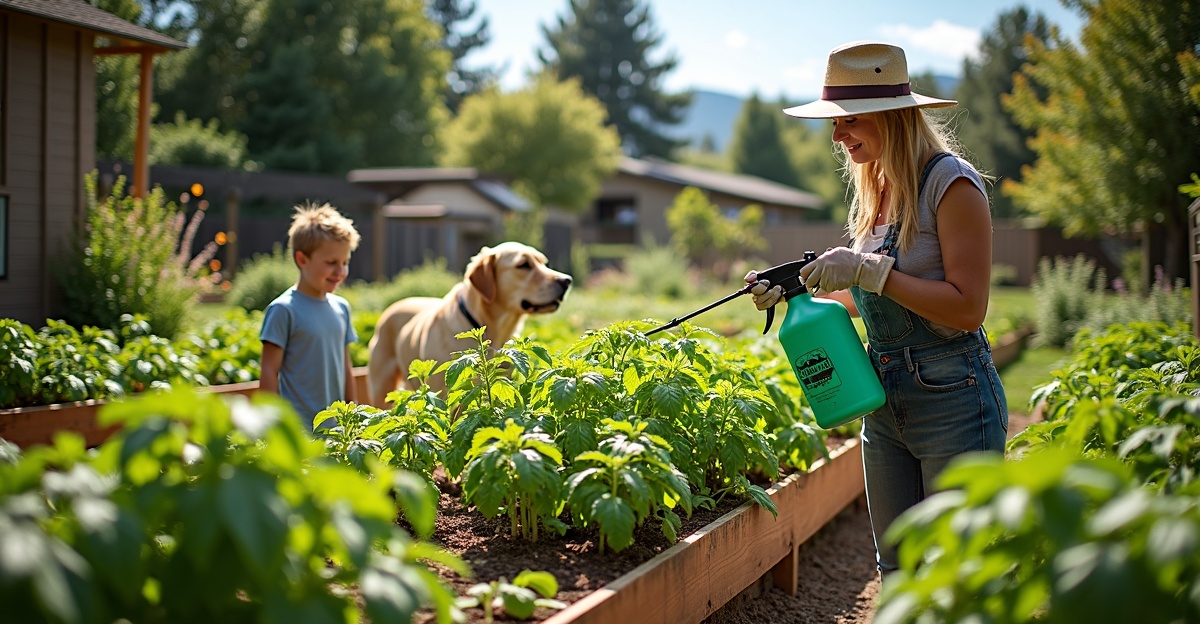
Keeping vegetables safe from bugs takes more than grabbing the first spray off the shelf. Some sprays can actually damage crops or pose risks if mislabeled or misused. We choose garden-safe pest control by checking approval for food crops, ensuring labels are clear, and using each product with precise timing and safety in mind.
Key Takeaways
- Use sprays clearly marked as safe for edible plants. Look for EPA registration or OMRI listing if you want organic options.
- Stick to the product’s pre-harvest interval (PHI) and reentry interval (REI) as part of pesticide application guidelines for vegetables. This protects both people and pets.
- Natural solutions like neem oil and insecticidal soap work well. In Southeast Idaho’s climate, though, they often need more frequent use.
- Synthetic sprays work if the label allows use on vegetables. Apply cautiously and only as directed.
- Always read the label. Focus on active ingredients, safety notes, and exact directions to protect your harvest and your health.
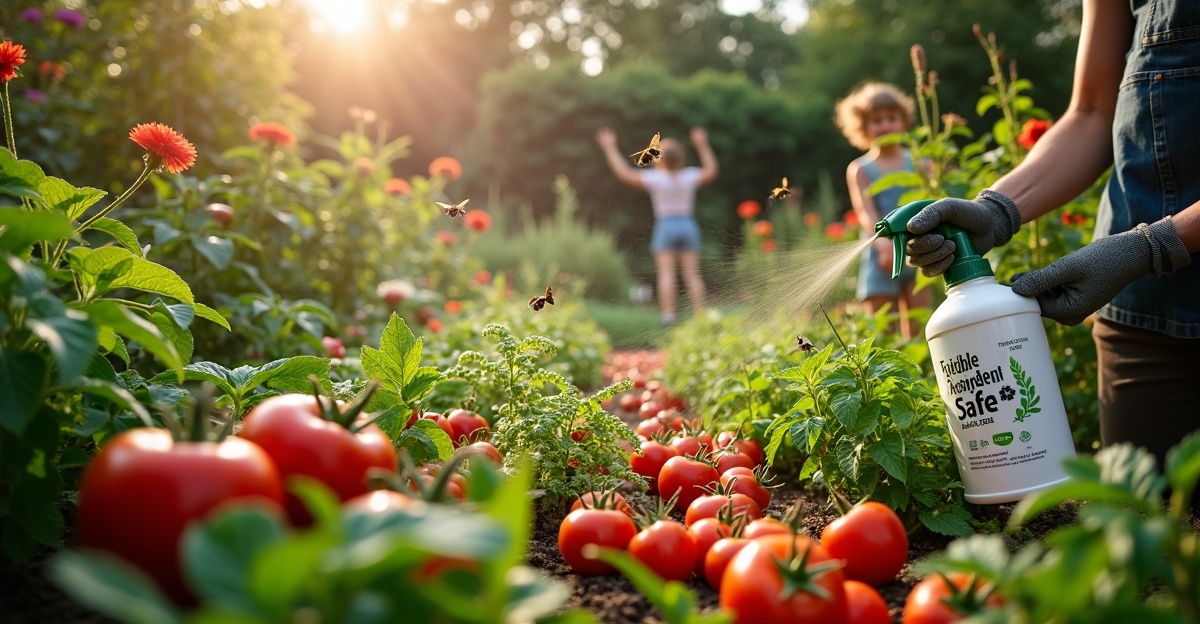
Understanding Which Pest Control Sprays Are Truly Safe for Your Edible Garden
Keeping a vegetable garden healthy often means tackling unwanted bugs. But not every product that fights pests belongs near your tomatoes and peas. Some sprays work great on landscaping but may not be suitable or labeled for food crops. That’s why it’s vital to stick with options that are truly pest control safe for gardens—especially those with vegetables, herbs, and fruits meant for the table.
Know the Difference: General vs. Garden-Safe Insecticides
Many folks assume all pest control products are created equal. In truth, there’s a clear line between general-use sprays and those labeled specifically as safe pest control sprays for vegetables. Here’s how to tell what’s appropriate:
- Products safe around edible plants will always have language like “for use on food crops” or “safe for vegetable gardens.”
- Look for the OMRI label. The Organic Materials Review Institute (OMRI) listing for organic gardening products ensures materials meet established organic standards. If you’re growing organic produce, this helps ensure nothing disrupts your backyard eco-balance.
- EPA-approved products for home garden use will be clearly labeled and provide key information on use rates, application frequency, and safety intervals.
These labels aren’t just legal fine print—they’re there to help protect what ends up on your kitchen table. Ignoring them could risk both plant health and people’s well-being.
Family Safety Matters: Pets, Kids, and Food Plants
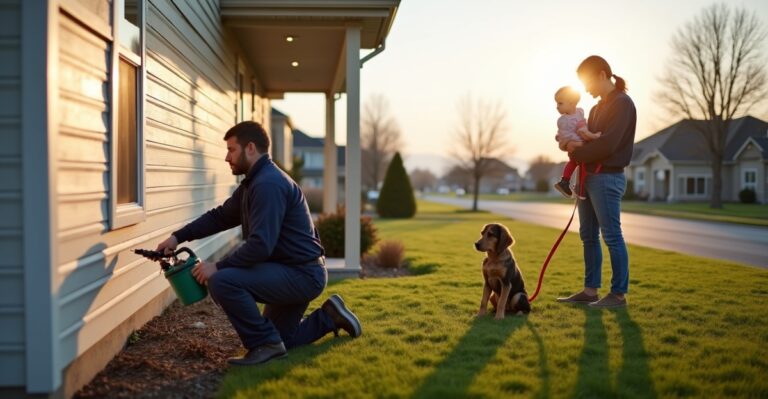
We understand the big question: is pest control safe for vegetable gardens if our families are around? The answer is yes—but only when done right.
Spraying the wrong products near gardens can cause unintended harm to pets or kids who touch or eat something before it’s safe. That’s why we recommend products marked for vegetable use with clear reentry instructions. Always:
- Read the pre-harvest interval (PHI) guidelines used in pesticide labeling on the product. This tells you how long to wait after spraying before picking.
- Follow “reentry intervals,” which let you know when it’s safe to handle treated plants.
If you’re looking for more detail on this topic, our guide on pest control safety for pets in Idaho covers what to avoid and how we prioritize family-friendly treatments.
Safe Practices for Pest Control Around Edible Plants
To keep your garden rich with herbs and vegetables—and still bug-free—you don’t have to go chemical-heavy. In fact, spraying with any product not made for food plants could compromise both your harvest and your health. Here are a few proven, safe pest control practices to follow every season:
- Only use sprays that are clearly labeled for edible plant use.
- Apply in early morning or at dusk to protect pollinators. Apply in early morning or at dusk to reduce pesticide exposure to pollinators, as recommended by environmental protection guidelines.
- Avoid spraying directly on blooms or open produce.
- Follow dose recommendations exactly—more isn’t better.
- Wait the correct interval before harvesting anything, even if the bugs are gone.
We also encourage looking into non-chemical options when possible. Some issues, like spiders, can be managed with methods that don’t rely on sprays at all. Learn more in our resource on chemical-free spider prevention.
What to Consider in Garden-Friendly Sprays
Here are a few things we always double-check before applying anything near our veggies:
- Is the product OMRI-listed for organic gardening?
- Is it labeled for direct use on fruits and vegetables?
- Does it mention bees or pollinator safety?
- How long before we can safely harvest?
If any of those answers don’t reassure you, the product might not be right for a vegetable plot. Reputable options usually come with FAQ sheets or hotline numbers in case you’re unsure. You can always reach out to our experienced team through our contact form with any questions about specific products or issues you’re facing with pests around your garden.
For homes dealing with multiple types of invaders—indoors and out—our residential pest control services provide careful options for garden owners. We design our treatments with whole-home safety in mind, including outdoor edible spaces.
In Idaho, we care about the kinds of solutions going into your soil, onto your plates, and around your family. That means using only garden-safe insecticides when treatment is absolutely necessary—and doing it with care, timing, and neighbors in mind.
If you’ve ever wondered whether a pest control plan makes sense for your home, it may be worth knowing we can keep your kitchen—and garden—pest-free without sacrificing peace of mind.
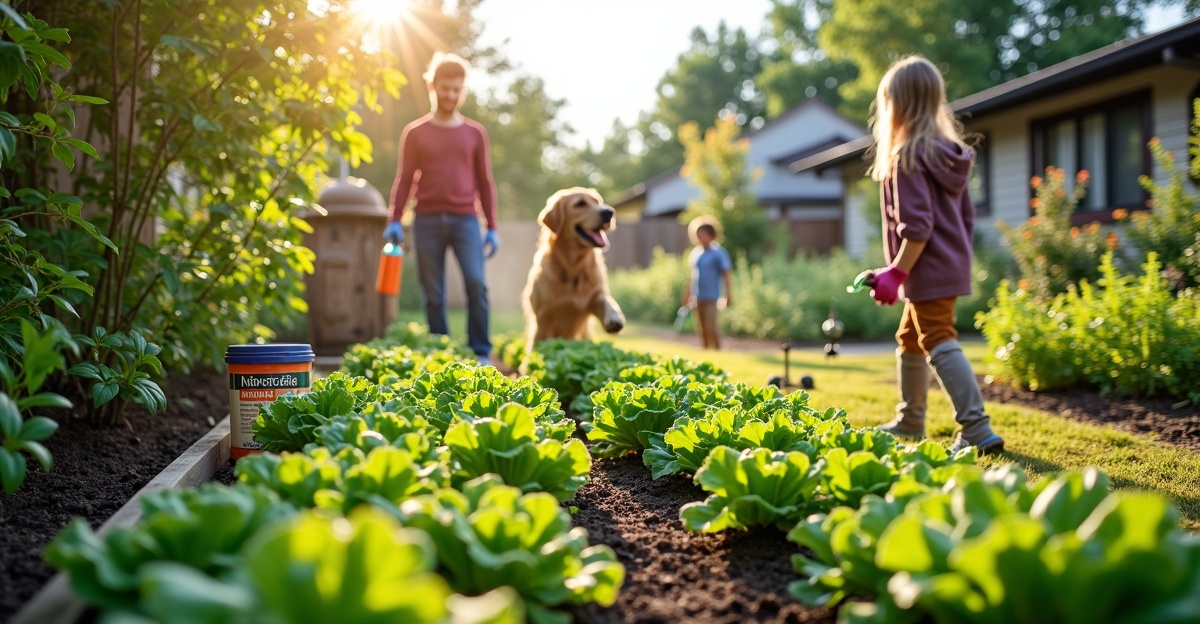
Organic vs. Synthetic: What Works Best for Southeast Idaho Gardens?
Understanding Organic Pest Control Options
For those of us growing vegetables in Southeast Idaho, protecting our crops without harming our families or the environment is a top priority. That’s why many neighbors turn to organic pest control for gardens. Some go-to products include:
- Neem oil – derived from the neem tree, it effectively controls soft-bodied pests like aphids when applied properly, according to university extension guidance.
- Diatomaceous earth – a fine powder that’s tough on crawling insects like ants and earwigs.
- Insecticidal soaps – great for breaking down the exoskeleton of pests such as mites and aphids.
These natural options are typically considered safer for children and pets. But they usually break down faster in sunlight and rain, so we may need to apply them more frequently to stay ahead of rising pest pressure.
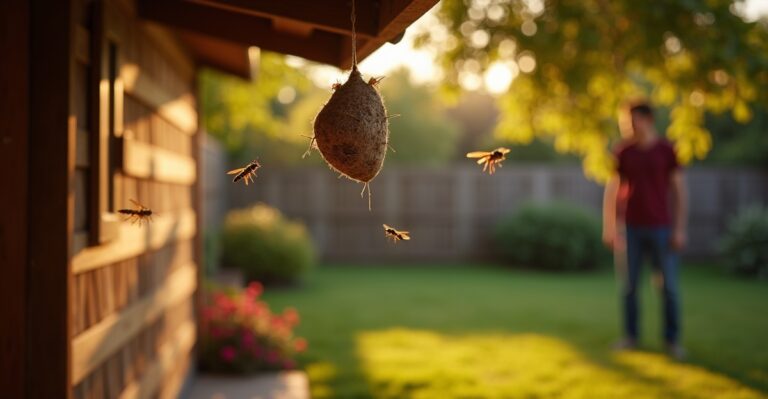
Here in Southeast Idaho, we commonly face pests like aphids on leafy greens, earwigs chewing through lettuce, ants building under garden beds, and wasps buzzing around fruit vines. Organic methods help manage these threats while keeping our food supply as close to chemical-free as possible.
Still, even if something is labeled organic, that doesn’t mean it’s automatically safe to spray directly on produce. Always follow directions, and double-check if the product is approved for use on edible plants.
When Synthetic Options Make Sense
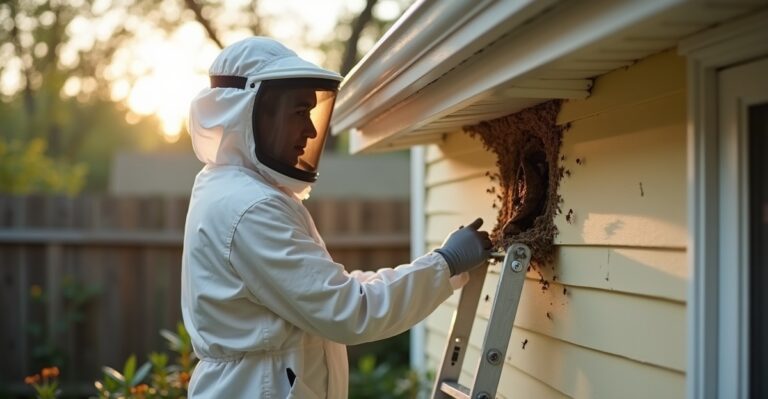
Synthetic sprays can offer longer protection, and some are approved for use directly on edible plants—when used properly. Common examples include products designed for controlling stubborn infestations of wasps or ants. But these solutions require extra care. Always read the label, wear the proper gear, and apply only as directed.
Here are some things we consider when choosing between natural and synthetic methods:
- How persistent the problem is
- The type of vegetable being grown
- How close we are to harvest
- Kids or pets playing in the area
For families dealing with larger infestations, a combination of approaches—along with a clear understanding of product safety—is key. You don’t have to guess which way to go. We recommend checking out this guide to family-safe pest control for practical tips.
For a hands-off approach that still protects your harvest, our residential pest control services can include techniques and products that respect both your garden and your dinner table.
Even with natural pest control Southeast Idaho residents still need to be cautious, especially during peak growing months. Routine monitoring and spot treatments help avoid big issues and make sure we’re only treating when it’s truly needed.
If you’d like more tips or specific Idaho garden pest solutions, especially for tricky insects like ants and mosquitoes, we’re happy to help. Let’s keep our gardens thriving and our food safe—from seedling to supper.
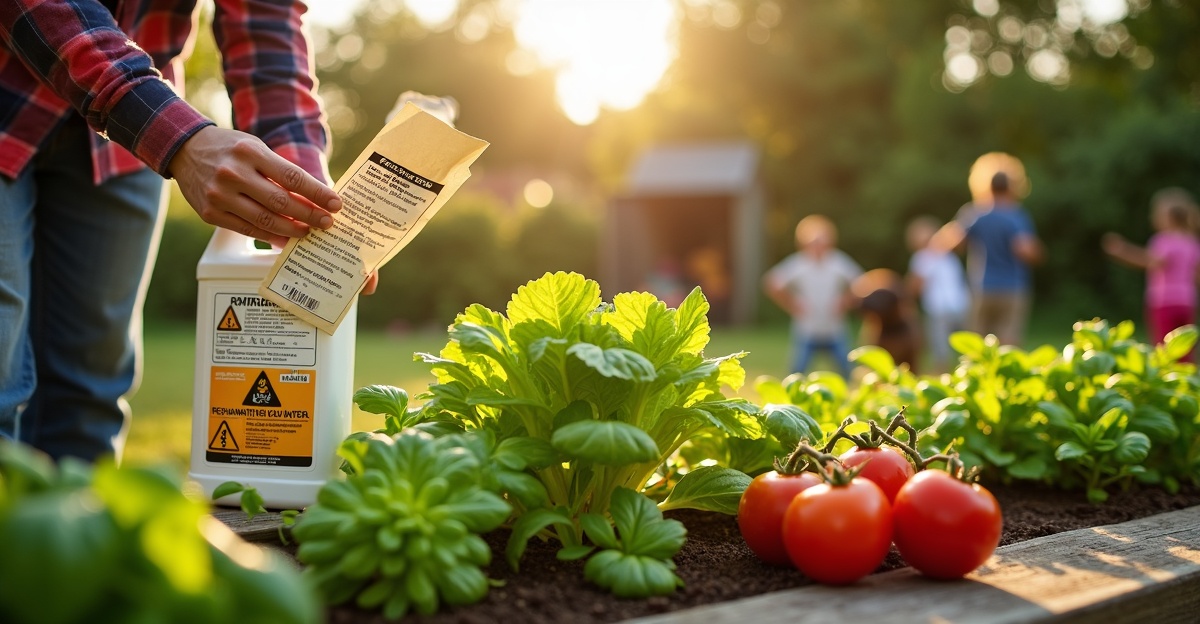
What To Look for on the Label (and What It Means for Your Garden)
When we treat bugs in our vegetable gardens, it’s not just about what works—it’s about what’s safe. Understanding the label on any pest control spray is the first step to protecting what we grow and who we grow it for. Let’s cover what to look for, what those label parts mean, and the questions we ask before we use anything near our veggies.
Breaking Down the Label
Pesticide labels aren’t just legal fine print—they’re safety instructions for our soil, our food, and our families. Pay extra attention to the following:
- Active Ingredients: This section lists the chemicals doing the pest-killing work. If it’s safe for edible plants, it will usually say so clearly on the label. Look for natural options like pyrethrin (from chrysanthemum flowers) and neem oil, both of which are common in garden-safe insecticides.
- Pre-Harvest Interval (PHI): This tells us how many days we should wait between spraying the product and harvesting the crop. For short-harvest veggies like lettuce or spinach, this number should be low—often 0 to 3 days.
- Reentry Interval (REI): This part tells us how soon we can safely be around the garden after spraying. For example, a 12-hour REI means we wait half a day before going back in, even just to pull weeds.
It’s tempting to assume if something knocks out grubs in the lawn that it’ll work for tomatoes too—but that’s a mistake. Products meant for turf may have different active ingredients or concentrations not suited for crops. Stick with labels that say they’re for fruit or vegetable plants, and specifically mention crop-safe use.
We always ask ourselves three questions before bringing a spray onto our veggies:
- Is this labeled safe for food crops like tomato plants or leafy greens?
- How long do we need to wait before eating anything after treatment?
- Once dry, will this be safe for pets or wildlife visiting our garden?
These help us stay on track, especially when choosing between chemical and non-chemical options. If you’re looking for chemical-free garden tips, we cover ideas like physical barriers and natural repellents in our guide on how to prevent pests without chemicals.
One more thing to help read labels confidently: check for the EPA registration number required for legally approved pesticide products. Any product legally approved for use in gardens will have one. This number means the Environmental Protection Agency has evaluated the product’s ingredients and application instructions. It doesn’t make it perfect—but it tells us it passed a long checklist of health and environmental standards.
You’ll also find safety symbols that help us make fast decisions:
- A skull and crossbones symbol? That’s our cue to set it right back down.
- A warning or caution label tells us to use protective gear or avoid spraying in wind.
- “OMRI Listed” means it’s approved for use in certified organic gardening.
For families growing food at home, we recommend looking specifically for family-safe pest treatments that mention use around children, pregnant gardeners, and pets.
At DeWitt Pest Control, we take extra care in our residential pest control services to make sure anything we apply near an edible garden is listed as crop-safe and explained clearly. Nobody wants chemicals lingering around where we pull carrots or snip basil, and we make sure that doesn’t happen.
Keep in mind: just because a spray says “natural,” that doesn’t mean it’s safe for every plant or harvest schedule. Even plant-based products can damage leaves or delay harvest if not applied under the right conditions. That’s where reading those REI and PHI numbers really counts.
And if you’re ever unsure whether a product lives up to its label promises, we’re happy to walk through it with you. We cover a lot of questions like these in our blog on general home pest protection, since edible gardens are often part of a broader plan to keep safe, healthy spaces around your home.
You don’t need to be a chemist to make smart choices about pest control treatments. All it takes is knowing what questions to ask—starting with the label, then thinking through how it fits into your garden, your table, and your routine. We’re here to help with honest answers that won’t leave you second-guessing safety.
How DeWebb Ensures Your Family Garden Stays Safe
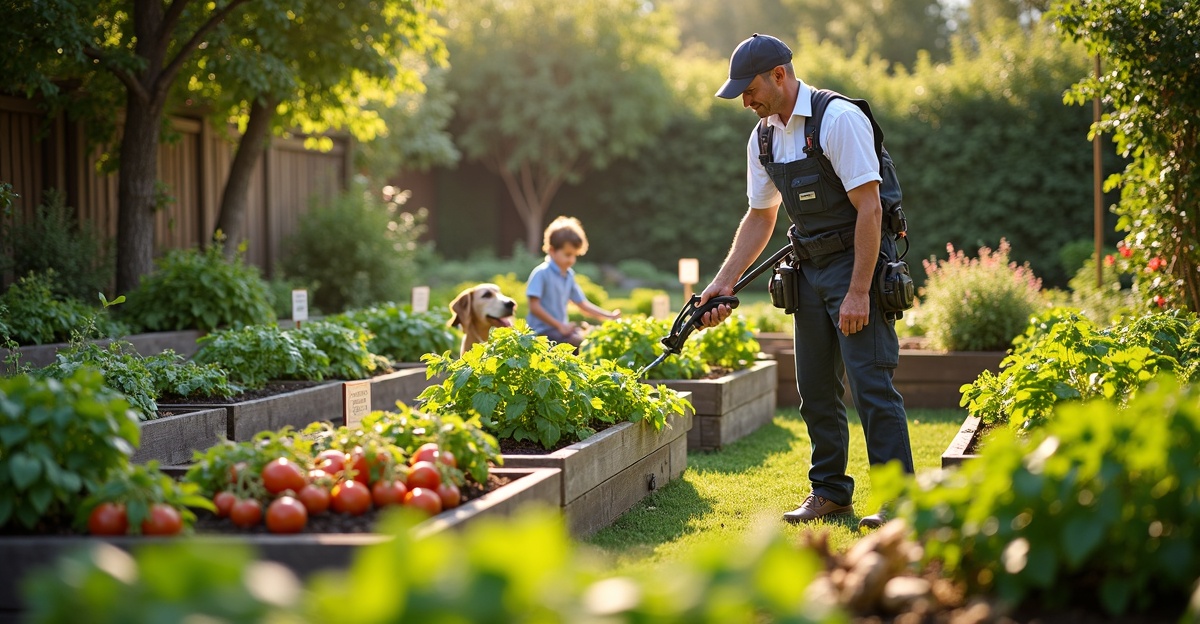
At DeWebb Pest Control, we treat your garden like our own. We know how important your homegrown veggies are, especially if kids and pets share the backyard. That’s why we offer customized care for homes with vegetable gardens, making sure our treatments support both safety and success.
Every garden is unique. That’s why we listen first—whether it’s a small raised bed of tomatoes or a full backyard harvest. Our team designs pest control plans that factor in what you’re growing and who’s playing nearby. It’s part of how we provide truly family-friendly pest control that works without putting people, pets, or produce at risk.
How Our Process Protects Gardens and Families
We’ve helped countless families in Idaho Falls and Rigby deal with pests without worrying about the safety of their vegetables. Here’s what we do to keep things safe and effective:
- We use garden-safe products approved for use around edible plants.
- We apply treatments with precision to avoid over-spray near your food crops.
- We communicate clearly about when and where we’ve treated and what steps—if any—should follow.
- We help identify and block the root cause of pest problems, preventing repeated use of sprays.
Taking care of gardens often means adjusting our timing and choosing the right method—sprays, traps, or non-chemical options that still get the job done. Our team is trained to know the difference and share that knowledge with you in plain, honest language. We’ve even helped families explore chemical-free methods. If that sparks your interest, check out our thoughts on how spider prevention can be chemical-free.
From the start, we make one thing clear: we always talk you through each product we use, especially near gardens. Whether we’re working close to the lettuce patch or treating a crawl space on the other side of your home, you’ll know exactly what’s going on and why. Your peace of mind matters just as much as the outcome.
This approach is more than just business—it’s personal. We live here too, and protecting your peace of mind is part of what we do. That’s why transparency isn’t a buzzword for us—it’s a promise we keep on every job.
If you’re wondering whether a larger plan might help keep your garden and yard pest-free long term, it may be worth reading into how pest control plans work for homeowners. We offer options that balance effectiveness with safety.
Safe, child- and pet-friendly pest control in Idaho is completely possible—you just need the right partner. Let DeWebb Pest Control help you protect what matters most without giving up the garden you love.
Southeast Idaho’s Garden Pests: What You’re Up Against
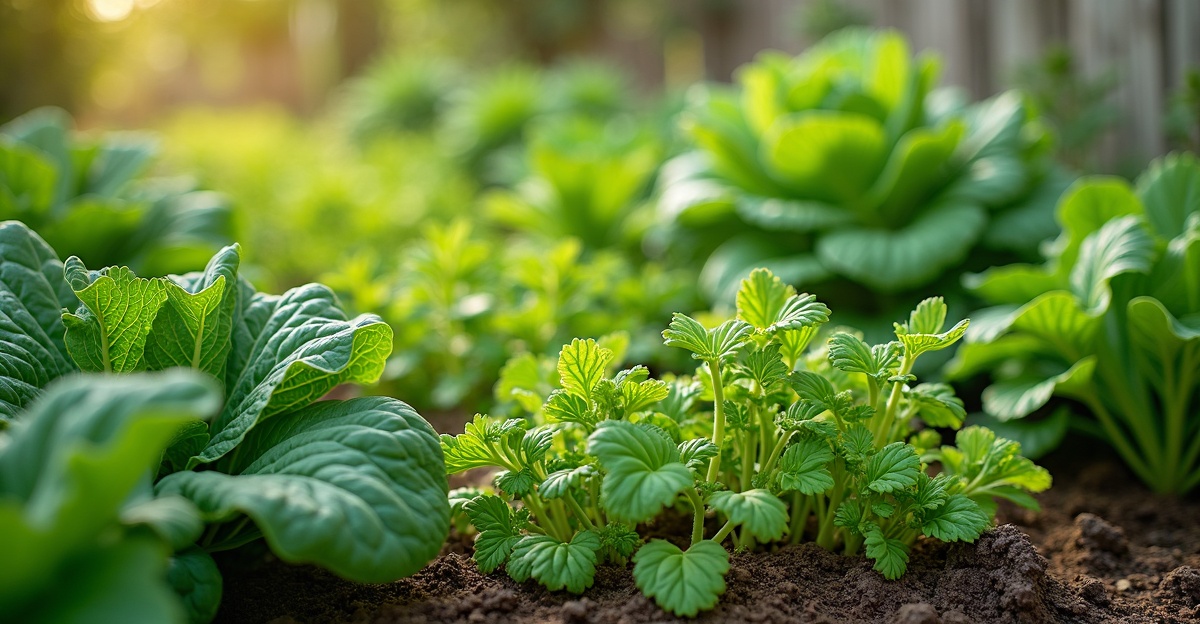
Southeast Idaho offers some great growing conditions, but with the fresh produce come pests ready to ruin your harvest. Our dry summers and cool, often late, springs make a unique environment where pest pressure changes throughout the year. Understanding what we’re up against—and how those shifts affect treatment timing—helps protect our vegetable gardens while keeping them safe for our families.
Seasonal Pests in Southeast Idaho Gardens
Different pests show up at different times, and many gardeners see a predictable pattern across the growing season. Here’s what we typically face as conditions shift:
- Early Spring: As the soil begins to warm, we often notice ants emerging in force. They’re not just a nuisance—they can protect aphids in exchange for honeydew, creating two problems at once. We also tend to see cutworms and flea beetles showing up when seedlings are most vulnerable.
- Late Spring to Early Summer: Cool nights and damp soil can lead to an increase in slugs and earwigs. These pests love hiding in mulch and under debris, then feeding at night.
- Mid to Late Summer: As things dry out, aphids explode in number. We also start to deal with spider mites during hotter weeks, especially in drought-like conditions. Cabbage loopers and tomato hornworms can take over quickly if not managed early.
- Early Fall: As the weather cools again, some pests start preparing for winter. Rodents look for food and shelter, occasionally digging around gardens and compost. Aphids can return in a late flush in warmer Septembers.
We always adjust our treatment approach based on these seasonal patterns and the behaviors of regional pest species. Knowing when to act helps us use fewer materials overall while achieving better control.
Practical Solutions That Work Here
There’s no one-size-fits-all solution, especially in a growing zone like ours. What works well in another state might not help us much here in Southeast Idaho. That’s why we rely on a mix of natural pest control and localized synthetic options. We always make choices based on timing, safety, and long-term effectiveness—especially around food.
Here are reliable Idaho garden pest solutions we recommend:
- Use physical barriers early: Row covers protect seedlings from flea beetles and cabbage worms. They work naturally and keep pests out right from the start.
- Encourage beneficial insects: Ladybugs, lacewings, and parasitic wasps help reduce aphids, mites, and soft-bodied pests. Planting dill, yarrow, and marigolds can attract these helpful allies.
- Keep things dry underneath: Mulching is great, but overwatering attracts slugs and earwigs. Letting the topsoil dry between watering makes the garden less inviting to pests.
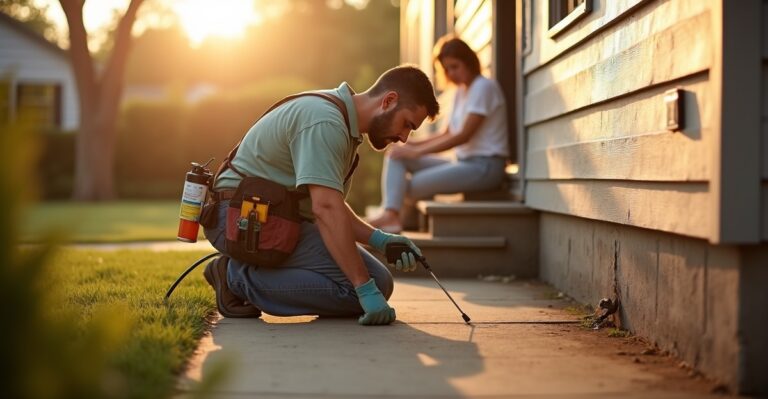
- Spot-treat when needed: If natural control isn’t enough, targeted treatments using products labeled for produce can stop outbreaks before they spread. We only recommend using professional pest control products proven safe for vegetable gardens and applied under the right conditions.
- Try essential oils: Neem oil and peppermint can help discourage pests like aphids and mites without introducing harsh compounds. Just make sure to follow label directions, especially during harvest season.
Because our area isn’t overly humid, fungal pest pressures are usually lighter than what gardeners face elsewhere. That makes natural interventions more effective compared to wetter locations.
If we’re dealing with certain indoor/outdoor cross-over pests—like ants or rodents—that find their way into garden sheds or homes, sometimes rodent control support or ant solutions become part of the bigger picture. Tailoring treatments for both spaces keeps problems from getting worse.
Sharing honestly, most of us just want to grow food that’s safe to eat and free from harsh chemicals. We take that seriously, too. If you’re wondering how chemical treatments interact with homegrown produce, check out our article on pest control safety around pets, which offers insights that apply to gardens as well.
We also offer advice on preventing spiders without chemicals, which often share garden environments but don’t always need to be removed if they’re helping more than harming.
Not every pest needs a spray. That’s especially true here in Southeast Idaho, where well-timed responses and respectful garden practices go a long way. If you’re curious about what’s included in ongoing care, our breakdown of general home pest protection services shows how we prioritize practical, seasonally adjusted methods with minimal impact.
Every garden deserves support geared for its location and crop type. That’s why we stick to what works best right here at home—and why we’re always happy to help neighbors protect their harvests safely.
FAQs Southeast Idaho Gardeners Are Asking About Pest Control
Quick Answers Every Backyard Gardener Should Know
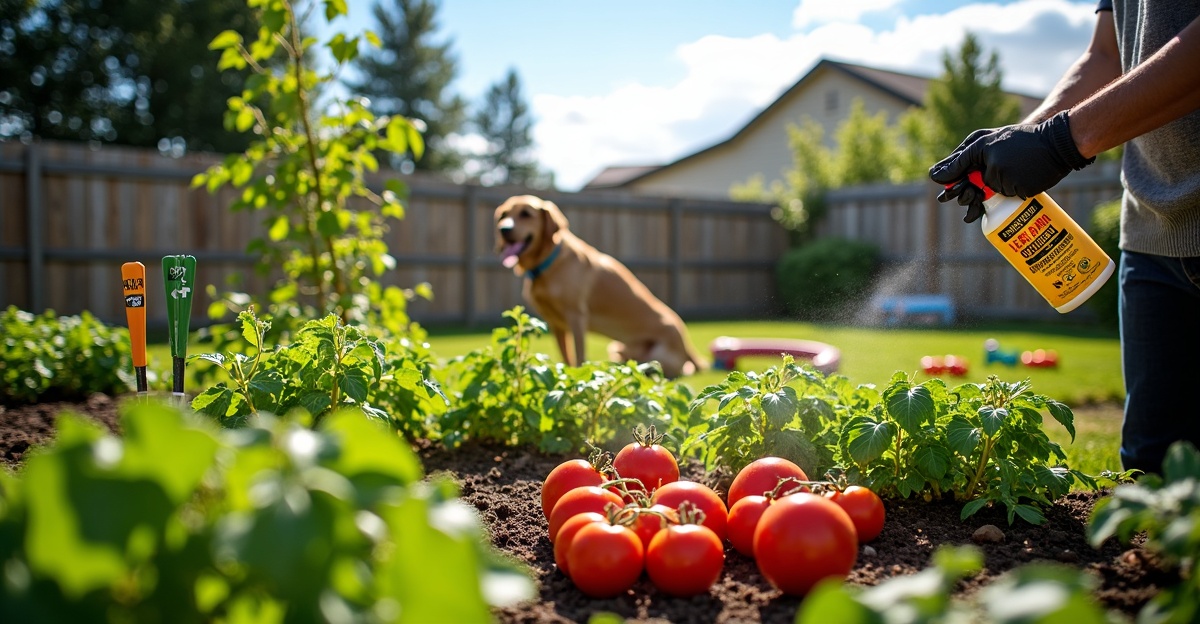
Folks around Southeast Idaho ask us all the time about using pest spray in vegetable gardens. We get it—fresh tomatoes and crunchy snap peas shouldn’t come with a side of worry. Here’s what we share most often:
- Can we eat vegetables after pest control?
Absolutely, but follow the label. Look for the “pre-harvest interval” or PHI—it tells how long you should wait after spraying before picking anything. Unsure about the timing? Give it a few days, then rinse your harvest well before eating. - What kind of label should be on the spray?
Look for products that say they’re safe for edible plants. EPA-approved labels are a solid bet, and if you’re going more organic, OMRI-listed sprays are another great option. - Is it safe if we have pets?
Most garden-use sprays are considered safe for pets once they’re dry. Still, not all products are created equal. Make sure to read the fine print or contact a trusted provider. We always take pet safety seriously and walk folks through what works best with their animals in mind. For more on that, check out how safe pest treatments are for pets in real Idaho yards.
Smart Practices and When to Call In Help
When we use family-safe pest treatments, we follow tight guidelines to protect plants, pets, and people. If you’re picking products off the shelf, here’s what to keep in mind:
- Go for sprays made specifically for gardens.
- Don’t mix products unless the label says it’s fine.
- Watch the weather—avoid spraying before rain or during strong winds.
- Keep kids and pets away from treated areas until everything’s dry.
- Wash veggies well, even if the label says you don’t have to.
Choosing sprays that are marked safe for food crops goes a long way. However, with so many labels out there, some make things sound safer than they are. Honesty matters, which is why we read each one carefully and keep our treatments child- and pet-friendly whenever possible.
Still not sure what’s safe for your garden? We’d be glad to help. You can always contact our team for straightforward answers about pest control that’s safe for gardens and your loved ones. Whether it’s bugs in the lettuce or ants near the strawberries, our pest control services are built to keep everything you care about safe, healthy, and growing strong.
Frequently Asked Questions
Pest control sprays labeled for use on edible plants are safe when used correctly. Look for products that specifically say “for vegetables” or “food crops” on the label. Common garden-safe options include neem oil, insecticidal soap, and certain EPA-approved synthetic sprays. Always follow label directions for application rates and waiting periods before harvest.
Yes, misuse can lead to residue on produce or plant damage. Applying higher-than-directed doses, spraying too close to harvest, or using products not approved for food crops increases risk. To avoid contamination, follow the pre-harvest interval (PHI) on the label and wash vegetables thoroughly before eating, even when using garden-safe products.
Organic pest control is often safer for gardens but not automatically risk-free. Products like neem oil or diatomaceous earth break down faster and usually have lower toxicity, but they still require correct use. Synthetic sprays can also be safe for gardens if they’re labeled for vegetables and applied according to instructions. Safety depends more on proper use than product type.
You should wait the number of days listed as the pre-harvest interval on the product label. Some garden-safe sprays allow harvesting the same day, while others require waiting several days. Ignoring this timing can expose you to chemical residues. When in doubt, waiting longer than required adds an extra margin of safety.
Pest control can be safe around kids and pets if products are labeled for garden use and reentry guidelines are followed. Keep children and animals out of treated areas until sprays are fully dry and the reentry interval has passed. Choosing low-toxicity, garden-safe products further reduces risk in family environments.