Do Spiders Actually Help Control Other Pests?
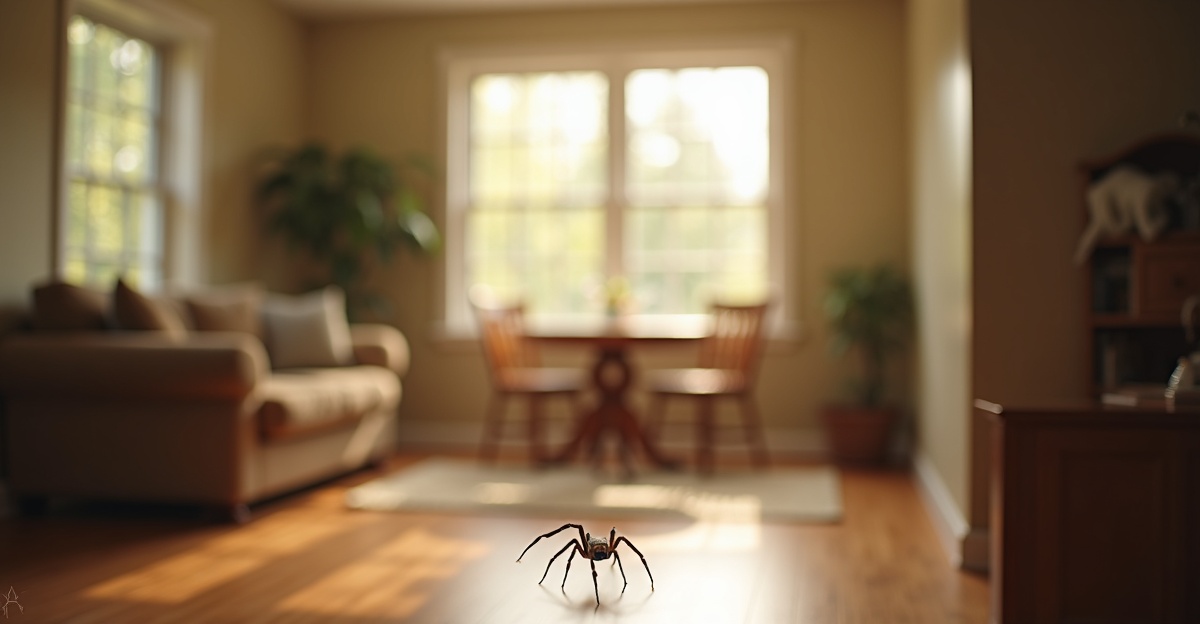
Many homeowners don’t realize spiders help manage pest problems. They eat common bugs Idaho residents struggle with—flies, ants, earwigs, and mosquitoes. These quiet predators support natural pest control because spiders eat other pests Idaho homeowners commonly struggle with, which can often cut down the need for chemical sprays.
Key Takeaways
- Spiders eat bothersome insects such as flies, ants, earwigs, and mosquitoes. This helps control pests naturally in Idaho homes.
- Common house spiders in Idaho, like cellar and wolf spiders, aren’t dangerous. They often keep insect numbers down, especially during warmer months.
- Spotting more spiders might mean more bugs have moved in, drawing them indoors.
- A sealed, clutter-free, and tidy home cuts down on both spiders and the insects they hunt—without using harsh products.
- Only a few species, like black widows, present safety risks. Seeing them often may call for expert help.
Why Spiders Might Be the Unexpected Helpers in Your Home
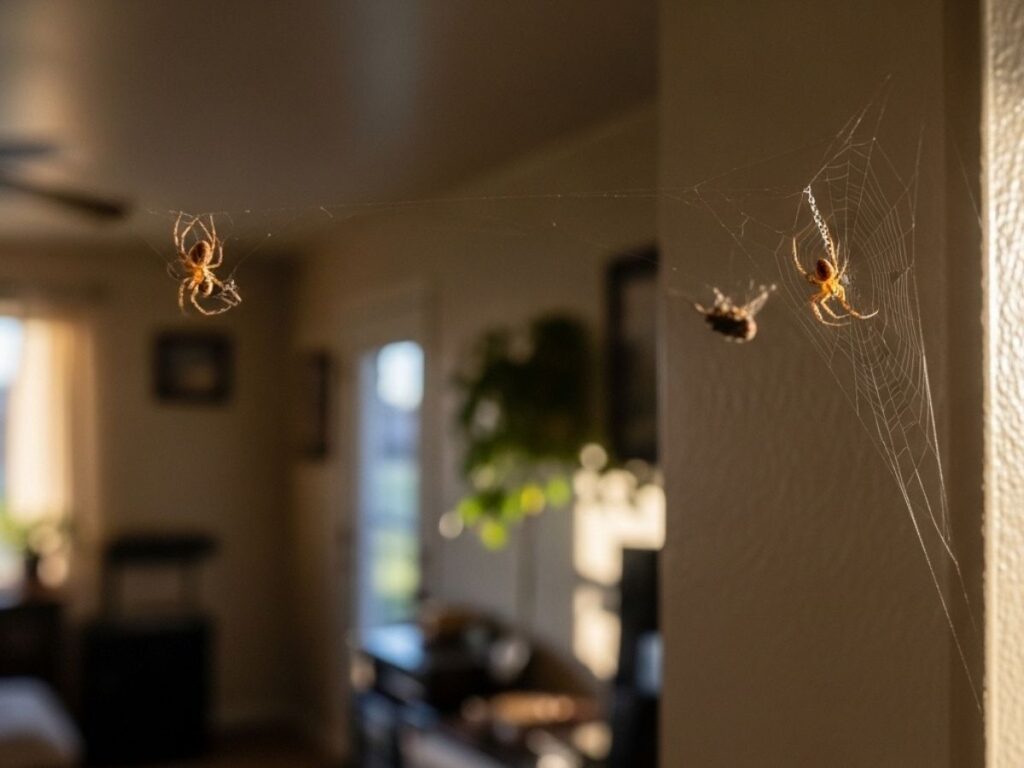
It might surprise some of us, but spiders can actually make life at home a little easier. Rather than being just something to squish or sweep away, many people wonder are spiders helpful—and the answer is yes, as they quietly manage other pests in our homes. These natural hunters snack on flies, mosquitoes, aphids, ants, and earwigs—some of the most irritating household invaders in Southeast Idaho.
Even humble cellar spiders, often found in corners and basements, can eat dozens of insects in just one week, according to university extension fact sheets on cellar spider feeding behavior. That doesn’t just reduce the number of nuisances; it also limits the food available for more harmful bugs.
With fewer pests to attract spiders in the first place, natural pest control becomes easier. Making smart prevention part of your routine—like sealing cracks and storing food properly—can work hand in hand with what spiders are already doing.
That combination helps many families reduce long-term spray treatments. If you’re focused on natural pest control in Idaho, spiders might be an ally worth understanding better.
Which Spiders You’re Likely to See in Southeast Idaho (and Which to Watch Out For)
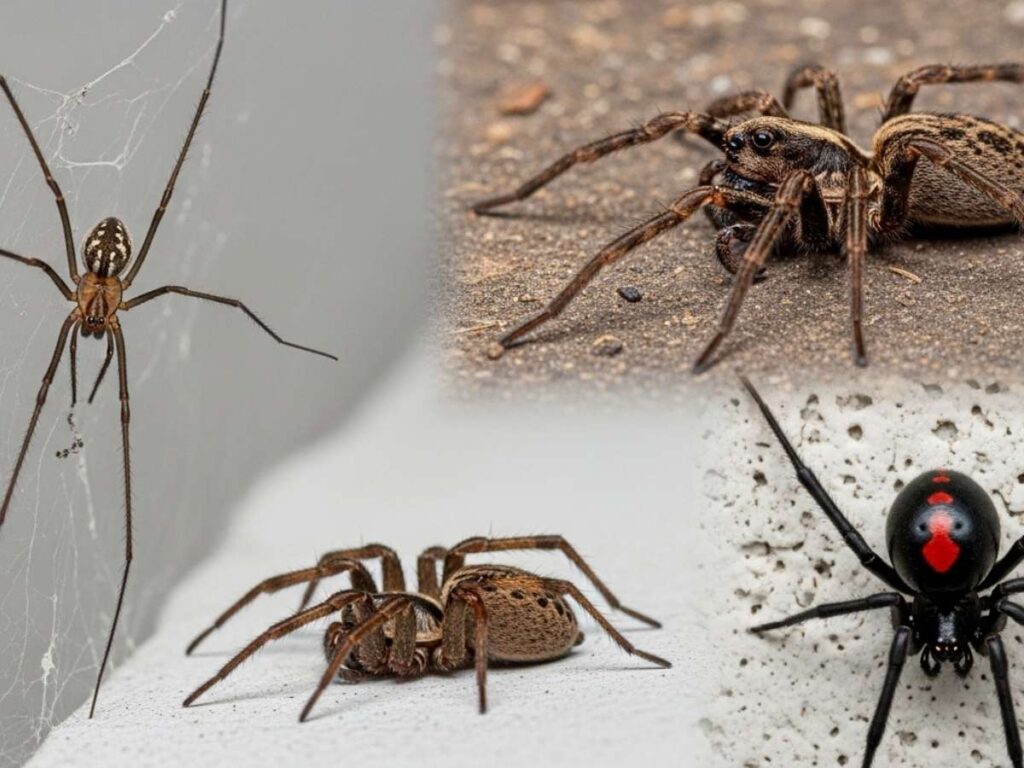
Most of the spiders we see around Idaho homes fall into a few familiar types. Each plays a different role, and not all should raise alarms.
Common Idaho House Spiders
Here’s a quick guide to the types we see most in Southeast Idaho:
- Cellar Spiders – Recognizable by their long legs and flimsy webs, these are completely harmless and very effective at catching small bugs.
- Wolf Spiders – Bigger and fast, they rarely build webs and prefer to chase down prey like ants and beetles. Despite their size, they’re not aggressive to people.
- Hobo Spiders – Often misunderstood, these brownish spiders like dark places like basements. Although once thought dangerous, current peer-reviewed research on hobo spider bites suggests their bites are no more harmful than a bee sting.
- Black Widows – The one to take seriously. Black widows have shiny black bodies and the classic red hourglass mark. Their bites are venomous and do require attention—especially with pets or children around—as outlined by CDC guidance on black widow spider bites.
We get a lot of fall calls about hobo and wolf spiders making their way indoors. Cooler nights drive these spiders to seek shelter. If you’re finding one too many, check out our tips on how to spot dangerous spiders in Idaho homes—especially those tricky-to-find widow spiders.
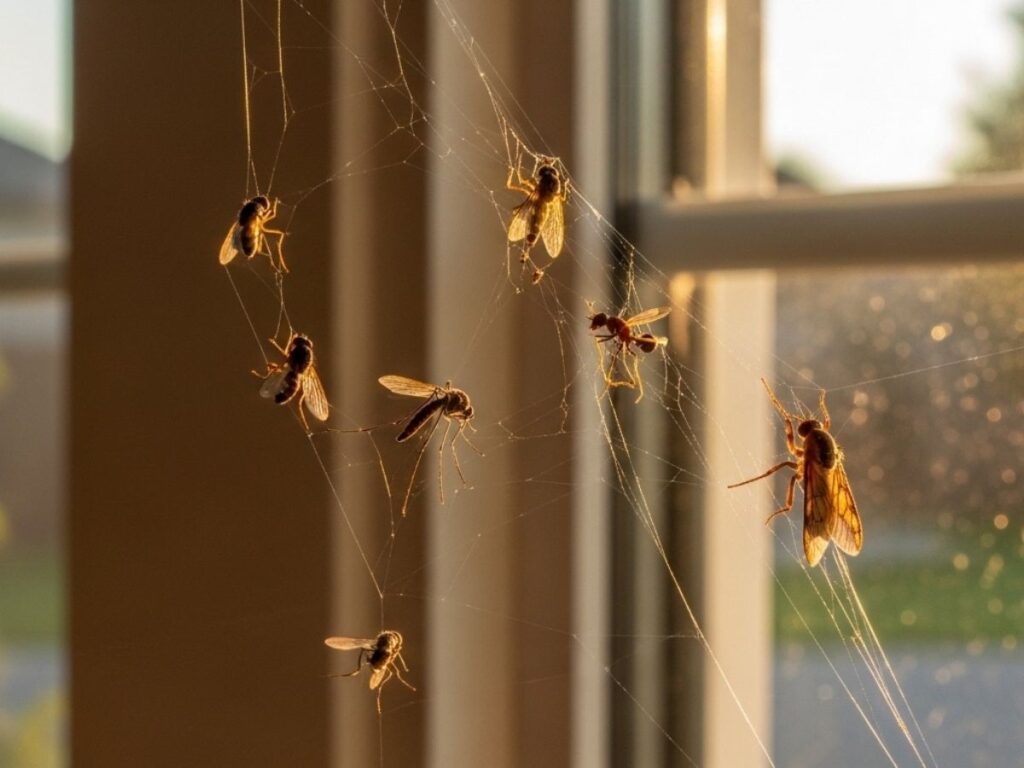
What Kind of Pests Spiders Actually Help Control
Spiders act as quiet protectors, feeding on many of the bugs we work hardest to avoid.
Some of Their Favorite Prey Include:
Many common pests end up as spider meals:
- Flies (a constant nuisance in summer and around food)
- Mosquitoes (especially when they gather near windows and doors)
- Ants (caught in webs or hunted by larger species)
- Beetles, moths, and even earwigs
During Southeast Idaho’s warm months—particularly summer into early fall—you’ll often find spiders carrying more than their fair share of pest control duties. This natural support plays a role in cutting down issues before any chemical treatments are considered.
If you’re concerned about bug infestations, spiders vs. pests in Idaho might be a better matchup than many realize.

How to Keep Spiders in Check Without Overreacting
We understand that not everyone loves the idea of spiders in their living room, especially with little ones or pets around. Thankfully, there are safe and simple ways to manage occasional spider sightings.
Safe Spider Management Tips for Families
Gentle prevention can go a long way:
- Seal small gaps in windows, doors, and screens
- Install sweeps on entry doors to block sneaky entries
- Use a vacuum to remove webs and egg sacs weekly
- Try natural deterrents like vinegar sprays or citrus oils
- Turn off outdoor lights that attract insects near doors and windows
- Keep clutter low in corners, garages, and under furniture
If you’ve noticed more spiders than usual lately, it might be a clue that you have another pest issue brewing. Spiders go where food is, and integrated pest management guidance from university extension programs explains that predator presence often reflects available prey indoors. Our tips for what spider presence could mean may offer more insight.
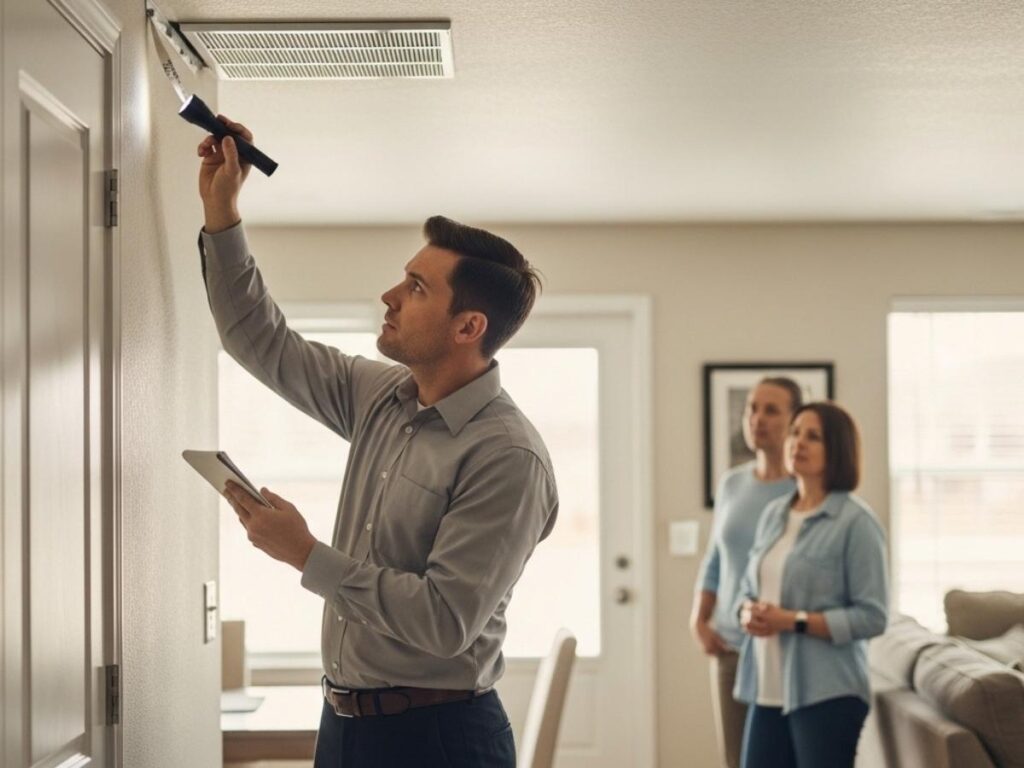
When a Spider Problem May Mean It’s Time to Call the Pros
Occasional spider sightings aren’t usually a red flag. But there are a few situations where a professional eye brings peace of mind and effective results:
- Spiders are frequently spotted in living spaces, bedrooms, or bathrooms
- You keep finding webs in air vents, near cribs, or around pet areas
- You’ve identified a black widow or feel unsure about a spider type
- Other pests like flies or ants are increasing—bringing spiders with them
- Your comfort at home is being disrupted by spider fears
We still remember one Rexburg family who kept seeing spiders upstairs. It turned out outside insects were sneaking in through improperly sealed vents. With a little detective work and simple sealing, we stopped the invaders—spiders and their snacks—from entering in the first place.
If you’re wondering how often to treat for spiders in Idaho, we help guide each household based on its unique setup, not a one-size-fits-all approach.

How DeWebb Pest Control Helps Keep Your Home Safe—and Your Mind at Ease
We’re Idaho locals who believe in honest work and respectful service. Our crews at DeWebb Pest Control bring years of local experience—not just in knowing which spider’s which, but in knowing how, when, and why they show up in the first place.
We focus on solutions that are safe for families and pets. That means inspections without pressure, and action plans that prioritize your peace of mind. Our technicians are especially experienced at locating typical hiding spots for spiders that may pose risks to kids.
Whether it’s answering a quick question or offering a full inspection, we’re here to help. We’ll never start with treatments you don’t need—we’ll start with clear answers.
Feel ready to take back control from pests—and let spiders help where they can? Reach out to us today for a no-pressure visit or to chat with a neighbor who knows. People trust DeWebb because we take the time to listen, explain, and solve problems that matter to Idaho families.
Frequently Asked Questions
Yes, spiders eat many common household pests found in Idaho. Most species feed on flies, mosquitoes, ants, moths, and earwigs. By reducing insect populations, spiders provide a form of natural pest control indoors and around foundations. Their presence often means fewer nuisance bugs without relying on chemical sprays.
Spiders commonly prey on flies, mosquitoes, ants, beetles, moths, and earwigs in Idaho homes. These insects are especially active during warmer months and often attract spiders indoors. By feeding on these pests, spiders help reduce breeding cycles and slow infestations before they grow into larger problems.
Most house spiders in Idaho are harmless to people and pets. Common species like cellar spiders and wolf spiders rarely bite and are not aggressive. Only a few spiders, such as black widows, pose a health risk. Proper identification is important, especially in homes with children or pets.
Often, yes—an increase in spiders can indicate a growing insect population. Spiders go where food is available, so flies, ants, or other bugs may be present even if they’re not easily noticed. Addressing the underlying insect issue usually reduces spider activity naturally.
In many cases, allowing a few spiders to remain can help control other pests naturally. However, spiders in living areas, bedrooms, or near children may need removal. The best approach is prevention—sealing entry points, reducing insects, and keeping the home clean—so neither pests nor spiders become a problem.