How do you know if pest control is working?

Knowing if pest control is working starts with understanding realistic timelines. In Southeast Idaho, we focus on breaking lifecycles and preventing reinfestation rather than expecting instant knockdown. We measure progress by tracking activity trends, watching for clear reductions based on the specific pest, and recognizing when we need a follow-up if expected improvements don’t appear.
Key Takeaways
- Pest control typically works over days or weeks, depending on the pest type, infestation size, and season.
- A brief increase in visible pest activity after treatment can signal that products are doing their job.
- Clear progress includes fewer sightings, dead insects near entry points, reduced ant trails, and declining rodent droppings.
- Wasps often respond within 24–72 hours, while ants, spiders, and rodents may take longer depending on colony size and conditions.
- If we see no noticeable reduction within 2–3 weeks, or new activity appears, it is time to schedule a follow-up evaluation.
What Real Pest Control Results Actually Look Like in Southeast Idaho
Pest control results are rarely instant, and that’s completely normal. Most treatments work over days or weeks, not hours.
We set clear expectations from the start. Effective pest control focuses on long-term control, disrupting lifecycles, and preventing reinfestation, a principle supported by NC State Extension Publications research on insect life cycles. It isn’t about knocking down a few visible bugs and calling it done.
Results depend on three main factors: the pest itself, the size of the infestation, and the season. Ant colonies behave differently than spiders. Rodents require different strategies than wasps. A small ant trail in the kitchen won’t follow the same timeline as a mouse issue in the garage.
Season matters here in Southeast Idaho, and choosing the best time for pest control Idaho plays a big role in how effective treatments will be. Wasps spike in late summer as colonies peak in size. Rodents start pushing indoors in fall and winter, searching for warmth. Spring often brings ants and spiders out as temperatures rise. Each pest follows its own pattern.
That’s why we build treatment plans focused on long-term protection instead of short bursts of activity. We interrupt breeding cycles. We address entry points. We target nesting areas. We don’t rely on surface sprays alone.
Across Rexburg, Idaho Falls, Ammon, Blackfoot, Rigby, Pocatello, and Ririe, we prioritize transparency. We explain what to expect. We outline realistic timelines. We stay available if questions come up. That’s how we build trust and deliver steady pest control results that last.
Is It Normal to See More Bugs After Treatment?
Seeing bugs after service can feel frustrating. Yes, temporary post treatment pest activity is common.
Residual products drive pests out of hiding. As insects move across treated surfaces, they become exposed. Bait systems work differently. With ants and other colony pests, workers carry product back to the nest. That process takes time, and colonies don’t collapse overnight.
If we’re treating ants and activity seems to increase briefly, that’s often part of the process. We explain these patterns clearly in our guide on why ants keep coming back after treatment. The same applies to spiders. Temporary movement doesn’t mean failure, as discussed in seeing spiders after treatment.
For families concerned about safety, we apply products according to labeled guidelines. Once treatments are dry, they’re designed to be safe when used properly, according to National Pesticide Information Center safety guidelines. We take that responsibility seriously in every residential pest control service we provide.
An initial uptick in activity is often one of the early signs pest control is working. Pests can’t stay hidden once the environment changes. Increased visibility usually means the product is doing its job.
How Long Does Pest Control Take to Work? Realistic Timelines by Pest
“How long does pest control take to work?” is one of the most common questions we hear. The honest answer depends on the pest control timeline for each specific pest.
Here are realistic expectations:
- Ant control results: Several days to 2 weeks depending on colony size.
- Spider treatment timeline: 1–2 weeks for noticeable reduction.
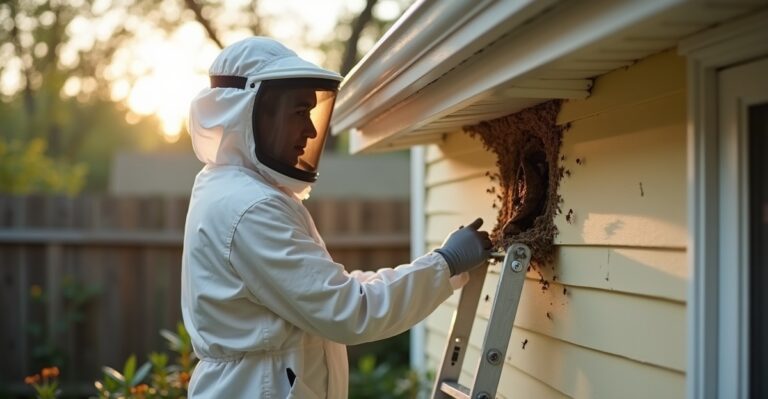
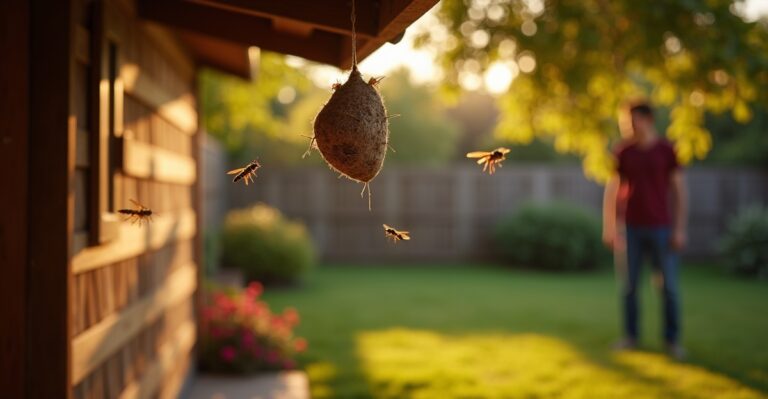
- Wasp nest treatment results: 24–72 hours after direct nest treatment.
- Mouse control effectiveness: 1–4 weeks depending on severity and exclusion work.
Ant colonies require workers to share bait internally. Spiders take time to contact treated surfaces. Wasps respond quickly when the nest itself is treated directly. Rodents require a combined plan of trapping, baiting, and sealing entry points.
Colony size plays a major role. Larger populations take longer to collapse. Entry points that haven’t yet been sealed can allow continued access indoors. Weather patterns in Southeast Idaho can slow or accelerate pest movement. Ongoing attractants like exposed food, moisture issues, or clutter also extend timelines.
Rodents deserve special mention. Trapping and baiting alone won’t solve the issue if gaps around foundations, vents, or garage doors remain open. Effective rodent control almost always includes exclusion work, as emphasized in CDC rodent prevention and exclusion guidelines.
One-time sprays may offer short-term relief, but ongoing service plans often outperform single treatments. Consistent monitoring and seasonal adjustments create stronger long-term outcomes. We explain more about what to expect in detail in our guide on how long until you see results.
Clear Signs Pest Control Is Working (And Signs It’s Not)
Clear trends matter more than isolated sightings. We encourage tracking activity so patterns become visible over time.
Signs pest control is working:
- Gradual decline in sightings over 1–3 weeks.
- Dead insects near baseboards, windows, or entry points.
- Reduced ant trails and slower activity.
- No new wasp activity after 72 hours.
- Decrease in fresh rodent droppings over time.
Red flags that may indicate a problem:
- No reduction after 2–3 weeks.
- New infestation areas appearing.
- Continued rodent droppings after several weeks.
- Active wasp nest beyond 72 hours.
- Lack of follow-up communication or service.
Documenting activity helps. Quick notes on dates, locations, and activity levels make it easier to evaluate progress.
No reputable company should promise “instant” or “100% effective” results. Honest providers explain that pest control works in stages. If there’s no measurable change within expected timelines, follow-up should be part of the plan. We discuss realistic guarantees in do pest control companies guarantee results.
When to Request a Pest Control Follow Up Service
Sometimes a follow-up service is necessary. That’s part of responsible pest management.
We recommend calling if:
- There’s no visible decline within the expected pest control timeline.
- Activity spreads to new rooms or structures.
- Mouse activity continues past 4 weeks despite trapping and sealing.
Seasonal pests in Idaho often require ongoing maintenance. Quarterly or routine pest control services typically provide steadier protection than one-time visits. Weather shifts and agricultural surroundings can continually introduce new pressure.
We understand that some homeowners have experienced rushed services before. Quick spray-and-go appointments don’t solve deeper issues. We take time to inspect, explain findings, and outline next steps clearly.
If something feels off, we want to hear about it. Scheduling a recheck, asking questions, and expecting straightforward answers should be standard practice. That’s how dependable Southeast Idaho pest control should operate. When needed, we make it simple to schedule an inspection and talk through concerns.
Frequently Asked Questions
Most pest control results appear within a few days to two weeks, depending on the pest and infestation size. Wasps often decline within 24–72 hours after nest treatment, while ants, spiders, and rodents may take longer. Larger colonies and unsealed entry points can extend the timeline. Consistent monitoring helps confirm steady progress.
A temporary increase in pest activity is often a normal part of pest control results. Residual products drive insects out of hiding, increasing visibility before populations decline. Baits also require time to spread through colonies. This short-term spike typically signals the treatment is working rather than failing.
Clear pest control results include fewer sightings over time, dead insects near baseboards or windows, reduced ant trails, and declining rodent droppings. Progress usually happens gradually across one to three weeks. Tracking activity trends instead of focusing on single sightings provides a more accurate picture of effectiveness.
You should schedule a follow-up if there is no noticeable reduction within two to three weeks or if new infestation areas appear. Continued rodent droppings, active wasp nests after 72 hours, or spreading activity may indicate additional treatment is needed. Reliable pest control services typically include re-evaluation when results stall.
One-time treatments can reduce immediate activity but may not deliver long-term pest control results. Ongoing service plans focus on lifecycle disruption, monitoring, and sealing entry points to prevent reinfestation. Regular maintenance treatments are often more effective for seasonal pests and recurring infestations.