How Long Until You See Results After Pest Control?
Homeowners across Idaho often ask how long pest control results will take. In most cases, we see early improvement within 24–48 hours. Steady progress usually follows over one to three weeks, depending on the pest and infestation level. When we explain how long it takes to see results after pest control, we always mention that temporary increases in activity, gradual reductions, and pest-specific timelines are normal parts of an effective treatment plan in Southeast Idaho.
Key Takeaways
- Most homeowners see initial pest activity changes within 24–48 hours, with fuller control developing over several days to three weeks.
- Different pests respond on different timelines, with ants and mice often taking 1–3 weeks for colony or population control.
- A short-term increase in pest activity after treatment is common and usually signals that products are working.
- Infestation size, treatment method, weather, structural gaps, and sanitation all influence how quickly results happen.
- Follow-up visits and ongoing maintenance provide more consistent, long-term protection than one-time treatments.
Results after professional pest control usually begin within 24–48 hours, but full control often takes several days to a few weeks depending on the pest. In Southeast Idaho, we typically see early improvement quickly, with steady progress over the following one to three weeks.
“Results” can mean different things. Sometimes it’s fewer pest sightings. Other times it’s disrupted nesting, reduced activity, or full elimination of a colony over time. For ants, that often means worker activity drops first, then the colony collapses. For rodents, it may mean hearing less scratching before activity fully stops.
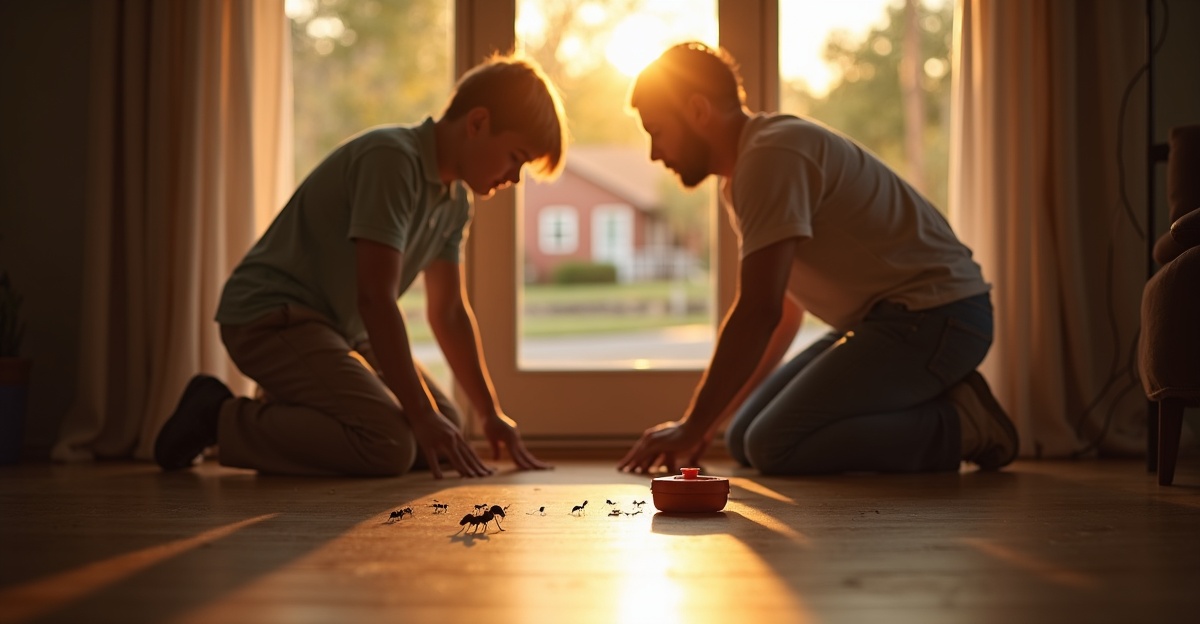
It’s also normal to see a short-term increase in activity right after treatment. Products flush pests out of hiding. That can make it seem like things are worse before they get better. In reality, it’s often a sign the treatment is working.
We don’t promise instant results. We explain exactly what to expect after pest control so there are no surprises. Homeowners in Rexburg, Idaho Falls, Ammon, Blackfoot, Rigby, Pocatello, and Ririe deserve straight answers and steady progress, not hype.
How Treatment Timelines Differ for Ants, Spiders, Wasps, and Mice
Different pests respond on different schedules. The method we use and the season both matter.
What to Expect by Pest Type
Here’s how timelines typically look across Southeast Idaho. Before reviewing specifics, it helps to understand that activity reduction usually comes in phases.
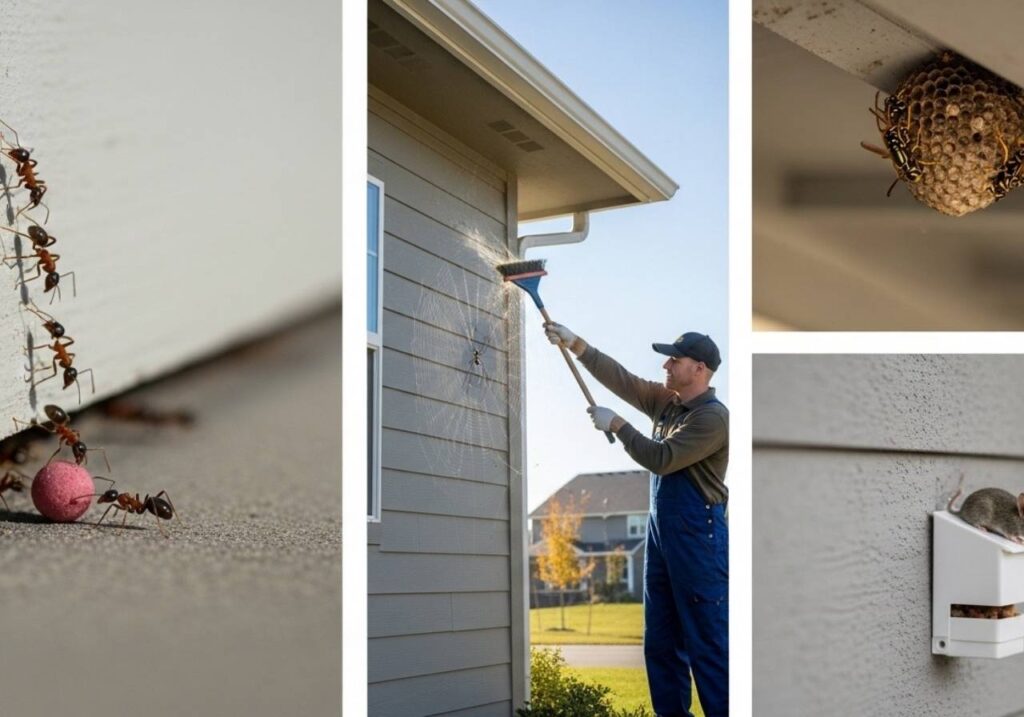
Ant treatment timeline Idaho: Initial reduction often begins within a few days. With professional ant control services, full colony elimination usually takes 1–2 weeks. We often use bait transfer methods. Worker ants carry product back to the nest, which takes time but reaches the queen through bait transfer behavior explained by university entomology research. Patience matters, especially in spring when activity spikes. If ants seem to reappear, we explain why in our guide on ants coming back after treatment.
Spider control Idaho: Visible spiders may be eliminated the same day with direct treatment. Continued reduction typically happens over 1–3 weeks as webs are removed and residual products do their job. Exterior treatments help stop new spiders from settling in. For homeowners concerned about ongoing sightings, we cover that in seeing spiders after treatment.
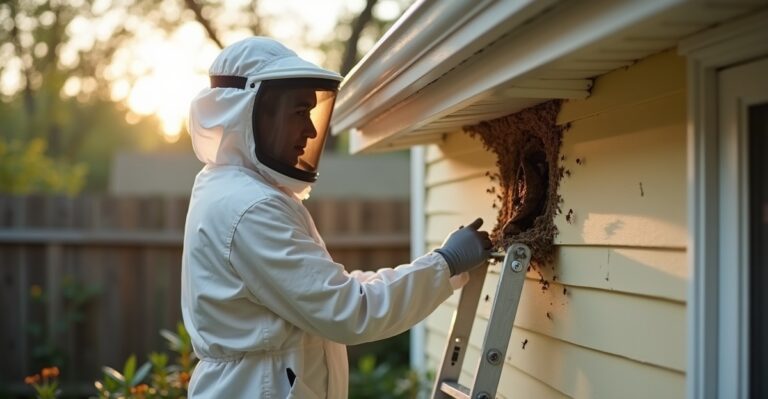
Wasp treatment results: Nest treatments often show major improvement within 24 hours. Activity at the treated nest usually drops dramatically the next day. In late summer, additional nests may become active, so follow-up visits can be needed.
Mouse extermination timeline: Activity may decrease within several days, especially once bait stations are established and entry points are identified. Complete control often takes 1–3 weeks, depending on access points and population size. Cold winters in Southeast Idaho push rodents indoors, increasing pressure. We outline this in more detail in our breakdown of the mouse elimination timeline.
Each pest has its own pattern. That’s why we avoid one-size-fits-all promises and focus on realistic, local expectations.
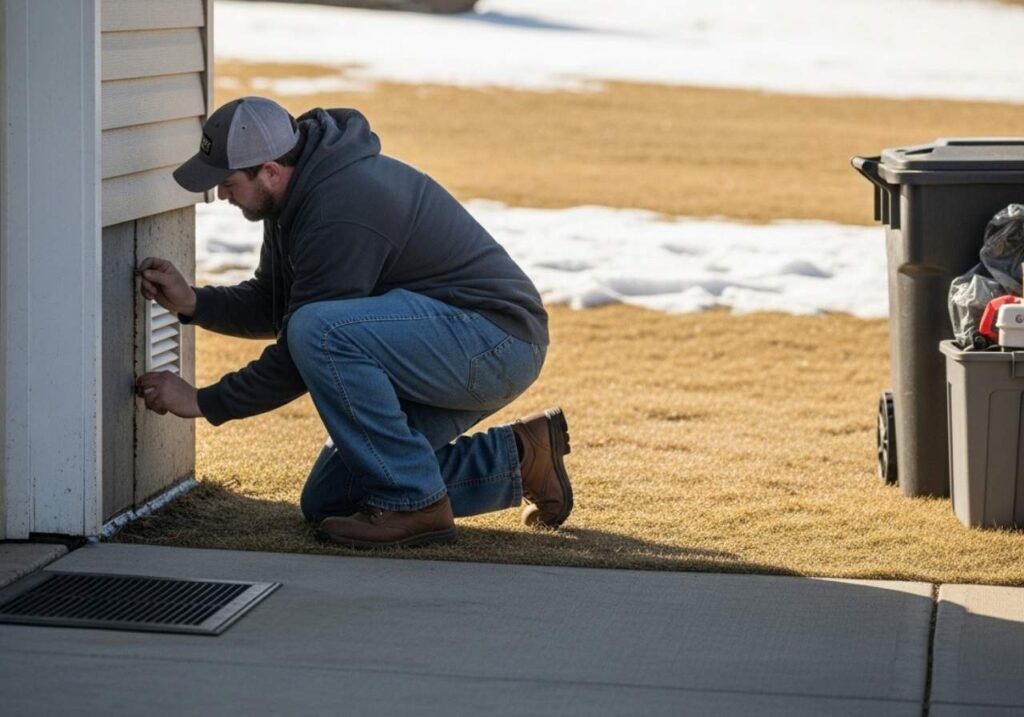
Why Timing Varies: Factors That Influence How Long Pest Control Takes to Work
Timing depends on practical factors we can see and evaluate—not vague disclaimers.
- Infestation severity: A long-term colony hidden behind walls takes longer to control than a newly discovered trail in the kitchen. Larger rodent populations require more monitoring and follow-up.
- Treatment method: Baits work through transfer and take time. Liquid treatments may provide quicker surface results. Exclusion work, such as sealing gaps, prevents future entry but doesn’t remove existing pests overnight.
- Weather in Southeast Idaho: Cold winters drive rodents into homes. Warm springs increase ant activity. Late-summer heat expands wasp populations. Temperature and moisture levels also influence how products perform and how pests behave.
- Structural vulnerabilities: Garages, crawl spaces, and foundation seams often allow pests inside. Until those are addressed, activity may continue.
- Homeowner cooperation: Proper food storage, clutter reduction, and sealing cracks speed up progress.
We always explain how long pest control takes to work based on what we find on-site, so expectations are clear from day one.
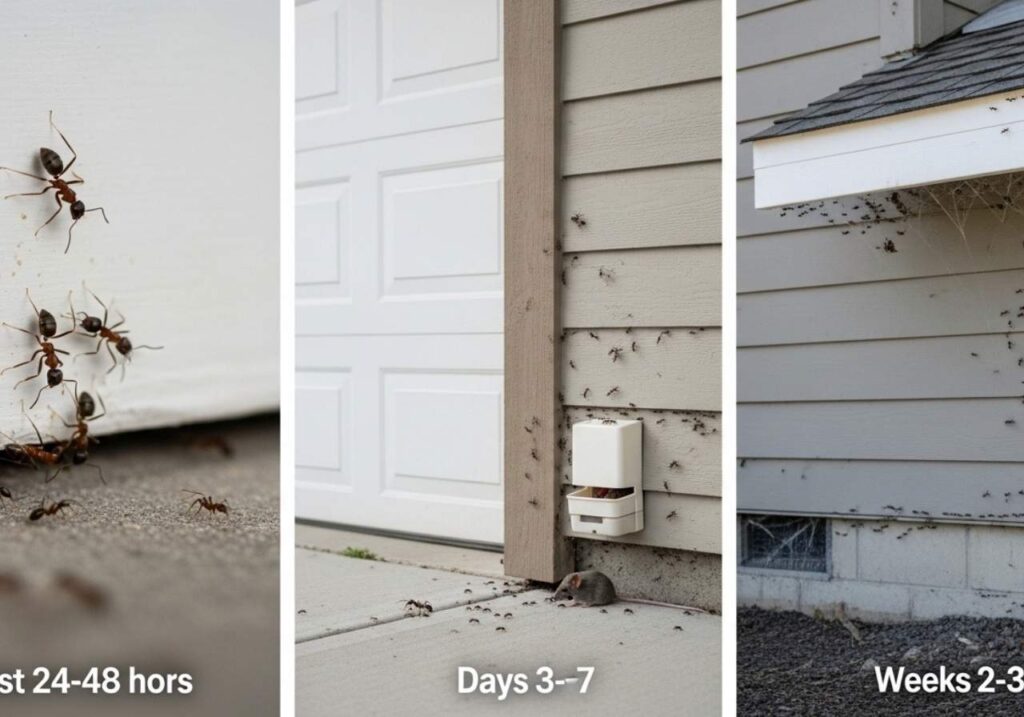
Week-by-Week: What Progress Typically Looks Like After Treatment
The first few weeks follow a predictable pattern in most homes we service.
- First 24–48 hours: Increased activity can happen as pests contact treated areas. Some exposed insects may be eliminated immediately. That early movement is part of the process.
- Days 3–7: Most homeowners notice fewer live ants and spiders. Rodent bait consumption may increase before dropping off. That’s normal and expected.
- Weeks 2–3: Ant colonies often collapse. Rodent activity typically decreases significantly if entry points are handled. Spider web buildup slows with continued exterior treatments and monitoring through our spider control program.
Occasional sightings don’t always mean failure. Pest control disrupts life cycles. Stragglers can appear before populations fully settle. We always encourage open communication. If something doesn’t feel right, call us. We’d rather answer questions early than let concerns grow.
For homeowners curious about duration after the initial visit, we also explain how long professional treatments last and what that means for ongoing protection.
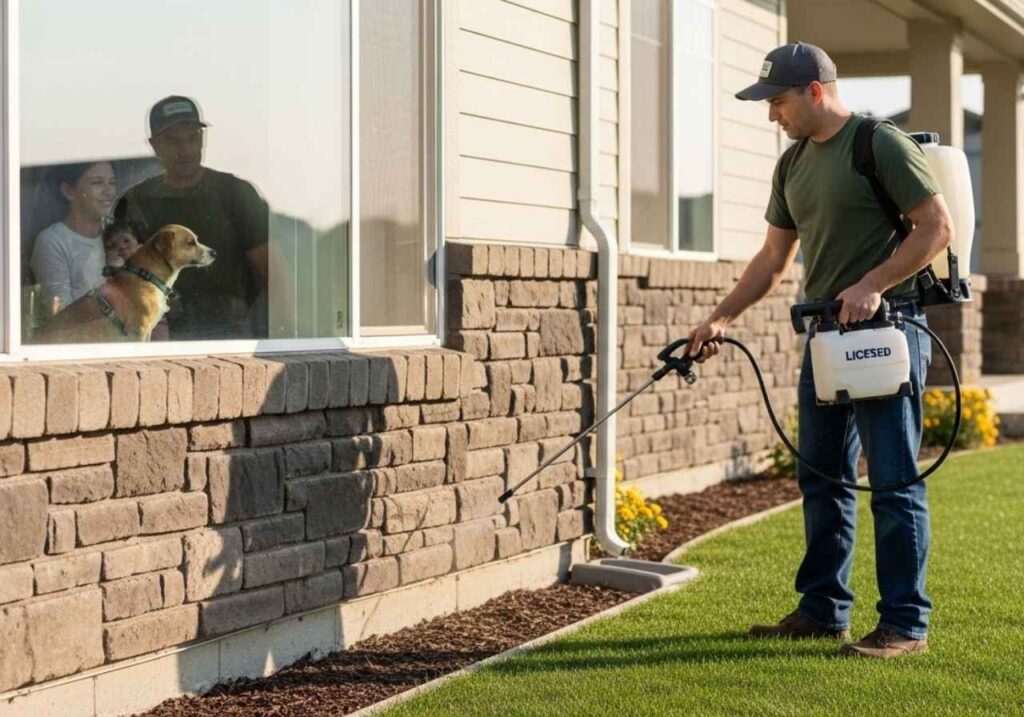
Safety First: What You Need to Know About Pets, Children, and Re-Entry
Safety comes first in every home we treat. Families in Southeast Idaho trust us to protect their children and pets, and we take that seriously.
Most treatments require a short dry time before normal activity resumes. Once products dry, treated areas are generally safe to re-enter according to U.S. Environmental Protection Agency pesticide label re-entry guidelines. We provide clear instructions before we leave.
We use targeted applications as part of Integrated Pest Management (IPM) practices as defined by the U.S. Environmental Protection Agency. That means carefully placing products where pests travel and nest rather than broadcasting chemicals throughout the home. Common application areas include:
- Exterior foundation lines
- Entry points and foundation gaps
- Crack-and-crevice interior areas
- Focused bait placements
We explain exactly where products are applied and why. No technical jargon. No confusion. If special precautions are needed, we discuss them clearly. Peace of mind matters just as much as pest reduction.
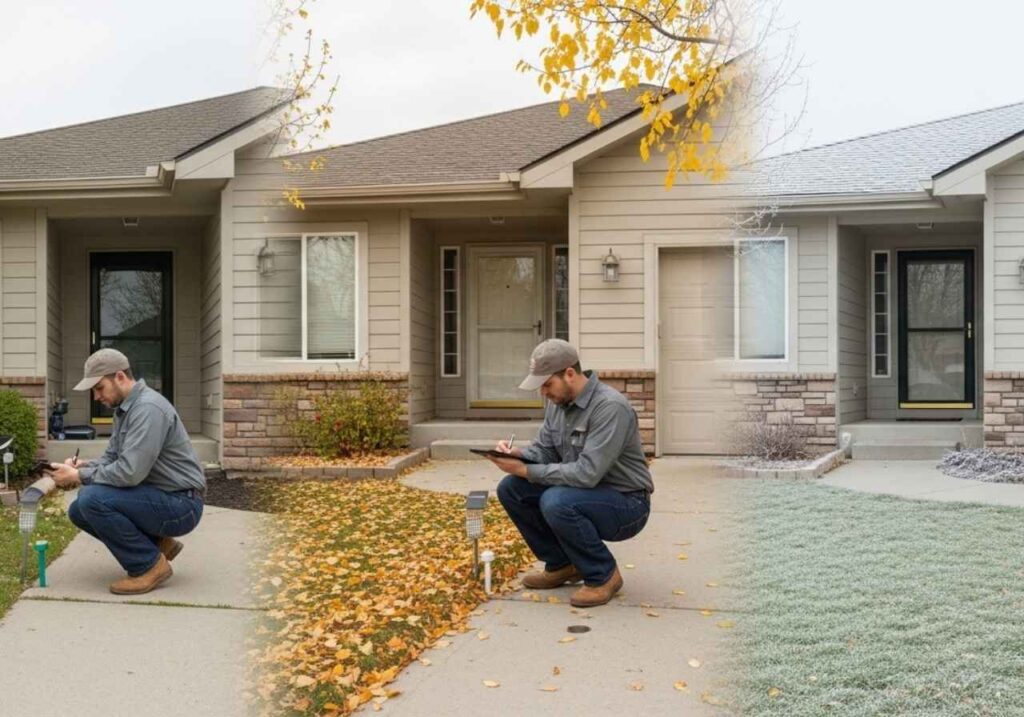
Why Follow-Up Visits and Ongoing Maintenance Matter for Long-Term Results
Long-term protection often requires follow-up visits. Seasonal pests in Southeast Idaho don’t disappear permanently after one service.
A one-time treatment may reduce immediate activity, but ongoing professional pest control provides consistent protection against changing seasonal pressure. Many homeowners choose routine residential pest control to prevent repeat infestations before they start.
Prevention strategies—such as sealing entry points and structural gaps following CDC recommendations for rodent-proofing homes—make the difference over time. We focus on sealing entry points, maintaining exterior barriers, and monitoring high-risk areas. Routine service helps manage ants in spring, wasps in summer, rodents in winter, and spiders year-round.
Homeowners often ask whether companies stand behind their work. We address that openly in our guide on pest control guarantees. Honest service and clear communication build trust.
Consistent care delivers better value than reactive treatments. If questions come up about timing or progress, we’re always ready to talk through the details.
For homeowners ready to take the next step, we’re happy to schedule an inspection and review a personalized results timeline. Reach out through our contact page, and we’ll help create a clear plan that protects the home and keeps expectations realistic from the start.
Frequently Asked Questions
Most homeowners in Idaho notice pest control results within 24–48 hours. However, full resolution often takes one to three weeks depending on the pest type and infestation size. Ant colonies and rodent populations require time for baits to circulate or for monitoring systems to work. Gradual reduction is normal, especially during peak seasons in Southeast Idaho.
A temporary increase in pest activity after treatment is common and usually means the products are working. Many treatments flush insects out of hiding or disrupt nesting areas. This makes pests more visible before populations decline. Activity typically decreases within several days as the treatment continues to affect the colony or population.
Ant control in Idaho typically takes one to two weeks for full colony elimination because bait must reach the queen. Mouse control can take one to three weeks depending on entry points and population size, especially when homeowners are wondering how long to get rid of mice Idaho properties typically require for full control. Reduced sightings often happen first, followed by steady decline as exclusion work and monitoring take effect.
Yes, Idaho weather significantly influences pest control timelines. Cold winters push rodents indoors, increasing activity, while warm springs and summers accelerate ant and wasp populations. Temperature and moisture levels also impact how pests behave and how treatments perform, which can slightly extend or shorten expected results.
You can speed up pest control results by improving sanitation, sealing cracks, and reducing clutter. Proper food storage and eliminating moisture sources also limit pest survival. Following technician instructions and scheduling recommended follow-up visits ensures treatments remain effective and helps achieve more consistent long-term protection.