
What’s the Difference Between Preventive and Reactive Pest Control?

Choosing between preventive and reactive pest control depends on both timing and objectives. Preventive control stops pests before they gain entry. Reactive control steps in once pests have already invaded. In Southeast Idaho, we use both strategies based on the time of year, type of pest, and how urgently a household needs relief.
Key Takeaways
- Preventive pest control relies on routine inspections and consistent treatment to block pest activity before it starts.
- Reactive pest control delivers immediate relief when pests become visible or start causing damage.
- Preventive options usually save money over time and offer consistent protection throughout the year, a trend supported by industry research from the National Pest Management Association.
- Reactive services handle urgent problems but may need repeated visits if deeper issues aren’t resolved.
- The most effective plan often mixes both styles to secure your space while staying ready for sudden issues.

Understanding the Core: What Preventive and Reactive Pest Control Really Mean
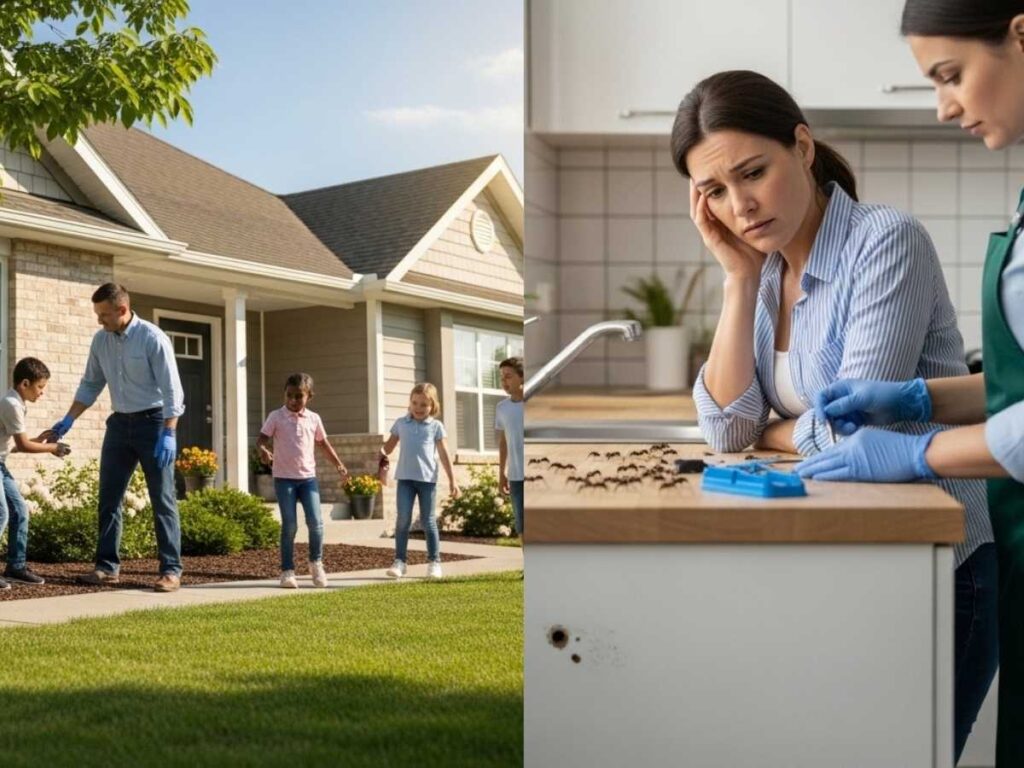
Preventive pest control is all about staying ahead of problems before they start. Think of it as a consistent strategy—one that keeps pests from ever finding a way into your home. This might include sealing foundation cracks, setting up seasonal spray schedules, or routine check-ins to look for early signs of trouble. For families in Southeast Idaho, preventive pest control is a go-to choice for keeping ants out of the kitchen and wasps away from porches before they become a headache.
Reactive pest control, by comparison, steps in once pests have already made themselves known. Picture this—you see ants crawling across the counter or hear a mouse in the attic. That’s when the response is swift and focused: treatments to control what’s already happening. It might mean removing a wasp nest right next to your deck or treating a line of ants heading for your pantry.
Each option has its place when comparing preventive vs reactive pest control. Preventive blocks the problem before it starts, while reactive responds after pests show up. If our goal is long-term comfort and minimal disruptions, both strategies can work—just at different times.
For more insight into what professionals handle during the first visit, check out our post on what pest control companies do on the first visit.
Pros and Cons: Matching the Right Strategy to Your Needs
There’s no one-size-fits-all approach here. Let’s explore the benefits and trade-offs by looking at both sides.
Benefits of Preventive Pest Control
Preventive approaches can set your home up for long-term success:
- Constant protection helps avoid sudden infestations.
- Usually lower overall cost than repeated emergency visits.
- Peace of mind is huge—especially for families with kids and pets.
- Supports healthy, comfortable living year-round.
That said, preventive programs usually require a little planning. They involve recurring service visits and regular monitoring, so they’re not the “one-and-done” option. If there’s a major pest event happening now, preventive won’t resolve it fast enough.
Strengths and Limitations of Reactive Treatment
Reactive pest control stands out in urgent situations:
- Immediate relief once pests are spotted.
- Lower initial cost if the issue is small or isolated.
- Ideal for one-off events like a sudden wasp invasion.
But here’s the catch:
- Problems can return if root causes go unchecked.
- Property damage or health risks associated with rodents and household pests, according to the CDC, might occur before treatment.
- Over time, repeated treatments may cost more than prevention.
So if avoiding repeat issues is your goal, we suggest combining both methods. Learn more about how long professional treatments last to help plan what’s right for your home.
Common Southeast Idaho Pests & When to Expect Trouble
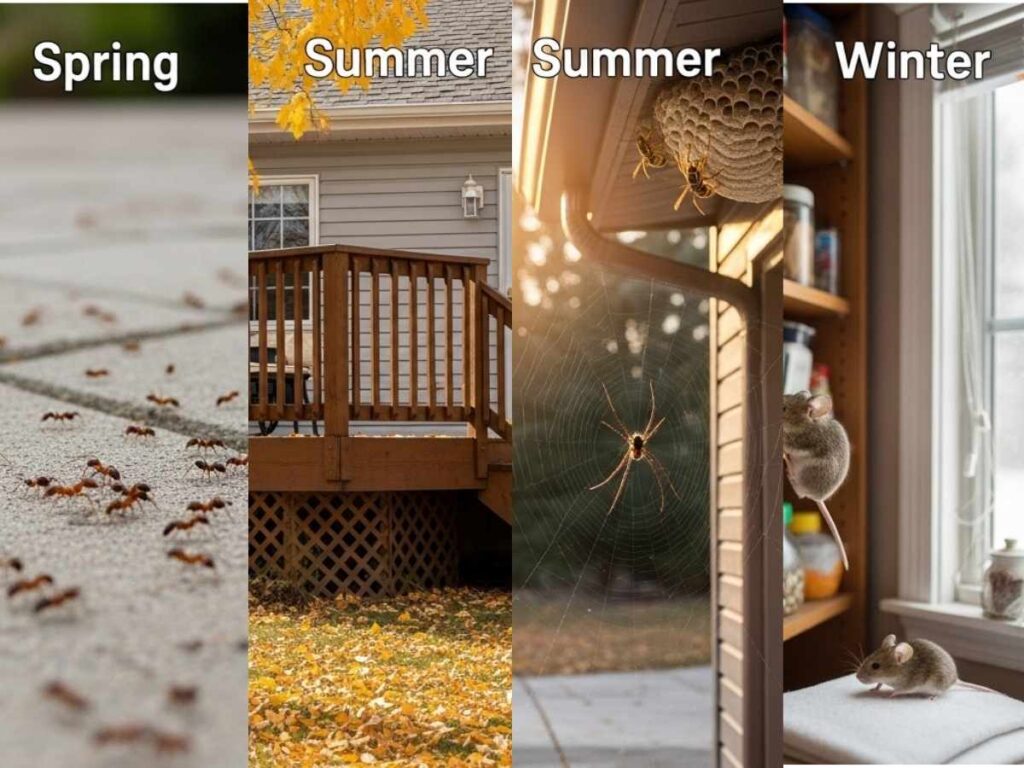
Idaho Falls, Rexburg, Blackfoot, and nearby communities each experience their own pest patterns. Here’s a breakdown of what we often see and when:
- Ants: These tiny invaders start nesting as early as spring. That’s why preventive ant control usually begins in April, before colonies expand.
- Wasps typically peak in late summer, as explained by regional university entomology departments studying wasp life cycles. Call us early if you want to avoid nests forming under eaves or decks.
- Spiders: In fall, spiders head indoors for warmth, showing up in garages and basements.
- Mice: As it gets colder, rodents look for indoor shelter. If you’re finding droppings in a shed or pantry, it’s time for immediate help.
We often recommend starting residential pest prevention early in the season to match these patterns, especially considering seasonal climate patterns reported by NOAA for Idaho. But if you’re already seeing activity? That’s the time for targeted reactive service, like our rodent control treatments or solutions for ant problems.

How Each Approach Works: Service Expectations and Safety
Whether you choose preventive or reactive pest control, you’ll get clear, professional service that fits your lifestyle and needs.
Preventive Pest Control: Routine and Assurance
With prevention, expect:
- Seasonal or quarterly visits to stay ahead of pest cycles.
- Focused treatments on potential entry points and high-risk areas.
- Transparent pricing and recommendations so you’re always in the loop.
Safety is key here—especially for homes with children or animals. We offer family-safe pest control solutions using low-toxicity or eco-friendly options, and we always explain what we’re using and why.
Reactive Services: Fast Action and Thorough Solutions
If you need us when pests strike, reactive service usually includes:
- An immediate inspection and targeted treatment.
- A short-term resolution that eases the problem quickly.
- Follow-up recommendations to prevent repeat events.
Need results that are guaranteed? Explore how we handle guaranteed pest control outcomes to learn what you can expect from our team.

What’s Right for Your Home? Factors to Consider
Here’s how we help families figure it out:
- Is there an active infestation? If yes, reactive is your best first step.
- Do you have children or pets? A preventive plan often offers cleaner, safer living.
- What’s your comfort level with risk? Some folks prefer consistent peace of mind. Others are okay waiting to act.
- Have pests returned more than once? In those cases, ongoing treatment makes more sense.
Think of it this way: Preventive might be your best bet if you want peace of mind year-round. But if there’s a new issue in your pantry this week, reactive control solves it fast—and we can discuss a prevention plan afterward.
For added help, many of our customers check out our post on whether pest control plans are worth it for long-term value.

We’re Here to Help—No Pressure, Just Honest Advice
At DeWebb, we live and work right here in Southeast Idaho. From Idaho Falls and Rexburg to Ammon, Rigby, and Pocatello, we know the local pest behavior and what works best in our climate.
Whether you’re just starting to think about a pest solution or already in the middle of one, we’re always available for a helpful chat. Reach out to us anytime—no pressure, just honest advice from a neighbor who understands your home.
If you’re comparing options, our article on monthly pest control fees can help explain how pricing supports lasting comfort.
No matter what, we’re here to offer trusted pest control in Southeast Idaho. Explore our full pest control services or check out tips specific to how long treatments last in our area.
Let’s keep your home safe, protected, and pest-free—together.
Frequently Asked Questions
Preventive pest control focuses on stopping pests before they enter or settle in a home, while reactive pest control treats an existing infestation. Prevention uses routine inspections and scheduled treatments to reduce risk. Reactive services respond after pests are visible, aiming to eliminate the immediate problem rather than long-term protection.
Preventive pest control is usually better for long-term protection and cost savings. It reduces the chance of infestations, limits property damage, and provides ongoing peace of mind. Reactive pest control is useful for urgent situations but may require repeated treatments if underlying causes, like entry points or nesting areas, are not addressed.
Reactive pest control is the right choice when there is an active infestation, such as ants in the kitchen or rodents in the attic. It provides fast relief and targeted treatment. Once the immediate issue is resolved, many homeowners switch to a preventive plan to avoid the same problem returning.
Yes, preventive pest control often saves money over time by reducing emergency service calls and limiting damage caused by pests. Regular treatments help stop infestations early, which is typically less expensive than repeated reactive visits. It also helps avoid repair costs linked to pests chewing, nesting, or contaminating living spaces, behaviors commonly documented by university extension pest management programs.
Yes, combining preventive and reactive pest control is often the most effective approach. Reactive treatment handles current pest problems, while preventive service reduces future risk. This combination offers immediate relief along with long-term protection, making it ideal for homes that experience seasonal pests or repeated infestations.