What’s the Difference Between Wasps and Hornets?
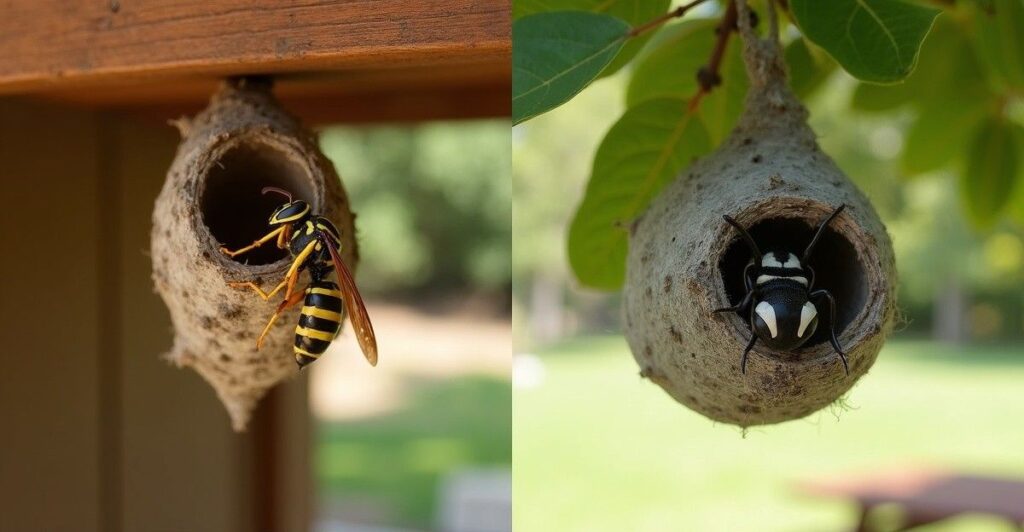
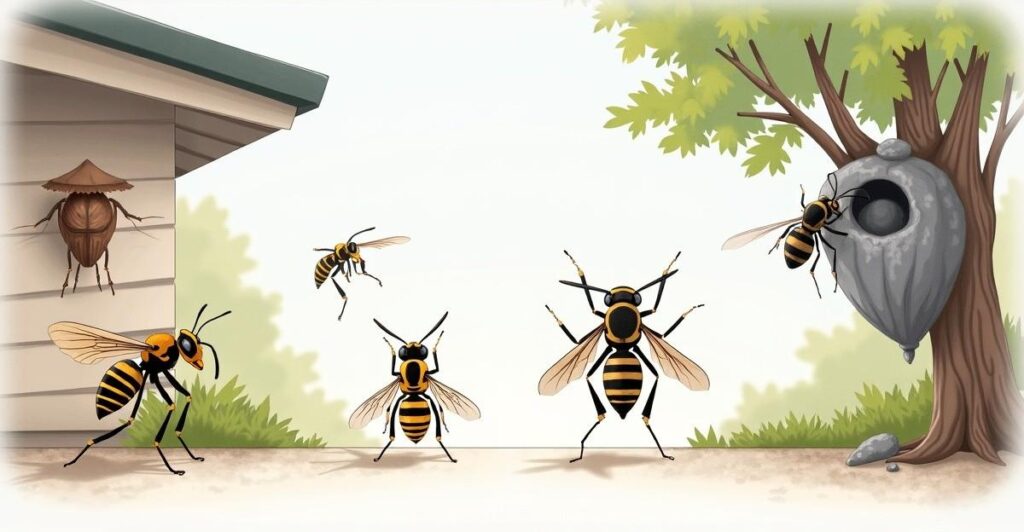
The difference between wasp and hornet is easy to see once you know their main traits. Hornets are larger and are a type of wasp in the genus Vespa. They have thicker bodies and darker brown, red, or white marks. Wasps are usually slimmer with bright yellow and black colors. Both insects build nests above ground, but hornets make large, closed paper nests in trees, while wasps often build smaller nests that may hang in open areas or sit underground.
At DeWebb Pest Control, we help homeowners handle wasp and hornet problems with care. Our team can inspect nests and find the right solution for your property. We work to keep your home safe from stinging insects.
What Is a Wasp?
A wasp is a small flying insect that can sting. Many people see wasps in yards, gardens, and near homes. Learning about wasps can help you understand the difference between wasp and hornet.
Wasps live in many places where people live. You may see them near trash cans, flowers, fruit trees, or outdoor food. They look for food and build nests in safe spots.
Physical Features of a Wasp
Wasps have thin and narrow bodies. Their waist is very slim, which makes them look long and sleek. Most wasps have bright yellow and black stripes. Some species may show brown or red colors. Their wings fold flat along their bodies when they land.
Wasps also have long legs that hang down when they fly. This makes them easy to notice in the air. These body features help people see the difference between hornet and wasp when they compare the two insects.
Wasp Behavior
Wasps stay busy during warm months. They fly around yards and gardens while they search for food or nest material. Many wasps protect their nests. They may sting if they feel danger near their colony.
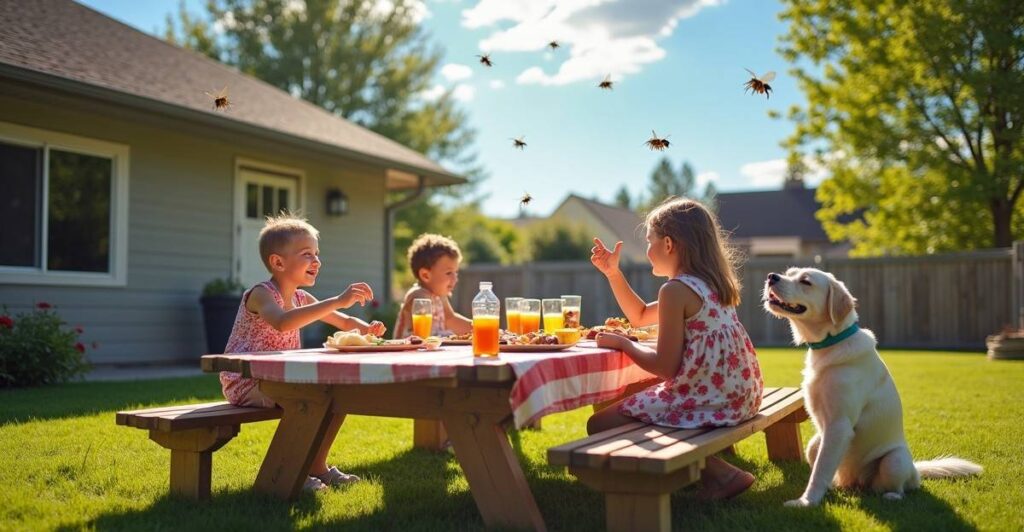
You may see wasps flying around outdoor food, soda cans, or fruit bowls. This happens often during summer and early fall. This activity around food is one way people start to notice the wasp and hornet difference when observing stinging insects near their homes.
What Wasps Eat
Wasps eat many kinds of food. Their diet helps them survive and raise their young.
Common foods include:
• small insects
• caterpillars
• spiders
• fruit
• nectar from flowers
• sugary drinks
Wasps often hunt pests that harm plants. In this way, they can help gardens stay healthy. But they also like sweet food. This is why they gather near picnics or outdoor meals.
Wasp Nest Types
Wasps build nests to protect their queen and young. They make nests by chewing wood and mixing it with saliva. This forms a gray material that looks like paper.
Common nest locations include:
• under roof edges
• inside wall gaps
• in tree branches
• under decks
• inside ground holes
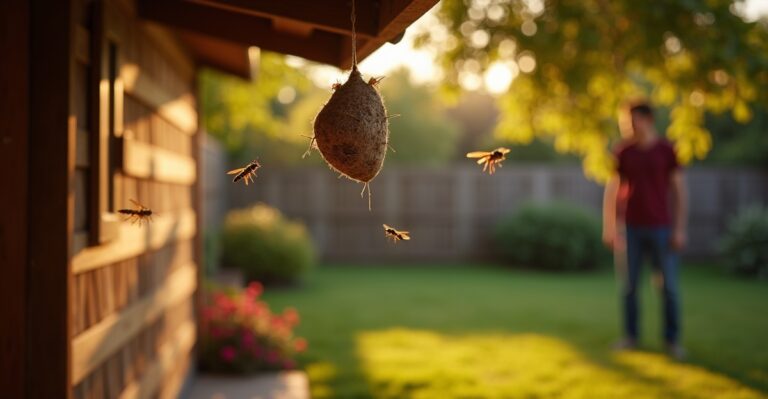
Homeowners often notice nests under porches or along roof lines. If you see many wasps flying in one spot, a nest may be nearby.
Common Wasps Found Near Homes
Several wasp species live close to houses and buildings.
Paper Wasps
These wasps build open nests that look like upside-down umbrellas. They often hang under roofs or porch ceilings.
Yellowjackets
Yellowjackets are very active and sometimes aggressive. They often build nests underground or inside walls.
Mud Daubers
Mud daubers make small mud tubes on walls or sheds. They rarely sting and usually stay calm. These species often live near people because they can find food and shelter around homes.
Understanding Wasp Colonies
Wasps live in groups called colonies. A colony starts with one queen in spring. The queen builds the first nest and lays eggs. As the season goes on, worker wasps grow and help care for the colony. The nest becomes larger by late summer.
This growth stage helps explain the wasp colony lifespan and why people see more wasps later in the season. By learning about wasps, homeowners can better understand the difference between wasp and hornet and recognize which insect may be near their home.
What Is a Hornet?
A hornet is a large stinging insect. It belongs to the wasp family. Many people first learn the difference between wasp and hornet when they notice how big a hornet looks.
Hornets often live in trees, roofs, and quiet parts of yards. They build large nests and live in groups called colonies. Their size and loud flight can make them seem scary.
Hornet Classification
A hornet is a type of wasp. Scientists place hornets in a group called Vespa. This means every hornet is a wasp, but not every wasp is a hornet. Hornets share many traits with wasps. They build paper nests and live in colonies with a queen and workers.
This is why many people compare hornet vs wasp when they try to identify the insect near their home.
Hornet Size and Appearance
Hornets are larger than most wasps. Their bodies are thick and strong. Most hornets have colors such as:
• brown
• dark red
• yellow
• white marks
They also have wider heads and strong jaws. Their large body makes them easier to see when they fly. When people compare insects in their yard, the size difference helps explain the wasp vs hornet question.
Hornet Nest Structure
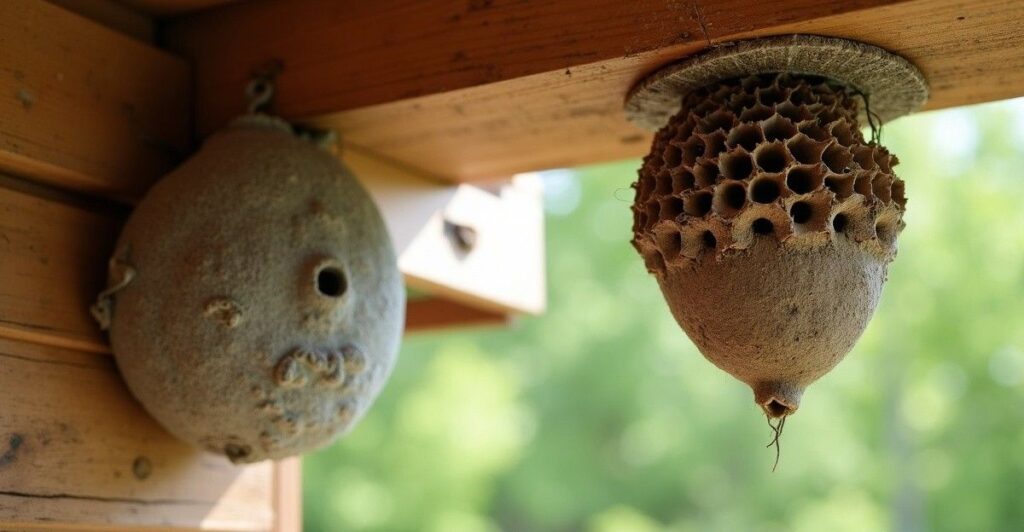
Hornets build large paper nests. They make the nest by chewing wood and mixing it with saliva. This creates a gray material that looks like paper.
Hornet nests often appear in places like:
• tree branches
• tall bushes
• roof edges
• sheds
• barns
The nest usually looks like a round or oval ball. It has a small entrance hole where hornets fly in and out. A hornet nest can grow very large by late summer.
Hornet Colony Behavior
Hornets live in organized groups. Each colony has a queen, worker hornets, and young hornets. The queen starts the nest in spring. Worker hornets then help expand the nest and gather food.
Hornets hunt insects such as flies and caterpillars. This helps control other pests in nature. Hornets usually avoid people unless they feel their nest is in danger.
Why Do Hornets Look More Intimidating?
Many people feel nervous when they see hornets. Their size and loud buzzing sound can make them seem more dangerous. Hornets fly in strong and direct paths. When several hornets guard a nest, the group can look threatening.
Because of this, homeowners sometimes search for quick solutions and ask questions like are DIY wasp sprays effective? In many cases, it is safer to let pest control experts remove hornet nests. This helps avoid stings and keeps the area safe.
Difference Between Wasp and Hornet
Many people see a stinging insect and feel unsure about what it is. Knowing the difference between wasp and hornet helps you identify the insect and stay safe around your home.
Both insects belong to the same insect family. Because of this, they share many traits. Still, they have clear differences in size, body shape, color, behavior, and nests.
People often ask, what is the difference between a wasp and a hornet when they see these insects near their yard, roof, or garden.
Difference Between Wasp and Hornet in Size
One of the easiest ways to tell them apart is size.
• Hornets are larger. Their bodies are thick and strong.
• Wasps are smaller. They usually look slimmer and lighter.
When a hornet flies near a nest or tree, its large body makes it easy to notice.
Difference Between Wasp and Hornet in Body Shape
Body shape also helps with identification.
• Wasps have thin bodies. Their waist looks very narrow.
• Hornets have thicker bodies. Their waist is less narrow.
Because of this, wasps often look long and sleek, while hornets look more solid and heavy.
Difference Between Wasp and Hornet in Color
Color patterns can also help you spot the insect.
• Wasps often show bright yellow and black stripes.
• Hornets often show brown, red, or yellow tones.
These colors warn other animals that the insect can sting.
Difference Between Wasp and Hornet in Behavior
Both insects are active during warm months. They search for food and protect their nests.
• Wasps often fly around food and trash.
• Hornets often stay close to their nest area.
Many homeowners notice wasps near outdoor meals, soda cans, or fruit bowls.
This is why people often search what is the difference between a hornet and a wasp when they see insects around their patio or yard.
Difference Between Wasp and Hornet in Aggression
Both insects can sting. However, their reactions often depend on the situation.
• Wasps may sting if they feel threatened.
• Hornets often defend their nest strongly.
A nest area is where stings are most likely to happen.
Difference Between Wasp and Hornet in Nest Type
Nests can also help you tell the insects apart.
• Wasp nests may hang under roofs, decks, or tree branches. Some species build nests underground.
• Hornet nests are often large round nests made from paper-like material.
These nests often hang from trees or tall structures. During warm months, nests grow larger. This is one reason wasps return every summer in many neighborhoods.

Why Wasps and Hornets Come Near Homes?
Many people notice stinging insects around their house during warm months. Food, smells, and safe nesting spots attract them. When you understand the difference between wasp and hornet, it becomes easier to know why these insects visit your property.
Wasps and hornets look for food, water, and shelter. Homes often provide all three. Small changes around your yard can make the area less attractive to them.
Sugary Drinks and Sweet Smells
Sweet drinks attract many stinging insects. Wasps and hornets can smell sugar from a distance. Common items that attract them include:
• soda cans
• fruit juice
• sweet desserts
• spilled drinks
Outdoor parties and picnics often draw these insects. If cups or cans sit outside for long periods, wasps may gather nearby. Keeping drink containers covered can help reduce visits from stinging insects.
Trash Cans and Food Waste
Trash bins are another common attraction. Food scraps and sweet liquids inside trash bags create strong smells. Wasps and hornets search for these smells while they look for food. Common trash items that attract them include:
• fruit peels
• meat scraps
• sugary containers
• leftover drinks
Closing trash lids tightly helps keep these insects away. Learning the difference between hornet and wasp can also help homeowners know which insect may be visiting the trash area.
Gardens and Flowering Plants
Gardens often attract wasps and hornets because flowers produce nectar. Nectar is a natural sugar source for many insects. Flowering plants also attract smaller insects, which wasps hunt for food.
Common garden areas that attract them include:
• flower beds
• fruit trees
• vegetable plants
• compost piles
Seeing insects in gardens does not always mean there is a nest nearby.
Outdoor Food and Backyard Meals
Outdoor meals can easily attract stinging insects. The smell of grilled food or sweet fruit spreads quickly in the air. Foods that attract them include:
• grilled meat
• fruit bowls
• candy
• sauces and sweet snacks
This is when people often notice the wasp and hornet difference, because both insects may appear near outdoor tables. Covering food and cleaning spills quickly can help reduce the chance of insects gathering.
Simple Ways to Prevent Wasps and Hornets
Small steps can make your home less attractive to these insects. Helpful prevention tips include:
• keep trash lids closed
• clean outdoor tables after meals
• store drinks in covered containers
• remove fallen fruit from the yard
• check roof edges and sheds for nests
If you notice frequent activity or a nest near your home, professional wasp pest control or hornet pest control may be needed. Understanding the difference between wasp and hornet can help homeowners react quickly and keep their property safe.
How to Tell If You Have a Wasp or Hornet Nest?
Many homeowners notice stinging insects near their house and wonder where they come from. Looking at the nest and the insects can help you understand the difference between wasp and hornet.
Wasps and hornets both build nests, but their nests and activity can look different. By watching a few simple signs, you may identify which insect lives near your home.
The table below shows common clues that help homeowners tell the difference.
| Sign to Observe | Wasp Nest | Hornet Nest |
| Nest Size | Wasp nests are often small to medium in size. Some nests stay about the size of a tennis ball or small plate. | Hornet nests are often larger. Many grow to the size of a basketball or bigger by late summer. |
| Nest Location | Wasps often build nests under roof edges, decks, or inside wall gaps. Some species also nest underground. | Hornets often build nests high in trees, bushes, or tall structures like sheds or barns. |
| Insect Size | Wasps are smaller and have slim bodies. Their narrow waist makes them look long and thin. | Hornets are larger and thicker. Their bodies look heavier and stronger than most wasps. |
| Activity Patterns | Wasps often fly around food, trash bins, or outdoor meals. You may see them moving quickly around patios and gardens. | Hornets usually stay close to their nest area. They fly in and out of the nest entrance while guarding the colony. |
Watching these signs can help homeowners notice the hornet vs wasp differences when insects appear near their yard.
If you see many insects flying in the same place, there may be a nest nearby. In many cases, people start asking about wasp vs hornet identification after seeing this repeated activity.
Understanding the difference between wasp and hornet helps you know when it may be time to contact a pest control expert for safe nest removal.

Why DIY Wasp or Hornet Removal Can Be Dangerous?
Many homeowners try to remove nests on their own. This may seem like a quick fix, but it can be risky. Knowing the difference between wasp and hornet is helpful, but safe removal still requires care and experience.
Wasps and hornets protect their nests strongly. When someone gets too close, they may attack to defend their colony.
Strong Nest Defense
Wasps and hornets guard their nests. If they feel danger, they may react fast. A person who sprays or hits a nest may trigger a defense response. Many insects may fly out at once.
This is one reason people ask what is the difference between a wasp and a hornet when they notice aggressive behavior near a nest. Both insects can sting more than once. Multiple stings can happen quickly if the colony feels threatened.
Risk of Colony Attacks
A nest can hold many insects. When the nest is disturbed, several wasps or hornets may attack at the same time.
This can make the situation dangerous. A single sting may hurt, but many stings can cause serious problems. Colony attacks happen most often when someone tries to remove or spray a nest without proper protection.
Allergic Reactions to Stings
Some people have strong allergic reactions to stings. Even one sting may cause swelling, breathing trouble, or other serious symptoms.
Because of this risk, many homeowners prefer professional help. Experts trained in residential pest control know how to remove nests safely. Understanding what is the difference between a hornet and a wasp may help identify the insect, but it does not remove the danger of stings.
Risk of Ladder Falls
Many nests appear in high places. They may hang under roof edges, tree branches, or tall structures.
Homeowners often use ladders to reach these areas. This can increase the risk of falling. If insects start flying or attacking while someone stands on a ladder, the person may lose balance and fall.
Safer Option for Nest Removal
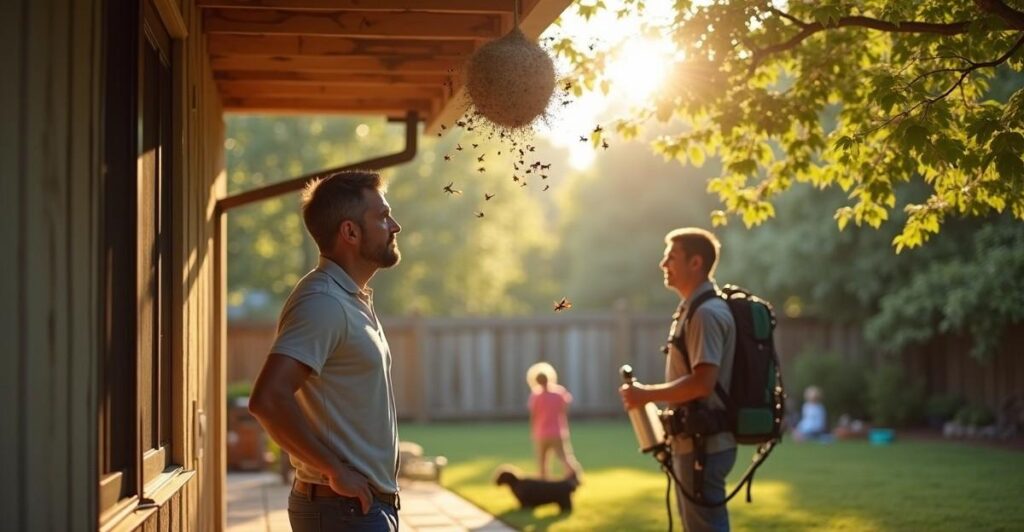
Because of these risks, professional pest control is often the safest choice. Experts have the tools and safety gear needed to handle stinging insects. Knowing the difference between wasp and hornet helps identify the pest, but trained technicians know how to remove nests without putting people at risk.
Professional Wasp and Hornet Control
Removing a nest can be risky. Trained experts know how to handle stinging insects safely. Understanding the difference between wasp and hornet helps identify the pest, but safe removal still requires proper tools and training.
At DeWebb Pest Control, trained technicians help protect homes and businesses across Southeast Idaho. The team uses safe methods and proven treatments to remove nests and prevent pests from returning.
Safe Nest Removal
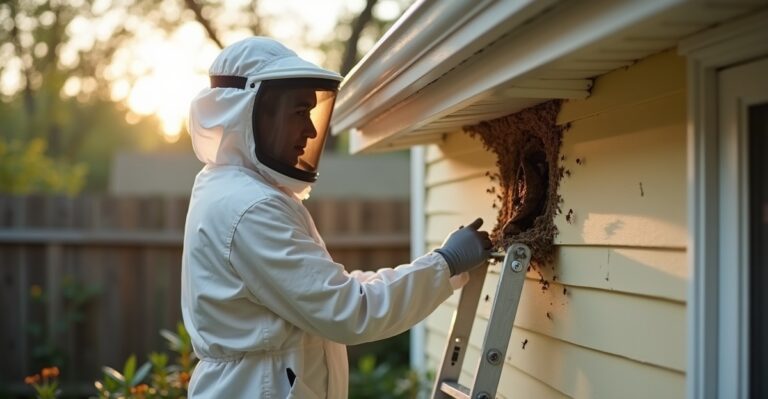
Wasp and hornet nests can grow large during warm months. Many nests hide under roofs, inside walls, or high in trees. Professionals know how to remove these nests safely. They wear protective gear and use the right treatment methods. This process lowers the risk of stings and helps keep your family safe.
Prevention Strategies for Long-Term Protection
Removing a nest is only part of the solution. Prevention helps stop new colonies from forming. Pest control experts inspect the property and look for areas where insects may build nests.
Common prevention steps include:
• checking roof edges and wall gaps
• sealing small openings around the home
• removing food sources that attract insects
• treating areas where nests often appear
These steps help reduce the chances of future infestations.
Residential Pest Control for Homes
Homes often attract stinging insects during spring and summer. Food, gardens, and outdoor trash can bring wasps close to the house. Professional residential pest control helps remove nests and protect the property.
When experts inspect your home, they can also explain the difference between hornet and wasp so you understand what insect is present.
Commercial Pest Control for Businesses
Businesses also face problems with stinging insects. Restaurants, offices, and outdoor spaces may attract wasps and hornets. Professional commercial pest control helps keep these areas safe for customers and staff. Technicians remove nests and monitor the property to reduce future problems.
Contact DeWebb Pest Control for Help
If you see wasps or hornets near your home, it is best to act early. Experts can inspect the area and remove nests safely. At DeWebb Pest Control, local technicians provide thorough pest control services across our service areas in Southeast Idaho, including Idaho Falls, Rigby, Rexburg, Ammon, Blackfoot, Pocatello, and Ririe, with family-safe treatments and affordable plans.
Call: 208-403-0751
Email: info@dewebbpestcontrol.com
Hours: Mon–Fri, 9:00 AM – 5:00 PMYou can also schedule your first service and get 50% off. Learning the wasp and hornet difference helps you spot the problem early, but trained professionals make sure the nest is removed safely and completely.
FAQs
The main difference between wasp and hornet is their size and body shape. Hornets are larger and thicker. Wasps are usually slimmer and smaller.
Both insects can sting. Hornets may look more intimidating because they are bigger. However, both hornets and wasps will usually sting only when they feel threatened.
Wasps often build nests under roofs, decks, or inside walls. Hornets usually build large round nests in trees or high places.
Wasps and hornets look for food, water, and safe places to build nests. Sweet drinks, trash cans, fruit, and outdoor food can attract them.
It is safer to call professionals like DeWebb Pest Control. Experts have the tools and safety gear to remove nests without putting people at risk.