Why Are Mosquitoes Attracted to Standing Water?
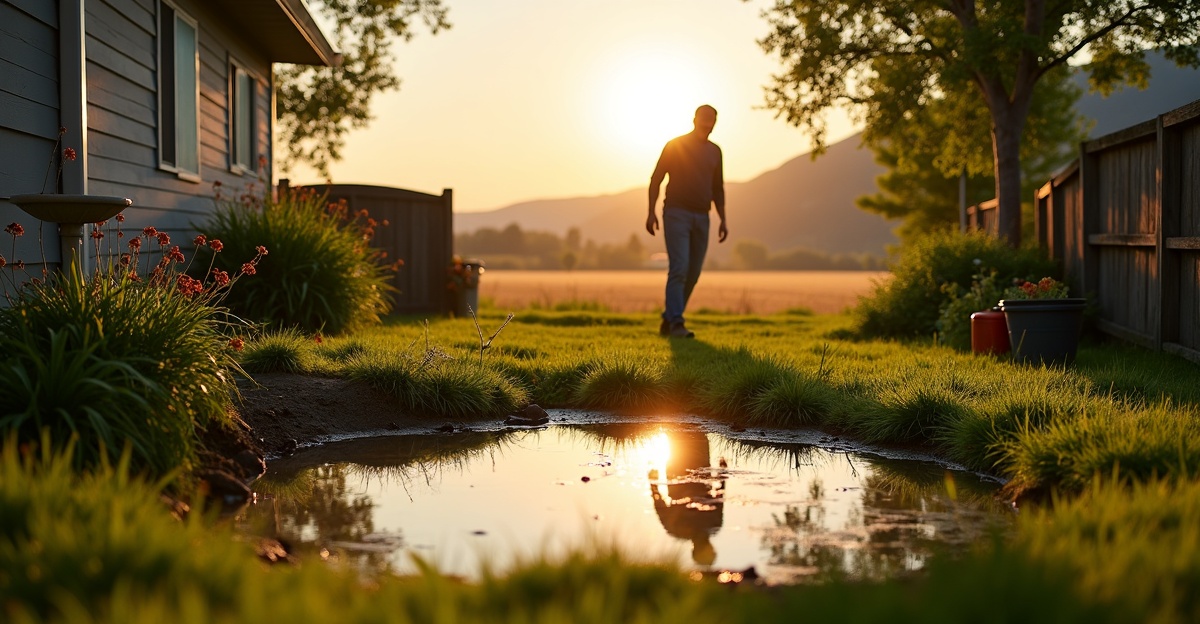
Mosquitoes and standing water in Idaho are directly linked because stagnant water gives female mosquitoes a calm, protected place to lay eggs. We often see larvae develop into biting adults in as little as 7–10 days. In Southeast Idaho, snowmelt, irrigation runoff, clogged gutters, and small containers of pooled water create prime breeding sites. We see mosquito activity rise fast as temperatures climb.
Key Takeaways
- Standing water creates a stable environment where mosquito eggs, larvae, and pupae develop quickly, often completing the life cycle in 7–10 days.
- Mosquitoes breed in very small amounts of water, including clogged gutters, birdbaths, window wells, buckets, and low spots in yards.
- In Southeast Idaho, snowmelt, irrigation systems, thunderstorms, and nearby agricultural canals increase seasonal mosquito pressure.
- Weekly maintenance such as dumping standing water, adjusting irrigation, clearing gutters, and regrading pooling areas breaks the breeding cycle.
- If mosquitoes persist after we remove visible water sources, hidden moisture zones or nearby untreated areas may call for professional inspection and targeted treatment.
Why Standing Water Is a Perfect Breeding Ground for Mosquitoes
Standing water gives mosquitoes exactly what they need to reproduce. The reason why mosquitoes breed in standing water is simple: it provides a calm, protected place for eggs and developing larvae to survive.
Female mosquitoes lay their eggs directly on or near stagnant water. Once those eggs hatch, mosquito larvae in water begin feeding and growing. They remain in that water through the pupal stage before emerging as flying adults. Under warm conditions, this full life cycle—eggs to larvae to pupae to adult mosquitoes—can be completed in as little as 7–10 days, according to the Pure Solutions.
That short timeline explains why mosquito populations can seem to explode overnight.
It doesn’t take much water, either. Breeding can occur in as little as a bottle cap of water. Small puddles, clogged gutters, and shallow containers all qualify. For more detail on how little water they actually need, see our article on mosquito breeding in small puddles.
Still water is ideal because it protects eggs and larvae from being washed away. Moving streams and fast-flowing water disrupt development, while stagnant water keeps them concentrated and safe. That’s why mosquitoes and standing water in Idaho go hand in hand during the warmer months.
The good news is this: once we understand how reproduction works, the issue becomes manageable. Interrupt the standing water, and we interrupt the life cycle.
Why This Problem Is So Common in Southeast Idaho
Mosquitoes in Southeast Idaho follow a clear seasonal pattern. Activity typically ramps up in late spring and peaks through summer. Several local factors drive that surge.
Spring snowmelt creates temporary pooling water in yards, fields, and low-lying areas, a seasonal pattern documented by the KTVB7 of Water Resources. Those shallow pools may last just long enough for larvae to mature. Irrigation systems add another layer of pressure. Lawn watering and irrigation runoff are common contributors to breeding.
Afternoon thunderstorms combined with cooler evening temperatures allow water to linger longer in shaded areas. That extends the window for egg development.
Rural and agricultural features increase pressure as well. Agricultural canals, drainage ditches, and irrigated farmland around Rexburg, Idaho Falls, Ammon, Blackfoot, Rigby, Pocatello, and Ririe create widespread breeding zones. Even if standing water isn’t visible in a yard, nearby sources can send adult mosquitoes flying in.
This mix of agriculture, residential irrigation, and open land makes mosquito control in Southeast Idaho particularly important.
Different properties experience mosquito pressure differently. For insight into yard factors that affect activity, read about what types of yards mosquitoes prefer. If certain summers feel worse than others, weather patterns play a major role, as explained in why mosquitoes are worse in certain summers.
Understanding local conditions makes it easier to take practical, effective steps.
Common Sources of Standing Water Around Idaho Homes
Most mosquito breeding sites are hiding in plain sight. During Idaho mosquito season, walking the property weekly to check for standing water can make a major difference. Focus on these common problem areas to get rid of standing water in your yard:
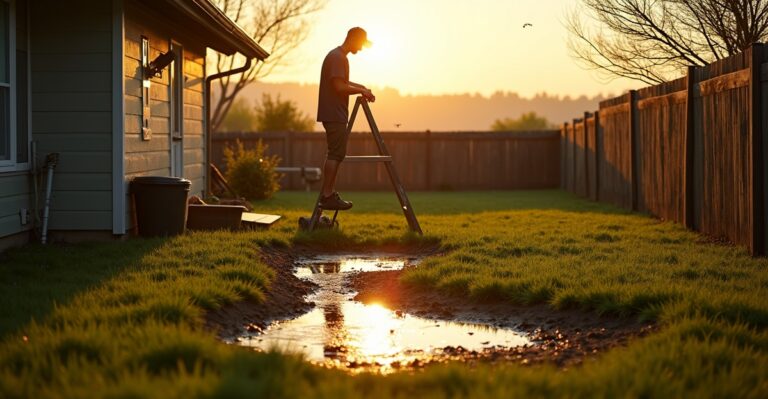
- Clogged gutters that trap rainwater along rooflines.
- Birdbaths and decorative ponds that are not refreshed regularly. For additional strategies, review tips on reducing mosquitoes near water features.
- Overwatered lawns that leave pooling near foundations or in low spots.
- Kiddie pools, buckets, toys, and wheelbarrows that collect rainwater.
- Sagging tarps covering equipment or woodpiles.
- Window wells that fill after storms and drain slowly.
A simple weekly check can prevent an entire generation of mosquitoes from developing.
How to Prevent Mosquito Breeding in Your Yard
Stopping mosquito reproduction starts with consistent habits. Small weekly actions can interrupt the 7–10 day development cycle and prevent adults from emerging.
Weekly Prevention Checklist
Use this routine throughout mosquito season:
- Dump and refresh birdbaths every 2–3 days.
- Clear gutters at least twice per season, more often if trees are nearby.
- Adjust irrigation timers to prevent oversaturation and runoff.
- Fill or regrade low areas where water repeatedly pools.
- Store or tightly cover outdoor items so water cannot collect.
Each action removes or refreshes water before larvae can complete development. Interrupting that narrow window significantly reduces mosquito numbers.
For persistent water sources that cannot be drained, such as ponds or rain barrels, consider mosquito dunks labeled safe when used as directed around pets and children. Always follow product instructions carefully. Safety for children and pets should remain the top priority when applying any treatment.
These steady, practical actions form the foundation of how to prevent mosquito breeding in your yard across Southeast Idaho.
When DIY Prevention May Not Be Enough
Some situations require additional support.
Recurring swarms despite removing visible water sources may indicate hidden breeding areas. Large rural properties near canals or farmland often experience continual migration from surrounding land. Neighboring untreated standing water can also contribute.
Idaho’s mosquito season is relatively short but can become intense quickly. A few warm weeks combined with irrigation and snowmelt may overwhelm even proactive homeowners.
If noticeable mosquito activity continues after standing water has been addressed, it may signal concealed moisture sources such as shaded drainage zones or overlooked containers.
In these cases, professional mosquito control in Idaho can help evaluate the property thoroughly and identify what may be missed. The goal is targeted, practical solutions—not unnecessary treatments.
Homeowners can also benefit from understanding health considerations during peak season. For more insight, review how dangerous mosquitoes are in Idaho summers.
How Professional Mosquito Control Protects Your Southeast Idaho Yard
A structured approach makes a clear difference.
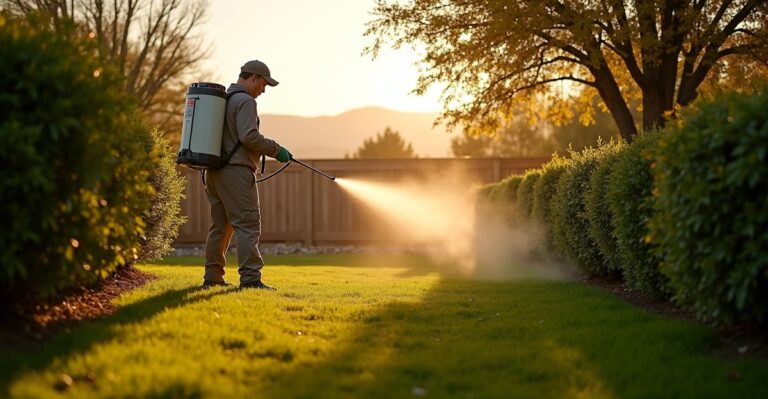
With our mosquito control services, we begin with a detailed property inspection. We look for hidden breeding areas, moisture buildup, irrigation runoff issues, and shaded zones where adult mosquitoes rest.
Next, we apply targeted treatments focused on active areas. Treatments are timed around Idaho mosquito season for consistent protection. Our applications are family- and pet-conscious, and we clearly explain what is being used and why.
Local experience matters. Understanding regional snowmelt patterns, irrigation practices, and agricultural influences allows us to anticipate mosquito pressure before it becomes overwhelming.
Homeowners seeking dependable seasonal protection can schedule an inspection through our contact page. With the right plan in place, standing water becomes manageable—and mosquito season feels far more under control.
Frequently Asked Questions
Mosquitoes are attracted to standing water because it provides a calm environment where females can safely lay eggs. In Idaho’s warmer months, stagnant water from snowmelt, irrigation runoff, or rain allows mosquito eggs to hatch and develop without being disturbed by currents. These conditions help larvae mature quickly, often completing their life cycle in about 7–10 days.
Mosquitoes need very little water to reproduce—sometimes as little as a bottle cap or small puddle. Common breeding spots include clogged gutters, birdbaths, buckets, and yard containers that collect rainwater. Because mosquito larvae develop in shallow, stagnant water, even small unnoticed pools around Idaho homes can support mosquito breeding.
Moving water usually discourages mosquito breeding because it disrupts eggs and larvae before they can mature, as explained by university entomology extension programs such as University of Idaho Extension. Mosquitoes prefer stagnant or slow-moving water where their developing stages remain protected. In Idaho yards, sources like clogged gutters, still ponds, irrigation runoff, and standing puddles create the ideal environment for mosquito reproduction.
Mosquito populations increase during Idaho summers because warmer temperatures speed up their development cycle. Seasonal factors like snowmelt, irrigation systems, thunderstorms, and agricultural canals create temporary pools of standing water. These water sources allow mosquito eggs to hatch and develop quickly, leading to noticeable population spikes in late spring and summer.
The most effective way to stop mosquito breeding is to remove or refresh standing water regularly. Dump containers, clean gutters, adjust irrigation to prevent pooling, and refill birdbaths every few days. These actions interrupt the mosquito life cycle before larvae become adults, helping reduce mosquito activity around Idaho homes and yards.