Why Do Ants Keep Coming Back After Treatment?
Seeing ants again after treatment feels frustrating, but it often leaves people wondering why do ants keep coming back, even when things seem clean. Most often, ants return because the queen remains alive or the conditions that drew them in haven’t changed.
Key Takeaways
- Ant nests often stay tucked away inside walls, beneath concrete, or hidden outdoors. Surface treatments alone usually can’t reach deep enough to solve the issue permanently.
- Ants come back when food sources—like crumbs, pet dishes, or grease—stay accessible inside. Keeping a clean kitchen and secure pantry is key.
- New ants can enter through cracks in the foundation, gaps in siding, or windows that aren’t completely sealed, making it important to learn how to stop ants entering windows before infestations return. These small openings allow them to return even after a thorough treatment.
- Climate shifts and seasonal changes, especially throughout Southeast Idaho, drive ants to seek warmth and moisture indoors.
- To stop infestations long-term, we recommend using professional-level treatment, blocking entry points, clearing up attractants, and committing to regular inspections.
Why Ants Keep Coming Back After Treatment
Ants are persistent, and it’s not uncommon for them to reappear even after a treatment. We understand how frustrating that can be. If they’ve come back, it doesn’t mean your last treatment didn’t work—it just means there’s a bit more to address.
Common Reasons Ants Keep Returning
There are several key reasons these tiny invaders may keep reappearing. Knowing the causes helps us deliver more effective, lasting solutions.
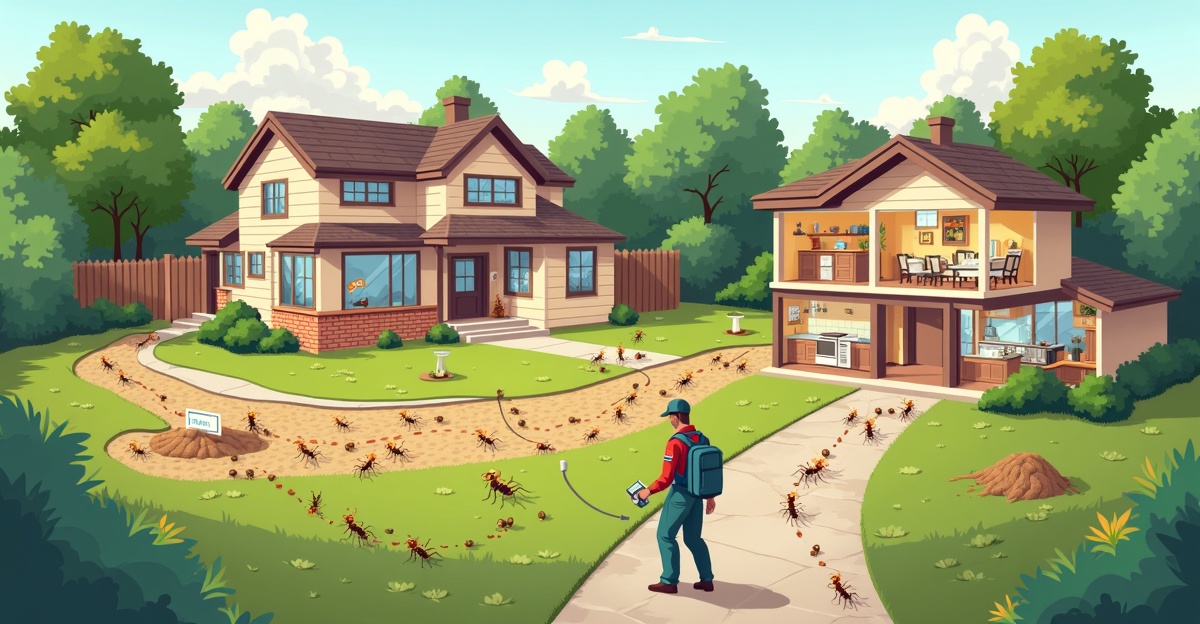
- Hidden Nesting Sites: Ant colonies can be tucked away deep in walls, under patios, or in crawl spaces. A surface-level treatment might target the visible foragers, but not the main colony. Unless the queen is eliminated, the colony can rebuild, as explained in university research on ant colony structure and reproduction.
- Multiple Colonies: Some ant species, like odorous house ants or Argentine ants, form interconnected supercolonies. Even if we wipe out one, another nearby one might move in quickly.
- Scent Trails and Food Sources: Ants leave pheromone trails behind to help others find food, which explains why do sugar ants keep coming back to the same sweet spills or pantry items, a behavior well documented in entomology research on ant pheromone communication. Indoor crumbs, grease residue, pet food, or improperly sealed pantry items can keep drawing them back.
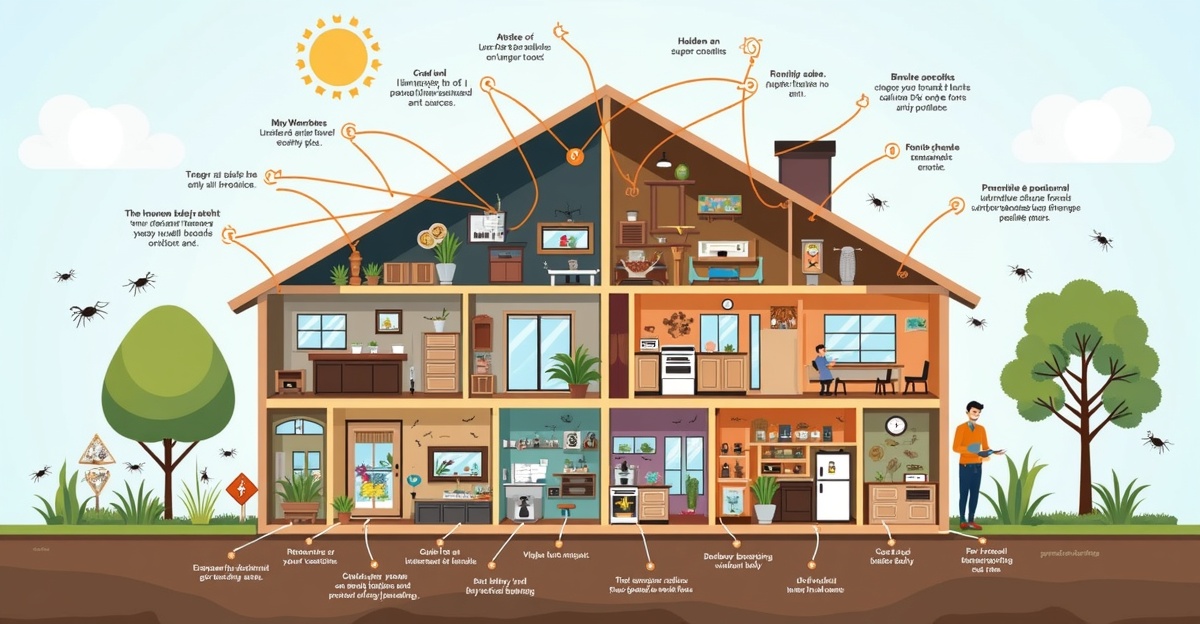
- Structural Gaps: Cracks in foundations, poorly sealed windows, or splits in siding create easy access points, which is why it’s important to know how to stop ants entering windows before infestations return. If we don’t stop their entry, treatments become temporary fixes.
- Weather and Seasonal Shifts: Ant activity tends to spike in warmer months and during droughts. In Southeast Idaho, changing conditions can push ants to find shelter and food indoors, especially during seasonal shifts documented by the National Weather Service’s Southeast Idaho climate data. Learn about the best times for pest control to get ahead of seasonal outbreaks.
- DIY or Short-Term Treatments: Store-bought sprays may kill on contact, but they often repel ants without killing the colony—one reason ants keep coming back after spraying. That gives ants time to relocate and return later. Professional-grade products and techniques provide a deeper solution.
Every home is different, which is why we always take the time to listen and inspect before recommending the right plan.
What You Can Do After Treatment
We always encourage our neighbors to take a few simple steps after we finish a service. These small changes can help make a big difference in keeping ants from returning.
- Seal Up Cracks and Gaps: Focus on entry points like baseboards, windows, and where pipes enter walls.
- Manage Moisture: Ants love damp environments. Repair leaky faucets, tighten plumbing, and use a dehumidifier where needed.
- Keep Food Secure: Store pantry items in airtight containers. Regularly wipe down countertops and vacuum crumbs.
- Empty Trash Often: Keep garbage bins sealed tightly. Take out the trash before it overflows, especially in warmer weather.
- Trim Back Vegetation: Ants often trail in from outside. Keep trees and shrubs trimmed so they don’t touch your house.
- Track Ant Activity: Let us know if you see any trails reappearing. Noting where and when you spot ants can help us pinpoint the source faster.
If you’re still seeing ants despite your best efforts, it may be time to explore options like our targeted ant control services that focus both inside and out.
When Follow-Up Treatment Matters
For tougher species like carpenter ants or pavement ants, a single treatment might not be enough—which often leads homeowners to ask, will carpenter ants come back after treatment? Some nests can be massive or split across locations. If you’re dealing with carpenter ants specifically, we recommend exploring our carpenter ant treatment options for long-term solutions.
Our goal is always to reach the source so that colonies don’t repopulate. That may require reapplication, bait station maintenance, or adjusting our strategy based on your property and the kind of ant.
The good news? We’re in this together. A call to us means we’ll return if needed and work until the problem’s resolved for good.
Looking at the Big Picture
In some cases, ant issues are part of a broader pest problem. If you’ve had other bugs around or noticed ants near garages or sheds, they might be drawn by other insects or food sources nearby. Learn more about what might attract pests like ants and mice in our blog on what attracts mice into garages and sheds, since these same issues can bring ants too.
Whether you need occasional help or steady protection, our residential pest control plans offer peace of mind year-round. We treat your home like it’s our own—safe, protected, and ready for the seasons ahead.
Reasons Ants Return After Treatment
Incomplete Elimination of the Colony
Ant infestations often go deeper than what we can see. Spot-treating visible ants might reduce the population briefly, but it won’t address the root of the problem—answering why do ants keep coming back after I kill them.
The real issue lies in the colony—especially the queen. If the queen survives, she’ll continue laying eggs, and before long, the trail of ants reappears.
A common reason ants keep coming back is that store-bought sprays and DIY treatments may only affect workers. These workers represent a tiny fraction of the colony. Without reaching the heart of the colony or breaking the trail they follow, ants will simply regroup and return. In some cases, using the wrong kind of treatment can scatter the colony, making the problem worse instead of better.
That’s why we take a full-colony approach when treating ants, especially challenging ones like pavement ants or odorous house ants. With targeted ant control, we aim to go beyond treating symptoms—we work to eliminate the cause.
Environmental and Structural Factors
Even with professional treatment, certain features in and around a home or business can invite ants right back, which is often the reason why ants keep coming back despite your best efforts. They’re looking for the same things we value—food, water, and shelter. Understanding what draws them in is key.
Here are a few common reasons ants continue to reappear:
- Food Sources: Unsealed snacks in the pantry, pet food left out, crumbs under appliances, and even sticky residue on jars can be enough to encourage a return.
- Water Access: Ants can survive on tiny amounts of water. Leaky faucets, damp basements, or condensation around pipes can create an ideal environment.
- Entry Points: Cracks in the foundation, gaps around windows and doors, or even utility lines offer easy access. If the entry routes aren’t sealed off, ants may follow the same trail back in.
- Outdoor Conditions: Nearby mulch beds, firewood stacks, or overgrown landscaping can serve as shelter and staging areas close to your home or building.
In Southeast Idaho, weather shifts can also play a role. Dry spells drive ants indoors for water, and sudden warmth can trigger a new surge in activity. It’s one reason the best time for pest control in Southeast Idaho often lines up with the changing seasons.
Once we’ve identified these conditions, prevention becomes much easier. We’ll walk through your property and flag trouble spots with simple, practical fixes—from moisture control to sealing cracks.
Lack of Ongoing Maintenance and Prevention
One-time treatments may offer short-term relief, but ants often require ongoing attention, which helps explain why do some pests return so often after treatment. That’s because they adapt quickly and can rebuild colonies faster than you’d expect. Without maintenance, seasonal changes and environmental shifts can undo earlier efforts.
There are a few reasons regular treatments and inspections make a big difference:
- Ant colonies can resettle near their original spot once the area becomes safe again.
- New colonies may form in different areas of your home or property.
- Outdoor nests often remain unnoticed and keep sending scouts back inside.
Continuous service protects against these cycles. As a part of our residential pest control, we offer routine check-ins designed to stay ahead of re-infestations. We don’t just treat—we monitor, adjust, and adapt based on current conditions.
For those managing a workspace or public building, commercial ant control includes similar safeguards with added flexibility to suit business hours and operations.
If ants keep coming back even after treatment, it might be helpful to learn about how long a professional service typically remains effective. We touch on that in our article about how long professional pest treatments last.
In some cases, persistent pests mean there are issues in overlooked areas such as garages and sheds. You can learn more about what draws ants—and others like mice—to these quieter spaces in our breakdown on what attracts mice into garages and sheds. The behaviors often overlap.
Our goal is peace of mind—not just a quick fix. We’ll help you create a living environment that makes ants think twice about coming back. If you’ve had enough of playing whack-a-mole with ant trails and mystery return visits, let’s talk. You can reach us anytime through our contact page. We’re ready to help you reclaim your space.
How to Prevent Ants from Coming Back
We’ve treated your home, cleared the ants, and restored your peace of mind—but what can we do to make sure they don’t come creeping back? Staying ant-free takes more than just a single treatment. It’s about consistent care, smart habits, and sometimes small changes that make a big difference.
Seal Entry Points
Ants are tiny and clever. If there’s a way inside, they’ll find it. That’s why getting serious about sealing up your home is so important. We recommend checking for gaps, cracks, and loose seals around:
- Windows and doors
- Foundation lines and baseboards
- Utility and plumbing entry points
- Vents and dryer exhausts
Use silicone caulk, weather stripping, or fine mesh screens to close those gaps. A little effort now keeps a whole colony out later. Plus, regular exterior inspections after each season change can help catch new problem areas before they turn into active trails.
Control Moisture and Food Sources
Ants are on the lookout for two things—food and water. If they find it around your house, there’s a good chance they’ll try to move in. Here are a few habits to help cut off their supplies:
- Keep countertops wiped down and crumb-free
- Store food (including pet food) in sealed containers
- Fix leaky faucets, pipes, and hose spigots promptly
- Empty standing water from plant trays or buckets
- Keep trash bins covered and take out the garbage regularly
Dry homes with tight food control aren’t attractive to ants. Honing in on these simple steps can put a quick end to re-infestation risks.
For homes in Southeast Idaho, learning the best time for pest control helps plan seasonal ant prevention before they even show up. Timing and preparation really matter.
Maintain Outdoor Perimeter Protection
Your front yard might look peaceful, but if ants are nesting under mulch beds, tree roots, or foundation slabs, they’re just one step from getting inside.
A proactive approach to your yard makes your whole home less inviting:
- Keep mulch and soil pulled back a few inches from your home’s foundation
- Trim branches and vegetation touching your siding or roof
- Remove leaf piles, logs, and debris from your perimeter
- Address moisture-rich areas near irrigation systems or hoses
We also apply long-lasting barrier treatments to foundations, sidewalks, and entry zones that help defend your home season after season. Consistency is key, so don’t skip the maintenance application your technician recommends. If you’re not sure where to begin, you can always reach out through our contact page for a consultation.
Stick With a Regular Pest Control Schedule
Here in Idaho, ants can be persistent. One-time treatments help knock back activity, but long-term prevention works best with recurring service. A dependable pest control plan ensures you’re always one step ahead—especially during peak activity months.
Our residential pest control service includes routine inspections and pest treatments that stay ahead of their cycles. Not only do we treat what’s visible, but we also get to the root of infestations and monitor for signs of return.
And if you’re wondering how long those results stick, we cover that in this piece on how long professional pest treatments last. With proper upkeep, many treatments offer strong coverage for months.
Know When to Call in the Experts
DIY traps or sprays can help with temporary relief, but if ants keep coming back, it’s likely there’s a nest—or two—hidden behind walls, under foundations, or just outside your home.
Spotting new activity? Regular trails in the same place? That’s a sign there’s more going on. Carpenter ants, especially, bring more serious risks to wood and structure, as detailed in university extension guidance on carpenter ant damage, so it’s important to act fast. Our licensed technicians specialize in carpenter ant control and know how to uncover the hidden colonies causing repeat visits.
Using professional-grade solutions and safe techniques, we’ll treat the problem at the source and develop a plan that fits your property’s unique needs. If ants return between scheduled treatments, we’ll come back out and make it right—no extra charge.
Prevention doesn’t have to be complicated. It just takes the right habits and a partner who’s got your back. Whether you’re new to pest control or already on a plan, we’re here to help make those ants stay gone. If you’d like to learn more about the types of ants we handle, visit our ant control page.
Frequently Asked Questions
Ants often return after pest control because the main colony or queen was not eliminated, or the conditions attracting them are still present. Many treatments kill only visible worker ants, while hidden nests remain active—which is often the answer to why do ants keep coming back after Terro. If food, moisture, or entry points are unchanged, new workers will continue to come inside.
It’s normal to see ants for several days to a few weeks after treatment, which helps answer how long should I see ants after treatment. Many professional treatments use baits that ants carry back to the colony, which takes time to work. Increased activity can actually mean the treatment is effective before the colony collapses.
Yes, ants can return if the nest is outdoors. Outdoor colonies often send foragers inside for food and water. If entry points aren’t sealed or exterior barriers aren’t maintained, ants can keep re-entering even after indoor treatment is completed.
Weather changes can cause ants to return after pest control. Heat, drought, or heavy rain often push ants indoors in search of shelter and moisture, a pattern commonly noted in cooperative extension pest management resources. Seasonal shifts can activate nearby colonies that weren’t previously a problem, leading to new infestations.
Homeowners can prevent ants from returning by sealing cracks, storing food in airtight containers, fixing moisture issues, and keeping surfaces clean. Reducing outdoor nesting areas like mulch piles and trimming vegetation away from the home also helps reinforce professional pest control results.