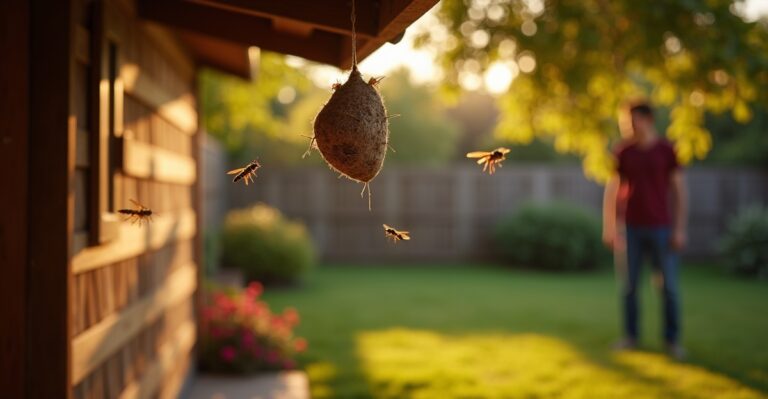
Why Do Mosquitoes Buzz in Your Ear at Night?
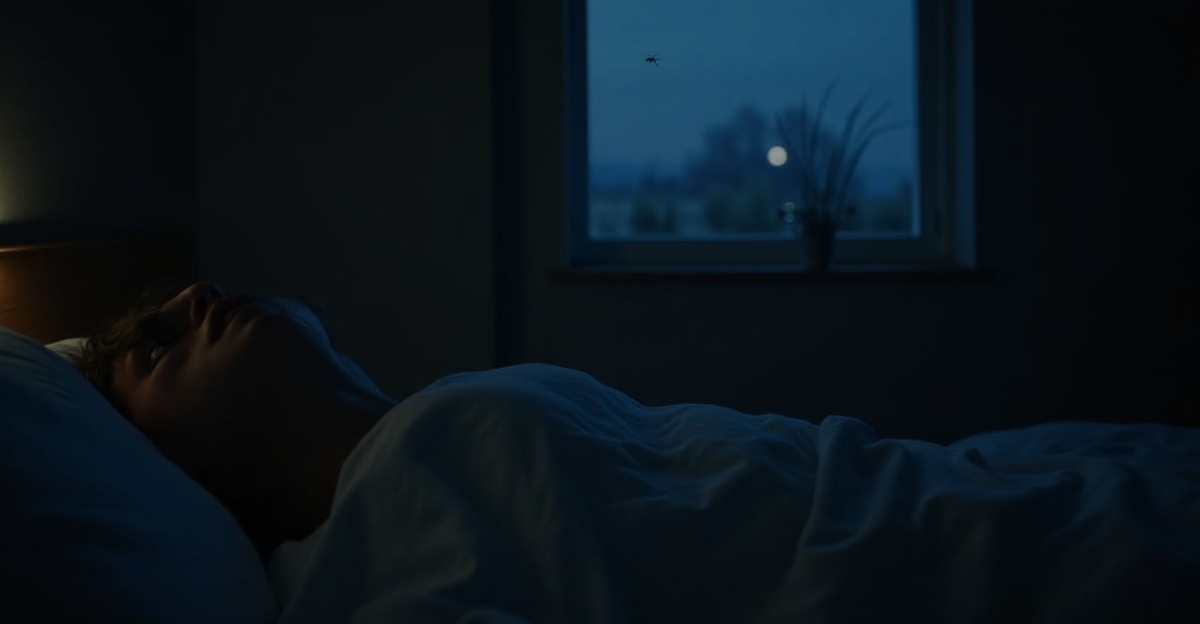
Mosquito buzzing at night has a straightforward biological cause. Their fast-beating wings create the familiar high-pitched sound, and female mosquitoes move toward the carbon dioxide, body heat, and natural body scents that gather around our heads while we sleep. Here in Southeast Idaho, activity peaks at dusk and during cooler nighttime temperatures. Nearby standing water and small home entry gaps make that sound more frequent and often signal breeding sites close to our property.
Key Takeaways
- Mosquitoes buzz because their wings beat hundreds of times per second, and the sound stands out more at night when the house is quiet.
- Only female mosquitoes bite, and they focus on the head area because we release a steady stream of carbon dioxide as we breathe.
- Most local mosquito species stay most active at dawn and dusk, especially during Idaho’s warmer months.
- Even small amounts of standing water in yards, gutters, or livestock troughs allow mosquitoes to breed.
- Ongoing indoor buzzing often points to nearby breeding spots or small openings around windows, doors, or vents that we need to seal.
The Real Reason You Hear Mosquitoes Buzzing Right by Your Ear
Mosquitoes buzz in ears because of simple biology, not because they’re trying to annoy us. The mosquito buzzing sound comes from their wings beating hundreds of times per second, according to entomology research on mosquito wingbeat frequency. That vibration creates the high-pitched whine we hear.
At night, that sound feels louder because everything else is quiet. Our ears are more sensitive without background noise. A mosquito that might go unnoticed outside suddenly sounds amplified in a dark bedroom.
Understanding why mosquitoes buzz in your ear at night starts with knowing that only female mosquitoes bite. They need blood to develop their eggs. To find it, they follow carbon dioxide (CO₂), body heat, and natural skin scents, as mosquito host-seeking behavior research explains.
Our heads release a steady stream of CO₂ as we breathe. Our ears are uncovered while we sleep. That combination explains why mosquitoes are attracted to your head and why mosquitoes buzz in ears so often. They’re zeroing in on the strongest signal source — our breath.
This behavior doesn’t automatically mean there’s an infestation inside. One mosquito slipping in can create a lot of noise and frustration. Still, if this keeps happening, it’s worth looking at what might be drawing them close to the home.
Why Mosquitoes Are More Active at Night in Southeast Idaho
Many people wonder why mosquitoes are more active at night. The answer lies in their natural rhythm. Most species in our area are crepuscular, which means they’re most active at dawn and dusk.
Cooler evening temperatures in Southeast Idaho help mosquitoes fly more efficiently. Midday heat and direct sun can dehydrate and stress them. As the sun drops, conditions become ideal for feeding.
Mosquito season in Idaho usually runs from late spring through early fall, according to ProGuard mosquito activity guidance from Idaho vector control authorities. Activity peaks during the warmer summer months. If we’ve had a wet spring or strong snowmelt, populations can rise quickly. We break this down further in our article on what makes mosquitoes worse in certain summers.
Local conditions matter. In communities like Rexburg, Idaho Falls, Ammon, Blackfoot, Rigby, Pocatello, and Ririe, several factors contribute:
- Snowmelt that leaves standing water in spring.
- Irrigation systems, sprinklers, canals, and backyard ponds.
- Rural properties with livestock water troughs and drainage areas.
Even small pockets of water can produce mosquitoes. Many homeowners are surprised to learn mosquitoes can breed in small puddles. It doesn’t take much.
Nighttime buzzing, especially during peak season, often lines up with normal mosquito activity in our region. It’s uncomfortable, but it’s common.
What That Buzzing Means About Your Home and Yard
An occasional mosquito indoors usually means one found a way inside. Torn window screens, gaps around doors, or briefly opened entryways can be enough.
Frequent buzzing may point to something else. Mosquitoes could be breeding nearby in standing water around the property. They don’t travel far from where they hatch, which means the source may be close.
Signs of a larger population can include:
- Consistent indoor sightings.
- Noticeable swarms at dusk in the yard.
- Recurring bites even with windows closed.
When that pattern develops, many homeowners start searching for how to get rid of mosquitoes in your house or how to reduce mosquitoes in backyard spaces.
It helps to understand what attracts them. Certain yard features make properties more appealing. We explain this in detail in our post about yards mosquitoes prefer.
One mosquito every few weeks is different from multiple mosquitoes every night. We help homeowners sort out whether the issue is a simple screen repair or something more established around the yard.
How to Stop Mosquitoes from Buzzing at Night (Safe DIY Steps)
Homeowners looking for how to stop mosquitoes from buzzing at night can take practical steps that make a real difference.
Start with water control. Mosquitoes lay eggs in standing water, and their life cycle moves quickly during warm months.
Focus on these areas each week:
- Empty and scrub birdbaths and pet bowls.
- Dump buckets and plant trays.
- Clear clogged gutters.
- Change water in livestock troughs.
- Monitor backyard ponds and consider circulation features. We share more tips in our guide on reducing mosquitoes near water features.
Yard maintenance also matters. Adjust sprinkler timing to prevent pooling. Improve drainage in low areas. Keep grass trimmed and shrubs thinned to reduce resting spots.
Inside, inspect window screens and door seals. Repair even small tears. Use fans in bedrooms. Steady airflow disrupts mosquito flight and makes it harder for them to land. Adjust outdoor lighting so bright lights aren’t directly near entryways, since insects tend to gather there.
Safe repellents can help as well. Always follow label directions, especially around children and pets. Repellents reduce bites, but they won’t address breeding sites. DIY steps work best when they’re consistent and part of a broader plan.
When DIY Isn’t Enough: What Professional Mosquito Control Looks Like
Sometimes, prevention steps don’t fully solve the problem. If indoor mosquitoes keep appearing despite screen repairs and water management, or if yard swarms continue throughout mosquito season in Idaho, professional support may be the next step.
Professional mosquito control in Idaho focuses on long-term improvement, not quick fixes. Services typically involve identifying breeding sources, offering clear source-reduction guidance, and applying targeted yard treatments where mosquitoes rest and develop. Ongoing monitoring through the season helps maintain control.
We approach mosquito prevention in Southeast Idaho with safety first. Treatment plans are explained clearly. Products are applied with families and pets in mind. There’s no high-pressure approach. We believe in straightforward answers and practical solutions.
For homeowners who feel stuck, our mosquito control services provide seasonal protection built for Idaho’s climate and yard conditions.
If the nightly buzzing raises concerns about whether it’s a one-off mosquito or a bigger yard issue, we’re always happy to take a look and give clear, honest feedback. Peaceful sleep shouldn’t be interrupted by a tiny set of wings.
Frequently Asked Questions
Mosquitoes fly around your ears at night because they are drawn to carbon dioxide from your breath and the warmth of your head. As you sleep, your breathing creates a steady CO₂ stream that helps female mosquitoes locate a blood meal. The quiet nighttime environment also makes their wingbeat sound more noticeable, even if only one mosquito is present.
Male mosquitoes can buzz near your ears, but they do not bite. Only female mosquitoes seek blood to produce eggs. Both sexes create sound from rapid wingbeats, but females are the ones actively following carbon dioxide and body heat. If you are being bitten, it is always a female mosquito.
Mosquito buzzing does not always mean there is an infestation. A single mosquito can enter through a small gap in a window screen or door. However, repeated nighttime buzzing or frequent bites may suggest nearby breeding sources, such as standing water around your yard or entry points that need sealing.
You can reduce mosquito buzzing by eliminating standing water, repairing window screens, and using fans in the bedroom. Fans create airflow that disrupts mosquito flight patterns. Sealing small openings and using safe, labeled repellents can also help. Long-term control focuses on removing breeding sites outdoors.
Most mosquitoes are most active at dusk and early evening because cooler temperatures help them conserve moisture and fly efficiently. Many species feed during these low-light periods rather than in full daylight. Activity can continue overnight, especially in warmer months when conditions remain favorable for feeding.