Why Do Wasps Keep Coming Back Every Summer?
Every year, as temperatures rise, we see wasps show up again—often near the same spots where nests were cleared the previous season. Their return follows clear patterns shaped by natural behavior, scent markers, and inviting surroundings that offer food and shelter.
Key Takeaways
- Wasps return to known nesting areas because of scent markers left behind, even after removing old nests.
- Covered spaces such as eaves, vents, and attics provide great shelter for new colonies to thrive.
- Easy-to-find food—like trash, pet bowls, and outdoor leftovers—draws wasps to your yard through the warmer months.
- Each spring, queen wasps start rebuilding nests in spots that once worked well for survival.
- Taking action early in spring—sealing cracks, clearing food sources, and closing off entryways—lowers the risk of wasp problems in summer.
Why Wasps Return Every Summer
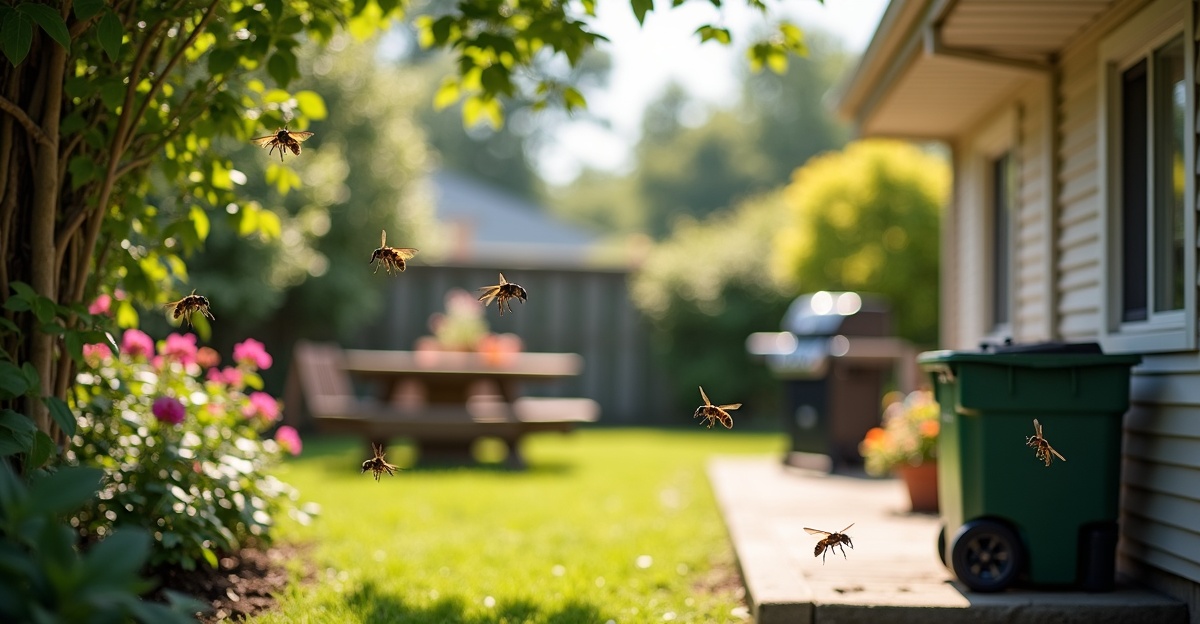
Wasps have a pattern, and summer is their busy season. Every year, they seem to show up again—right when we’re trying to enjoy our yards, porches, and BBQs in peace. Their annual return isn’t just coincidence; it’s part of their natural cycle. Once we understand why they keep coming back, we’re better prepared to keep them away.
Understanding Wasp Behavior
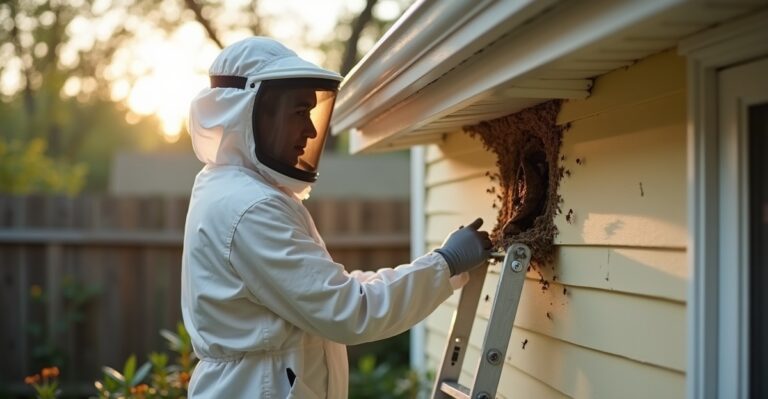
Their return starts with queens waking up from winter hibernation. In early spring, a fertilized queen emerges and begins building a new nest from scratch—usually in a protected spot like eaves, attics, under decks, or abandoned burrows. This cycle means even if we knocked down a nest last year, fresh queens start all over again the next year.
Here’s why wasps return to the same areas:
- Nesting sites are ideal: Warm, sheltered areas around our homes are perfect spots for a colony to thrive.
- Pheromone trails linger: Even after a nest is removed, these chemical signals remain. They attract new queens looking for proven spots.
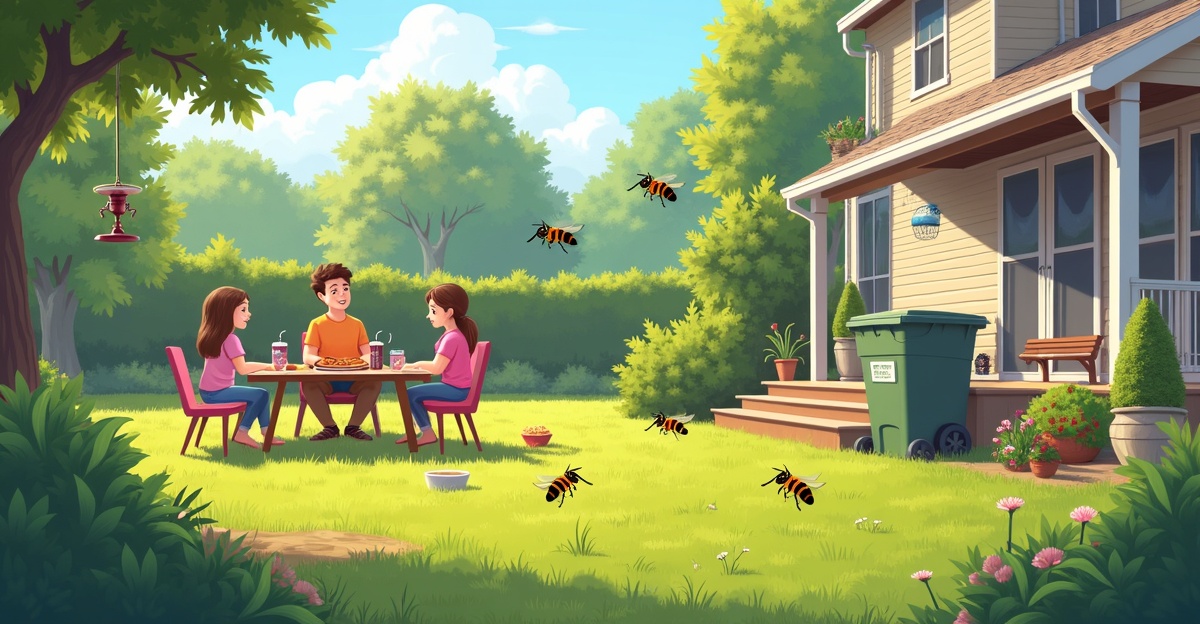
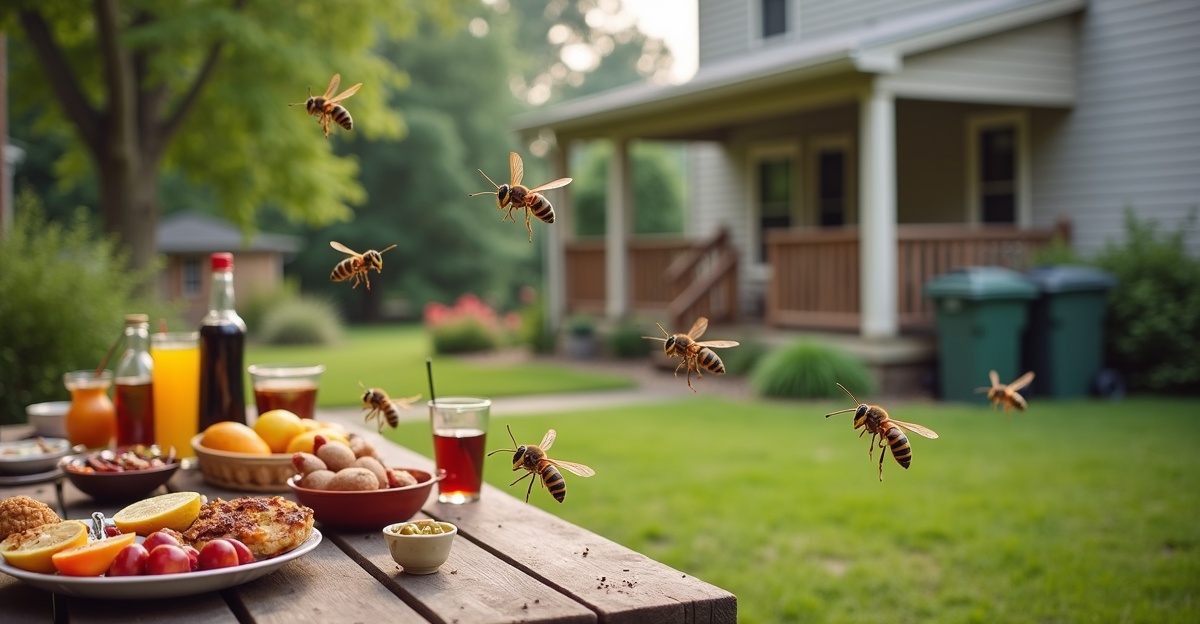
- Nearby food sources: Wasps love protein early in the season and sugary foods later, a seasonal shift described by extension service guidance on wasp feeding behavior. Pet food, garbage, compost bins, and even outdoor meals draw them in.
- Natural instincts: Wasps are guided by seasonal patterns. Summer is when colonies expand rapidly, and that’s when we’re most likely to notice them poking around.
Understanding how long colonies stick around offers more clarity. If you’re wondering how long these nests tend to last, we’ve got you covered in our blog on wasp colony lifespans in Idaho.
When wasps keep returning, it’s not a failure of past treatment—it’s biology and environment doing their job year after year. That’s why seasonal awareness is key. The earlier we start defensive action in the spring, the easier it is to avoid a full-blown midsummer infestation.
Consistent summer sightings are often a sign that the area keeps offering the right mix of shelter and food, encouraging queens to return. If nests keep appearing in the same exterior corners or under the same eaves, especially around porches, it helps explain why do wasps keep coming back to my porch from a wasp’s point of view. In some cases, we’ve found that removing one nest just shifts them to another spot nearby—because the neighborhood remains wasp-friendly.
The good news is there are effective ways to manage this. Treating common nesting zones early in the season, reducing access to food scraps, sealing tiny crevices, and spraying down old nesting areas can go a long way. It’s also helpful to learn the best times to act, especially before colonies fully take shape.
If you’re seeing wasps every summer and want a steady hand handling them, our wasp control services are ready when you are. We’ve helped plenty of neighbors protect their property from being turned into annual wasp hotspots, and we can do the same for you.
Why Wasps Return Every Summer
Each summer, we see customers scratching their heads, wondering why wasps keep showing up year after year. It’s frustrating, especially when you’ve done everything you can think of to keep them away. The truth is, wasps have strong survival instincts and a natural tendency to return to familiar places—especially if those areas once provided food, shelter, or safety for a colony.
Understanding Wasp Behavior and Life Cycles
To stay ahead of wasps, it helps to understand what drives their behavior. Here’s what we know:
- Wasps rebuild each year: Most species die off in colder months, but queens survive by overwintering, as explained by university extension resources on wasp life cycles. When spring hits, the queen looks for a place to start fresh. If she remembers your eaves or attic rafters as a good nesting spot, she might come right back.
- They follow scent trails: Leftover pheromones from an old nest can linger, especially if nests weren’t fully removed. Those chemical signals attract new wasps ready to rebuild.
- Warm, hidden spaces invite nesting: Wasps love quiet, undisturbed corners. Attics, vents, siding gaps, and old sheds offer excellent cover from predators and weather.
- Food sources draw them in: Summer barbecues, ripe fruit trees, sugary drinks, and even your trash bins serve as welcome mats for hungry wasps.
- Colonies grow fast: Once a colony gets established, it builds quickly. Wasps become more aggressive mid-to-late summer as the nest hits peak size, a pattern noted in extension entomology explanations of late-season wasp behavior, especially if they feel it’s being threatened.
For those living in Southeast Idaho, understanding regional patterns can also help. Learn about how long wasp colonies live in Idaho to time your prevention strategies effectively.
We recommend inspecting your home early in the season, looking for signs like tiny paper nest beginnings or increased wasp activity near gutters and soffits. These signals usually point to a queen starting her next colony.
Removing an active nest on your own can turn risky fast. That’s why our professional wasp control services aim to eliminate the nest, neutralize pheromone trails, and advise you on keeping problem spots sealed and clean.
If you’re wondering the best time to act, early spring is ideal. Treating at the right time knocks out queens before colonies explode. See our advice on the best time for pest control in Southeast Idaho for more seasonal guidance.
Keeping wasps from coming back isn’t just about removal—it’s a mix of prevention, timing, and experience. And that’s where we can help. Reach out to schedule a visit, or explore our residential pest services to protect your home all season long.
How to Keep Wasps from Returning
We all want a summer without constant buzzing and the worry of being stung. To stop wasps from returning year after year, we need a strong plan built on prevention, smart treatments, and long-term home strategies.
Steps You Can Take to Wasp-Proof Your Home and Yard
Keeping wasps away isn’t about one-time fixes. It’s about creating an environment they don’t want to come back to. Here are practical steps we use and recommend for keeping your home and yard clear year after year:
- Seal potential entry points: Patch cracks in siding, screen vents, and check for gaps near eaves or around windows where queens might sneak in to build nests.
- Limit food sources: Keep trash tightly sealed, clean grills after every use, and avoid leaving out pet food. Wasps are drawn to anything sweet or protein-rich.
- Cover compost bins: Decomposing food attracts queens looking for spring nesting material.
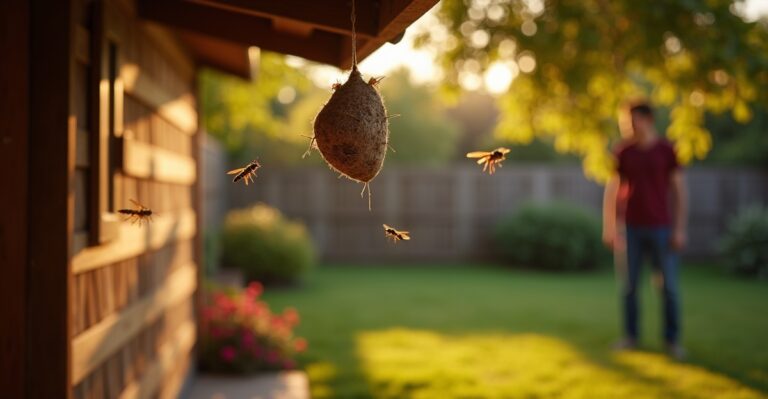
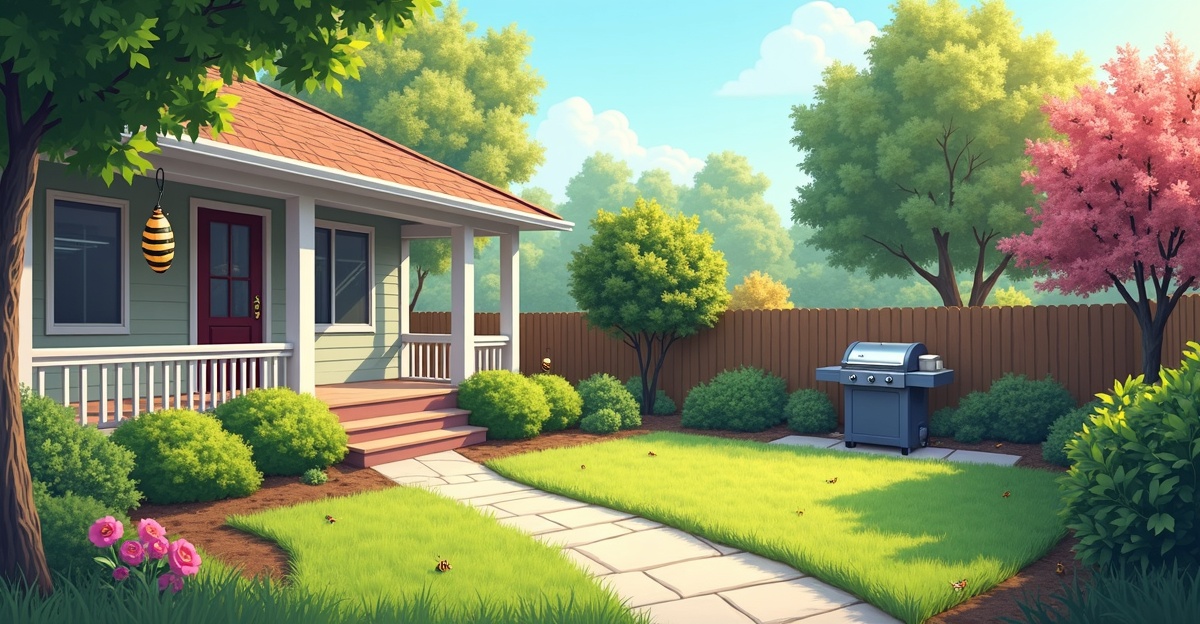
- Use decoy nests: Because wasps are territorial, fake nests placed around your home can discourage them from building nearby.
- Trim back shrubs and trees: Dense foliage makes ideal nesting zones. Keep branches trimmed and remove fallen fruit.
- Repair or remove old nests, when safe: Even though wasps don’t reuse nests, they sometimes return to familiar spots. Taken down properly, these areas lose their scent markers.
For those of us in Idaho, understanding the behavior of local species helps too. This insight on how long wasp colonies live in Idaho can guide the timing of prevention steps.
Treatment Options That Work
Even the best prevention can fall short without professional help. We often get calls from homeowners who’ve tried sprays or traps but still see wasps coming back. The truth is, if a queen or hidden nest survives, the problem often returns just as strong the next year.
Our local team provides effective wasp control solutions that take into account nest location, species, and local migration habits. And for bigger problems involving hornets, we handle those too with safe, reliable hornet control.
Ongoing treatment plans are often key, especially if you’ve had nests in the same area more than once. Wondering if consistent coverage is worth it? Here’s what to consider about pest control plans for homeowners.
Stay One Step Ahead All Season Long
For lasting relief, we focus on timing. Preventative treatments in early spring, before queens lay eggs, can make all the difference. Nest activity slows in the fall, but by then colonies may already be large. If you’re not sure when to act, check out the best time for pest control in Southeast Idaho—it’s a helpful guide to planning ahead.
To keep wasps from coming back summer after summer, let’s work together early, act smart, and stay ahead of the season. Your peace of mind is worth it.

What’s Bringing Wasps Back Year After Year?
Wasps aren’t just dropping by—they’re coming back for a reason. Understanding what draws them in each summer gives us the power to stop repeat invasions. These insects look for specific things, and chances are, your property has something they like.
Common Factors That Attract Wasps
We’ve seen firsthand the patterns and signs that suggest why wasps return to the same spots each warm season. Here are the most common factors that could be bringing them back:
- Leftover Nesting Sites: Wasps don’t typically reuse old nests, but if you’ve ever wondered “do wasps come back to the same nest,” the answer lies in their tendency to build close to where they had success before. If last year’s nest isn’t fully removed or signs of it linger, they may set up shop nearby.
- Sheltered Spaces: Attics, eaves, sheds, and wall voids offer safe, dry environments perfect for building new colonies. These places serve as ideal shelter when scouting for fresh nesting grounds.
- Sweets and Protein: Open garbage cans, pet food, hummingbird feeders, and outdoor cooking areas attract wasps looking for sugary or protein-rich food.
- Standing Water: Like all pests, wasps need water to survive. Birdbaths, kiddie pools, and even clogged gutters can supply them with enough to keep coming back.
- Bright Flowers and Fruit Trees: Vibrant gardens don’t just attract butterflies. Wasps are frequent visitors where nectar is available, especially if fallen fruit is left to ferment.
When these elements are present, wasps return instinctively. If we don’t change the conditions, their patterns won’t change either.
Seasonal cycles also play a major role. As warm months return, so do queens emerging from winter hideaways, immediately scouting for nesting sites. It’s one reason they’re so consistent in their timing. If you’re wondering why nests keep popping up again, we explore this more in our blog on how long wasp colonies live in Idaho.
Regular clean-up, sealing cracks, and removing food sources won’t completely solve the problem—but they’re an important part of keeping wasps from settling.
For control that gets results and keeps homes safe season to season, it’s worth considering ongoing help. Consistent service can make all the difference, especially when the problem is persistent. See if pest control plans are worth it for homeowners in your area.
If nesting has already started and activity increases, don’t wait. Every week matters once a queen starts building. Our experienced team is ready to help with safe, effective wasp control services that prevent future returns through proven methods—and a quick response. We know our Idaho summers, and we’ve built trusted solutions crafted to keep your space safer.
Let’s work together to make this the summer they stop coming back.
How to Prevent Wasps from Returning Every Summer
We know the frustration of spotting wasps zipping through the yard or nesting in the eaves year after year. The good news? With a few practical steps, we can interrupt that repetitive cycle and help keep our homes wasp-free when summer rolls around again.
Steps to Keep Wasps from Returning
To stop wasps from setting up shop each year, it’s important to take preventive steps both before and during the warmer months:
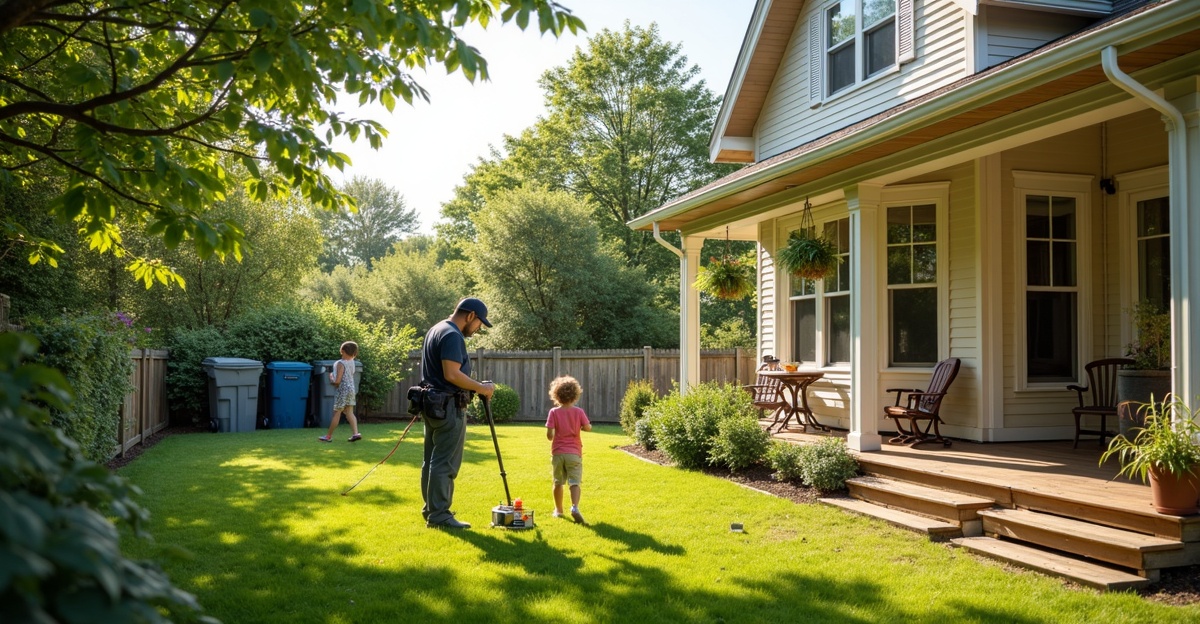
- Seal entry points: Inspect siding, soffits, attic vents, and window frames early in the season. Wasps only need a small crack to get in. Caulking even a thin gap now can stop a new nest later.
- Remove old nests: Even though most nests are abandoned in winter, some species reuse them or build nearby. We always remove any old visible nests, especially under eaves or roof edges.
- Cut down food sources: Sweet drinks, open garbage bins, and exposed pet food all attract wasps. We recommend covering food outdoors and keeping trash tightly sealed to reduce temptation.
- Limit moisture spots: Just like most insects, wasps search for water. Fix outdoor drips and keep gutters clear to dry up those appealing little puddles.
- Use decoys and deterrents early: Before nesting begins in spring, setting up natural deterrents like fake nests can help. Wasps usually avoid another colony’s territory. Adding peppermint oil spray to siding or porch railings can also help repel them naturally.
- Call in professional help before infestation: If nests were a problem last year, preventive treatment is often more effective than dealing with them later. Seasonal spraying can treat common nesting areas and prevent building in the first place. If you’re curious about timing, we laid out the best time for pest control in Southeast Idaho to help plan.
Long-Term Protection Starts Early
Wasps are persistent, especially in Idaho summers—leaving many homeowners asking, “why are there so many wasps this year?” Getting rid of current nests is only part of the solution. Ongoing prevention is just as important. That’s where smart seasonal care wins the race.
If you’ve ever wondered why nests keep popping back up, it usually ties back to earlier nest sites not being removed or sealed. Many species, especially paper wasps, prefer familiar territory. Removing even abandoned nests can reset that pattern.
Ongoing care from a service like our professional wasp control service provides consistent protection. Treatments include barrier sprays on high-risk areas and repeat visits if needed. If we treat in spring, nests often never form—saving you from battling them mid-summer.
Sometimes customers ask if one application does the trick. A helpful read on how long professional pest treatments last clarifies what to expect. For wasps, early prevention plus follow-up later in the season can bring real peace of mind.
Investing in routine protection through a seasonal plan is another solid move. It doesn’t just keep wasps out—it helps with ants, spiders, and more. We’ve shared more on whether pest control plans are worth it for homeowners and why they offer strong value year after year.
If we’ve tackled wasps before and they return, we always take time to figure out why. It could be weather shifts, changes in the yard, or even something as simple as forgetting to check last year’s hidden nest. Our team takes a fresh look each time so we can keep your home protected long term.
For those living in Southeast Idaho, especially in or around towns like Idaho Falls, we offer dependable, local help. If you’re ready to start prevention now, take a look at our Idaho Falls pest control services for fast and friendly care.
Repeat wasp problems don’t have to be the norm. A clear plan, regular checkups, and a trusted team can stop them before they start. Let’s keep summer peaceful and sting-free, season after season.
How to Prevent Wasps From Returning Each Year
We know how frustrating it is to deal with wasps year after year. Even after knocking down nests or spraying the yard, they seem to show back up like clockwork. The truth is, wasps are persistent for a reason. They’re wired to return to familiar territory—especially if that space provided food, shelter, or ideal nesting spots before. But with the right strategy, we can break the cycle and make your space far less appealing to them.
Steps You Can Take to Keep Wasps Away
Here are some effective ways to help prevent wasps from rebuilding near your home each summer:
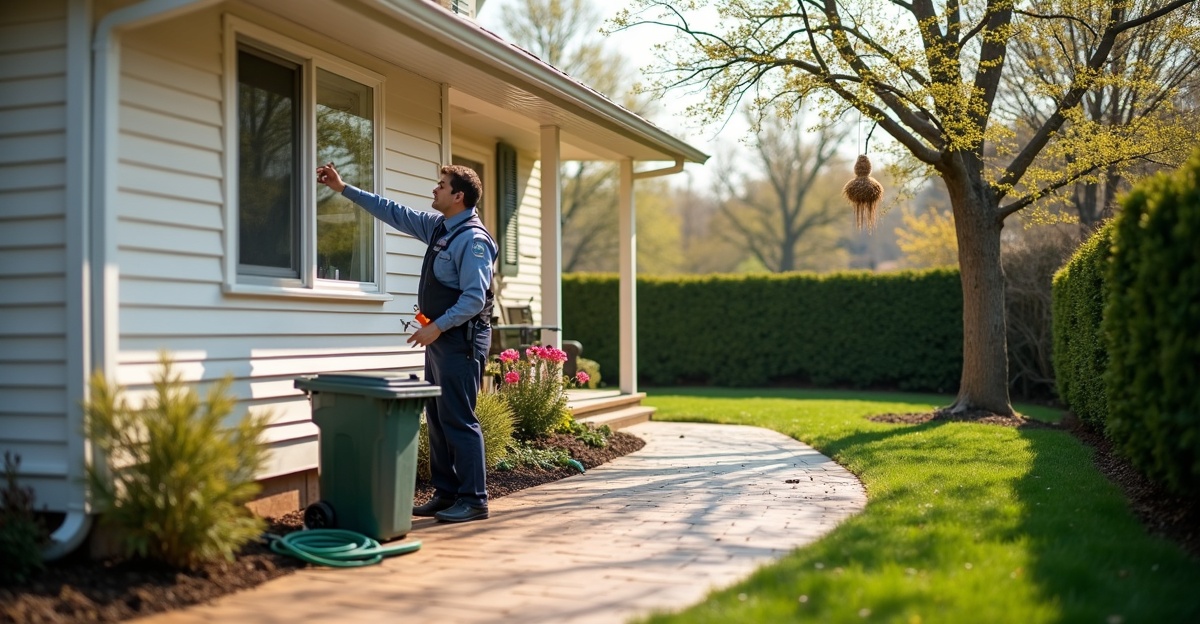
- Seal Entry Points: Wasps sneak into attics, eaves, and wall voids through the smallest gaps. Walk around your home and seal cracks, vent openings, and gaps in siding or around windows.
- Remove Food Sources: Sugary drinks, fallen fruit, and outdoor trash attract wasps. Keep garbage bins sealed, clean up spills, and don’t leave pet food outside.
- Limit Water Access: Like most pests, wasps are drawn to water. Fix leaking hoses or faucets, and avoid overwatering your yard.
- Hang Decoy Nests: Most wasp species are territorial. Hanging a fake nest may discourage new colonies from forming nearby.
- Keep Landscapes Trimmed: Bushes, tall grass, and overgrown trees provide shelter. Cut them back regularly to reduce nesting options.
- Schedule a Professional Inspection: Sometimes nests are hidden inside walls, attics, or tucked under decks. A professional can spot signs we might miss and target potential trouble spots before things get busy again.
Persistence is key. Even with these practices in place, wasps may still scout the area. This is why professional help, especially at the right time of year, goes a long way in breaking this pattern.
Early treatment plays a big part in successful prevention. The best time to act is in early spring—before queens start building new nests. For tips on seasonal timing, check out our guide on the best time for pest control in Southeast Idaho.
For homes dealing with repeat invasions, ongoing treatment may be worth considering. We often hear from folks wondering if those plans really help in the long run. Here’s what to know: recurring pest control reduces the chance of future nests and tackles colonies before they grow. Learn more in this blog about whether pest control plans are worth it.
Wasps aren’t all bad—they do pollinate plants and help control other insects. But when they set up shop too close, sting incidents and property damage become real concerns. That’s especially true with aggressive species like yellowjackets and hornets. For targeted help, be sure to explore our full wasp control service.
Each yard and home is different. What works today might not work as well next season unless we stay a step ahead. That’s why we always recommend prevention backed with regular inspections and timely treatments.
Want to learn how long colonies might stick around once they’ve started? You can check out this post about wasp colony lifespans in Idaho for more insights. Or, if you’re ready to put a long-term plan in place, our residential pest control team is just a call or click away. We’ve got the tools and local understanding to bring that peace of mind back to your yard.
Frequently Asked Questions
Wasps return to the same areas because those locations previously provided shelter, safety, and access to food. Even though old nests aren’t reused, scent markers and visual cues remain. Queen wasps emerging in spring instinctively choose proven nesting spots like eaves, attics, or porches that helped colonies survive before.
Wasps don’t remember in a human sense, but they respond to lingering pheromones and environmental signals. Chemical scents left behind from prior nests can attract new queens. If nesting materials, stains, or sheltered structures remain, the area continues to signal that it’s a suitable place to rebuild.
Consistent food and shelter are the biggest attractors. Open trash cans, pet food, sugary drinks, fruit trees, and standing water draw wasps back every summer. Covered spaces like soffits, sheds, and wall gaps also provide ideal nesting protection, making the property repeatedly appealing.
Yes, it’s normal. Most wasps die off in winter, but queens survive and start new colonies each spring. Removing a nest solves the immediate issue but doesn’t stop future queens from scouting the same area if conditions remain favorable.
The best way to stop repeat wasp activity is early prevention. Seal cracks and entry points, remove food and water sources, clean old nesting areas, and inspect your home in early spring. Acting before queens establish nests greatly reduces the chance of summer infestations.