Why Do Wasps Love Wooden Decks?
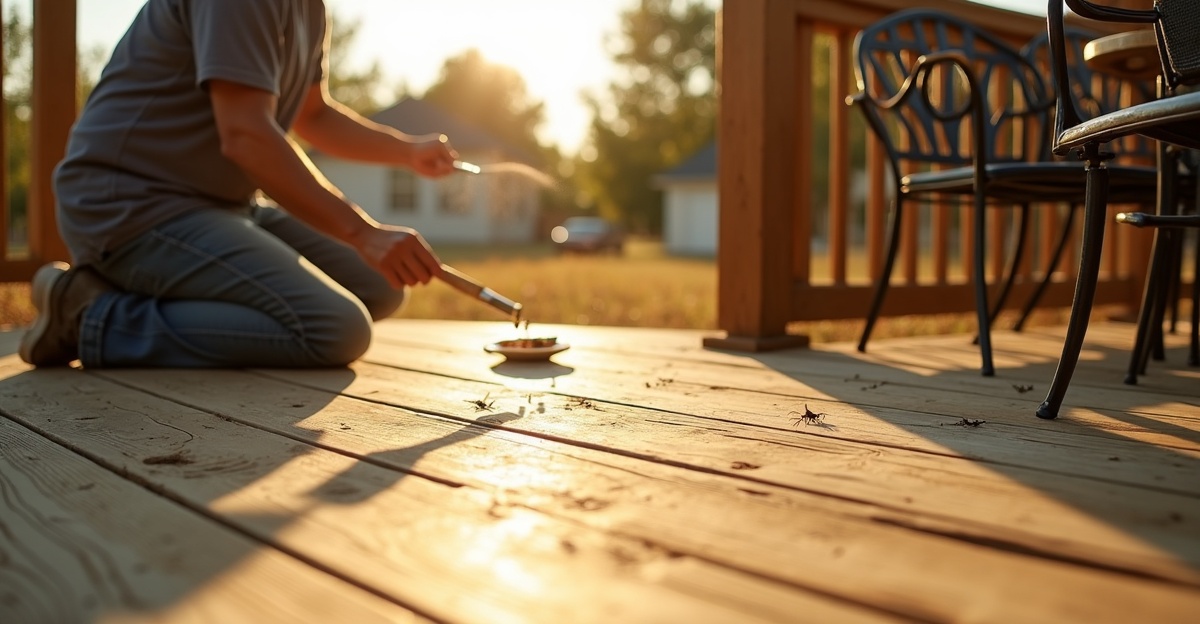
Wooden decks naturally provide nesting material, moisture, food, and shelter. We see this pattern across Southeast Idaho every spring and summer. Wasps drawn to decks grow more active as temperatures rise. When we understand why they gather around exposed boards, sprinklers, outdoor meals, and shaded joists, we can stop nests before colonies expand.
Key Takeaways
- Unsealed or weathered deck boards give paper wasps direct access to wood fibers for building their papery nests.
- Moisture from sprinklers, irrigation overspray, and small leaks turns decks into a steady water source during hot, dry months.
- Food residue from outdoor meals and unsecured trash draws yellowjackets and increases foraging activity around decks.
- Shaded areas under railings, joists, and overhangs create protected anchor points for early-stage nests.
- Sealing wood, controlling moisture and food sources, and inspecting in early spring help prevent deck-related wasp problems.
We recommend treating deck maintenance as pest prevention. Fresh sealant blocks access to wood fibers. Quick sprinkler adjustments reduce standing moisture. Prompt cleanup after meals limits scent trails that attract worker wasps. Early spring inspections allow us to remove starter nests before they mature.
Consistent upkeep protects both the structure and outdoor comfort. With the right strategy, we reduce wasp pressure and keep decks usable all season.
Wasps on Your Wooden Deck? Here’s What’s Really Attracting Them
Wasps are drawn to wooden decks for three simple reasons: nesting material, moisture, and food. That’s why wasps attracted to decks are so common across Southeast Idaho each spring and summer.
We hear the same questions every year: why are wasps around my deck, and why do we suddenly see wasps on wooden deck boards once the weather warms up? In most cases, the answer comes down to basic biology.
Paper wasps in Idaho scrape exposed wood fibers to build their papery nests. If deck boards are unsealed or weathered, they become a ready supply of building material. Moisture from sprinklers, irrigation systems, and small plumbing leaks also draws wasps in. During dry summer heat, even light overspray can become a regular water stop.
Food sources play a major role as well. Outdoor meals leave behind sugary residue, grease, and crumbs. Yellowjackets and other foraging wasps quickly learn where reliable food sources exist. Add overhangs, railings, and deck joists that provide shelter from wind and rain, and you have ideal real estate for early nest-building.
Across Rexburg, Idaho Falls, Ammon, Blackfoot, Rigby, Pocatello, and Ririe, we see this pattern every season. Southeast Idaho wasps become highly active in spring while queens establish new nests. Activity spikes again during hot summer months when workers forage aggressively. The good news is that most deck-related wasp issues are preventable with the right approach.
Why Wooden Decks Are the Perfect Spot for Nesting and Shelter
Wood decks have built-in structural features that make them highly attractive to nesting wasps.
Unsealed or aging boards are easy to scrape. Paper wasps collect tiny wood fibers, mix them with saliva, and form the signature papery material that makes up their nests. Boards that haven’t been stained or sealed recently provide a soft, workable surface.
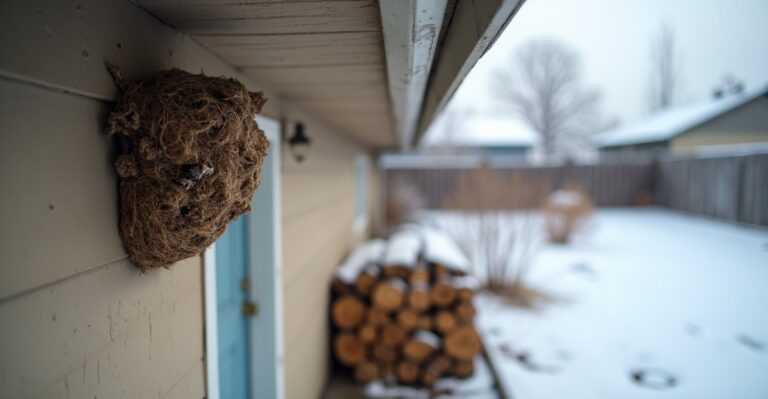
Gaps between deck boards and under railings create hidden anchor points. Early-stage nests are often no larger than a golf ball and can be tucked into joists or corners where they’re barely noticeable. Shaded spaces beneath decks protect colonies from wind, heavy rain, and predators.
Our local climate increases activity. In spring, queen wasps search for sheltered spots to start colonies. Deck overhangs and protected corners are ideal. As temperatures rise, the summer heat pushes wasps into shaded areas with nearby moisture. A deck close to sprinklers, flower beds, or vegetable gardens becomes even more appealing.
Landscaping also plays a role. Flowering plants attract insects, which provide protein for developing larvae. Nearby gardens and outdoor kitchens add even more food options. That’s why deck pest prevention is most effective when we look at the entire yard, not just the boards themselves.
Homeowners often ask how to stop nesting before it starts. Learning how to stop wasps from building under eaves applies to deck overhangs as well. Sealing exposed wood is another critical step. Understanding how to seal a wood deck to prevent wasps helps close off exposed fibers so paper wasps can’t use them for nest construction.
Common Southeast Idaho Wasps You’ll Find Around Decks
Two main species account for most deck wasp activity in our area: paper wasps and yellowjackets.
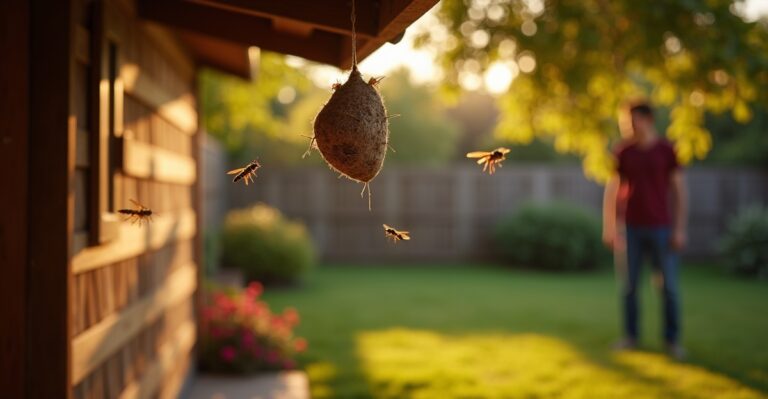
Paper wasps in Idaho typically build small, umbrella-shaped nests under eaves, railings, and deck joists. They’re usually less aggressive unless their nest is disturbed. We often spot them hovering near exposed wood as they gather fibers for construction.
Yellowjackets in Idaho behave differently. They’re more defensive and more attracted to food. While many nest underground, they regularly gather around decks during barbecues and outdoor dinners. Sugary drinks, meat, and open trash cans draw them in quickly.
These behavioral differences explain much of the wasp activity homeowners notice on wooden decks. Paper wasps scrape and scout. Yellowjackets patrol for food.
Correct identification matters. Treatment for a small paper wasp nest under a railing differs from managing repeated yellowjacket foraging. Safety around children and pets also depends on species. Our professional wasp control service focuses on accurate identification first, then safe, targeted action.
Early Wasp Infestation Signs Every Homeowner Should Watch For
Catching early activity makes resolution faster and safer. Watch for these wasp infestation signs around your deck:
Common warning signs include:
- Increased wasp traffic flying to and from a single location.
- Small starter nests under railings or joists in early spring.
- Visible scraping marks or rough patches on untreated wood.
- Wasps repeatedly landing on food, drinks, or trash containers.
Early-stage nests often contain only a queen and a few workers. They’re smaller and less active. Established colonies show steady in-and-out movement and may react defensively if approached.
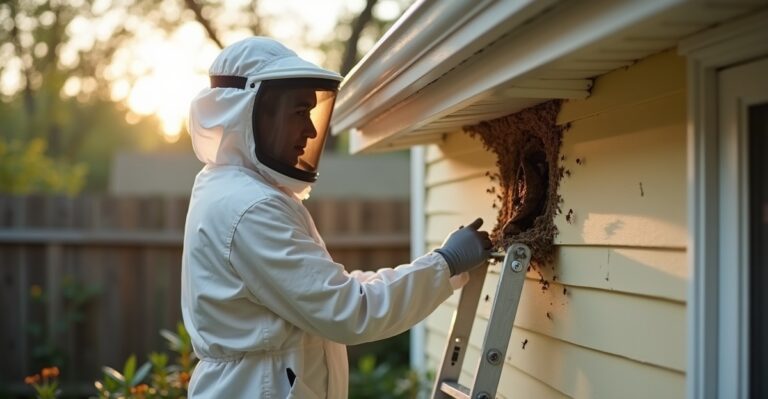
We never recommend removing an active nest without proper protective equipment and training. Even small nests can trigger unexpected defensive behavior. Learning how to spot early signs of a wasp nest helps homeowners act before colonies expand.
Early detection makes professional wasp removal in Southeast Idaho simpler and more controlled. It also reduces the likelihood of aggressive encounters later in summer.
How to Keep Wasps Away from Your Deck: A Local Prevention Checklist
Wasp prevention works best when multiple small steps are combined. Use this practical checklist to reduce deck activity throughout the season:
- Seal or stain exposed wood annually. This closes off exposed fibers so paper wasps can’t scrape nesting material and protects the deck from weather damage.
- Repair cracks and gaps. Fix loose boards and spaces under railings to remove hidden anchor points for nests.
- Clean up immediately after outdoor meals. Wipe spills, sweep crumbs, and remove sticky residue from tables and deck boards.
- Keep trash cans sealed and away from the deck. Secure lids reduce yellowjacket attraction.
- Reduce standing water. Adjust sprinklers to prevent repeated overspray and eliminate pooled moisture.
- Inspect regularly in early spring. Starter nests are much easier to address before colonies grow.
These steps support long-term deck pest prevention and help protect kids and pets who enjoy outdoor spaces. DIY efforts can be effective during early prevention stages. However, sprays alone don’t always resolve active nesting. For homeowners wondering, do pest control sprays work on wasps depends heavily on nest size, species, and proper application.
When Professional Help Is the Safer, Smarter Option
Certain situations call for professional wasp control.
- Frequent wasp traffic from a visible nest.
- Nests under decks, high railings, or inside structural voids.
- Aggressive behavior, especially from yellowjackets.
- Recurring infestations year after year.
Professional treatment typically begins with a thorough inspection of the deck, eaves, landscaping, and nearby structures. This helps locate primary nests and secondary activity areas.
Next comes safe, targeted removal of active nests. The focus is on minimizing disruption while addressing the source of the problem. Finally, you’ll receive clear prevention recommendations tailored to Southeast Idaho’s climate and your property’s layout.
At DeWebb Pest Control, we prioritize transparency, safety, and long-term prevention. We explain what we’re seeing, what we recommend, and why. Treatments are performed with care for children, pets, and surrounding landscaping. Our broader residential pest control services also address related seasonal pests that may increase food sources around decks.
If you’re noticing increased wasp activity around your deck, you don’t have to manage it alone. We’re always happy to inspect the situation, answer questions, and help protect your home and family with solutions designed to provide lasting peace of mind.
Frequently Asked Questions
Wasps are attracted to wooden decks because they provide nesting material, water, food, and sheltered areas. Paper wasps scrape exposed wood fibers from unsealed boards to build their nests, while yellowjackets search decks for sugary drinks, grease, and crumbs. Decks also collect moisture from sprinklers and offer shaded spaces under railings or joists, making them convenient nesting and foraging spots.
Yes, unsealed or weathered decks attract more wasps because exposed wood fibers are easy for paper wasps to scrape and use for nest construction. A sealed or stained deck creates a harder surface that limits access to these fibers. Regular sealing not only protects the wood from weather damage but also reduces the likelihood of wasps gathering building material from the deck.
Wasps are attracted to sweet and protein-rich smells commonly found on decks and patios. Sugary drinks, fruit, barbecue sauces, meat scraps, and spilled soda can quickly attract foraging yellowjackets. Even small food residue left on tables or deck boards can create scent trails that guide worker wasps back to the same location repeatedly.
Wasps usually begin building nests around decks in early spring when overwintered queens emerge and search for sheltered locations. Deck railings, joists, and overhangs provide protected anchor points for small starter nests. Activity increases through late spring and summer as colonies grow and worker wasps begin foraging more actively around outdoor living spaces.
You can prevent wasps from nesting around your deck by sealing exposed wood, removing food residue, and reducing moisture sources. Applying deck sealant blocks access to wood fibers used for nest building. Regularly cleaning after outdoor meals, keeping trash containers closed, and adjusting sprinklers to avoid overspray also reduce the conditions that attract wasps.