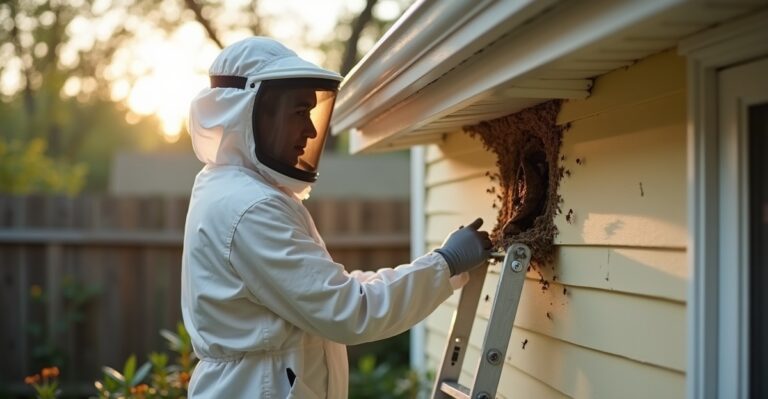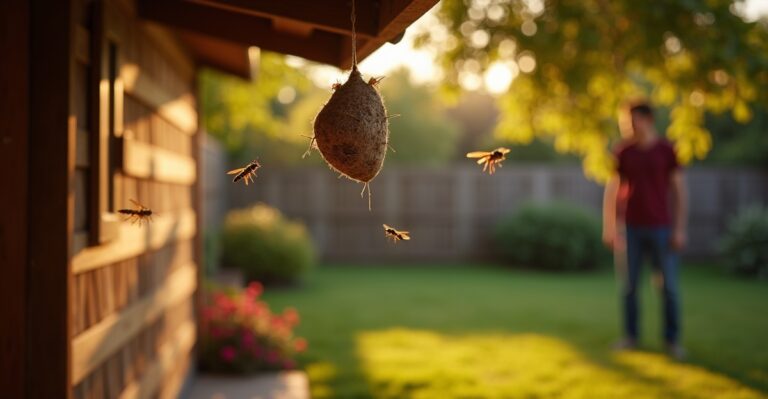
Do Wasps Return to Old Nests Each Year?
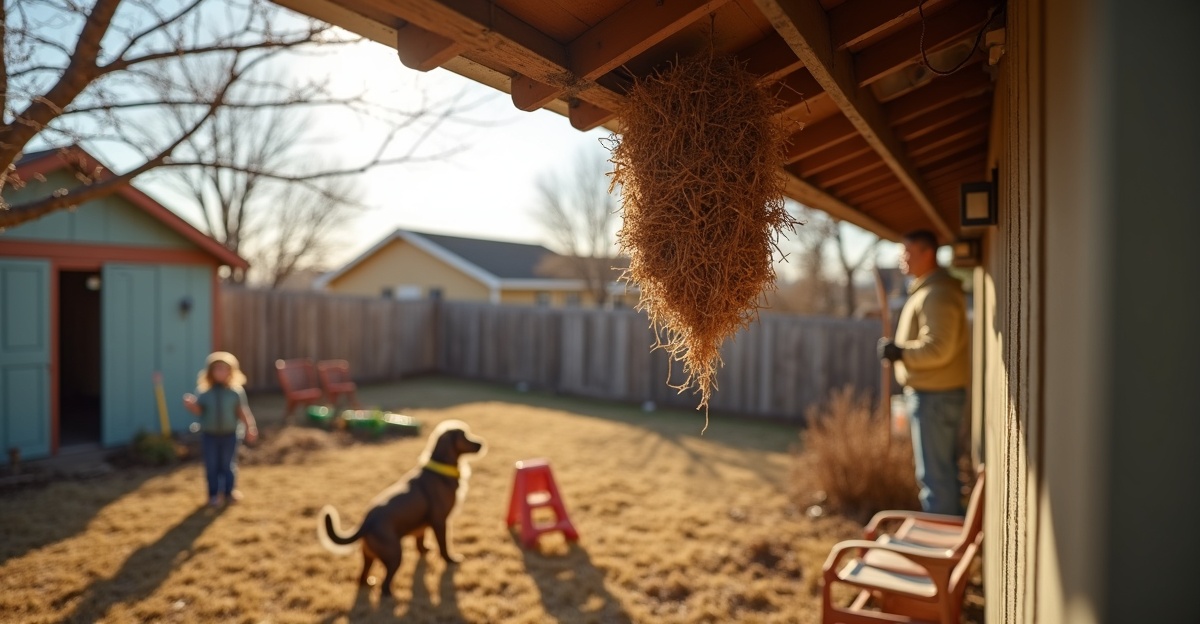
Wasps rarely return to old nests. Most species build fresh ones each spring after abandoning the previous season’s structure in fall, which explains why many homeowners ask do wasps return to the same nest every year. Even though the old nests may still hang around, they serve no role in new colony development—which answers whether do wasps return to an old nest. Queens prefer to start clean, but they’ll often choose familiar areas that offer the right conditions. That repetition leads many to believe wasps are nesting in the same spot again.
Key Takeaways
- Wasps use nests for a single season and leave them empty by winter.
- New queens avoid old nests but often settle nearby if the site still suits their needs.
- Abandoned nests can mislead people into thinking there’s activity or attract other pests.
- Removing these old nests and sealing entry points makes future infestations less likely.
- Hiring a professional to inspect trouble areas in early spring helps stop wasps from settling in.
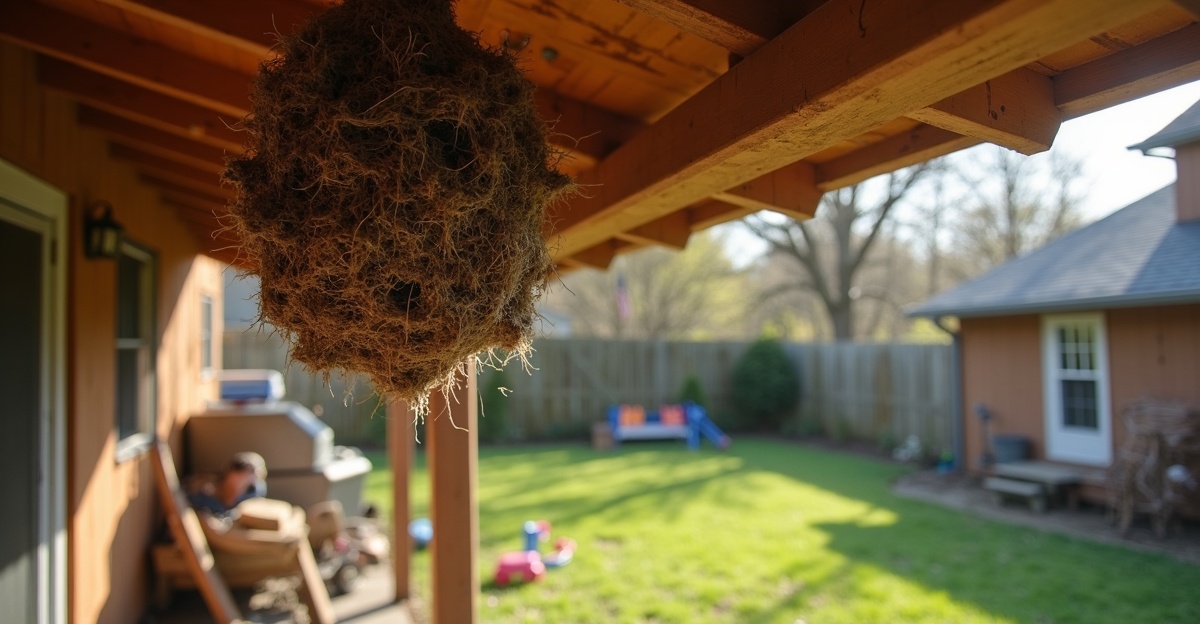
Understanding the Truth About Old Wasp Nests
Many ask, do wasps return to old nests? But in reality, most wasps don’t return to old nests. Once the chill of fall sets in, almost all species abandon their colonies and leave the structure behind, as explained by university entomology extension research on wasp colony life cycles. So, while spring clean-ups or fall inspections might turn up a nest under the eaves or in the shed, it’s highly unlikely there’s still a colony using it.
Most nests are seasonal. In our area, wasp colonies follow a clear pattern. The queen starts a new nest in spring, builds her workforce over summer, and by fall, the colony dies off—except for a few fertilized queens who fly off to hibernate and start fresh in spring, a process documented in cooperative extension studies on overwintering wasp queens. While it may seem like do wasps go back to old nests is a valid concern, they don’t go back to last year’s structure. So, if you’re wondering, “do wasps return to old nests?” the answer is no, not typically.
However, the sight of an old nest shouldn’t be ignored.
Why Old Wasp Nests Still Matter
Even though old nests no longer house active colonies, they can still cause concern or trouble for a few reasons:
- They look active: A dry, empty nest can easily be mistaken for a live one, especially by kids, pets, or anyone unfamiliar with wasp behavior. This can lead to unnecessary fear—or even injury if someone tries to remove it without checking.
- They suggest future activity: While the exact nest isn’t reused, it’s not rare for new queens to build nearby if the spot worked well before. That’s often why people believe wasps “keep coming back each summer.” We explain why in more detail here: why do wasps keep coming back every summer?
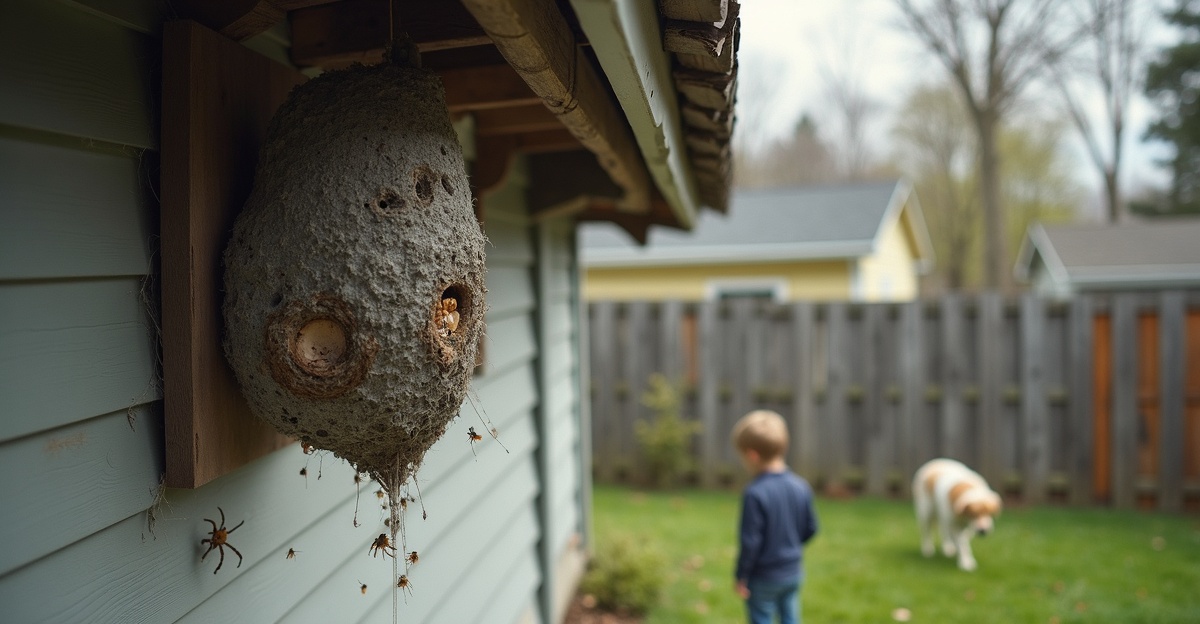
- They can attract other pests: Abandoned nests sometimes become hiding places for spiders or rodents. And in rare cases, aggressive species like hornets might build over an old nest to take advantage of the location.
If you find one early in the year during yard prep, it’s a good time to watch for new nesting signs. Learn how to do that with our guide on how to spot early signs of a wasp nest.
The real risk isn’t the old nest—it’s an unnoticed new one, especially if you’re wondering how long do wasps hang around after nest is destroyed. If you’re asking, do wasps return to same nest, it’s usually the location they like—such as secure corners of eaves, decks, and attics. These areas offer protection and easy access, making them popular year after year.
If you discover a nest and aren’t sure if it’s active or not, don’t guess. We encourage folks to play it safe and reach out. Our experienced team can check things out and offer safe removal when needed. Our full range of wasp control services helps prevent future problems and keep your space secure.
For seasonal peace of mind, especially during spring buildup, trust professionals to inspect and plan ahead. Now’s the time—as explained in our article on the best time for pest control in Southeast Idaho.
Wasp Species in Southeast Idaho and Their Nesting Habits
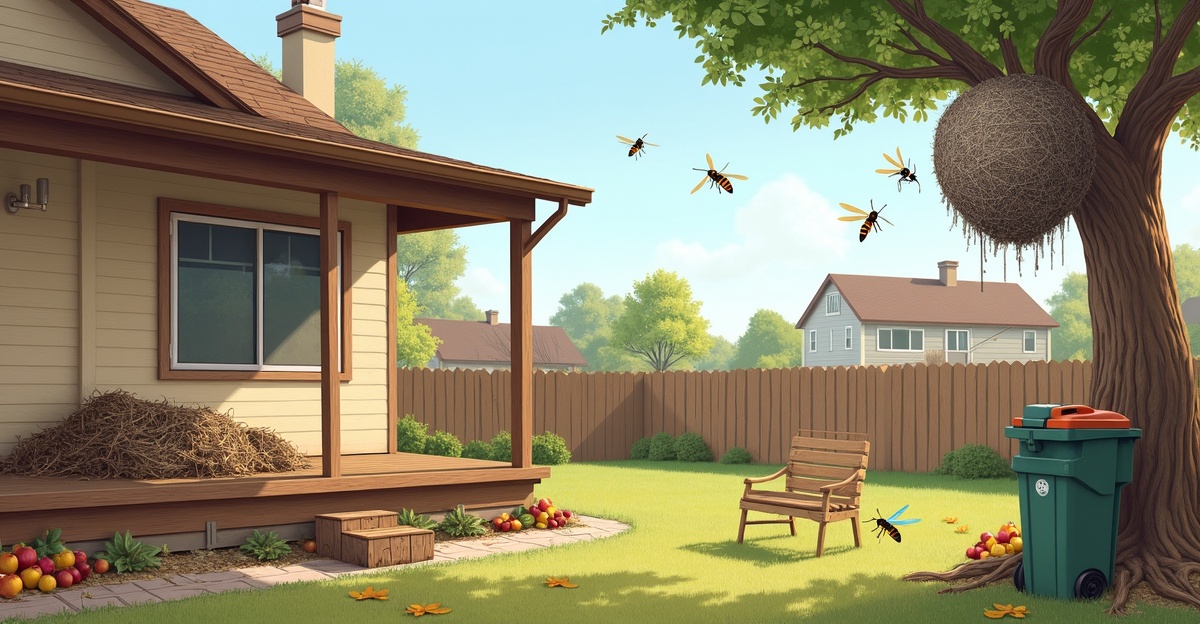
Southeast Idaho is home to a few wasp species we see most often: paper wasps, yellowjackets, and hornets, all of which are described in regional extension identification guides for stinging insects. Each one builds its nest a little differently, but they all look for spots close to steady food, shelter, and warmth. While the nests don’t get reused, many wonder do wasps come back to the same nest because the same conditions attract them year after year.
Common Wasps and Where They Like to Nest
We’ve learned over time that where a wasp builds often comes down to the species. Here’s a helpful breakdown of the most common wasps around our local neighborhoods and what they look for when nesting:
- Paper Wasps – These like quieter, shaded places that don’t get disturbed often. Eaves, attic beams, porch ceilings, and even inside sheds are top picks. Do paper wasps reuse old nests? Not usually—you’ll spot their new, umbrella-shaped nests hanging from horizontal surfaces. They’re not aggressive unless they feel threatened.
- Yellowjackets – Ground nesters most of the time, yellowjackets also squeeze into wall voids, crawlspaces, and dense shrubs. They’ve got a reputation for being more aggressive, especially in late summer. If you’ve seen them come back to a certain corner of your yard or under the deck each year, you’re not alone. They remember the conditions, even though it’s a freshly built nest each time.
- Hornets – Though technically a type of yellowjacket, hornets tend to build high-in-the-air nests in trees, utility poles, or attics. The difference between wasps and hornets comes down to size, color, and especially behavior. Many ask, do hornets reuse nests? But hornet nests are seasonal—round, with gray papery walls and a bottom entrance, and not reused.
We often see new nests pop up in spring, and they peak in activity between July and September. Our region’s warmer, dry summers provide the comfort queens need to start again once winter ends.
Do Wasps Reuse Old Nests?
Let’s clear up a common myth: do wasps reuse nests? The answer is no—they don’t reuse their nests, according to university extension entomology guidance on seasonal wasp nesting behavior. Even if it still looks intact, do wasps reuse their nests? No—once the cold hits and the colony dies off, it doesn’t get revived. However, that doesn’t mean the activity stops for good.
What actually happens is that new queens—having survived winter tucked away in a log, attic corner, or even insulation—venture out in spring to find a nest site, which answers the question do wasps return to their nest after winter. If your home or yard offered good cover before, chances are it’ll look appealing again. That’s why it may feel like they return to the “same nest,” even though everything starts fresh.
It’s all about the setup: shelter, warmth, and access to food, like fallen fruit, garbage bins, or nearby picnics. You might start noticing early signs of a wasp nest in those same eaves or fence gaps as last time.
We always recommend removing old nests and sealing gaps to prevent new queens from settling in. Still, simply knocking down a structure won’t fully solve the problem if you’re wondering, will wasps return to a destroyed nest?
Why Some Spots Attract Wasps Every Year
The key thing to remember is that it’s not the structure they return to—it’s the conditions, which explains why do wasps come back to the same place year after year. Here’s what typically draws them back, season after season:
- Quiet, undisturbed overhangs or corners (like eaves, sheds, and attics)
- Existing shelter, like wood piles or wall crevices
- Proximity to food (open trash, compost, orchards, or sugary drinks)
- Access to water (pet bowls, leaking spigots, or birdbaths)
If you’ve dealt with buzzing guests each year, you might want to read more about why wasps keep showing up every summer. Blocking off entry points, trimming plants around structures, and keeping food sealed helps—especially in spring, when queens are just starting out.
Should you try handling it alone? It may seem tempting, but most store-bought sprays fall short when you’ve got a persistent or hidden colony. Here’s a closer look at how effective DIY wasp sprays actually are for nests.
To truly stop repeat problems, it helps to understand the wasp behavior by season and act early in the year. According to local patterns, the best time for pest control in Southeast Idaho is in spring before the colony builds strength.
If you’ve found nests under the eaves or think there’s activity inside the attic, we’re here to safely assess and remove it. Our team offers complete wasp control services that focus not just on removal, but prevention as well. Everything we do aims to restore peace of mind and keep your home or property clear year after year.
We treat every home and business like it’s our own, and that includes identifying what’s drawing the pests to begin with. If you’re tired of dealing with returning nests even after removing them, let’s talk. You can reach out to us here and we’ll walk you through your options—clearly, honestly, and without pressure.
Why It’s Still Important to Deal with Old Wasp Nests
Old wasp nests might look harmless in the off-season, but they can still bring a few surprises. Even when a nest appears inactive, risks remain—especially for families with curious kids or pets nearby. We’ve seen folks assume an old nest is harmless, only to discover it’s not quite empty or it’s become a beacon for new activity in the spring.
What Makes Old Nests a Problem
There are a few good reasons we always recommend dealing with nests once a colony is no longer active:
- New queens may return: In spring, emerging queens scout for familiar or successful nesting spots. Leaving an old nest hanging sends a signal that the area provided shelter once, and it might do the job again. Think of it as a roadmap for next season’s trouble.
- Other pests can move in: Empty nests can become homes for spiders, beetles, or other insects. While they aren’t likely to be as aggressive as wasps, they can still create unwanted issues.
- It’s tough to tell from a distance: Nests can look inactive even while harboring a few stragglers or pests drawn to leftover food scraps or structural shelter. If we assume a nest is empty without checking, we leave a risk hanging over our heads—literally.
- Tricky for safe inspection: Getting close enough to confirm whether there’s movement can be dangerous, especially without protective gear. For anyone unsure about how to deal with old wasp nests safely, it’s much easier—and safer—to reach out to professionals.
We’ve noticed this often causes confusion in early summer. If you’re seeing wasps return to the same area each year, an old nest might be part of the reason. You can learn more about why they keep coming back in our post about recurring wasp activity.
It’s also worth noting that DIY sprays and foams don’t always take care of the issue fully, especially when nests are tucked away inside siding or under eaves. Before attempting to remove anything by hand or with over-the-counter products, read up on how effective DIY wasp sprays really are.
If you’re unsure whether a nest is active or just want peace of mind that it’s been handled properly, our team can help with professional wasp control. We’ll make sure the nest is safely removed and the surrounding area evaluated so you’re not setting the stage for future nesting.
And if you’re looking to prevent surprise colonies before warm weather hits, the best time for wasp prevention in Southeast Idaho starts earlier than most expect.
We’re always here to help the community feel safe, comfortable, and worry-free at home. A little action now saves a lot of stress later.
What You Can Safely Do as a Homeowner
We understand the frustration of seeing wasps reappear around your home year after year. While they typically don’t reuse old nests, they often return to the same area to build new ones. There are a few things we can do on our own to reduce the chances of that happening—without risking safety or damaging our homes.
Safe Steps to Manage Wasp Nests and Prevent Their Return
With a little time and care, we can help reduce wasp activity early in the season and make our homes less attractive to these stingers. Let’s start with these homeowner-friendly tips:
- Inspect Your Property Early: Spring and fall are prime times to check around gutters, under eaves, and inside sheds or garages. Early nest detection can prevent a full-blown problem later. If you’re unsure what to look for, check out this guide on how to spot early signs of a wasp nest.
- Stay Grounded: Never use tall ladders without help. Wasps often build high up, but it’s not worth the fall risk. If you see any signs of activity above reach, it’s safer to get expert help.
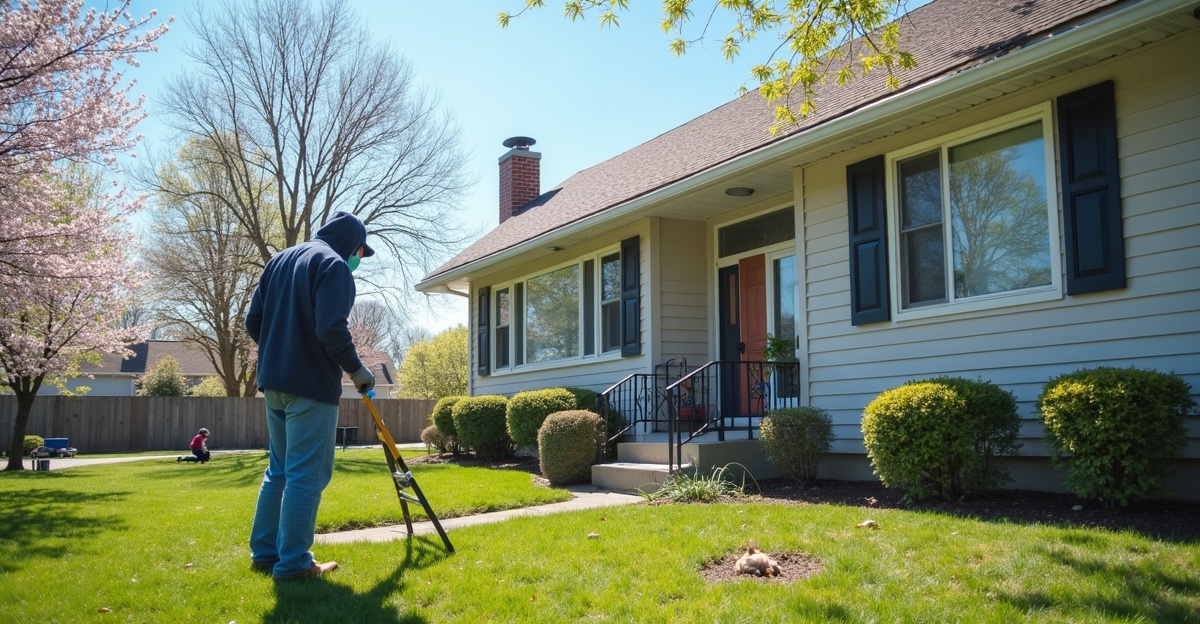
- Only Remove Abandoned Nests: Wasps don’t typically return to the same nest, but that doesn’t mean it’s empty. If you’re confident the nest is inactive (usually in late fall or early spring), it’s safe to knock it down using a long stick or broom—keeping a healthy distance and wearing protective gear. When in doubt, leave it to professionals.
- Seal Entry Points: Walk around your home and seal cracks or holes where wasps might enter. Pay close attention to the roofline, siding, window frames, and especially attic vents. Screens or foam sealant can block off easy access points.
- Control Overgrowth: Trim back shrubs, trees, and vines—especially near the home’s exterior. Wasps prefer building in quiet, undisturbed areas with overhead cover.
- Secure Food & Trash: Outdoor dining areas, exposed garbage bins, and pet food all attract wasps. Keep lids tight and clean up spills quickly.
These simple steps help with how to keep wasps from coming back each summer.
Family and Pet Safety Around Wasps
One sting can be a serious matter for pets and kids, especially if anyone has allergies, as outlined in public health guidance on insect sting reactions from the CDC. We take safety seriously and recommend the following precautions:
- Keep children and animals away from areas where wasps are active or where a nest has been spotted.
- Avoid swatting lone wasps—it can trigger aggressive behavior from the colony.
- Don’t disturb semi-active nests. Even if they look quiet, wasps might still be inside or nearby. Observe from a distance or schedule a professional inspection.
If you have concerns about an active nest near your home, especially in high-traffic areas, reach out for support. Our wasp nest removal in southeast Idaho is safe, effective, and handled with care for your family and property.
We also offer general residential pest control services to help prevent repeat visits from wasps and other pests. Our team’s goal is peace of mind—so you don’t have to worry about what’s buzzing just outside your door.
To better understand seasonal patterns and reduce chances of reinfestation, you may want to check out our article on the best time for pest control in Southeast Idaho. Knowing when to act plays a big role in long-term prevention.

When It’s Better to Call a Local Pro
If we notice a wasp nest in a tough spot—high eaves, wall voids, or tucked into the attic—it’s smart to bring in a professional. Trying to handle an active nest without the right tools or protection isn’t just tricky—it’s risky. Even if we don’t see many wasps around, an inactive-looking nest can still pose a threat if it’s not properly assessed.
Wasps can keep coming back to similar spots each year, especially if they find sheltered areas nearby or leftover material from an old nest. If wasps keep showing up, especially during the warmer months, it can feel like wasps keep coming back after nest is gone. Here’s where it helps to know a little about local habit patterns. In Southeast Idaho, for example, we work with specific wasp species that behave in ways unique to this area. The structure of our homes and the way the seasons move through this region can all influence when and how quickly wasps take hold.
We’ve seen folks try to tackle the problem on their own. But wasp removal—especially if it involves inside walls or rooflines—often needs more than a store-bought spray. Professional equipment, protective gear, and the experience to work safely around aggressive insects go a long way in keeping us protected—and getting the job done right. If you’re thinking about a DIY option, it’s worth checking out whether DIY wasp sprays are effective first.
If we’ve spotted a nest early and aren’t sure if it’s active, or if we’ve seen returning activity in the same area each summer, it can give us peace of mind to get a free inspection. At DeWebb Pest Control, we offer professional wasp treatment and honest answers about what’s going on—no pressure, just clear next steps.
Reasons to Reach Out to DeWebb
Here are a few situations where calling in a skilled local team makes all the difference:
- The nest’s in a wall, attic, or hard-to-reach area
- Wasps are active near doors, porches, or kids’ play spaces
- We see wasps coming back to the same location each summer
- There’s swelling, stinging risk, or allergy concerns in the family
- We’re unsure if a nest is occupied or abandoned
We know when nests tend to pop up in this area and how best to prevent them before things get worse. If we’re curious about how long colonies stick around in this region, we can learn more in this guide on wasp colony life in Idaho.
As neighbors in Southeast Idaho, we care about your home’s comfort and your family’s safety. Whether we need one-time help or we want ongoing protection, you can count on us for honest, reliable residential pest control.
Smart Prevention for a Wasp-Free Season
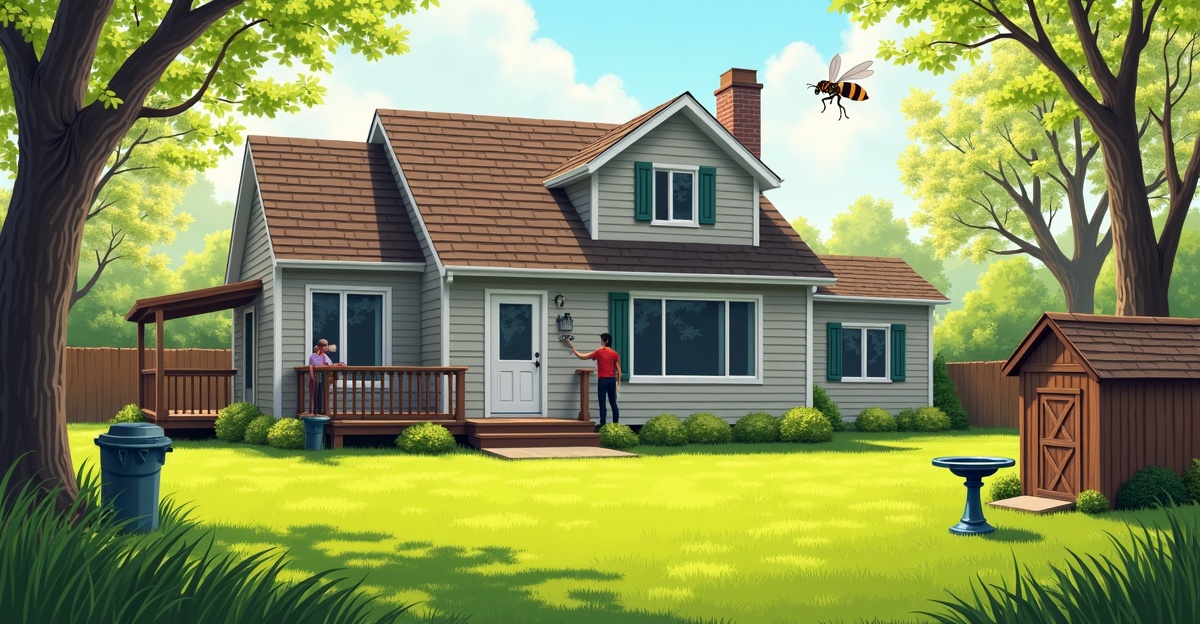
Early spring offers the best window to prevent wasps from turning your home into their next colony, which is often when homeowners ask when do wasps return to their nest. Queen wasps come out of hibernation in search of fresh locations, and that’s our opportunity to act before they settle in. We recommend starting with a full inspection of your home’s exterior and sealing up any gaps, cracks, or vents they might find cozy.
Some nesting spots are more common than others. Keep a close eye on these areas where wasps like to build:
- Attics with poor insulation or access points
- Wall voids, especially under siding or soffits
- Eaves and rooflines where nests often go unnoticed
- Outdoor sheds and old playhouses
- Under decking or patio awnings
We’ve seen plenty of nests in these spots, and early action makes all the difference. If you spot the first signs, such as papery bits forming or suspicious buzzing activity, take a peek at our post on how to spot early signs of a wasp nest.
Simple Ways to Keep Wasps Away
We focus on prevention just as much as removal. There are a few things we can all do to make our spaces less attractive to wasps in the first place:
- Dump out standing water often—birdbaths, buckets, clogged gutters.
- Keep food covered during backyard barbecues and store trash in tightly sealed bins.
- Use caulk or mesh to block vents and gaps around windows and doors.
- Trim vegetation close to structures and keep wood piles away from the house.
Want to better understand how to keep wasps from coming back? Their habits are fairly predictable—and that can help us stay one step ahead.
Trusted Help Across Southeast Idaho
Our team has been protecting homes in Idaho Falls, Rexburg, and across Southeast Idaho for over 15 years. We know the local climate and how it shapes pest behavior. That’s why we offer prompt, effective wasp treatment that doesn’t cut corners.
If you’re interested in preventing more than just wasps this season, our year-round pest control services are a great way to stay protected. We always take a people-first approach: clear communication, respectful service, and no surprises.
Let’s work together to make your home feel safe again. We’re happy to visit and build a plan that fits your property and peace of mind.
Frequently Asked Questions
No, wasps do not reuse old nests—so do old wasp nests get reused? The answer is no. Most wasp species build a completely new nest each spring because old nests are structurally weak and may contain parasites or disease. Even if a nest looks intact, it will not be occupied again. New queens prefer starting fresh, which helps improve the survival of the next colony.
Wasps return to the same locations, not the same nests, which explains why people ask, do wasps nest in the same place every year? Areas that provide shelter, warmth, and easy access to food are attractive year after year. Eaves, sheds, wall voids, and deck overhangs often meet these conditions, making it seem like wasps are reusing nests when they are actually rebuilding nearby.
Removing old nests can help reduce future nesting but does not guarantee prevention. Old nests signal that the location was suitable before, which may attract new queens. Removing the nest, sealing cracks, and reducing food and water sources together are more effective at discouraging wasps from settling in the same area again.
In most cases, no wasp species reuse old nests. Paper wasps, yellowjackets, and hornets all abandon their nests at the end of the season. While rare exceptions are sometimes rumored, established research shows that seasonal nest building is the norm, with each colony starting from scratch the following year.
An old wasp nest is usually inactive, but leaving it up can cause confusion or attract other pests like spiders. It may also make it harder to spot new nesting activity nearby. Removing abandoned nests during late fall or early spring is generally safe and makes monitoring for new wasps much easier.