What’s the Difference Between Hornets and Yellowjackets?
In Southeast Idaho, hornets and yellowjackets may appear alike at first glance, especially when homeowners are trying to tell the difference between a yellow jacket vs ground hornet. But understanding are yellow jackets and hornets the same helps us manage them safely around our property. This guide focuses on hornets vs yellowjackets in Idaho so we can identify them quickly and understand when professional support becomes essential.
Key Takeaways
- Yellowjackets are smaller with bright yellow and black stripes. They often build concealed nests underground or inside wall spaces.
- Bald-faced hornets are larger with bold black and white patterns. They usually build visible paper nests above ground in trees or beneath overhangs.
- Yellowjackets act aggressively, especially in late summer. They can sting multiple times without provocation.
- Hornets tend to stay calm unless we disturb their nests. Still, their stings can feel more painful due to their larger size.
- Southeast Idaho’s seasons create peak activity in late summer and early fall—this is the highest-risk period for stings and nest encounters.
How to Tell Hornets and Yellowjackets Apart at a Glance
Knowing the difference between hornets and yellowjackets is essential for safe summer living across Southeast Idaho. They’re both part of the wasp family in the Vespidae classification, but their behavior, nesting habits, and physical traits make them quite different.
Hornet vs. Yellowjacket Quick Comparison
Here’s a simple breakdown to help with quick hornet identification in Idaho:
- Appearance:
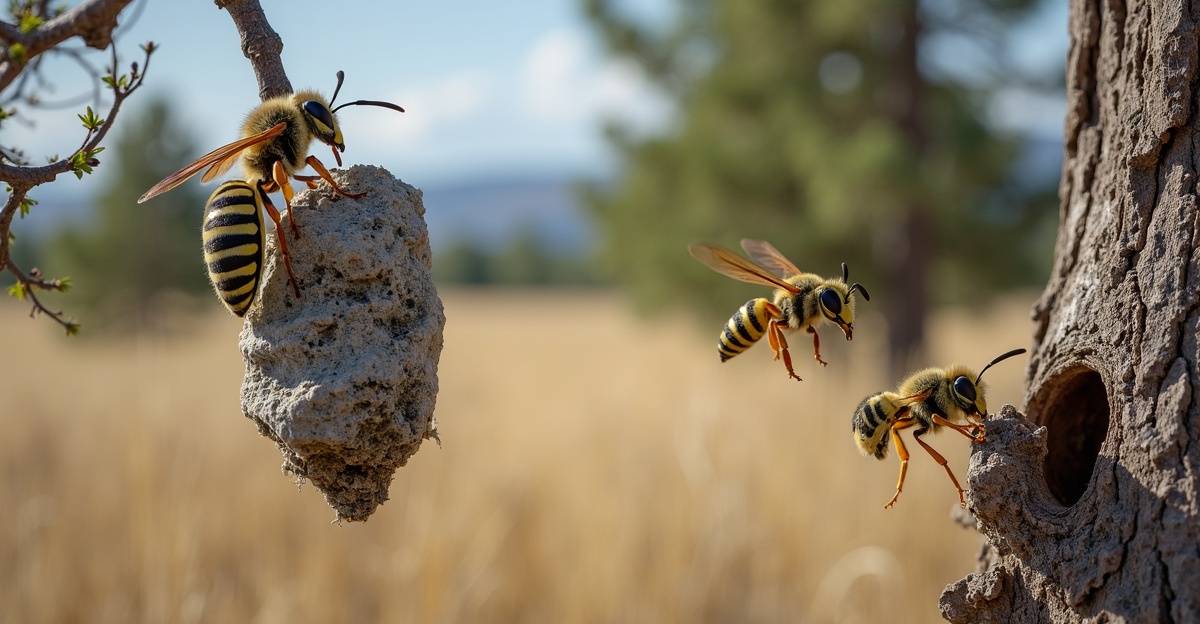
- Western Yellowjacket: Bright yellow and black, small (about ½ inch long), narrow waist
- Bald-faced Hornet: Larger (up to ¾ inch), black with white face and markings, more robust build
- Nest Type & Placement:
- Yellowjackets: Underground or hidden in wall voids
- Hornets: Paper nests high up in trees, shrubs, or under eaves
- Aggression:
- Yellowjackets: Very aggressive, especially in late summer
- Hornets: Less likely to attack unless the nest is disturbed
- Peak Season in Southeast Idaho:
- Mid-to-late summer through early fall for both species
For a deeper look at what’s the difference between wasps, hornets, and yellowjackets, we break it down further in this guide.
Where You’ll Likely Find Their Nests Around Your Home
Nesting location plays a big part in both safety and removal methods, especially when comparing ground hornets vs yellow jackets and understanding a yellow jacket nest vs hornet nest. In cities like Rexburg and Idaho Falls, it’s common for Western yellowjackets to build underground nests, as noted by university extension entomology programs. They often choose spots close to foundations, garden beds, or even inside wall cavities. Their nests stay well hidden, which makes accidental encounters more likely.
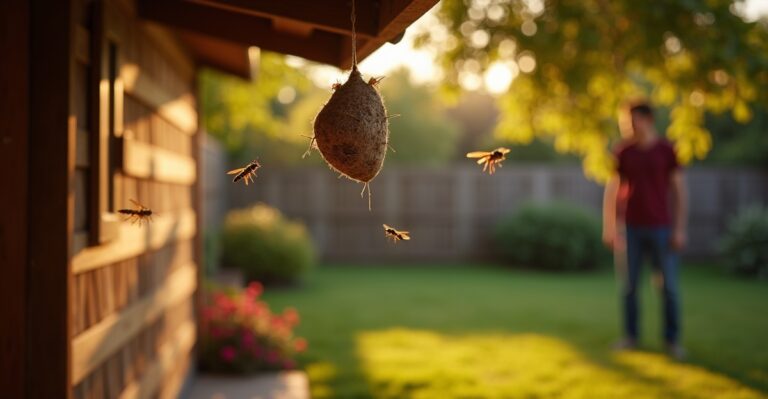
Bald-faced hornets typically construct large, grey, football-shaped nests above ground. You’ll often spot these in trees, bushes, or tucked into corners under your roofline.
When these nests appear near play areas, patios, or pet runs, the risk goes up fast. Spotting nests early is key. Here’s how:
- Watch for steady traffic in and out of a single area—whether it’s a bush or a ground hole.
- Use binoculars or stay at a distance when observing elevated nests.
- Never poke, spray, or disturb a nest without proper knowledge or tools.
We offer professional, safe pest control for yellowjackets and other stinging insects across Southeast Idaho homes.
How Dangerous Are They? Understanding Aggression and Stings
Understanding their defensive behavior helps prevent painful run-ins. Yellowjackets are among the most aggressive wasps, particularly in late summer, according to university entomology research. Especially in August and September, they become highly territorial and food-hungry. These stingers don’t stop at one sting—they can jab multiple times and often attack in groups.
Hornets, especially bald-faced hornets, are generally less reactive unless their nest feels threatened. But if they do go into defense mode, their larger size means a sting can feel more intense.
Wasp stings carry risk beyond pain, and the CDC outlines symptoms of severe allergic reactions that require immediate medical attention. Many people experience swelling and itching, while others may react with dizziness, breathing issues, or more serious allergic symptoms. If that happens, seek medical attention right away.
To avoid getting stung:
- Don’t swat at them—it aggravates them more.
- Avoid wearing strong perfumes or bright patterns outdoors.
- Keep food and drinks covered during outdoor meals.
- Mow and garden cautiously where you suspect underground nests.
If you’re noticing more aggressive wasps in Idaho lately, you’re not alone. Nests grow in size late in the summer, and that’s when stings and swarms are most common.
What to Do If You See Them: Safe Observation and DIY Limits
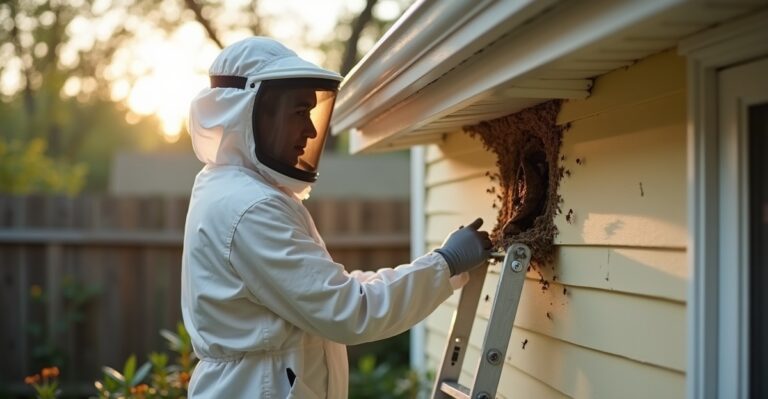
If you notice wasps or hornets coming and going, step back—literally. Take a few moments to watch from a safe distance. Follow the flight pattern to see where they’re heading. Finding the nest can help determine the risk level.
DIY sprays might look convenient, but they often fall short. In many cases, they just anger the colony, causing insects to scatter or attack. A store-bought can isn’t built for nests hidden in a roofline or deep underground.
We’ve broken down why DIY wasp sprays aren’t always effective and when to avoid using them entirely. If yellowjackets are flying near trash cans or patio tables in the fall, they’re in foraging mode. That’s when they get bold and overly interested in anything sugary or meaty nearby.
Here’s when to call in help:
- You see a nest near your kids’ play area, front door, or garage
- You’re spotting frequent wasp activity but can’t locate the nest
- You’ve already tried a DIY solution, and it didn’t work
Knowing when to call pest control in Idaho can prevent injury and minimize property damage.
How Southeast Idaho’s Climate Affects These Pests
Southeast Idaho’s warm summers and cooler falls create the perfect lifecycle for wasps. As temperatures rise in late spring, yellowjacket and hornet queens begin building new colonies, following their typical seasonal lifecycle. Populations peak in mid-to-late summer—as many of us are enjoying backyards and BBQs.
By early fall, food sources change. That’s when yellowjackets, in particular, become more persistent around scraps and drinks. Although winter kills off most colonies, it’s natural for new nests to appear in the same locations year after year. This is due to favorable conditions and returning queens.
Both hornets and Western yellowjackets thrive in areas with tall trees, open lawns, and sheds—common features across Southeast Idaho homes.
If you’re wondering, do wasps return to old nests each year? Not exactly—but they often rebuild close by. Keeping an eye out year after year helps avoid surprise visits.
Your Local Partner in Pest Safety: When to Call DeWebb
At DeWebb Pest Control, we understand how unsettling it can be to find a nest near your home. Hornets and yellowjackets aren’t just annoying—they can become a real safety concern. That’s why we offer honest, no-pressure evaluations with clear guidance on next steps.
We serve communities across Southeast Idaho, including Rexburg, Ammon, Pocatello, and Idaho Falls. Whether you need support with stinging insects, ants, flies, or rodents, we’ve got you covered.
Your safety—and peace of mind—are our priority. Learn more about removing a wasp nest safely or explore why wasps keep returning each summer.
To schedule a free evaluation or ask a question, reach out today. We’re here to keep your home and family protected, all season long.
Frequently Asked Questions
The main difference is size, color, and behavior. Yellowjackets in Idaho are smaller with bright yellow and black stripes and are highly aggressive. Hornets, usually bald-faced hornets, are larger with black and white markings and are less aggressive unless their nest is threatened. Nest location is also a key distinction.
Yes, yellowjackets are generally more aggressive than hornets in Southeast Idaho. They defend their nests aggressively, especially in late summer, and are attracted to food and drinks. Yellowjackets can sting multiple times and may attack in groups, while hornets usually sting only when their nest is disturbed.
Yellowjackets typically build hidden nests underground, in wall voids, or near foundations, making them harder to detect. Hornets usually build large, visible paper nests above ground in trees, shrubs, or under roof eaves. Nest location often determines how risky accidental encounters can be.
Hornet and yellowjacket activity in Idaho peaks from mid-summer through early fall. During this time, nests are at their largest and food sources become scarce, increasing aggressive behavior. August and September are the highest-risk months for stings around yards, patios, and outdoor gathering areas.
Nest removal is usually not recommended without proper training and equipment. DIY sprays often fail to eliminate the entire colony and can trigger aggressive swarming. Professional pest control is safer, especially for underground yellowjacket nests or hornet nests located near doors, play areas, or rooflines.