Are Wasps Attracted to Certain Colors?
Homeowners often ask which colors attract wasps in Idaho yards. We usually see increased activity around bright floral shades like yellow, white, orange, and blue because these colors resemble nectar-rich blooms. Color can spark curiosity or defensive behavior near an active nest, yet scent, accessible food, movement, and seasonal shifts in Southeast Idaho influence wasp activity far more around patios, decks, and play areas.
Key Takeaways
- Wasps gravitate toward bright floral colors such as yellow, white, orange, and blue because these shades signal nectar sources.
- Dark colors may trigger defensive responses near a nest, but they rarely draw wasps in from a distance.
- Food and scent—especially sugary drinks, ripe fruit, meat, pet food, and trash—attract wasps more strongly than clothing or décor colors.
- Wasp activity rises in late summer and early fall across Southeast Idaho as colonies expand and natural food sources decline.
- Prevention works best when we limit food access, secure garbage, check for early nest development, and address hidden nesting spots quickly.
What Colors Really Catch a Wasp’s Attention?
Wasps are most attracted to bright, floral colors like yellow, white, orange, and blue. These shades resemble nectar-rich flowers, which is why questions about colors that attract wasps Idaho homeowners notice in their yards come up so often.
Many people ask whether yellow jackets are attracted to certain colors. The answer is yes, to a degree. Bright tones can spark curiosity because they signal potential food sources. Wasps are visual hunters and scavengers. Flowers feed them. Bright petals stand out in landscapes. So those colors naturally draw their attention.
Dark colors, including black or deep brown, can trigger defensive behavior. That reaction happens most often near a nest. In nature, many of a wasp’s predators—like bears and some mammals—have dark fur. When a wasp sees a large, dark shape moving nearby, it may interpret that as a threat and respond aggressively. That doesn’t mean dark clothing automatically attracts wasps from a distance. It means dark colors close to a nest can put them on alert.
To understand this fully, we need to look at wasp behavior explained in simple terms. Wasps rely heavily on contrast sensitivity and movement detection in insect vision, which helps them notice objects that stand out against their surroundings. They notice things that stand out against their surroundings. Quick motion, strong color contrast, and nearby activity matter more than a personal preference for one specific color.
Color influences curiosity or defensiveness. It is rarely the root cause of a wasp problem. If wasps are consistently around patios, decks, or play areas, there is usually something else drawing them in. Our goal is to help people understand what’s happening around their home so small adjustments can make a big difference.
Why Food and Scent Matter More Than Color in Southeast Idaho
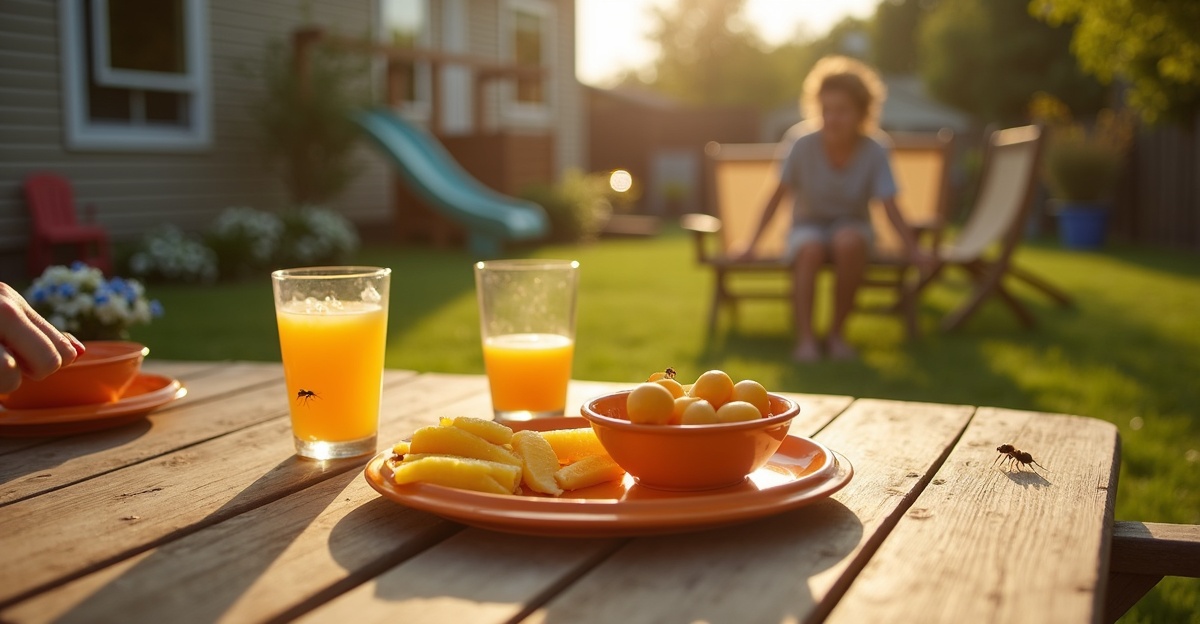
Sugary drinks, ripe fruit, protein like grilled meat, pet food, and accessible garbage are common food sources that attract yellow jackets, far more strongly than the color of patio cushions. Food and scent drive most wasp activity around homes.
Late summer and early fall in Southeast Idaho bring a noticeable shift as yellow jacket colonies reach peak population size in late summer, increasing foraging activity. Natural food sources begin to decline. Colonies are near peak size. At that stage, wasps become more aggressive and persistent while searching for easy calories. That’s why backyard barbecues and outdoor gatherings often feel like magnets for yellow jackets.
Across Idaho Falls, Rexburg, Ammon, Blackfoot, Rigby, Pocatello, and Ririe, we consistently see activity spike during harvest season and community events. Gardens are producing. Trash bins fill faster. Sweet drinks sit out longer. Wasps respond quickly to those opportunities.
If wasps keep showing up on patios, it is often about food access or hidden nesting sites—not the color of a shirt. For practical guidance on long-term patterns, we often share insights like why wasps keep coming back every summer. Recurring activity usually connects to environmental factors, not random chance.
For families looking for immediate steps on how to keep wasps away from patios, start with reducing scent cues:
- Limit exposed food during outdoor gatherings.
- Clean spills immediately, especially sugary drinks.
- Store trash properly in sealed containers.
These actions are more effective than changing décor colors.
We understand that repeated wasp sightings create stress. Most of the time, the solution starts with identifying what is feeding them and where they may be nesting. Once those two factors are addressed, activity often drops quickly.
Practical Ways to Reduce Wasp Activity Around Your Home
Prevention works best when it targets the real causes of attraction. Here are straightforward steps we recommend across Southeast Idaho:
- Keep trash bins tightly sealed and positioned away from entry points.
- Cover food and sugary drinks during outdoor meals.
- Rinse recycling containers before placing them in bins.
- Trim shrubs and inspect eaves, sheds, fences, and play structures for early nest formation.
- Seal cracks and gaps around siding and rooflines to help prevent wasp nests around the home.
- Choose lighter neutral clothing during peak wasp activity if spending time near flowers or landscaping.
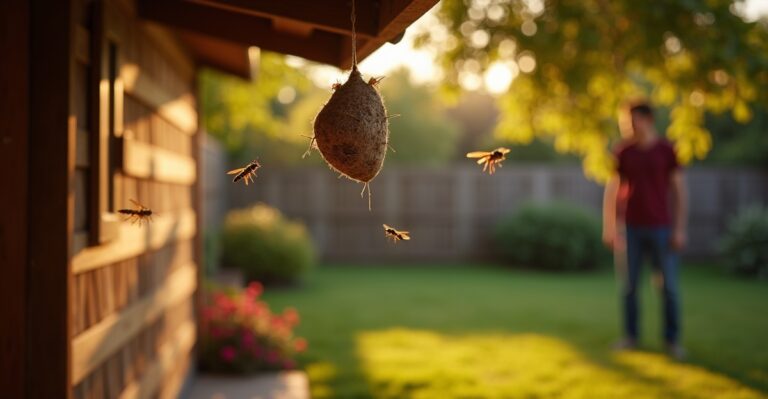
Small changes protect children and pets, who are more likely to startle a nest by accident. Regular property checks are especially important because some species nest under eaves or in sheltered areas. If that’s a concern, guidance like how to stop wasps from building under eaves can help homeowners act early.
When nests are small, they are easier to address. Once colonies mature, removal becomes riskier. For homeowners wondering how to get rid of wasps safely, we always recommend prioritizing safety over speed. Disturbing an active nest without proper protection can trigger aggressive defensive behavior.
Our team provides professional wasp control services across the region. We focus on prevention first, because long-term peace of mind matters more than quick fixes. For residents searching for wasp control in Idaho Falls or nearby communities, a professional inspection helps determine whether activity is simple foraging behavior or an established colony.
Bright vs. Dark Colors: Myth-Busting Common Beliefs
There are plenty of strong opinions about what wasps love or hate. Let’s clear up a few common myths.
Myth: Bright colors will attract all wasps.
Floral tones like yellow and white can spark curiosity because they resemble nectar sources. However, scent and accessible food consistently play a larger role. Bright clothing alone does not create a wasp problem.
Myth: Dark clothing always attracts attacks.
Dark colors may trigger defensive behavior near an active nest. That reaction is about perceived threats, not attraction from long distances. Random attacks simply because someone wore black are uncommon.
Some homeowners ask whether wasps hate certain colors. There is no strong evidence that wasps avoid a specific color altogether. Their responses depend on context, movement, proximity to a nest, and food cues.
For those wondering what color to wear to avoid wasps, light neutral shades may reduce curiosity, especially during outdoor activities near flowers. Pair that choice with minimizing strong scents and avoiding sweet fragrances for better results.
Clear, realistic expectations reduce frustration. Color has influence, but environment and behavior matter more.
When Wasp Activity Becomes a Safety Concern
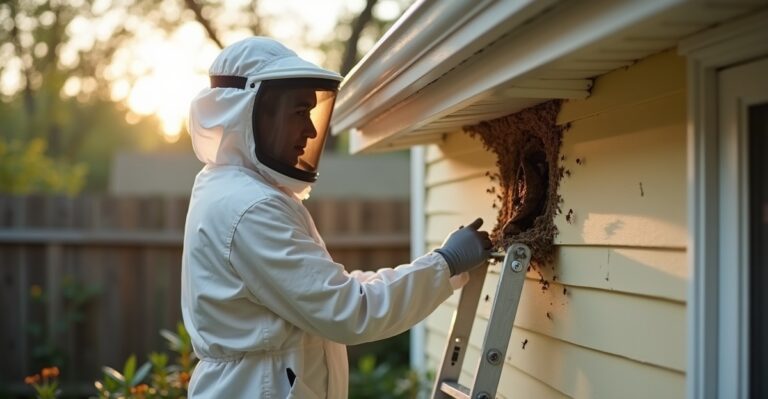
DIY nest removal can be dangerous, particularly with yellow jackets. Many yellow jackets nest underground or inside wall voids. Disturbing those nests can result in multiple stings within seconds.
Late summer in Southeast Idaho brings peak colony size. At that stage, nests may contain hundreds or even thousands of workers. Defensive response intensifies. Decisions that might seem simple become high risk.
We never recommend attempting high-risk removal without proper protective equipment and experience. Underground nests are especially unpredictable. Elevated nests under eaves or inside attics carry fall hazards along with sting risk.
Understanding species differences also helps. For anyone unsure about identification, we often clarify the difference by explaining wasps and hornets so the right approach is used. Removal strategies vary depending on species and nest location.
If repeated activity continues around patios, play areas, or entry points, professional inspection is the safest path forward. Our team provides local support through comprehensive residential pest control services across Idaho Falls, Rexburg, Ammon, Blackfoot, Rigby, Pocatello, and Ririe.
If you’re noticing repeated wasp activity around your home, our local team is happy to provide an inspection and safe, long-term solution.
We’re your neighbors. We believe in honest answers, clear pricing, and dependable service that protects homes and families. When safety is on the line, experienced help makes all the difference.
Frequently Asked Questions
Wasps are most attracted to bright floral colors such as yellow, white, orange, and blue. These colors resemble nectar-producing flowers, which signal potential food sources. In Idaho landscapes, wasps often investigate these shades because they stand out visually. However, color alone rarely causes a wasp problem; accessible food, sweet drinks, fruit, and garbage typically attract far more wasps around patios and outdoor areas.
Yes, yellow jackets may react to certain colors, especially bright floral tones. Colors like yellow, white, and orange can catch their attention because they resemble flowers. Dark clothing can also trigger defensive behavior if someone is close to a nest. This response is not true attraction but a perceived threat, since many natural predators have dark fur or coloring.
Dark colors can sometimes increase defensive reactions when someone is near an active wasp nest. Wasps may interpret dark shapes as potential predators, which can make them more alert or aggressive. However, dark clothing does not usually attract wasps from a distance. Defensive behavior typically happens only when movement or proximity signals a possible threat to the colony.
Light, neutral colors such as beige, light gray, khaki, or soft pastels are generally less likely to draw a wasp’s attention. These shades blend more naturally with surroundings and do not resemble nectar-rich flowers. Wearing lighter colors can help reduce curiosity from foraging wasps, especially during late summer when activity increases around gardens and outdoor gatherings.
Wasp activity increases in late summer because colonies reach their largest size while natural food sources start to decline. Worker wasps begin searching more aggressively for sugar and protein, which often leads them to outdoor meals, fruit trees, garbage bins, and sugary drinks. This seasonal shift is common across Idaho and explains why wasps appear more persistent during barbecues and harvest season.