Do Wasps Pollinate Like Bees?
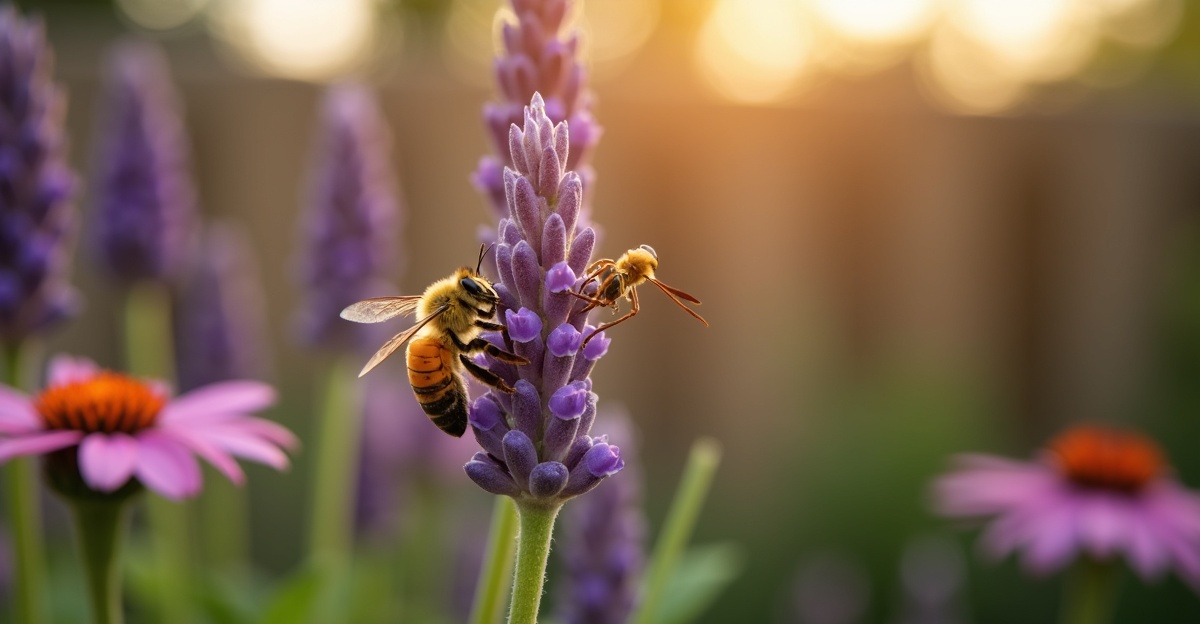
Homeowners often ask whether wasps pollinate Idaho gardens like bees do. We’ve found the answer is yes, but only incidentally and far less efficiently. Wasps visit flowers for nectar. They don’t actively collect pollen. They can move small amounts of pollen between blooms, yet bees remain the primary and far more effective pollinators in Idaho landscapes.
Key Takeaways
- Wasps in Idaho contribute to incidental pollination, but they don’t serve as primary pollinators like bees.
- Bees are built for pollination with dense, branched hairs, while wasps have smoother bodies that carry less pollen.
- Most wasps visit flowers for nectar or hunt insects. They don’t gather pollen to feed their young.
- Common Idaho species like paper wasps and yellow jackets can assist with minor pollination, yet we know them more for pest control and defensive behavior near nests.
- Nest location and seasonal activity determine whether wasps act as helpful predators or create safety concerns around the home.
Do Wasps Pollinate in Idaho? Here’s the Short Answer
Wasps do pollinate in Idaho, but not like bees. They contribute to incidental pollination, meaning pollen sticks to their bodies by accident while they feed on nectar.
Are wasps pollinators in Idaho? Yes—just not the primary or most efficient ones. Unlike bees, wasps don’t have dense, branched body hair that helps trap and transport pollen efficiently. Their smoother bodies simply aren’t built for heavy pollen collection.
That distinction matters. Bees actively collect pollen as a food source for their young. Wasps usually visit flowers for nectar or hunt other insects. As they move from bloom to bloom, some pollen transfers along the way. It’s helpful, but secondary.
In Southeast Idaho, gardens, fruit trees, and flowering plants may occasionally attract paper wasps or yellow jackets. In many cases, those wasps are simply feeding. Their presence doesn’t automatically mean there’s a threat.
Wasps vs. Bees: What’s the Difference in Pollination?
Understanding the difference between wasps and bees starts with body structure and behavior.
Bees are fuzzy. Their branched hairs are built to grab and hold pollen. Wasps have smoother bodies and narrower waists, with minimal hair. That single difference has a major impact on pollination efficiency.
Bees actively gather pollen to feed developing larvae. It’s a core part of their life cycle. Most wasps, by contrast, hunt insects or scavenge protein sources. They visit flowers mainly for nectar, not pollen.
As a result, bees are primary pollinators responsible for the majority of intentional pollination activity in gardens and agricultural settings. Wasps provide secondary, accidental pollination.
So do wasps pollinate like bees? No. They aren’t built for it, and it’s not their primary focus. Still, they play a small supporting role in local ecosystems, and that’s worth recognizing without overstating their impact.
If there’s confusion around related species, we explain more in our guide on the difference between wasps and hornets.
Common Idaho Wasp Species and Their Roles Around Your Home
Several Idaho wasp species show up regularly around homes in Rexburg, Idaho Falls, Ammon, Rigby, Blackfoot, Pocatello, and Ririe. The most common are yellow jackets Idaho residents deal with each year, along with paper wasps Idaho homeowners often spot under eaves.
Yellow jackets are scavengers. They frequently nest underground or inside wall voids. While they provide minimal pollination, they’re active predators of flies and other insects, which gives them some value as natural pest control. We cover more identification details in our post on the difference between hornets and yellowjackets.
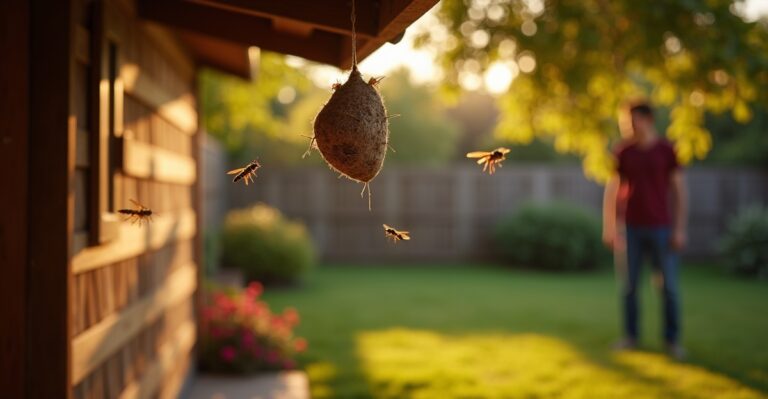
Paper wasps build umbrella-shaped nests under rooflines and overhangs. They feed on nectar and can contribute to incidental pollination more than yellow jackets. They’re typically less aggressive unless their nest is disturbed.
Mud daubers are solitary wasps. They rarely show aggression and play a minor role in pollination. Most homeowners notice them because of their small mud tube nests, not because of stinging behavior.
Seasonality also matters:
- Spring: Queens emerge and begin building new nests.
- Summer: Colonies expand and worker numbers increase.
- Late summer: Food sources decline, and yellow jackets in particular become more defensive.
- Fall: Colonies decline and eventually die off.
Understanding this cycle helps explain why late summer in Southeast Idaho often brings more aggressive encounters. We discuss colony timelines in more detail here: how long wasp colonies live in Idaho.
When Wasps Are Beneficial vs. When They Become a Problem
Are wasps beneficial? In many cases, yes. They contribute to incidental pollination and help control caterpillars, flies, beetles, and other garden pests. That predator role can support a healthy yard ecosystem.
Are wasps aggressive? Sometimes. Most wasps sting when defending their nest. Away from that nest, many species are simply focused on food.
Problems begin when nests are located near:
- Front doors and garages
- Decks and patios
- Rooflines and sheds
- Children’s play areas
- High-traffic sections of the yard
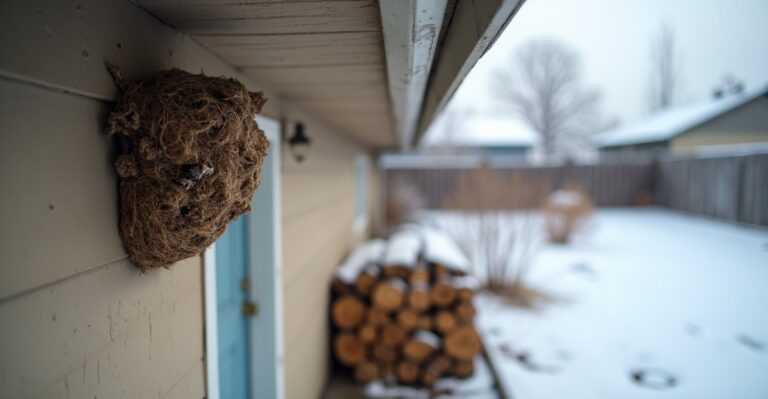
Recurring annual nests in the same location can also signal a bigger issue. If wasps return every spring, there may be attractants or hidden entry points contributing to the pattern. We explain common reasons in our article on why wasps keep coming back every summer.
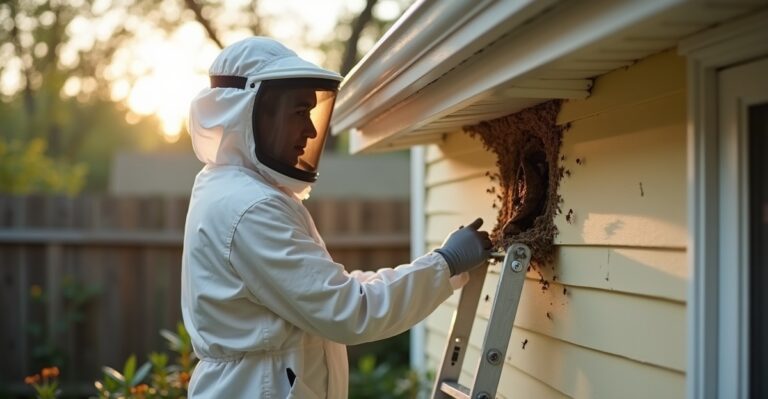
Knowing when to remove a wasp nest depends on location and behavior. Removal is recommended if a nest is attached directly to the home, hidden in wall voids, built underground in yard traffic areas, or showing increasing defensive behavior.
We always weigh ecological value against safety. If a nest is high up, inactive, and far from activity, it may not require immediate action. If it’s near a doorway or showing aggression, that changes the equation.
Signs a Wasp Nest May Be Dangerous
Certain warning signs suggest a higher-risk situation.
Frequent wasp traffic entering a single hole in siding or the ground may indicate a wall void or underground nest. Buzzing sounds inside walls are another red flag. A visible nest growing larger week to week suggests a rapidly expanding colony.
Multiple stings or swarming behavior also point to defensive activity. For those wondering about repeat stings, we cover that topic here: do wasps sting more than once.
Late summer in Southeast Idaho is when yellow jackets Idaho homeowners report the most defensive behavior. Food scarcity increases competition, and colonies are at peak population.
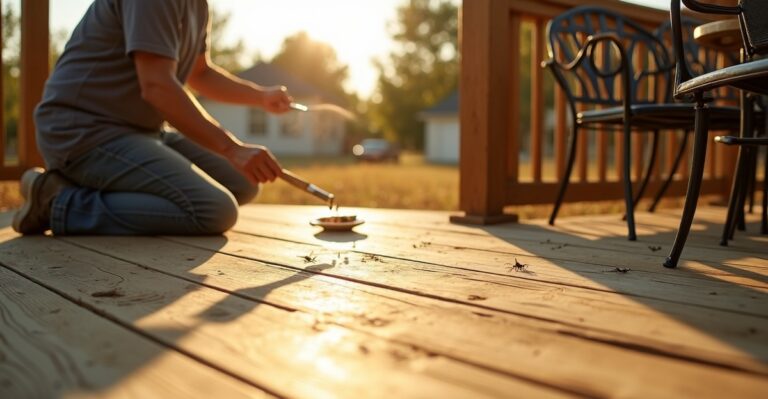
DIY removal can trigger defensive stinging, especially with underground nests. Spraying at night without proper protection often escalates the situation. Small nests can turn into emergency calls because of one wrong move.
If there’s uncertainty about whether a nest is safe to leave alone, we’re happy to evaluate the situation and walk through options. Professional wasp control services focus on safety, proper identification, and long-term prevention.
Safe Prevention Tips for Southeast Idaho Homeowners
Preventing problems early is always easier than dealing with a full colony in August. Early spring is the most effective time to act, before nests grow.
A few practical steps make a big difference:
- Seal cracks around siding and rooflines in spring.
- Keep trash sealed tightly, especially in late summer.
- Clean up fallen fruit from trees promptly.
- Repair window screens and seal wall gaps.
- Knock down very small early-season nests only if activity is minimal and safe to handle.
Staying proactive reduces the likelihood of large colonies forming. Southeast Idaho pest control works best with prevention built in.
We live and work here too. Backyard BBQs, kids playing outside, and enjoying a peaceful evening on the deck matter to us. When nests recur annually or develop near play areas, professional DeWebb Pest Control services can offer safe, straightforward solutions without pressure. If concerns come up, reaching out through our contact page allows us to schedule an inspection and discuss next steps clearly and honestly.
Wasps have a place in Idaho’s ecosystem. At the same time, homes and families come first. With clear information and the right timing, it’s possible to balance both.
Frequently Asked Questions
Yes, wasps can pollinate flowers in Idaho, but it happens accidentally. When wasps visit blooms to drink nectar, small amounts of pollen may stick to their bodies and transfer to other flowers. However, they do not actively collect pollen like bees. Because their bodies are smoother and less hairy, they carry far less pollen and are considered minor or incidental pollinators.
Bees are more effective pollinators because their bodies are covered in dense, branched hairs designed to trap pollen. They also intentionally gather pollen to feed their larvae, which causes frequent contact with flower reproductive parts. Wasps usually visit flowers only for nectar or hunt insects for protein, so they transport much less pollen between plants.
Common wasp species in Idaho include yellow jackets, paper wasps, and mud daubers. Yellow jackets often nest underground or inside structures and mainly hunt insects. Paper wasps build umbrella-shaped nests under eaves and sometimes visit flowers for nectar. Mud daubers are solitary wasps that build mud tube nests and rarely interact with people.
Wasps can be beneficial in gardens because they help control pest insects like caterpillars, flies, and beetles. By hunting these pests, they support a healthier garden ecosystem. Some species may also contribute to minor pollination while feeding on nectar. However, their ecological benefits must be balanced with safety if nests appear close to homes or high-traffic areas.
Wasps in Idaho tend to become more aggressive in late summer. During this time, colonies reach peak population and natural food sources begin to decline. Yellow jackets especially may scavenge around trash, outdoor food, and sugary drinks. Their defensive behavior also increases if nests are disturbed, which is why encounters often rise in August and early fall.