Do Wasps Remember People Who Disturb Them?
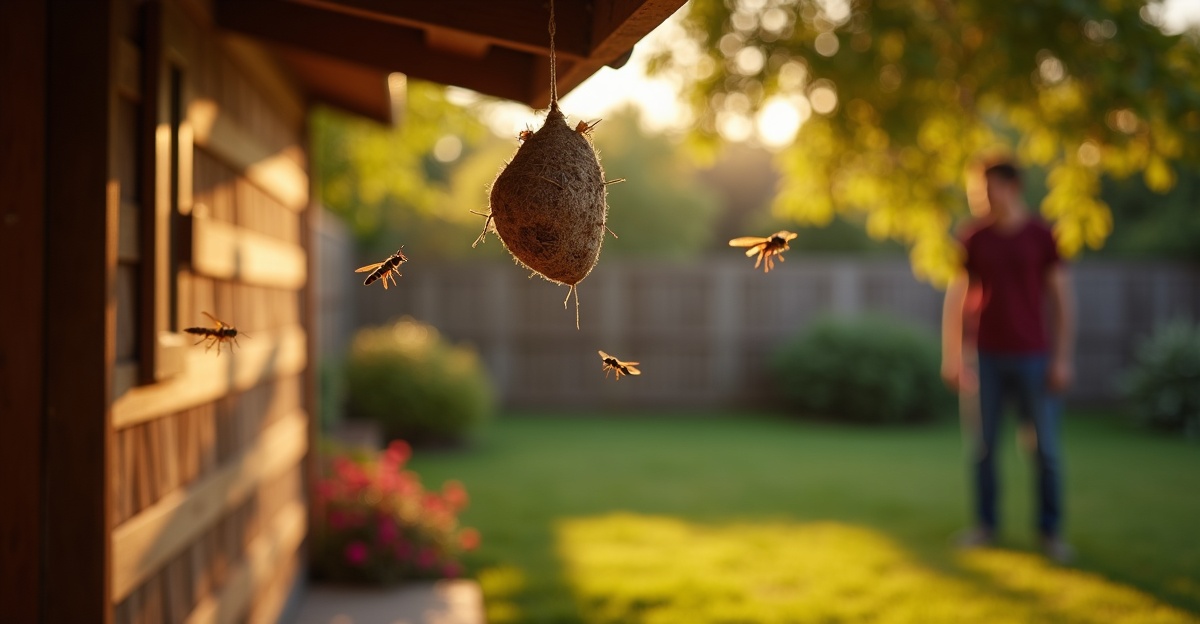
If we’ve ever wondered, do wasps remember people who disturb their nests, the science gives us a clear answer. Wasps don’t recognize or target specific individuals. They react to immediate threats such as movement, vibration, and alarm pheromones. Any aggressive behavior reflects a short-term defensive response, not personal memory or revenge.
Key Takeaways
- Wasps do not remember or target specific people; they respond to perceived threats in the moment.
- Some paper wasps can recognize other wasps’ faces, but this ability does not extend to identifying humans.
- Defensive swarming happens because of alarm pheromones and proximity to the nest, not because a wasp “holds a grudge.”
- Aggressive behavior typically lasts minutes to a few hours after a disturbance and increases in late summer when colonies are larger.
- Reducing sudden movements, avoiding nest areas, and addressing nests early in the season lowers the risk of stings around our home.
Here’s the Short Answer: Can Wasps Actually Remember You?
Wasps don’t remember people in a human way. They don’t hold grudges, track individuals, or plan revenge.
Some research shows certain wasps can recognize faces—but only other wasps. A 2011 University of Michigan study on Polistes fuscatus (paper wasps) found they can identify distinct facial patterns within their own species. That ability helps them sort out social hierarchy inside the colony. It doesn’t mean they can pick a specific person out of a crowd and target them later.
So, can wasps remember us personally? No. They respond to perceived threats in the moment. If we disturb their nest or move suddenly nearby, they react. That’s instinct, not memory.
Across Southeast Idaho, we remind families that wasps are defensive insects. They aren’t revenge-driven predators. Understanding this helps us protect kids and pets without creating unnecessary fear.
How Wasps Recognize Threats (It’s Not Personal)
Limited facial recognition in wasps applies mainly to colony members. It doesn’t extend to tracking humans around a yard.
Stings happen because something triggers their defense system. We see the same patterns again and again around homes in Idaho Falls, Rexburg, and Pocatello—especially near eaves, sheds, and deck railings.
Common Triggers Include:
- Sudden movements near the nest
- Vibrations from mowers, slamming doors, or shaking decks
- Carbon dioxide from breath at close range
- Dark clothing or strong scents
Many people ask why wasps attack the same person. In most cases, that person is closest to the nest, moving the most, or using equipment causing vibrations. It’s about proximity and activity level, not recognition.
After a nest is disturbed, guard wasps release alarm pheromones. These chemical signals tell other wasps to defend. That’s why activity can escalate quickly if a nest is bumped or sprayed improperly. A defensive swarm can feel personal, but it’s a chemical chain reaction.
If we’re ever unsure what type of stinging insect we’re dealing with, it helps to understand the difference between wasps and hornets. Correct identification changes how we handle the situation.
How Long Do Wasps Stay Aggressive After Being Disturbed?
Wasps usually stay aggressive for minutes to a few hours after a disturbance. The exact timing depends on how intense the disruption was and how large the colony is.
Alarm pheromones can linger briefly around the nest site. During that window, defensive behavior increases. Once the threat is gone and the scent fades, activity often returns to normal.
Are wasps aggressive in general? They’re protective. That’s especially true in late summer when colonies reach peak size. In Southeast Idaho, that often means heightened defensiveness in August and early September in places like Idaho Falls, Ammon, and Blackfoot.
Seasonal Timing Matters:
- Spring: Queens start building small nests. Colonies are smaller and usually less defensive.
- Late summer: Colony size peaks. Food sources shift. Defensiveness increases.
Colony lifespan also plays a role. For a closer look at seasonality, see how long wasp colonies live in Idaho. Knowing that the aggression is temporary and tied to nest protection gives us perspective. It’s not about memory. It’s about survival.
Common Myths About Wasps “Holding Grudges”
The idea that wasps hold grudges is a myth. They don’t hunt someone down days later after a single encounter away from their nest.
We understand why it feels that way. A sting hurts. A defensive swarm is scary. Emotions run high, especially if children are nearby.
What’s Really Happening:
- Stings are painful and memorable.
- Defensive swarming is fast and intense.
- Alarm pheromones amplify the response.
All of that can make it seem targeted. In reality, the behavior is instinct-driven. Once the perceived threat disappears and distance increases, the wasps stop pursuing.
Some homeowners also worry about repeat issues year after year. That’s usually related to favorable nesting spots, not memory. We explain this in detail in why wasps keep coming back every summer. Past disturbance doesn’t put anyone on a “list.” Location and shelter matter far more.
We stick with science and practical experience. There’s no need for scare tactics. Clear information goes a long way in reducing fear.
What We Can Do to Reduce Risk Around the Home
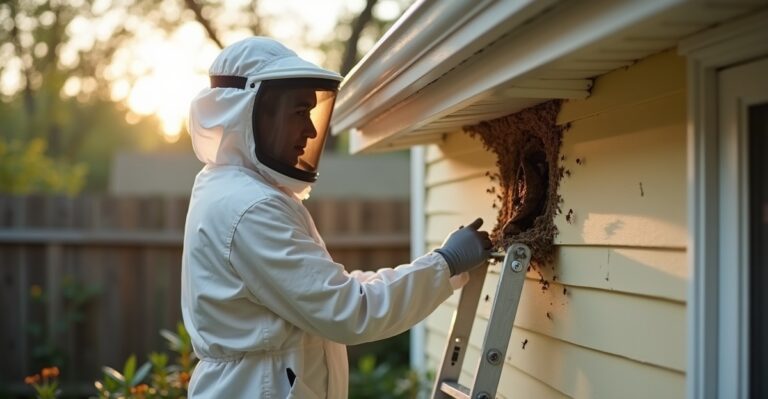
Prevention starts with awareness. We don’t recommend swatting at wasps or attempting risky nest removal on our own.
Instead, simple habits make a big difference:
- Stay calm and avoid sudden movements if a wasp is nearby.
- Keep distance from areas with increased activity.
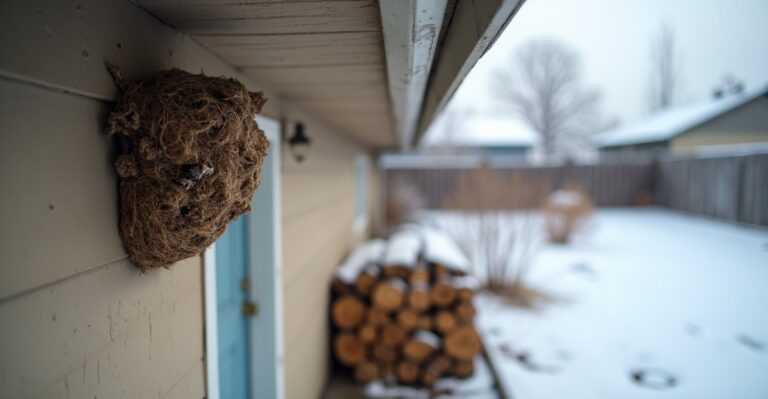
- Check common nesting spots like eaves, soffits, sheds, playsets, and under decks.
- Seal trash bins and cover sugary drinks during outdoor gatherings.
A wasp nest near a house in Idaho is common during warm months. Early spring is the best time to act, when nests are small and easier to manage. Spotting issues early reduces risk later in the season. Homeowners can review early signs of a wasp nest to catch activity before colonies grow.
Protecting children and pets is always the priority. Play areas, sandbox covers, and deck undersides deserve special attention. We believe in clear communication, honest recommendations, and thorough work. Safety comes first every time.
If professional help is needed, our wasp control services focus on safe, effective removal with minimal disruption to daily life.
When to Leave a Nest Alone—and When to Call a Professional
Some nests can be left undisturbed. If a small nest is far from entryways, play zones, and gathering areas, it may not pose an immediate risk. Distance reduces conflict.
Higher-Risk Situations Include:
- Nests near front doors, garages, or frequently used walkways
- Nests under decks where children play
- Repeated defensive swarming during normal yard activity
Knowing when to call a professional for wasps comes down to safety concerns, visible nest growth, or aggressive encounters that disrupt daily life.
Families across Rexburg, Idaho Falls, Ammon, Rigby, Blackfoot, Pocatello, and Ririe count on dependable Southeast Idaho pest control. We’re part of this community, too. We take the time to inspect the situation, explain clear options, and recommend the safest path forward.
If there’s uncertainty about a nest on the property, we’re always happy to take a look. A straightforward inspection can bring peace of mind and help protect the people and pets who matter most.
Frequently Asked Questions
No, wasps generally cannot recognize human faces. Some species, such as certain paper wasps, can distinguish facial patterns of other wasps within their colony. This ability helps them identify nest mates and maintain social order. However, this recognition system does not extend to humans, so wasps cannot single out or remember individual people.
Wasps may appear to target the same person because that individual is closest to the nest or causing the most disturbance. Movements, vibrations from tools, and proximity to the nest can trigger defensive behavior. When alarm pheromones are released, nearby wasps respond quickly, which can make the situation feel personal even though it is purely instinctive.
Wasps typically remain defensive for several minutes to a few hours after their nest is disturbed. Guard wasps release alarm pheromones that signal others to defend the colony. Once the scent fades and the perceived threat is gone, activity usually returns to normal. Larger colonies, especially in late summer, may stay alert longer.
Wasps may chase someone briefly if they feel their nest is threatened. This pursuit usually lasts only a short distance from the nest area. Once the person moves far enough away, the wasps typically stop following and return to the colony. Their goal is to protect the nest rather than pursue a specific individual.
The best way to avoid provoking wasps is to stay calm and avoid sudden movements around areas where they are active. Keep distance from nests, secure garbage and sweet drinks outdoors, and inspect common nesting spots such as eaves, sheds, and decks. Addressing small nests early in the season reduces the chance of larger, more defensive colonies later.