How to Spot Early Signs of a Wasp Nest
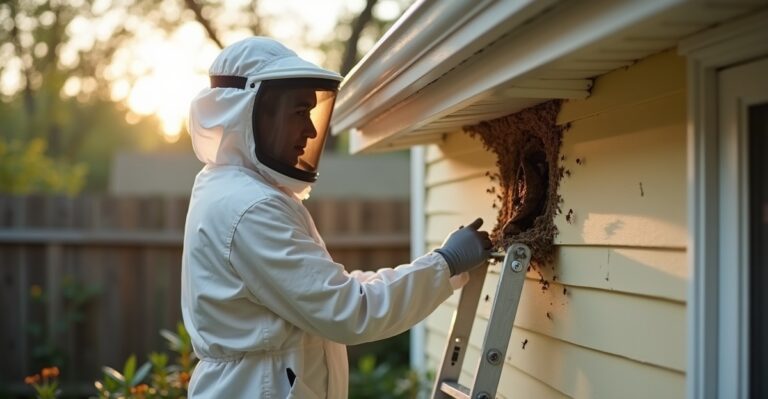
Spotting the first signs of wasp nest activity early can play a big role in protecting your home and family. In Southeast Idaho, nests build up quickly as soon as spring hits. Light buzzing near rooflines or tiny papery clumps under decks are early signals. If we catch these hints right away, we can stop a nest before it becomes a larger, more dangerous issue.
Key Takeaways
- More wasps flying around, steady buzzing, and traffic into small gaps usually mean a nest may be forming.
- Initial nests look gray and papery, often the size of a golf ball. They’re often found under eaves, in sheds, or stuck beneath outdoor fixtures.
- Watch for activity around grills, playground equipment, shutters, soffits, and gaps in walls—these quiet areas often attract nesting.
- Taking action early is far easier and safer than dealing with a full-sized nest later in the season.
- In spots where people gather or for families with sting allergies, calling trained professionals is the safest decision.
What You’ll Notice First: Clear Signs There Might Be a Nest Nearby
Spotting the early signs of wasp nest on home can help us take care of a problem before it gets out of hand.
Early action means fewer wasps, reduced risk of stings, and easier removal. We always suggest keeping an eye out during spring and early summer—this is when new colonies start forming.
Common Behavioral Clues Around the House
We usually notice changes in wasp activity before we see a nest. Here are a few things that often signal a nest may be forming close by:
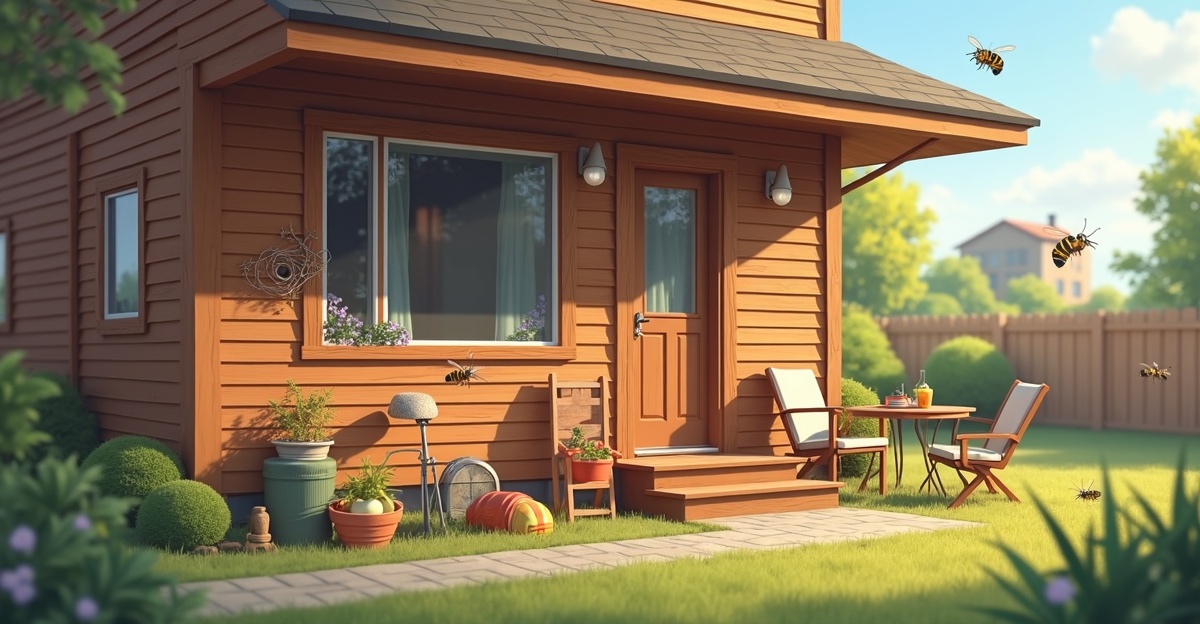
- Increased wasp activity: If we’re spotting more wasps than usual circling porch lights, hovering near doors or windows, or weaving through deck rails, this could mean a nest is nearby. High-traffic wasp zones often include porches, siding, soffits, and garages.
- Persistent buzzing in one spot: Wasps make a low, steady buzzing that’s hard to miss. If we hear this sound regularly near deck beams, under eaves, or in a shed corner, it’s worth taking a closer look—safely.
- Wasps disappearing into small crevices: One of the most overlooked early signs is seeing wasps fly into cracks or holes in walls, attic vents, or roof overhangs. They love those tight, hidden entry points to build undisturbed.
- Creeping or flying close to edges: Wasps may be seen crawling along window trim, beneath deck boards, or flying low near flower beds. These behaviors can indicate foraging or scouting nearby nesting spots.
If we’re noticing any combination of these patterns around a property, it’s time to investigate further. Wasps returning to the same corner or opening is a clear indicator and a reliable method for how to tell if a wasp nest is active.
What an Early Wasp Nest Looks Like
In the beginning, wasp nests are small and surprisingly easy to miss. But once we know what to look for, they stand out—especially in tucked-away areas.
Look for the following visual cues:
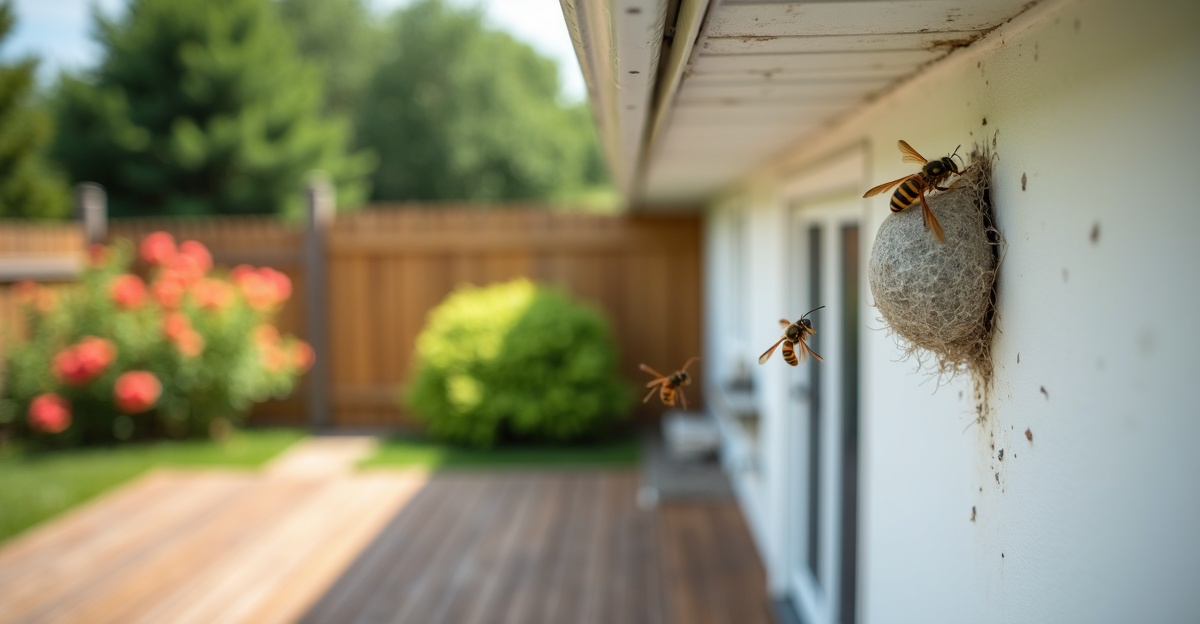
- Papery, grayish materials: Wasps chew wood and mix it with saliva to create a thin, paper-like material, a behavior documented in university entomology research on paper wasp nest construction. Early nests are usually light gray and blend in with wood and concrete surroundings.
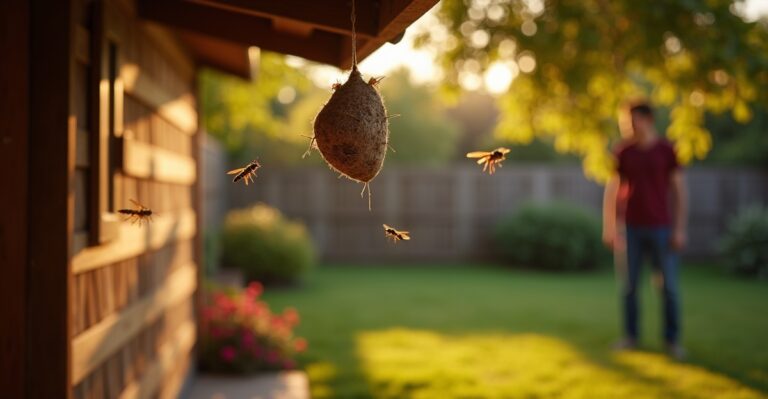
- Umbrella shapes or small clumps: Suspended nests often start with a stem and expand into an umbrella-like shape. These are common under porch eaves, behind shutters, or in corners of sheds.
- Size indicators: At first, nests may be no bigger than a golf ball. With time, they can grow to the size of a baseball or larger. Nest size and shape can differ depending on the species. If we’re unsure about the difference, this guide on wasps and hornets offers solid direction.
- Nest location matters: The early stages might be tucked under handrails, inside hollow fence posts, or under patio furniture, making proper wasp nest on fence post identification especially important. These hidden spots give wasps protection while they work.
If we notice small, gray nests popping up in places like under eaves or gutter corners, it’s time to act quickly. Removing these early can help avoid full-blown infestations. If we’re curious how long these nests tend to remain active, this article on wasp colony lifespans offers helpful insight, especially for Idaho homes.
For active nests or signs we’re unsure about, you don’t have to tackle it on your own. Our professional wasp control services provide swift, safe resolutions customized for local conditions. If we’ve been wondering why wasps come back year after year, this deeper look at why they keep returning can shed some light—and help us prevent future trouble.
Whether we notice nests forming in visible spots or we’re hearing odd buzzing in a shed corner, catching the signs early saves money, time, and stress. Hovering wasps and their early nests are signals we shouldn’t ignore. Let’s stay one step ahead and enjoy our outdoor spaces in peace.
Why Now? Wasp Season in Southeast Idaho
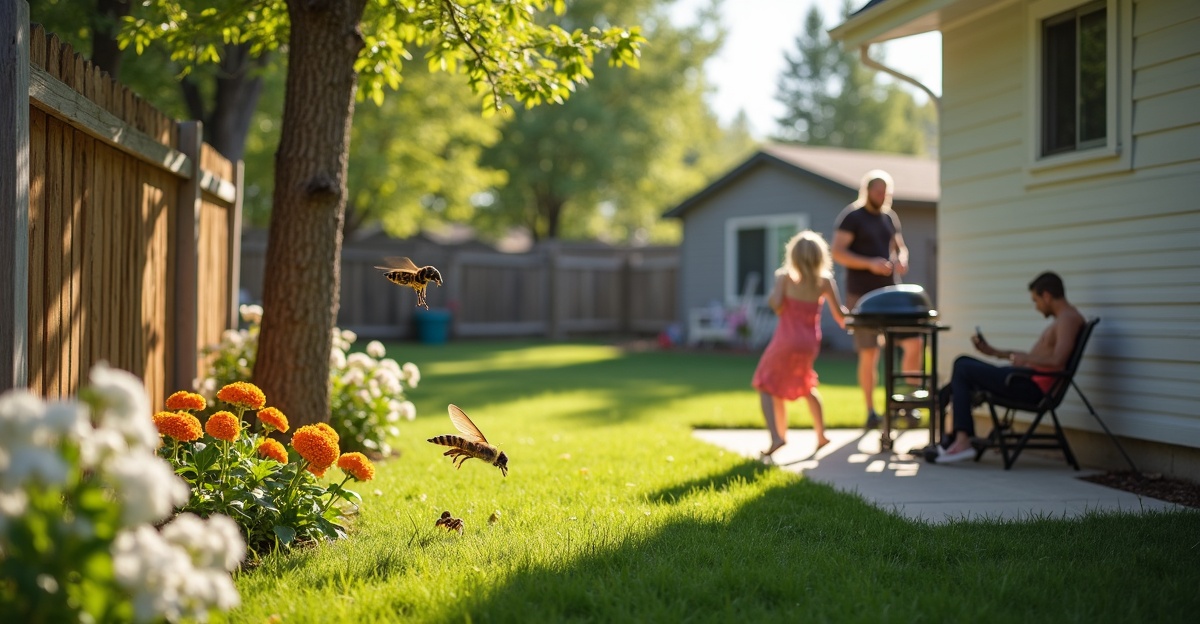
Wasp season in Idaho begins in late spring and reaches its peak by the end of summer or early fall, as outlined by the University of Idaho Extension’s guide to wasp lifecycles. That warm sunshine we all look forward to also wakes up paper wasps and yellowjackets—two of the most common troublemakers around homes in Southeast Idaho. As temperatures rise, solitary queen wasps emerge from overwintering spots and start building nests in protected areas like eaves, sheds, decks, and wall voids.
We always remind our neighbors that early in the season, spotting a nest is your best shot at safe control. Small nests in spring often catch people off guard because they’re just the size of a golf ball or ping-pong ball. But those little clusters grow quickly if left alone. By August or September, colonies may hold several hundred wasps—all ready to defend their space, a growth pattern commonly described in university extension resources on wasp colonies.
That’s why paying attention to the earliest signs can spare us a whole lot of stress later. If we wait too long, nests become harder to treat and the risk of stings shoots up. This affects kids playing in the yard, pets nosing where they shouldn’t, and even folks doing yardwork or grilling outside. For more details on what attracts wasps cycle after cycle, take a look at why wasps keep returning each summer.
What to Watch for in Early Wasp Season
Here are a few early signs of a wasp nest we’re often called in for during spring and early summer:
- Increased wasp activity around specific spots — like wooden fences, roof eaves, or outdoor furniture where queens may start nesting.
- Small papery structures — starting to form in corners of garages, attics, sheds, or under deck railings.
- Random wasps hovering without clear food sources — this may signal scouting behavior as they look for a place to build.
- Buzzing sounds behind walls or ceilings — can mean an indoor nest is already underway.
- Chewed wood or plant fibers — paper wasps gather these materials to build their nest.
It’s easier and safer to handle wasps right now, while their colonies are small and less aggressive. Removing a springtime nest can often be done quickly and safely, compared to a late-summer swarm that could turn dangerous in a hurry. That’s also when DIY treatments can fall short—read our take on whether DIY wasp sprays actually work.
If you’re already noticing activity, it may be time to reach out for a professional approach. Our wasp control service provides safe and prompt removal—before the swarm has a chance to grow. We’re locals who know how wasp season works here in Southeast Idaho, and we’re here to help keep your home and family safe through every season.
Where Wasps Like to Hide: High-Risk Nesting Spots Around Your Home
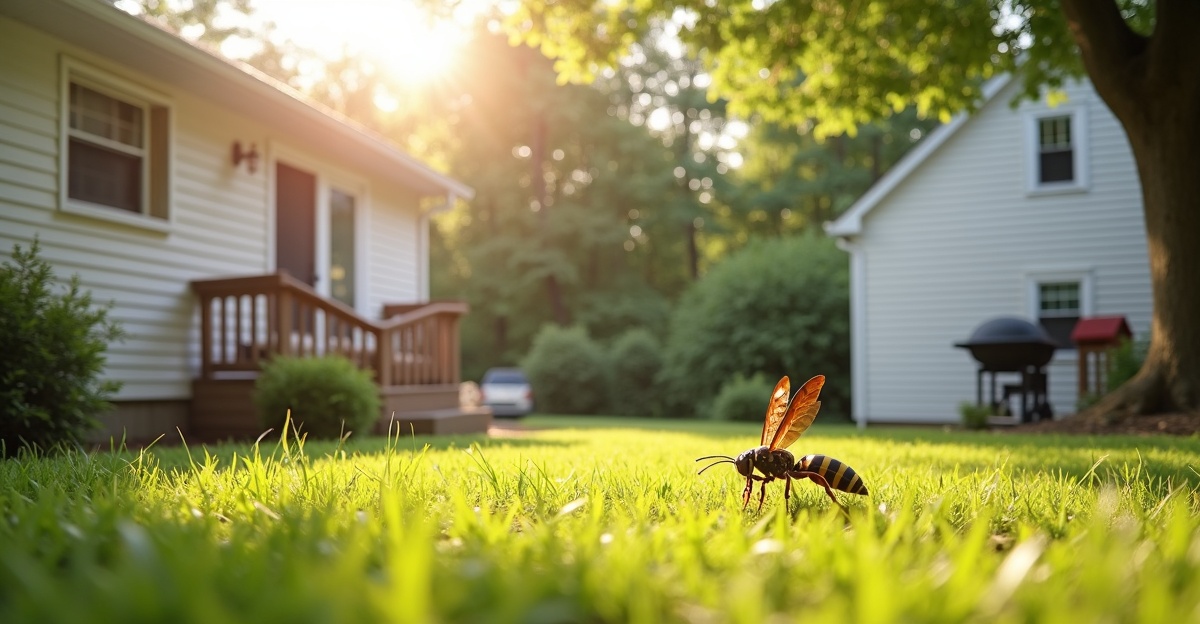
Wasps can be crafty builders, setting up shop in spots that are easy to miss until there’s a real problem. To stay ahead of them, we make a habit of checking the areas they favor most—especially during peak season from late spring through summer. Early detection keeps everyone safer and helps us handle nests before they grow out of control.
Common Nesting Spots You’re Likely to Overlook
Here’s where we often find wasp nests around homes and yards, particularly those hard-to-see places:
- Under roof eaves and gables: These overhangs give wasps protection from wind and rain. Look for paper-like material tucked tight against the underside where you’d usually not glance up unless there’s a problem.
- Behind shutters or outdoor light fixtures: Wasps like enclosed, shaded spaces with easy exits. A flick of the light near dusk might reveal some activity you didn’t notice before.
- Corners of sheds, grills, or kids’ play equipment: These spots are often undisturbed for long periods. Check where wood meets metal or plastic—those little gaps are perfect for nesting.
- Under patio furniture or inside a covered BBQ: Open the lid of the grill or tilt your furniture after it’s been unused for a few days. Wasps don’t need much space, and they favor stable, hidden places.
- Dog houses or lawnmower trailers: Shade and structure make these quiet nooks attractive. Peek inside before sending the dog back in or pulling the mower out.
- Inside wall cavities or behind siding: If you hear buzzing indoors or notice a slow trickle of wasps in one room, they might be in the wall. It’s one of the trickier spots—you usually won’t see the nest, just the signs of wasps around the house.
We always remind folks to walk around their home every few weeks, especially in the heat of summer. A quick visual check of shutters, soffits, and outbuildings can help spot a nest early. That minor buzz you hear under the eaves might be the start of a much bigger issue.
Don’t forget to take special care with grills and patio areas. These are common for nests because of less traffic during weekdays. You’ll find helpful info about how colonies grow and how long they last at our guide on wasp colonies in Idaho.
If you find activity, it’s tempting to grab a spray and go after it yourself. But as we’ve covered in our article about DIY wasp sprays, it doesn’t always end well—especially when nests are hidden or out of reach.
For safer, long-lasting protection, we recommend professional wasp control services. We’re here to help you stay protected with friendly service that fits right into your routine. Let’s keep your home safe, calm, and wasp-free.

Keeping Kids and Pets Safe Around Suspected Wasp Activity
Wasps tend to mind their own business—right up until they feel threatened. For curious kids and playful pets, that can be a serious problem. Dogs might dig near a bush where a nest is hidden, or little ones might chase a buzzing insect without knowing the risk. That’s often when stings happen. And yes, wasps can be dangerous to pets and children, especially if stings trigger allergic reactions or happen repeatedly, according to the CDC’s guidance on insect sting reactions.
We’ve seen it time and again—hidden nests under decks, behind siding, or nestled in shrubs where dogs love to sniff or kids like to hide during games. A wasp colony in Idaho doesn’t last all year, but while they’re active, even a single nest can cause a lot of trouble if it’s too close to where your family spends time.
How We Help Maintain Safer Play Spaces
If you’ve spotted more wasps than usual or suspect a nest nearby, there are a few smart precautions we can all take right away:
- Keep kids and pets away from areas where wasps are seen frequently. These buzz-heavy spots may be near a nest.
- Place playsets and pet enclosures in open areas, away from roof eaves, sheds, wood piles, or dense shrubs—common nest locations.
- Watch for sudden yelps, paw-licking, or swelling in pets. These could be signs they’ve gotten stung.
- Don’t tackle wasp control on your own, especially near children and pets. DIY sprays may not reach the whole nest and often rile up the colony fast. For more on this, check out our blog on the risks of DIY wasp sprays.
- If stings happen, treat them promptly and monitor for allergic reactions. Always contact a veterinarian or doctor if you’re uncertain.
When dealing with a wasp nest near pets or children, our best advice is simple: let professionals handle it. We’re equipped to remove nests safely without putting your family or furry friends at risk. If buzzing seems to return year after year, there may be conditions nearby drawing them in. Here’s how we explain why wasps keep coming back and how to break that cycle.
A professional inspection doesn’t just deal with one nest—it helps us spot early signs of wasp activity so we can prevent bigger issues later. Our wasp control service focuses on removing nests completely and treating the area to make it less inviting for future colonies.
Your peace of mind is part of the job. We’re here to protect the whole family—two legs and four.
DIY or Call a Pro? How to Respond Safely to Wasp Nest Concerns
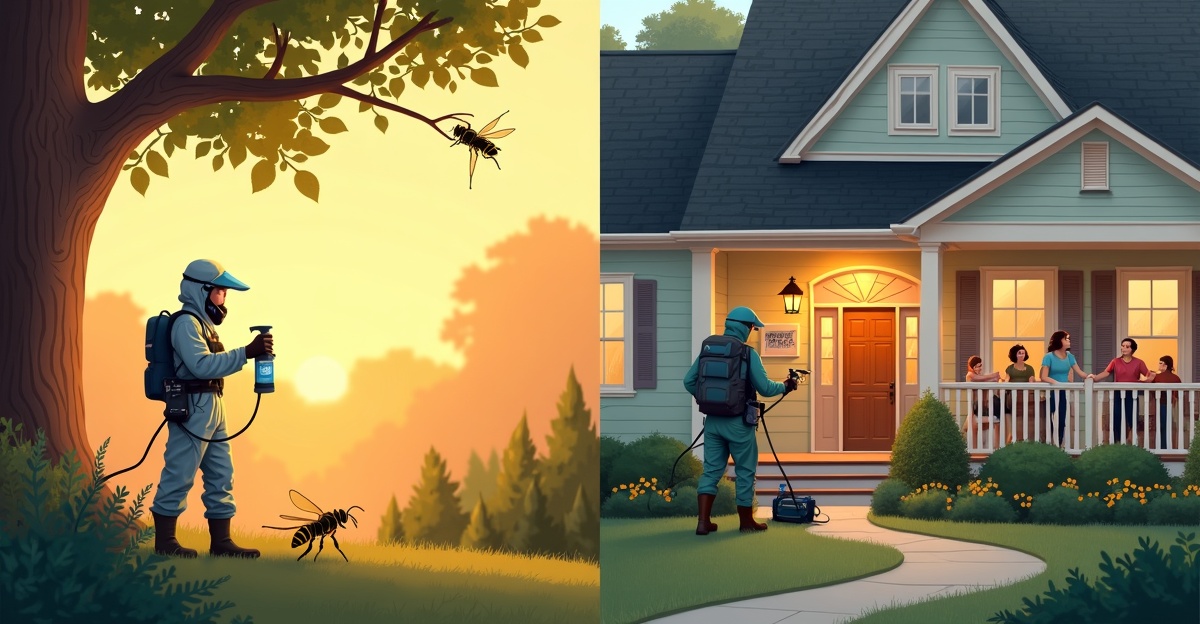
Choosing how to handle a wasp nest starts with understanding its size, location, and activity level. Early signs of a wasp nest—like increased wasp activity near eaves, deck railings, or garden sheds—can answer the question: how do you know if a wasp nest is active?. Deciding what to do next is where it really counts for safety and peace of mind.
Deciding Whether to DIY or Call a Pro
We always want to err on the side of caution, especially when stings are a real concern. Here’s a quick checklist to help figure out if it’s something we can handle ourselves—or time to call in experienced help.
DIY might be suitable if:
- The nest is about the size of a golf ball or smaller and appears newly constructed
- It’s located far from regular human or pet activity (e.g., deep into a fence line or under a remote branch)
- There’s minimal wasp traffic and it’s early in the season (typically spring)
Call a professional pest control service if:
- The nest is large, concealed in a wall void or attic, or near commonly used doors and walkways
- Buzzing is heard inside the home, especially around outlets, electrical panels, or wall cavities
- Anyone in the household has a known sting allergy or has reacted to stings in the past
We’ve encountered many cases where nests go unnoticed until they’re dangerously close to living areas. In fact, some homeowners don’t see the actual nest but notice that wasps keep coming back summer after summer. If that sounds familiar, it’s worth reading more about why wasps return every year.
When in doubt, it’s always safest to reach out for help. Our licensed team can take care of wasps with the right methods and keep your home safer long term using our wasp control services.
Staying Safe During DIY Wasp Nest Removal
If we check all the boxes under the “safe to DIY” category, we still need to take the right precautions. Wasps defend their homes aggressively and sting repeatedly when threatened, as noted in state extension guidance on social wasp behavior.
Here are key tips to stay safer if removing a very small and inactive nest:
- Only attempt removal in the early morning or after sunset when wasps are less active
- Wear sealed protective clothing—long sleeves, gloves, goggles, a face covering, and closed shoes
- Use a spray labeled specifically for wasps and follow all instructions exactly
- Keep a clear exit route—don’t trap ourselves in a corner
- Never nudge or hit a nest without spraying first. Disturbing them can trigger swarming
- Stop immediately if wasps become agitated or start flying in numbers
Even with all the gear and timing right, it’s important to understand the risks. If a mistake happens, stings can escalate quickly—especially when dealing with hidden nests or aggressive species like hornets. It helps to know the differences between wasps and hornets before acting. Hornets tend to be more territorial and may require different treatment methods.
If a wasp spray didn’t work the first time or there’s any hesitation about safety, don’t try it again. Instead, let us step in. Many DIY sprays aren’t strong enough for established nests or may not reach the queen. Learn more about the limits of DIY wasp sprays before attempting a second try. Proper removal handled by professionals not only avoids the sting risk but ensures that the nest doesn’t regrow or trigger another infestation.
And timing matters too. The best time for pest control in Southeast Idaho often depends on seasonal activity patterns—something we’re happy to help plan around.
Whether we’re looking at a developing nest or already hearing a steady hum in the siding, assessing early signs is the first step. Acting promptly and safely is the next—and we’re here to make sure it’s done right, either through friendly advice or professional service. Whenever there’s doubt about removing a wasp nest safely, it’s smart to choose the professional route.
Peace of Mind Starts with Prevention (and a Friendly Local Partner)
We’ve seen how spotting the early signs of a wasp nest can save a lot of trouble down the road. A quick yard check once a week—especially around eaves, sheds, and fence lines—can catch those nests before they grow. You’ll want to look for signs like wasps moving in and out of a particular crack or crevice, or noticing a paper-like structure starting to take shape. These small details matter more than you’d think.
Early awareness gives us the upper hand. Wasps in Idaho tend to build fast once the weather warms up. And as we share in our guide on the best time for pest control in Southeast Idaho, addressing nests in spring or early summer is ideal. Waiting too long makes removal more risky and disruptive—especially with active nests near homes or kids’ play areas.
What to Watch For Outside the Home
Here are a few things we’ve learned to look out for around yards and homes:
- A steady stream of wasps flying to and from one spot
- Buzzing sounds in attic spaces, under decks, or soffits
- Gray, papery material tucked in corners of sheds, mailboxes, or playsets
- Activity near outdoor lighting fixtures, vents, or unused grills
If you notice any of these, don’t try handling it on your own unless you’re sure—like knowing how do you know if a wasp nest is empty. DIY wasp sprays might promise quick fixes, but as covered in our post on DIY wasp sprays, they often fall short and can actually stir up aggressive behavior.
A Safe, Friendly Solution for Families in Idaho
We’ve lived and worked in these neighborhoods for years—serving Rexburg, Idaho Falls, Ammon, Blackfoot, Rigby, Pocatello, and Ririe—so we understand which pests show up where, and when. Our team delivers honest answers and safe wasp removal in Idaho that’s backed by real experience.
We never pressure anyone into a service they don’t need. If you’re unsure or just want peace of mind, we’re always happy to pop over and take a look. We use family- and pet-safe methods that get results without turning your yard into a hazard zone.
And if wasps seem to return every season, you’re not imagining it—we’ve laid out the reasons in our post about why wasps keep coming back every summer. Sometimes the best long-term fix is protection early in the season and a little know-how from folks who care.
Let’s protect what matters most, together. If something’s bugging you—or buzzing—you can always start by reaching out through our contact page. We’re right here, ready to help.
Frequently Asked Questions
The earliest signs of a wasp nest usually include increased wasp activity in one area, steady buzzing sounds, and wasps repeatedly flying into small gaps or cracks. These signs often appear before a nest is clearly visible. Catching this behavior early helps prevent the nest from growing larger and more aggressive later in the season.
A new wasp nest is typically small, gray, and papery, often about the size of a golf ball. It may appear as a small clump or umbrella-shaped structure attached under eaves, deck boards, or shed corners. These early nests blend in easily, which is why they are often overlooked.
Wasps usually begin nesting in sheltered, low-traffic areas such as roof eaves, soffits, wall gaps, sheds, grills, and under decks. These locations protect them from weather and disturbance. Regularly checking these spots during spring and early summer helps spot early signs of wasp nest activity.
Wasps start building nests in late spring as temperatures warm and queen wasps emerge from overwintering. Early nest building often begins before peak summer activity, when colonies are still small. This early window is the safest and easiest time to address nests before they expand.
Small, early-stage wasp nests can sometimes be removed safely if they are inactive, easy to access, and far from people or pets. However, even early nests can trigger aggressive behavior. If there is frequent wasp activity, a hidden nest, or sting allergies, professional removal is the safest option.