What do exterminators do when they come to your house?
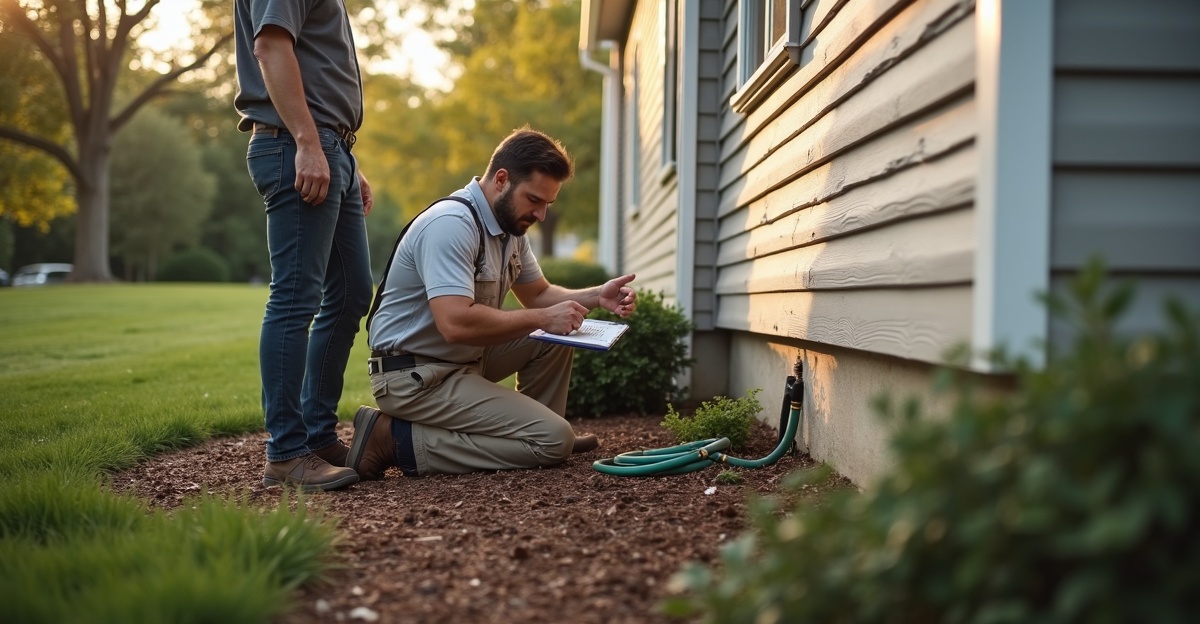
When we arrive at your home, we start with a focused conversation and a comprehensive inspection. We identify the exact pest. We track entry points and uncover the conditions that allow activity to continue. Then we present a clear treatment plan. We apply precise interior or exterior solutions based on pest behavior and pressure levels. Our team reviews safety guidelines, preparation steps, and realistic timelines. We finish by outlining follow-up or prevention recommendations that support lasting results.
Key Takeaways
- A professional visit starts with questions and a thorough interior and exterior inspection to ensure accurate pest identification.
- Treatment plans align with the specific pest, seasonal trends, and level of activity we find on site.
- Exterior-first and targeted interior applications prioritize precision and reduce unnecessary product use.
- Clear communication covers safety guidelines, preparation steps, realistic timelines, and reentry instructions.
- Long-term protection can include sealing entry points, correcting moisture or landscaping issues, and scheduling follow-up or ongoing service.
What Happens During a Professional Pest Control Visit
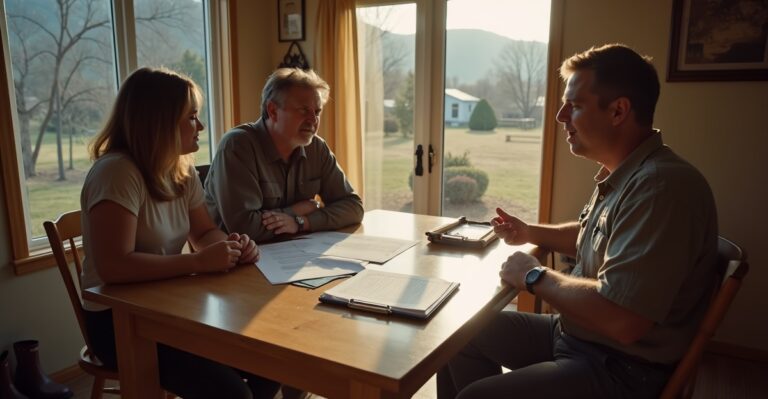
The exterminator process starts before we apply a single product. A proper pest control visit begins with a conversation and a clear plan.
We begin by talking through what’s been happening in the home. We ask what pests are being seen, where activity is happening, how long it’s been going on, and whether any treatments have been tried before. That information helps us perform an accurate pest control inspection and identify the pest correctly the first time.
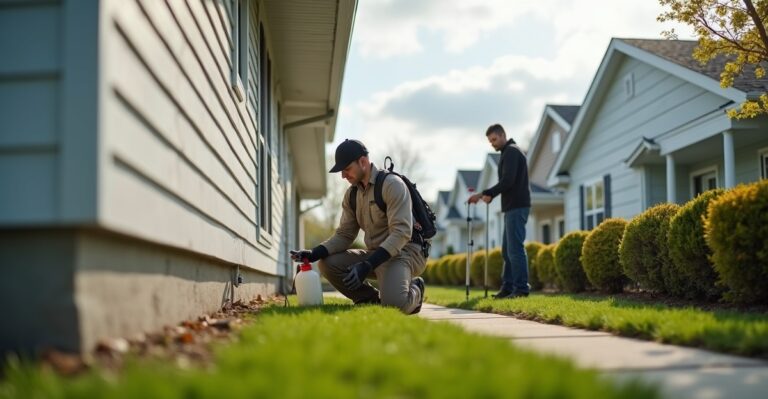
Next, we conduct a full interior and exterior inspection. A thorough professional pest control service should never be a quick spray-and-go stop. We check:
- Foundations and exterior walls
- Eaves and rooflines
- Crawl spaces and basements
- Garages and window wells
- Attics, if accessible
- Common pest entry points around doors, vents, and utility lines
Identifying the exact pest matters. Ant control Idaho requires a different approach than mouse control Idaho or wasp removal Idaho. Treating everything the same rarely solves the issue. Pest biology and behavior guide our pest control treatment steps.
Before we apply anything, we explain the treatment plan. We show where we’ll treat and why. We set realistic expectations about what results will look like and how long they may take. We believe Southeast Idaho pest control should feel transparent and reassuring. A quality visit includes communication, not confusion.
If homeowners want a deeper breakdown of what a first appointment includes, we walk through it here: what to expect on the first visit.
A Closer Look at the Inspection and Root Cause Analysis
Inspection always comes first because treating without finding the source usually leads to recurring problems. Surface spraying may reduce visible pests for a short time, but it rarely addresses why they’re there.
In Southeast Idaho, we see clear seasonal patterns:
- Seasonal ants in spring and summer (ant control Idaho)
- Fall mice movement as temperatures drop (mouse control Idaho)
- Summer wasps nesting under eaves and decks (wasp removal Idaho)
- Ongoing spider activity in basements and garages (spider control Idaho)
Each pattern requires a different approach. We look for the conditions that support those pests.
What We Look For During Inspection
During a detailed pest control inspection, we evaluate:
- Moisture issues around foundations or inside crawl spaces
- Cracks, gaps, and structural openings
- Food sources and sanitation concerns
- Nesting or harborage areas
- Landscaping factors that may increase pest pressure
Inspection leads to identification. Identification leads to targeted treatment. Treatment may lead to exclusion steps, such as sealing entry points. In some cases, we schedule follow-up visits to monitor progress.
A professional service should feel structured and clearly explained. We share findings in plain language. We avoid heavy technical terms and we don’t rely on scare tactics. Homeowners deserve to know what’s happening in their homes without feeling pressured.
How We Treat the Problem—Safely and Strategically
Treatment depends on the pest and the severity of activity. There isn’t a one-size-fits-all solution.
For many homes, we start outside. An exterior-first approach allows us to create a protective barrier that reduces pests before they enter. Interior treatments are applied only where necessary, focusing on cracks, crevices, and targeted problem areas instead of broad over-application.
Ant issues may involve perimeter treatments and direct nest targeting. For residents dealing with recurring colonies, our ant control services focus on elimination and prevention.
Rodent problems require a different strategy. We use trapping, identify entry routes, and recommend exclusion improvements. Sealing gaps is often just as important as placing traps. Our rodent control services combine removal and prevention because long-term results depend on both.
Wasp issues demand careful removal of active nests and safe treatment of nesting sites. Spider activity may be reduced through targeted crack and crevice applications and environmental adjustments. Every step serves a clear purpose.
We set honest expectations. Some pests require more than one visit. Heavy infestations or seasonal pressures may need ongoing management. Permanent promises without context aren’t realistic.
Safety remains a top priority. We use products according to strict label guidelines. We explain dry times and reentry instructions before treatment. In most cases, families and pets can remain home, depending on the pest and product being used. Clear communication helps everyone feel comfortable and informed.
Many homeowners also want to know how fast results will appear. Effects vary by pest and treatment type. We explain typical timelines in detail here: does pest control work immediately.
For general information about our approach across different pest types, our pest control services page outlines how we protect homes and businesses throughout the area.
How Long It Takes and How to Prepare
Most standard homes take 30–60 minutes for a typical pest control visit. Larger properties or active infestations may take longer. Time depends on inspection findings and treatment needs.
Homeowners usually don’t need to leave during service. If a specific treatment requires temporary absence, we explain that in advance so there are no surprises.
Preparation is usually simple. We may recommend:
- Clearing access to baseboards and known problem areas
- Securing pets
- Storing exposed food if interior kitchen treatment is required
We provide clear instructions ahead of time so everything runs smoothly. For more detailed preparation guidance, we explain it step by step here: how to prepare your home for pest control.
After treatment, some increased activity is possible. Pests may move more as they come into contact with products. Most modern applications have minimal odor. Results often become noticeable within days, though timelines vary depending on the pest.
Clear expectations reduce uncertainty. We believe that informed homeowners feel more confident in the process.
Prevention, Follow-Up, and Ongoing Protection
Treatment is one part of the solution. Prevention keeps problems from returning.
We may recommend sealing cracks, improving landscaping clearance, reducing moisture issues, or decluttering storage areas. Small environmental changes can significantly lower pest pressure.
Quarterly service often works well in Southeast Idaho because seasonal shifts drive pest movement throughout the year. Spring ants, summer wasps, fall rodents, and winter overwintering pests create year-round challenges. Ongoing maintenance addresses those cycles proactively.
Some homes benefit from a single treatment. Others need recurring service. We explain the difference clearly in our guide on one-time vs monthly pest control so homeowners can choose what fits their situation.
Follow-up appointments may be scheduled for persistent issues or monitoring. Our goal is steady protection, clear communication, and dependable service. If anyone is dealing with ants in Idaho Falls or mice in Rigby, we’re always happy to explain what the specific situation would look like and recommend practical next steps. Contact details are available here: get in touch with our team.
Quick Answers to Common Pest Control Questions
What happens on the first visit?
A complete inspection, identification of the pest, explanation of findings, targeted treatment, and practical prevention guidance. That full exterminator process should feel structured and thorough.
Is pest control safe for pets and children?
Products are applied according to label directions. We clearly explain precautions and dry times. Safety guidelines are reviewed before we leave.
Why are pests still visible after treatment?
Some activity can continue temporarily. Certain pests are flushed out before elimination. Others may require multiple treatments depending on life cycle and severity.
How do we know if professional pest control service is necessary instead of DIY products?
Recurring infestations, hidden nests, rodent activity, or repeated product failure indicate that a deeper inspection is needed. A trained eye can identify entry points and contributing conditions that store products can’t address.
What should pricing include?
A clear inspection, explanation of findings, defined treatment steps, and follow-up details. Transparent service avoids hidden fees and rushed visits.
We believe homeowners across Southeast Idaho deserve honesty, thorough work, and clear expectations from the exterminator process. Peace of mind starts with knowing exactly what’s happening in the home and why.